Capsule Hotels in Tokyo: Cost, Etiquette, Worth It?
Tokyo capsule hotels: a night step by step, what a pod costs next to a hotel room, the etiquette, luggage and couples rules, and who should skip one.
Capsule hotels sit in an odd category. They’re the cheapest legitimate bed in central Tokyo, and they’re also a bucket-list thing people book once just to say they did. Both are true, and both miss the question that matters: does a night in a pod suit the way you travel? Some visitors come out converted, wondering why anyone pays several times as much for a room they only sleep in. Others last one night and rebook somewhere with a door.
This guide covers what a capsule hotel is, what a night involves step by step, what it costs, the etiquette nobody explains at check-in, and the things that decide whether you should book one or skip the idea entirely.
What a Capsule Hotel Is
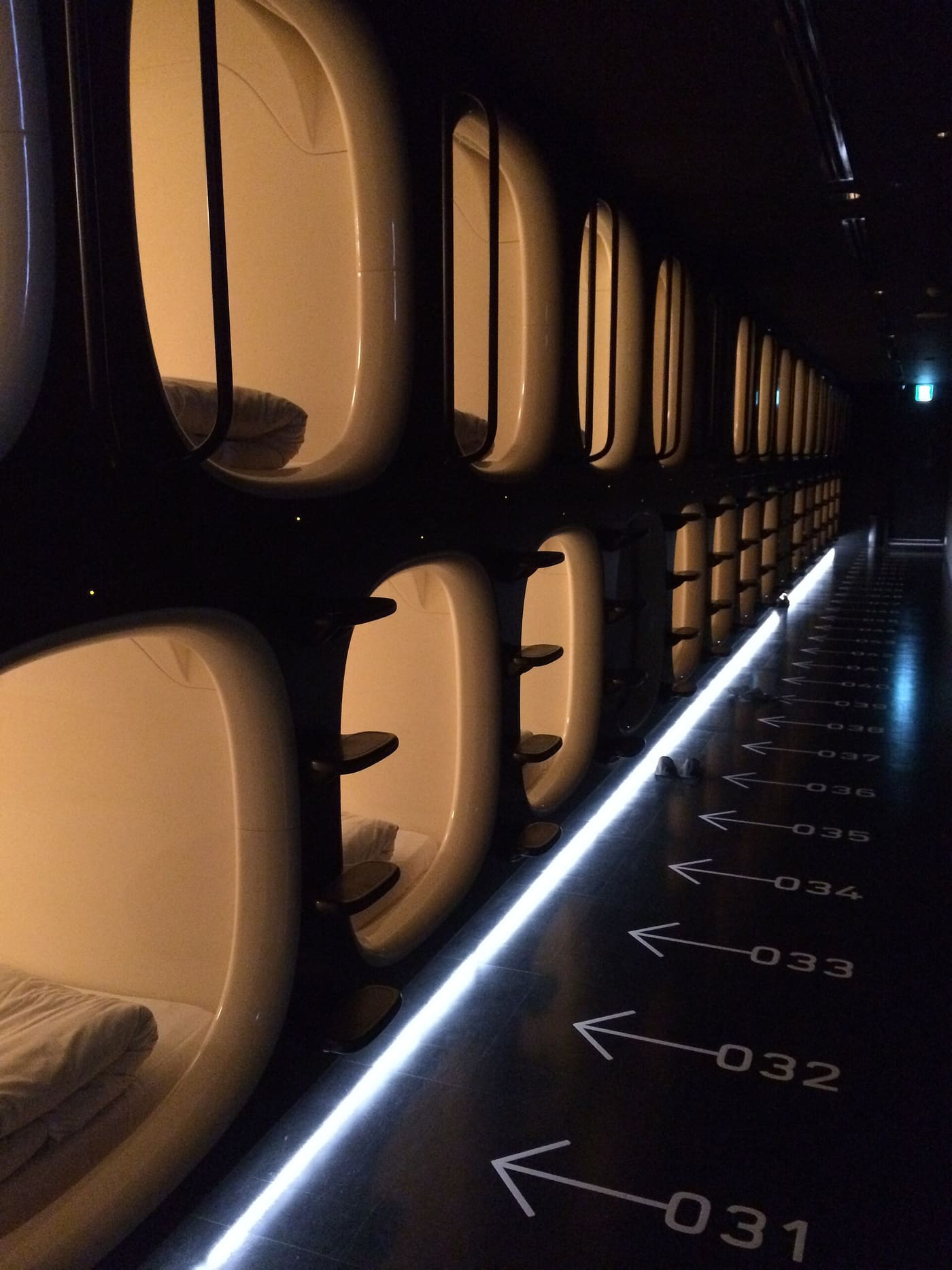
A capsule hotel rents you a sleeping pod rather than a room. The pod is a moulded berth roughly two metres long, a metre wide and a metre high, stacked two levels per row along a corridor. Inside there’s a mattress, bedding, a light, usually a power socket and often a small control panel for ventilation or a built-in screen. Everything else is shared, from the bathrooms and the baths or showers to the lounges and the luggage storage.
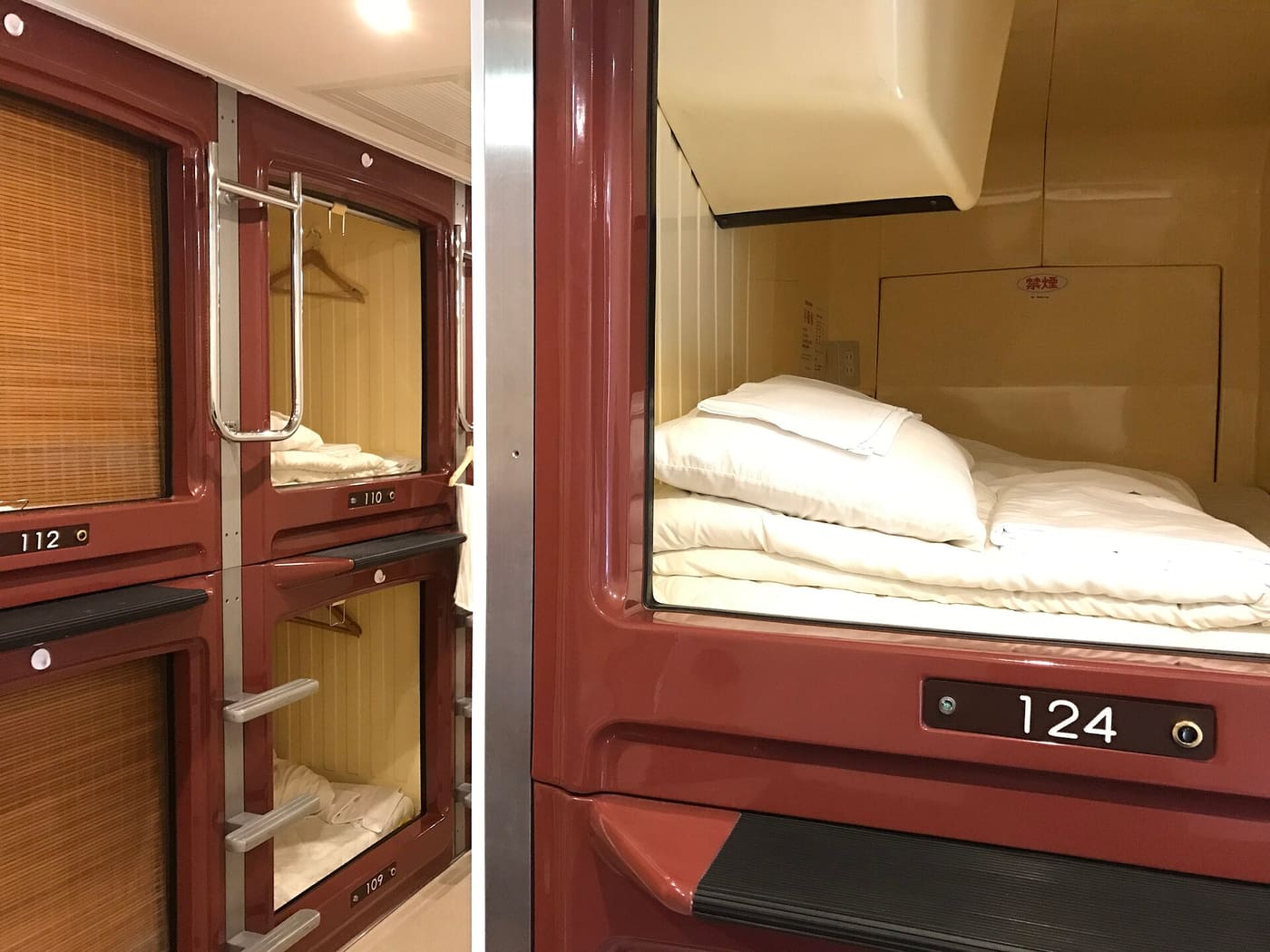
The format was invented in Osaka in 1979 for salarymen who’d missed the last train and needed somewhere cheap, clean and central to sleep until the trains started again. That origin still explains most of the design. Capsule hotels cluster around major stations and nightlife districts, check-in runs late, and the whole system is set up for someone arriving with nothing but a briefcase and leaving early the next morning.
What’s changed is the audience. Over the past decade the format has been redesigned for travellers, with brighter buildings, English-speaking front desks, better bedding and lounges closer to a boutique hostel than an emergency crash pad. Capsule hotels in Tokyo now serve two markets at once: a cheap bed for budget travellers, and a distinctly Japanese experience that’s worth trying once whatever your budget.
What a Night Involves
The sequence is roughly the same everywhere, and knowing it in advance removes most of the awkwardness.
Shoes come off at the entrance. Almost every capsule hotel has a bank of shoe lockers just inside the door. You swap street shoes for slippers before you reach the front desk, and the shoe locker key is often exchanged for your capsule key. This isn’t optional.
Luggage goes into a separate locker. The pod fits you, your phone and not much else. Lockers take bags up to backpack or cabin-case size, and the front desk usually holds anything bigger. Take only what you need for the night, a change of clothes and toiletries, up to the sleeping floor.
Floors are separated by gender in most buildings. Men and women sleep on different floors with separate lifts or keycard access, and the baths are separated the same way. Some properties are men-only, a holdover from the salaryman era, and a growing number are women-only. Mixed groups meet in the lounge rather than on the sleeping floors.
Bathing is communal. Many capsule hotels have a shared bath in the sento style, a big soaking tub with a row of seated wash stations, and it’s often the best part of the stay. Others have individual shower cubicles. Either way, you wash before you get into any tub, and nobody wears swimwear in a Japanese bath.
Then you sleep in the pod. The capsule closes with a roll-down blind or screen rather than a locking door. It blocks light well and sound only partly. Most people find the pod more comfortable than they expected. Current mattresses and bedding are better than the price implies, and the enclosed berth feels closer to a sleeper train than a coffin. Claustrophobia is rarer in practice than people predict, but it isn’t zero.
What It Costs
A standard pod costs a fraction of a private room in the same district, and location and day of the week move the price more than the pod itself does. A Saturday night pod in Shinjuku costs more than a Tuesday pod near Ueno, exactly the way hotel rooms do. Rather than trust a yen figure that goes stale, put your dates into the Tokyo travel map and search the district. Capsule properties often show up among the price pins. For scale, the cheapest quarter of hotel listings in Shinjuku sat under US$165 a night in the weekly hotel price index of 20 October 2026, and a standard pod should come in well below that.
Above the standard tier there’s a premium category, the so-called first class or cabin pods. The extra money buys wider pods with better mattresses, nicer baths, good toiletries and loungewear, and lounges you’d want to spend time in. At the top of that range the price overlaps with the bottom of the business hotel market, and that’s the fair comparison: a premium pod competes with a private room in Ueno or Ikebukuro, and it has to win on experience rather than price.
At the standard tier, though, the value is there. A clean, safe, central bed with a hot bath included undercuts nearly everything else in the city that isn’t a hostel dorm.
The Etiquette Nobody Explains
Capsule hotels run on a set of shared rules that Japanese guests absorb without thinking and visitors have to be told.
The sleeping floor is a quiet zone. No phone calls, ever, and conversations belong in the lounge. Headphones for anything with sound. The blind on your pod isn’t soundproofing, and everyone on the corridor can hear a video played out loud.
Lights out is cultural, not enforced. There’s rarely a posted curfew, but sleeping floors go dark and silent earlier than you might expect, and rustling through a plastic bag at 1 AM is a serious offence. Get what you need for the morning ready before the floor settles.
Alarms go on vibrate. An audible phone alarm in a room of forty pods wakes forty people.
Bath etiquette applies in full. Wash thoroughly at the seated stations before you get in the tub, keep towels out of the water and keep your voice down. If shared bathing doesn’t appeal, pick a property with private shower cubicles. Plenty exist.
Tattoos can still be an issue. Traditional bathhouse rules against visible tattoos linger at some older capsule hotels, mostly in the communal bath rather than the stay itself. Policies have relaxed a lot, and traveller-oriented properties are generally fine, but if you have large visible tattoos, check before you book rather than finding out at the bath door.
The Realities to Know Before Booking
A few facts about the format catch first-timers out, and you want to know them before you pay rather than after.
Many capsule hotels clear the building during the day. Cleaning hours, often something like 10 AM to a mid-afternoon check-in, mean you can’t go back to your pod for an afternoon nap. Some traveller-focused properties allow all-day access, but daytime closure is still common enough to belong on your booking checklist. For a stay of several nights this matters more than the pod size does.
Big suitcases are a problem. Standard lockers swallow a backpack or cabin bag. A large hard-shell case usually ends up behind the front desk, which works for a night or two but gets tedious across a week of repacking in a lobby.
You will hear snoring. The pods dampen sound. They don’t block it, and one committed snorer carries down a corridor. Most capsule hotels hand out earplugs at check-in for exactly this reason. If you’re a light sleeper, treat them as mandatory. If you’re a fragile sleeper, think hard about the format at all.
Couples can’t usually sleep on the same floor. Gender separation means most couples check in together, split at the lift and meet again at breakfast. A handful of properties offer mixed floors or double-width pods, but they’re the exception.
Check the gender policy before you book. Men-only capsule hotels still exist, and booking sites don’t always make it obvious. In the other direction, women-only floors are standard at traveller-oriented properties, and entirely women-only capsule hotels exist and are worth looking for.
Where in Tokyo to Base
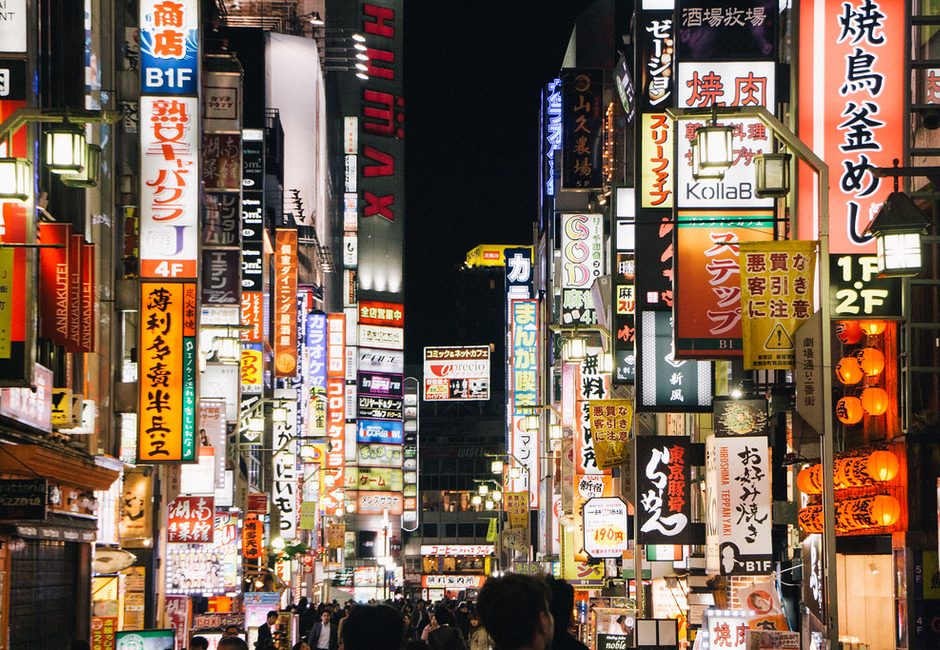
Capsule hotels concentrate next to big stations and nightlife, exactly where you’d expect a format built for missed last trains to end up.
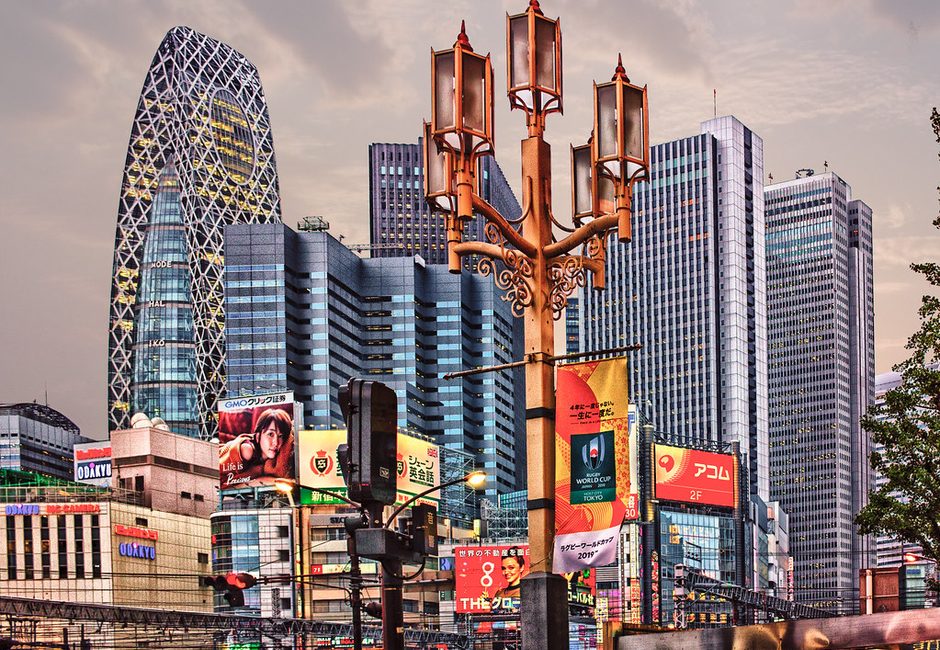
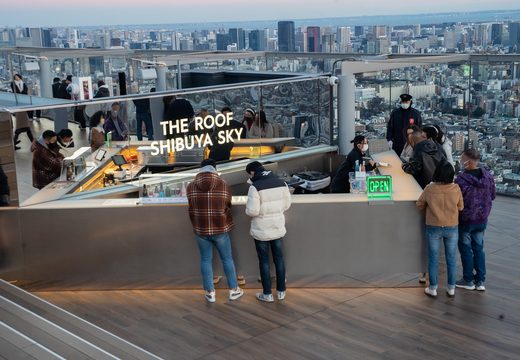
Shinjuku and Shibuya are the natural fit. Both districts have deep capsule inventory within walking distance of the bars, so the format works exactly as designed. A night out that runs past the last train ends with a five-minute walk instead of a taxi across the city.
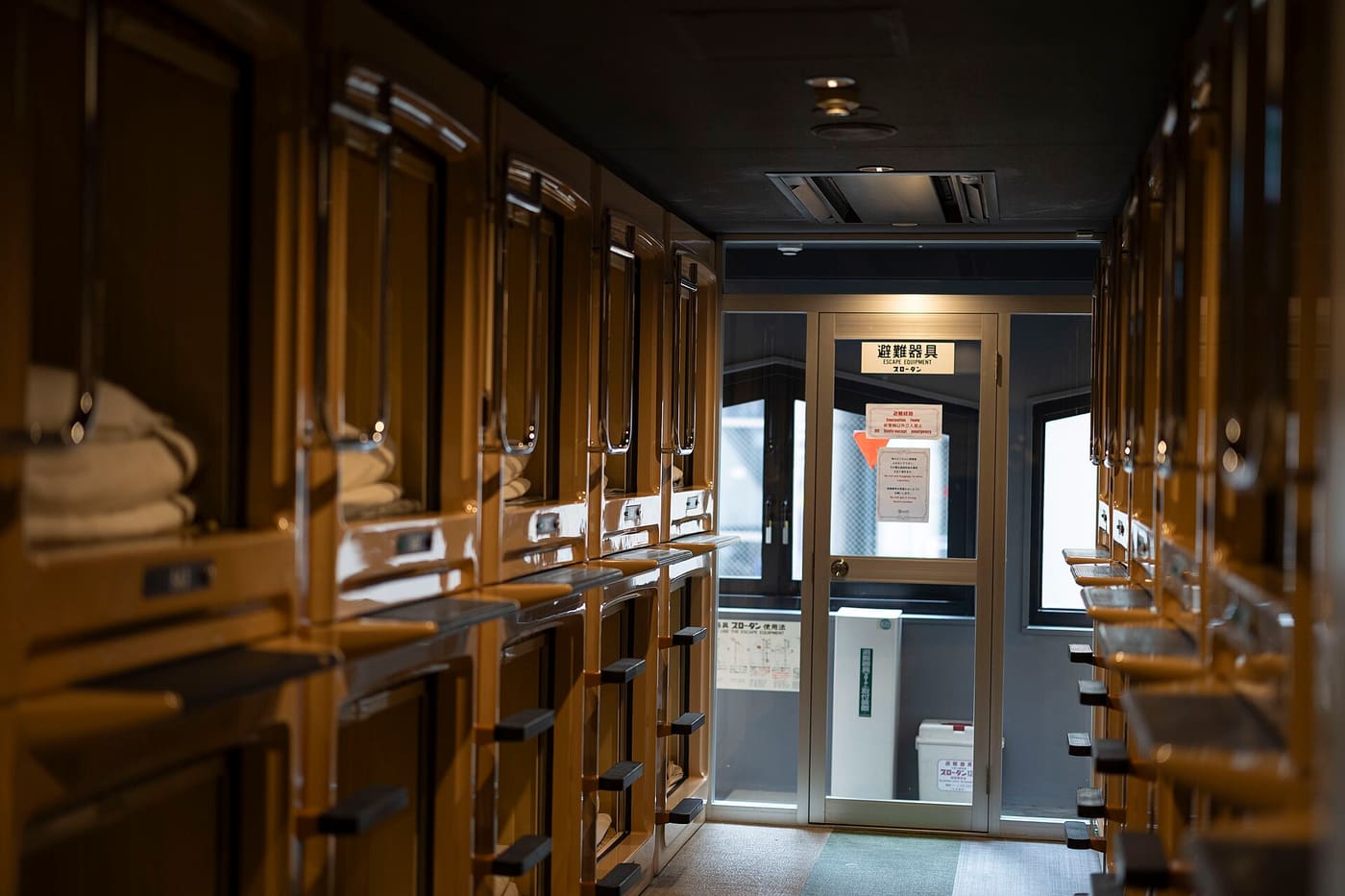
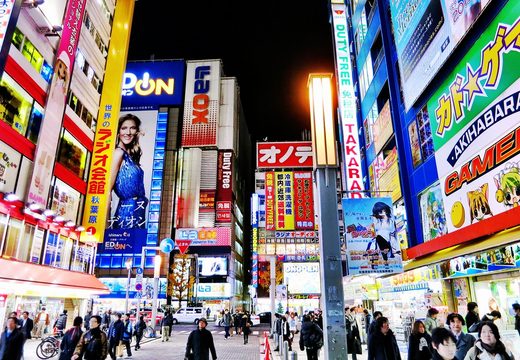
Ueno and Akihabara are the value play on the east side. Pods here often run cheaper than the west-side equivalents, and both stations have excellent onward connections, Ueno especially for day trips north. The broader case for the east side as a budget base is in the Ueno guide, and the same logic applies to Ikebukuro on the north side of the loop, which pairs cheap pods with a five-to-ten-minute ride to Shinjuku.
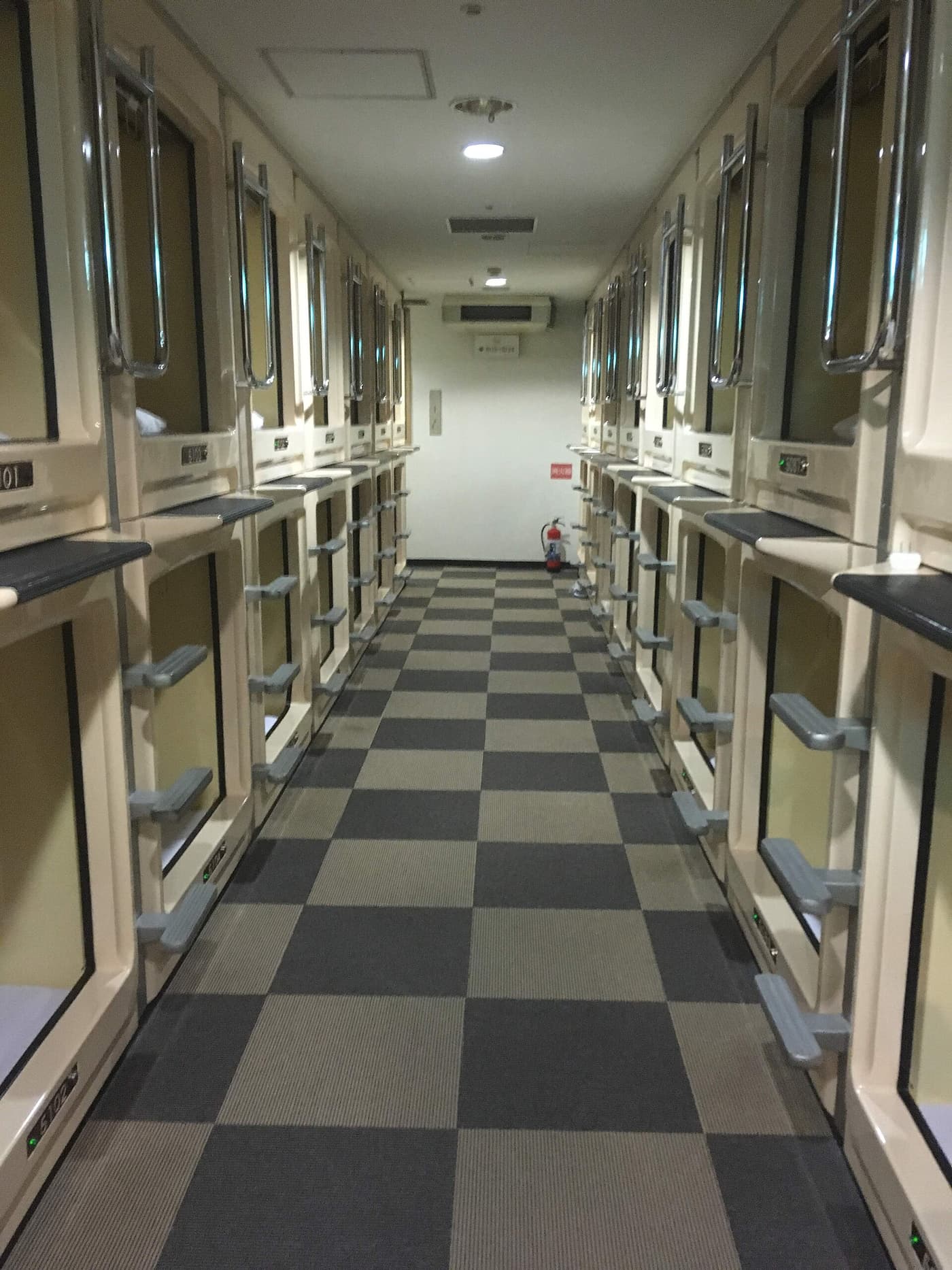
Near Haneda or Narita for flight logistics. Pod hotels at or near the airports turn a 6 AM departure or a midnight arrival into a short walk instead of a hotel-transfer problem. Check what’s open at your terminal before you rely on one. For one night either side of a flight, this is the format at its most sensible.
Use the interactive Tokyo travel map to see how these districts relate to each other and what’s within walking distance of any base you’re considering.
Who Should Book One, and Who Should Not
The format has a clear profile of the traveller it suits.
Book a capsule if you’re travelling solo, spending one night between flights or trains, or running the kind of itinerary where the accommodation is a place to shower and sleep and nothing more. If you’re a streets-first, hotel-last traveller, this is the best deal in the city. It also earns a place on a longer trip as one deliberate night, worth having once even if you sleep in business hotels the rest of the way.
Skip it if you’re travelling as a couple or a family, since gender-separated floors and single-occupancy pods break the economics and the togetherness at the same time. Skip it if you’re a light sleeper, if you’re hauling a large suitcase through several nights, or if you want somewhere to retreat to during the day. In those cases a business hotel in Ueno or Ikebukuro costs more but removes every friction point at once.
For a broader look at where those alternatives sit, the area-by-area comparison covers every major district, and if it’s your first visit and you’re weighing convenience against price, start with the first-timer’s area guide.
Frequently Asked Questions
Are capsule hotels in Tokyo safe?
Yes. Tokyo is one of the safest major cities in the world, and capsule hotels add their own layers on top: staffed front desks, keycard-controlled sleeping floors, gender separation and lockers for valuables. The pods themselves don’t lock, so phones, passports and wallets belong in your locker or in the pod with you while you sleep. Solo female travellers who want extra reassurance can choose women-only floors or women-only properties, both of which are common.
Can couples stay in a capsule hotel together?
Usually not on the same floor. Most capsule hotels separate sleeping floors by gender, so couples check in together and sleep apart. A small number of properties offer mixed-gender floors or larger pods designed for two, but they’re the exception and you have to search for them specifically. Couples who want the pod experience should check the floor policy before booking, and most will find a cheap business hotel room a better fit.
How much does a capsule hotel in Tokyo cost per night?
A standard pod costs a fraction of a private room in the same district, and the price moves with location and day of the week, so check the map with your dates for the live rate. Premium capsule brands with wider pods, better baths and decent lounges cost more, and at the top end they overlap with budget business hotels, so the premium tier is a choice about experience rather than savings.
Can you leave luggage at a capsule hotel during the day?
Yes, within limits. Lockers take backpacks and cabin-sized cases, and front desks generally store larger suitcases. The bigger constraint is the building itself. Many capsule hotels close the sleeping floors during daytime cleaning hours, so plan to be out exploring between checkout and the afternoon check-in, with your bag either stored at the hotel or in a station coin locker.
Places in this guide
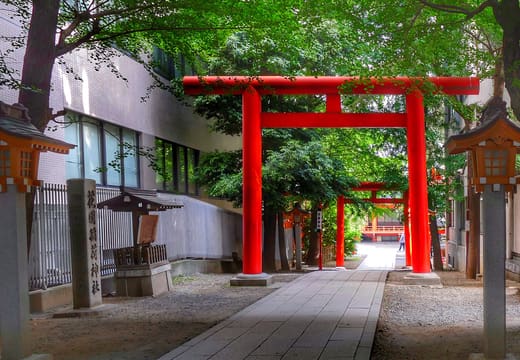
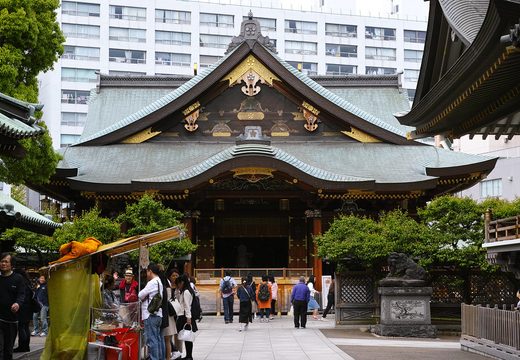
Photos show the actual places, licensed under Creative Commons and credited to their photographers.
Find hotels in Tokyo
Browse live availability and compare prices for your dates.
See hotels near Tokyo on Booking.comPrices are for the night of Saturday 24 October. You can change the dates on Booking.com. If you book, Roam Tokyo earns a small commission from Stay22 at no extra cost to you.