First Time in Tokyo: Best Area to Stay (2026)
First time in Tokyo? Stay on Shinjuku's west side, or Asakusa for atmosphere and Shibuya for short trips. Live median rates and a 60-second decision table.
Places checked against official pages by Roam Tokyo, October 2026 How it's made
Aussi en français : lire ce guide en français
Stay in Shinjuku, on the west side of the station, for almost every first trip. Nishi-Shinjuku has the deepest hotel supply in the city, every train line you’ll need and calm streets at night, and its median was US$213 a night in the weekly hotel price index sampled on 20 October 2026. Stay in Asakusa if temples, old streets and an early night matter more to you than nightlife (median US$262). Stay in Shibuya only for a two- or three-day trip where you want to be inside the postcard (median US$272).
Nakameguro, Shimokitazawa and Sangenjaya are wonderful and have almost no hotels. Visit them from your base (Shimokitazawa is about eight minutes from Shinjuku on an Odakyu express) rather than trying to sleep there.
Put your dates into the Tokyo travel map and use Search this area for hotels. Every pin quotes those dates. The rest of this guide explains the reasoning and gives you a table to decide in a minute.
Decide in 60 Seconds
| Trip length | What matters most | Stay in | Full guide |
|---|---|---|---|
| Any length | Ease, day trips, price | Shinjuku, west side | Where to stay in Shinjuku |
| 4 nights or more | Temples, old Tokyo, quiet evenings | Asakusa | Where to stay in Asakusa |
| 2 to 3 nights | Being in the middle of it | Shibuya | Best hotels in Shibuya |
| Any length | Flying into Narita, museums | Ueno | Where to stay in Ueno |
| 5 nights or more | A neighbourhood, not a district | Hatagaya or Sasazuka, a few minutes west of Shinjuku | Hatagaya guide, Sasazuka guide |
| Any length | Restaurants above everything | Ebisu | Ebisu guide |
The full where-to-stay comparison covers every area on this list side by side.
Why Shinjuku, and Why the West Side
On your first night in Tokyo you’ll be jet-lagged and carrying luggage through the busiest station in the world. Shinjuku forgives that. Shinjuku-bound Narita Express trains run direct to the station, Airport Limousine buses stop at the big west-side hotels, and from the moment you drop your bags every place on your list is a direct train or one change away.
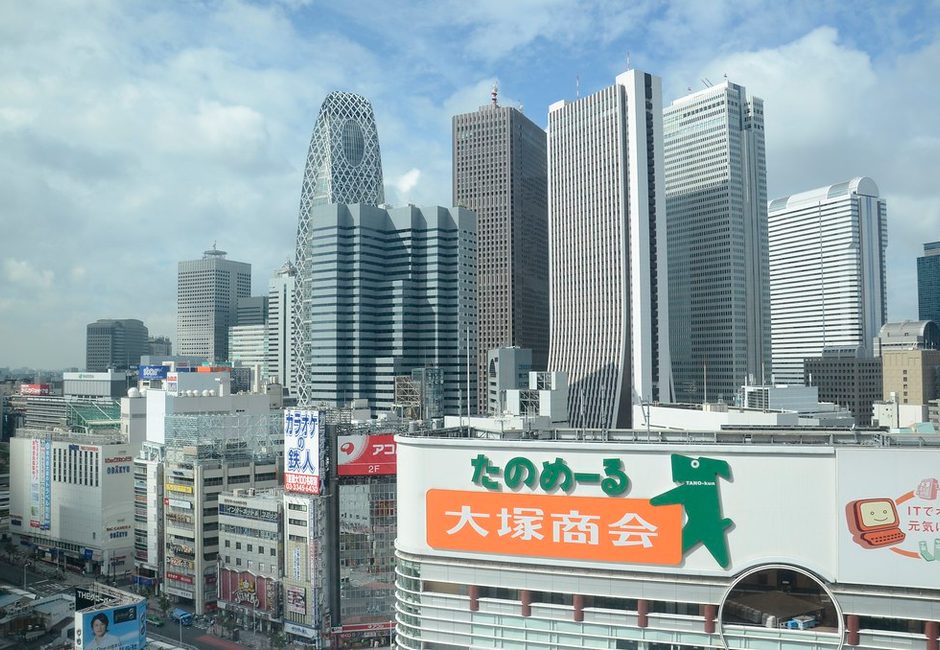
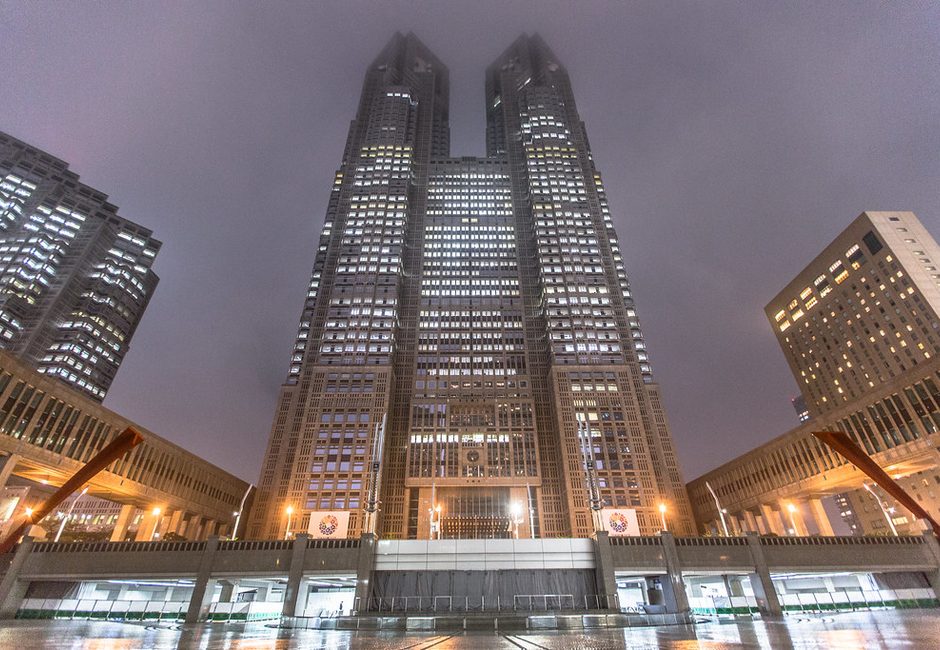
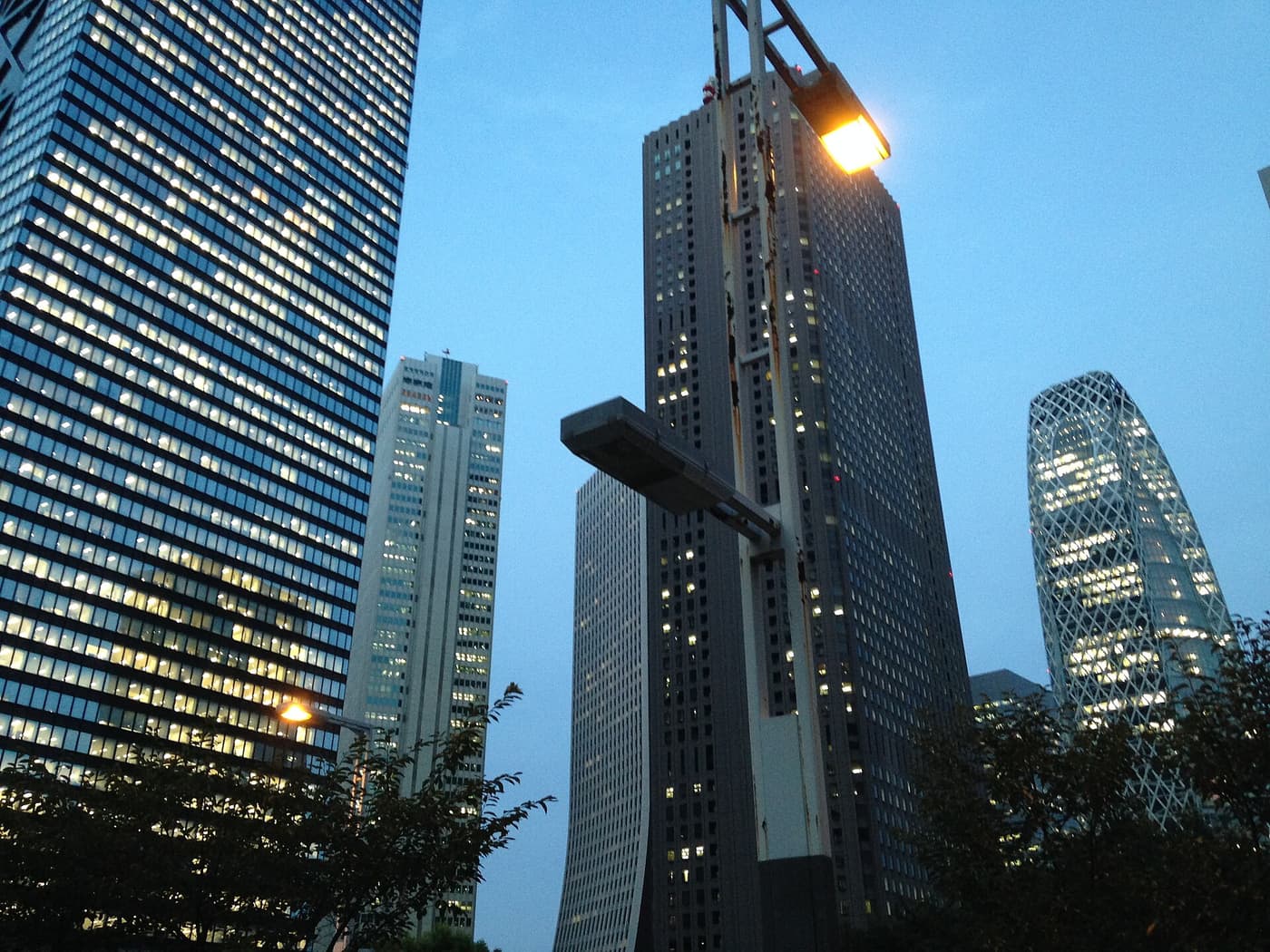
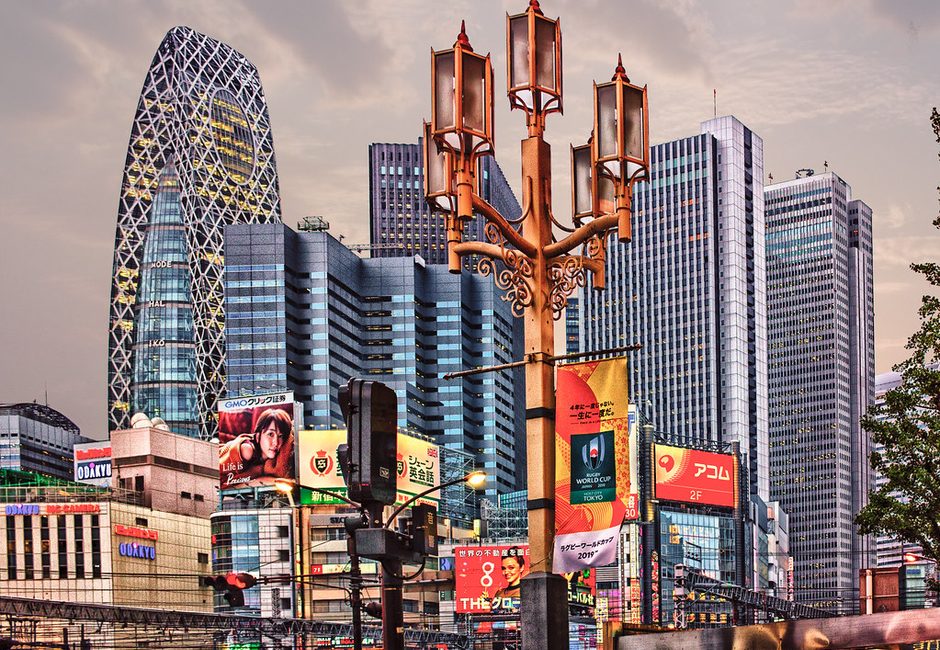
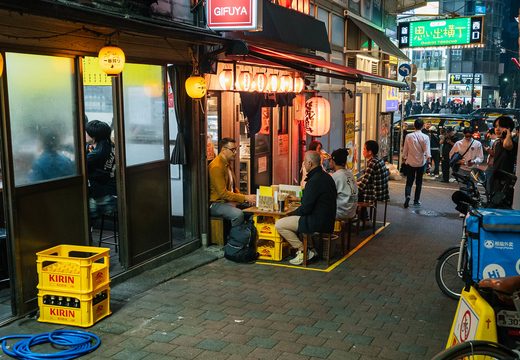
The west side is the part first-timers get wrong. Nishi-Shinjuku, west of the tracks, is the skyscraper district: the big hotels (Keio Plaza, Hilton Tokyo, Hyatt Regency Tokyo, Park Hyatt Tokyo), the free observatory in the Tokyo Metropolitan Government Building, wide pavements and streets that empty once the office crowd goes home. Omoide Yokocho, the yakitori alley, sits against the tracks by the West Exit, so the atmosphere is there when you want it.
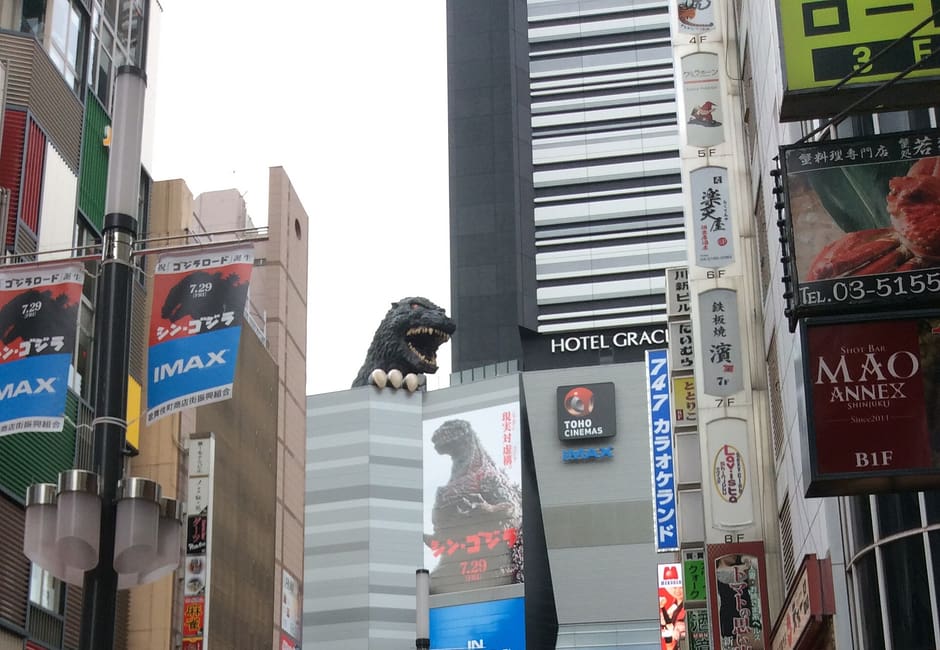
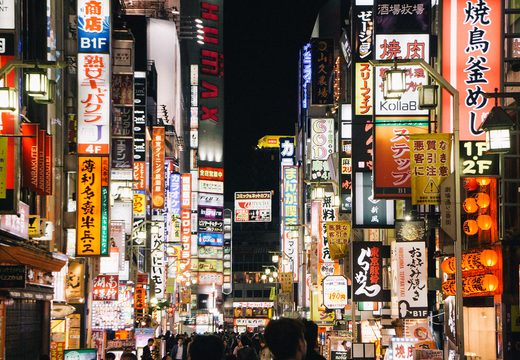
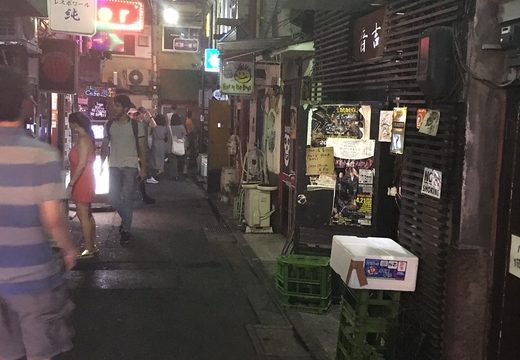
The east side is where Kabukicho and Golden Gai are, north-east of the East Exit. Kabukicho is the loudest few blocks in Tokyo and where the cheapest hotels are. It’s safe, and it’s a fine place to spend an evening, but it’s a poor place to try to sleep on your first jet-lagged night. Book west, walk east.
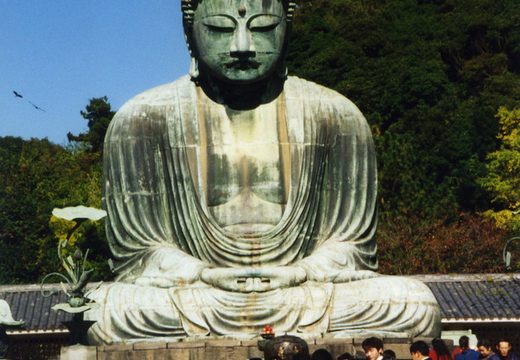
The other argument for Shinjuku is the day trips. The Odakyu Romancecar to Hakone and the Keio Line to Mount Takao leave from the station itself, Shonan-Shinjuku Line trains reach Kamakura, and a through limited express runs to Nikko. The Shinjuku neighbourhood guide has every pinned place, a good start for the first evening.
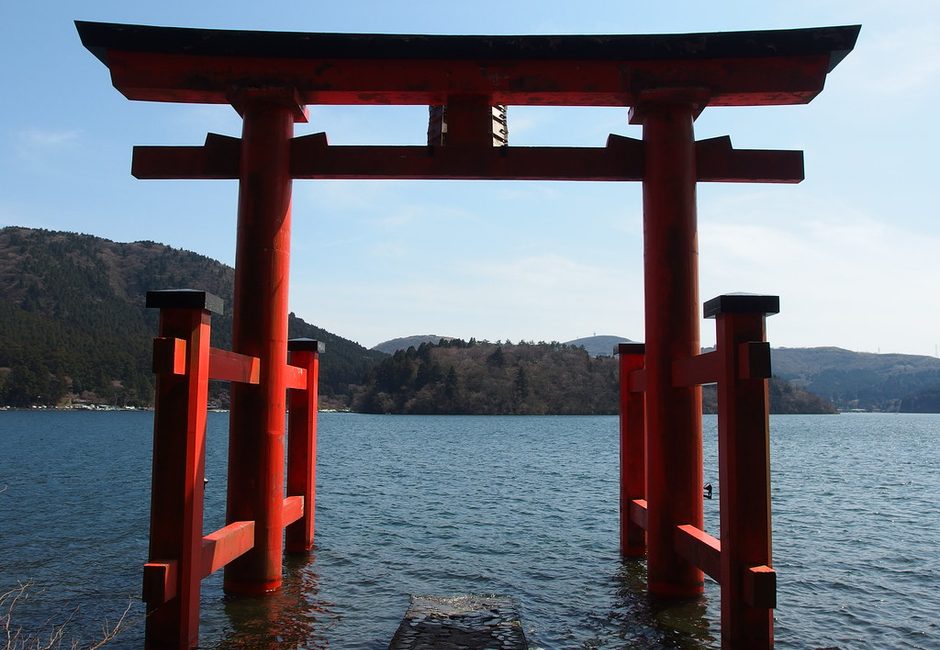
Asakusa: The Atmosphere Alternative
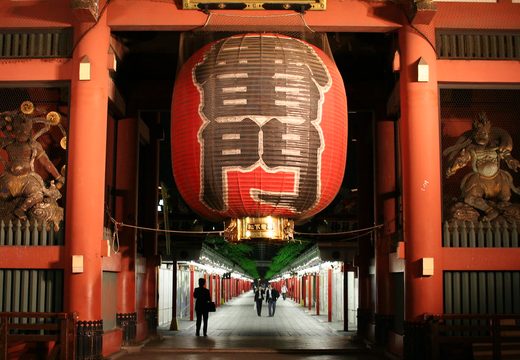
If your picture of Tokyo is Senso-ji at dawn, tatami rooms and streets that go quiet by 8pm, stay in Asakusa. It has a ryokan and the hostel supply the other hubs lack, and the Ginza Line runs from Asakusa to Ueno, Ginza and Shibuya without a change.
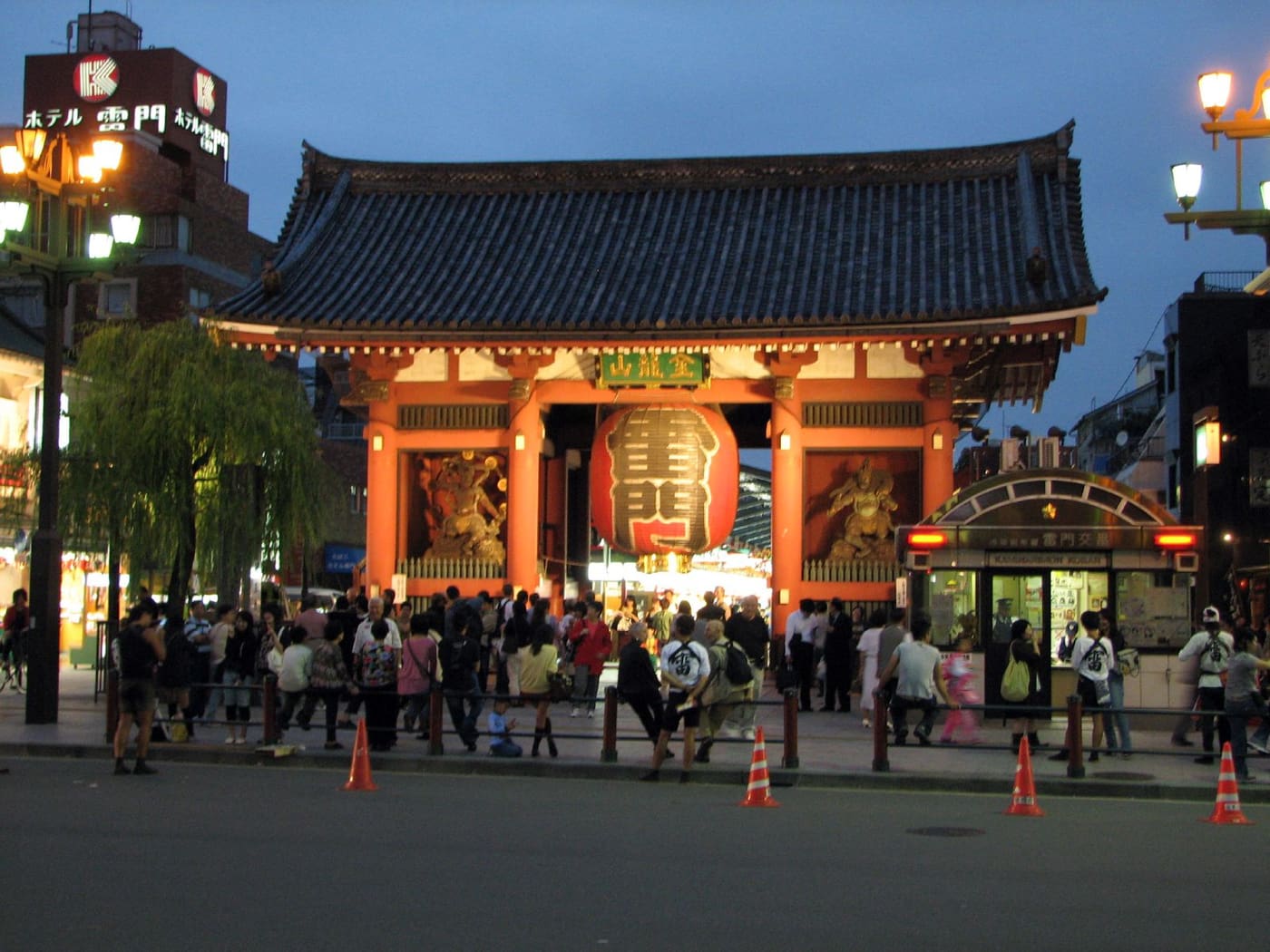
The catch is nightlife. Asakusa is done by 10pm except for Hoppy Street, and it’s on the opposite side of the city from Shibuya, Shimokitazawa and Nakameguro. If those are on your list every evening, Asakusa is the wrong base. The Asakusa hotel guide covers the ryokan and the hostels, the ryokan guide explains what a ryokan night involves, and Asakusa vs Ueno settles the east-side choice.
Shibuya: For Short Trips Only
Shibuya is the obvious choice and, for two or three nights, a good one. The crossing, Shibuya Sky, Harajuku and Meiji Shrine are all on foot, the Yamanote Line and the Ginza Line reach everywhere else, and no evening goes to waste.
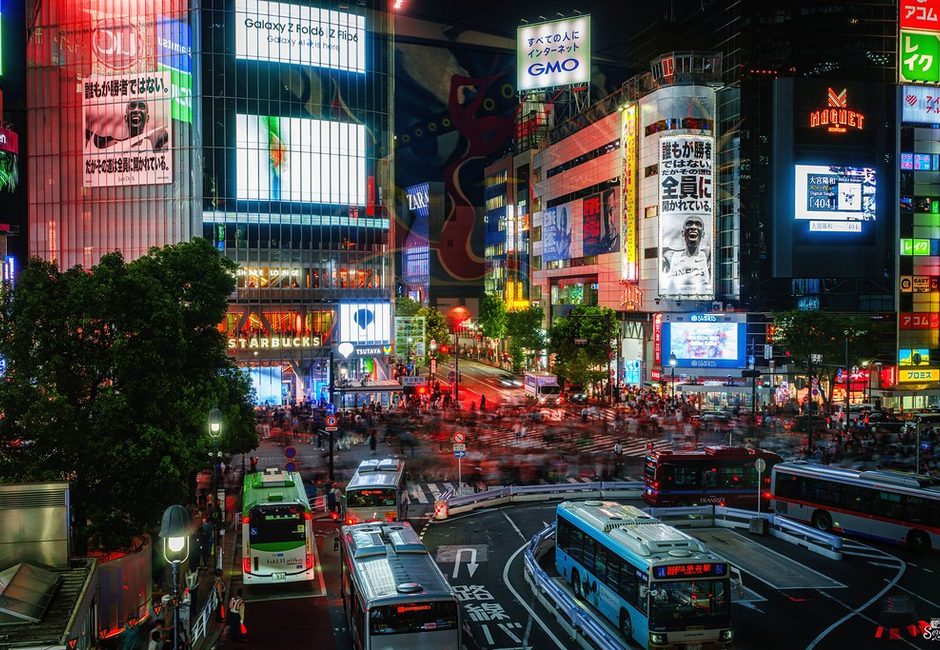
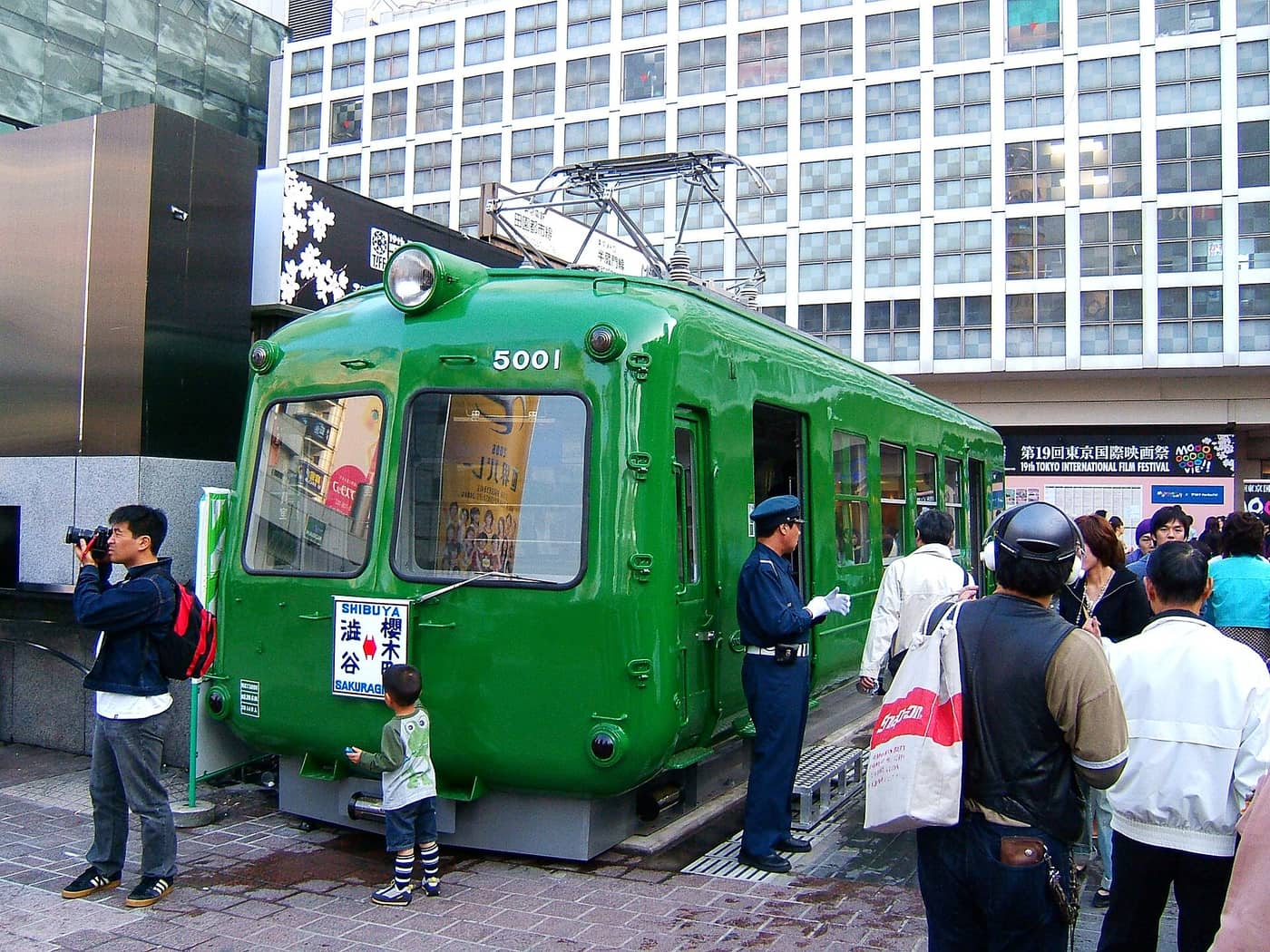
On a longer trip the price gets in the way. Shibuya’s median was US$272 in the index sampled on 20 October 2026, against US$213 in Shinjuku for the same dates, and the rooms aren’t bigger for it. Shibuya at night is also somewhere people commute to rather than live in, so a week there is a week of crowds. The Shibuya hotel guide names the properties, and the Shinjuku vs Shibuya comparison takes a position.
The Neighbourhoods to Visit, Not Sleep In
These are the areas every guide, including this one, wants you to love. They have almost no hotel supply, and pretending otherwise sends first-timers into a booking dead end. Spend your evenings here and sleep in Shinjuku.
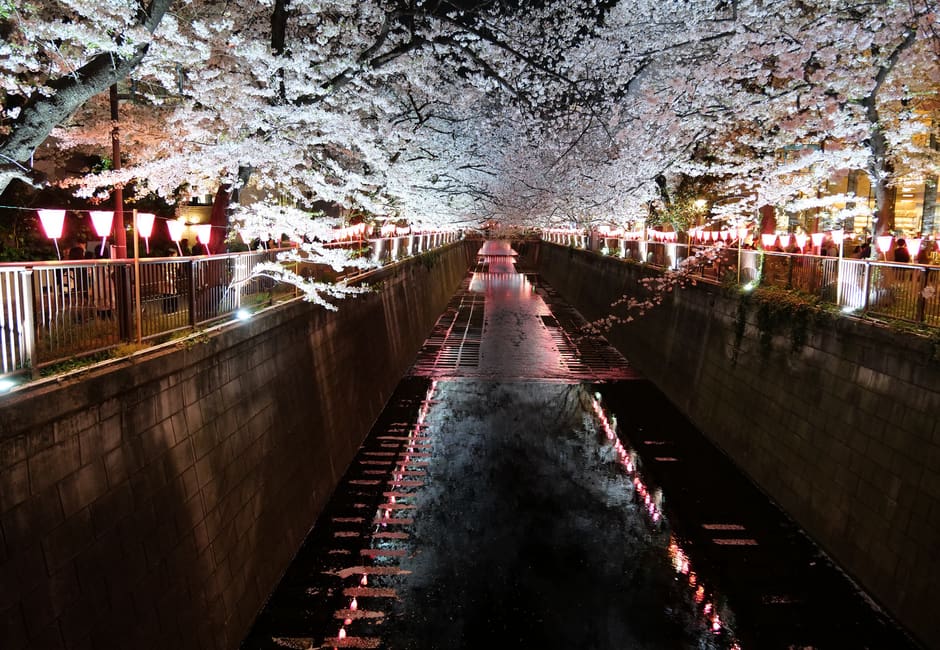
Nakameguro. The canal, the riverside dining, the canal bars and cherry blossoms at night in early April. The index found only 92 hotel listings here in the latest sample. It’s on the Tokyu Toyoko Line from Shibuya, or an easy walk down from the crossing through Daikanyama. The Nakameguro guide has everything else.
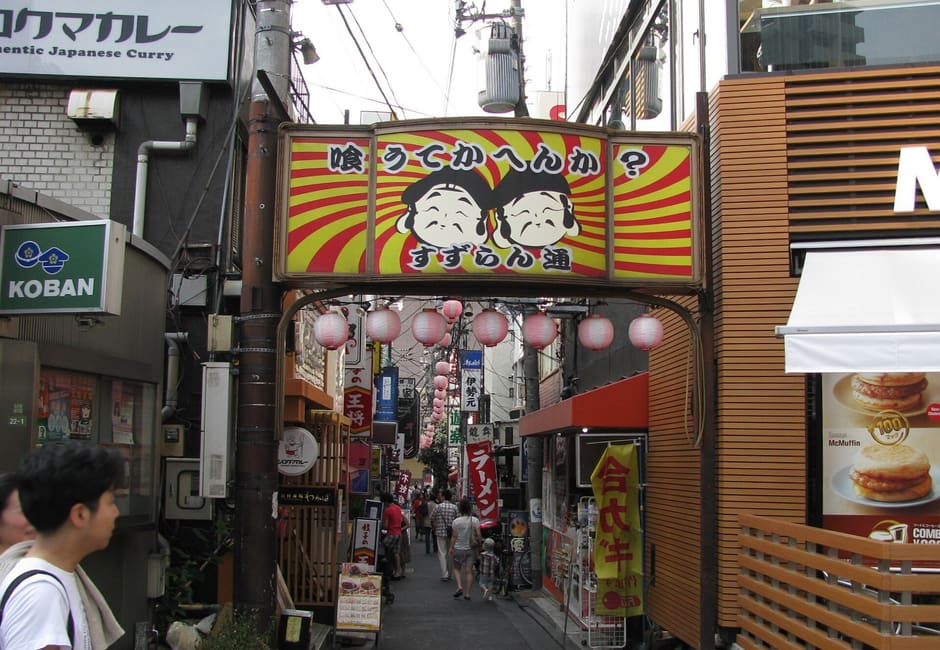
Shimokitazawa. Vintage shops, small theatres, live music and curry row. About eight minutes from Shinjuku on an Odakyu express, and the streets make no sense the first time, which is the charm. The index sampled only 38 listings. Read the Shimokitazawa guide and treat it as a day out rather than a base.
Sangenjaya. The Sankaku Chitai, a triangle of alleys full of standing bars and tiny counters beside the station, is one of the best nights out in west Tokyo. It’s on the Tokyu Den-en-toshi Line from Shibuya, not on any line from Shinjuku, and it has very few hotels. Go for the evening.
Hatagaya and Sasazuka are the exception that works as a base. A few minutes west of Shinjuku on the Keio lines, they’re Daniel’s own Tokyo neighbourhoods, and unlike the three above they have hotel supply: 65 listings in Hatagaya (median US$185) and 40 in Sasazuka (median US$201) in the index of 20 October 2026. The Hatagaya guide and the Sasazuka guide cover them.
Practical First-Timer Notes
When to book. For cherry blossom season in late March and early April, Golden Week at the end of April, November foliage and the New Year fortnight, book as soon as your dates are fixed and go for a cancellable rate. Outside those windows, a month ahead is fine in Shinjuku, and the price index shows each week how the medians are moving.
Book with dates, not by name. The map’s Search this area button quotes live nightly rates for your dates in whichever neighbourhood you’re looking at, and a hotel that’s a bargain in October can be the priciest on the block in April.
Suica or Pasmo. Buy one at the airport or add it to your phone. It works on every train and bus in the city and at most convenience stores, and it ends the ticket-machine problem before it starts.
Arrival time. A morning or early-afternoon landing gives you time to reach the hotel, walk the block, eat and go to bed at a sensible hour. A midnight landing means a taxi and a lost first day.
Room size. A 15-square-metre room is normal in a Tokyo business hotel. If that’ll bother you, book one of the west-side towers in Shinjuku or an apartment-style hotel, and check the floor plan before you pay.
Related Reading
- Where to Stay in Tokyo: every area compared
- Where to Stay in Shinjuku
- Best Hotels in Shibuya
- Shinjuku vs Shibuya
Frequently Asked Questions
Is it cheaper to stay outside central Tokyo and take trains in?
A little, and it’s rarely worth it on a first trip. Hatagaya and Sasazuka, a few minutes out, often price near or under Shinjuku itself, and going further out saves less than the time it costs. Stay central, and optimise on a return visit.
Is it safe to stay in any Tokyo neighbourhood?
Yes. Tokyo is among the safest large cities in the world, and walking back to the hotel alone at midnight is normal everywhere in this guide, Kabukicho included. Where you stay affects how tired you are far more than how safe you are.
Should you book accommodation before arriving?
Yes, always. Peak-season availability disappears months ahead and advance rates are lower. Use the map with your dates, compare the pins in Shinjuku and Asakusa, and book a cancellable rate if your plans might move.
Places in this guide
Photos show the actual places, licensed under Creative Commons and credited to their photographers.
Find hotels in Tokyo
Browse live availability and compare prices for your dates.
See hotels near Tokyo on Booking.comPrices are for the night of Saturday 24 October. You can change the dates on Booking.com. If you book, Roam Tokyo earns a small commission from Stay22 at no extra cost to you.