Harajuku
Teen fashion theatre next door to Tokyo's grandest shrine
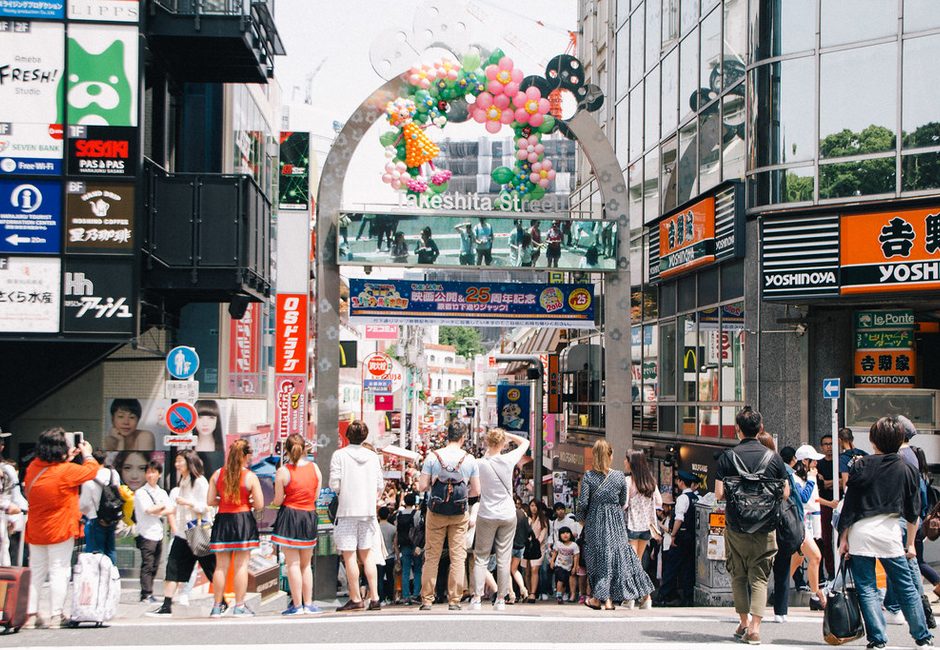
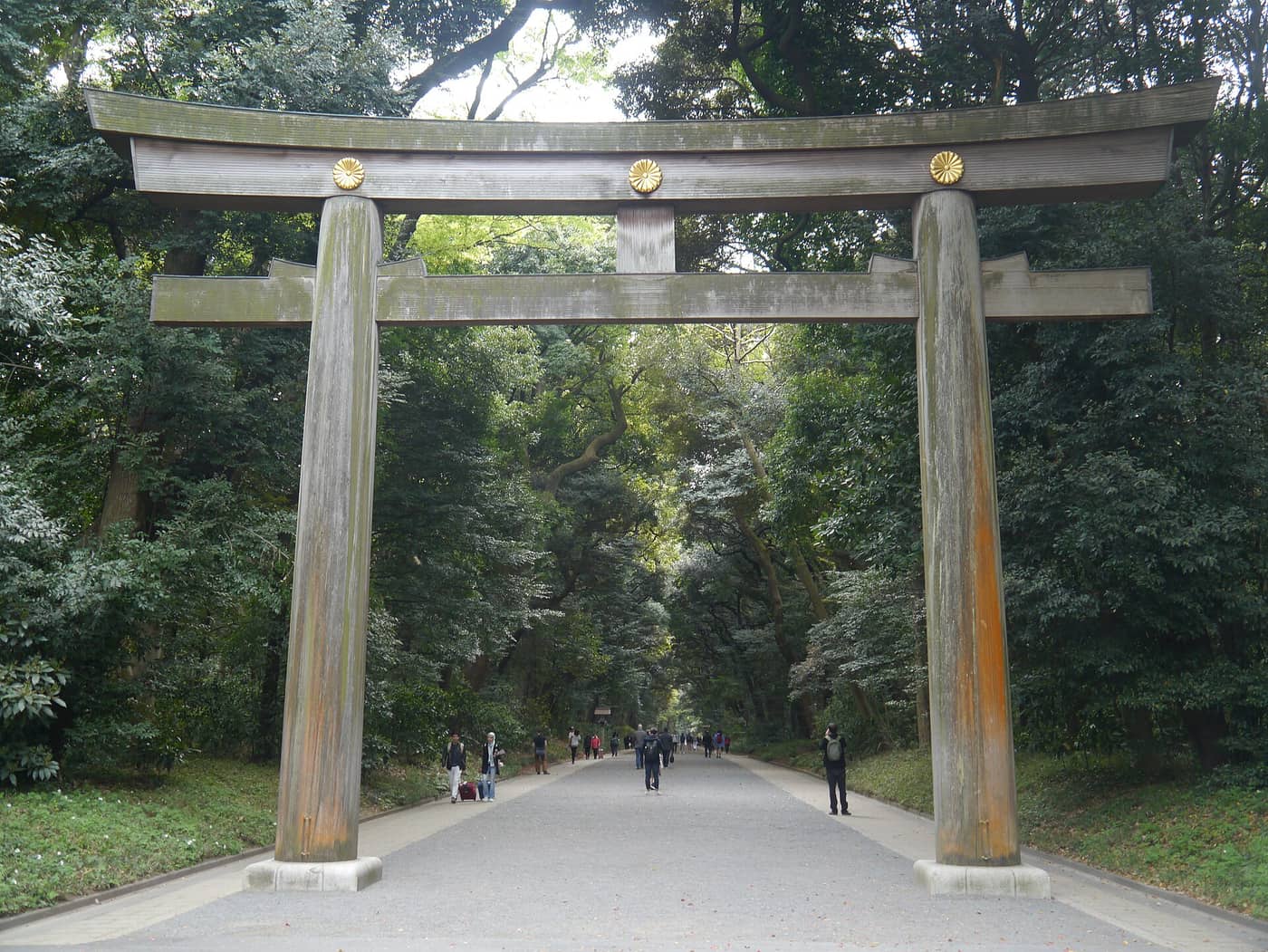
The jump cut is the whole point of Harajuku. Takeshita Street is loud and rammed with teenagers, and one block away Meiji Shrine sits inside a forest so quiet you'll hear the gravel under your feet. Do the shrine early in the morning, then watch the street wake up.
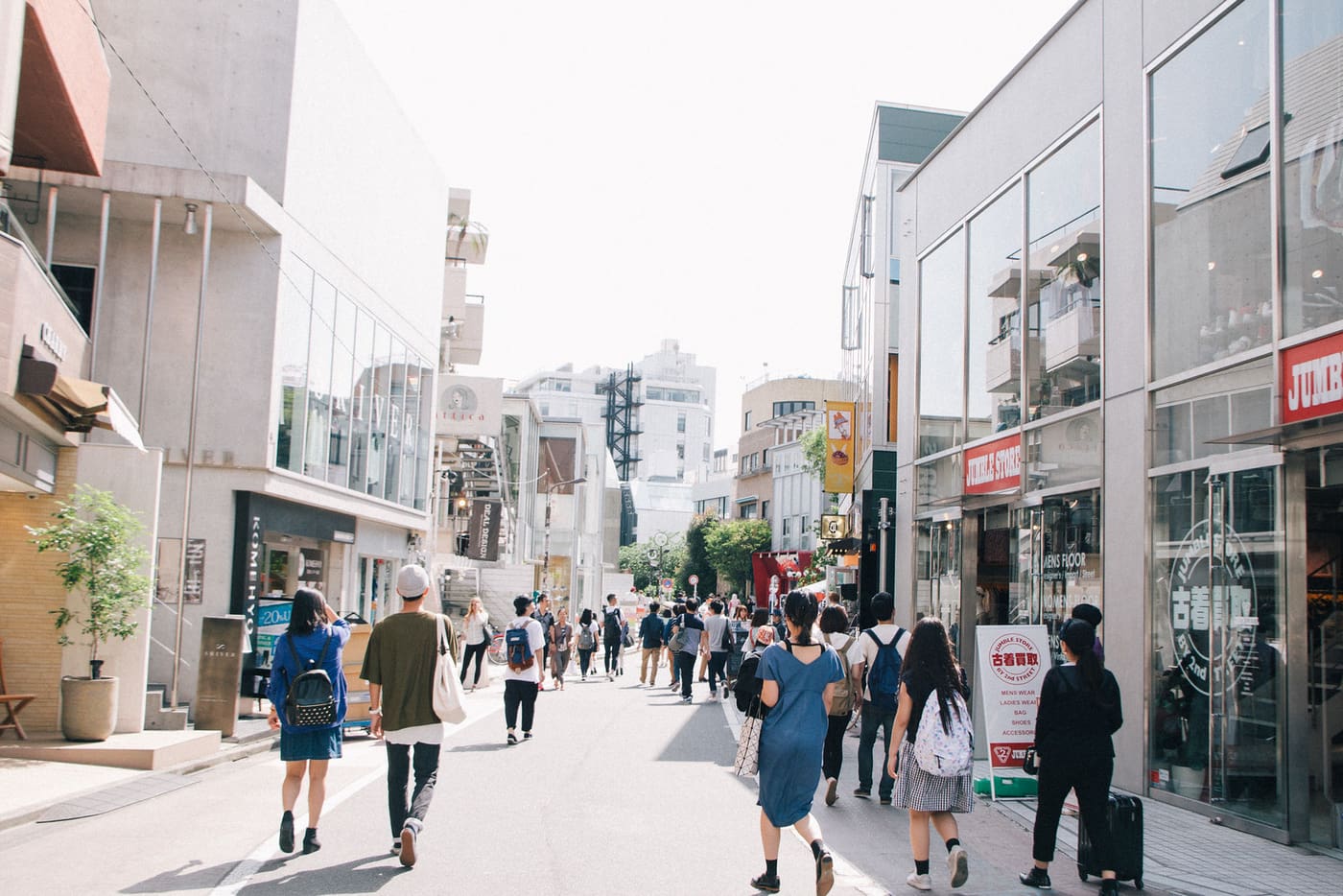
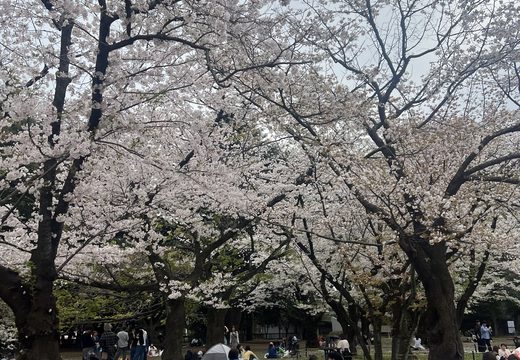
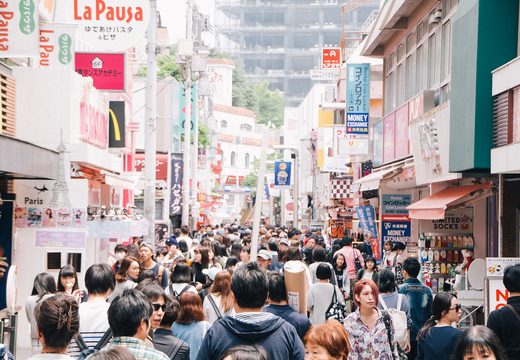
Harajuku is two worlds sharing a station. On one side, the gravel approach to Meiji Shrine runs through a forest of 100,000 trees that muffles the city so well you'll feel the change in your body. On the other, Takeshita Street packs teen fashion, crepe stands and pure sensory overload into 350 metres. Do both in one morning.
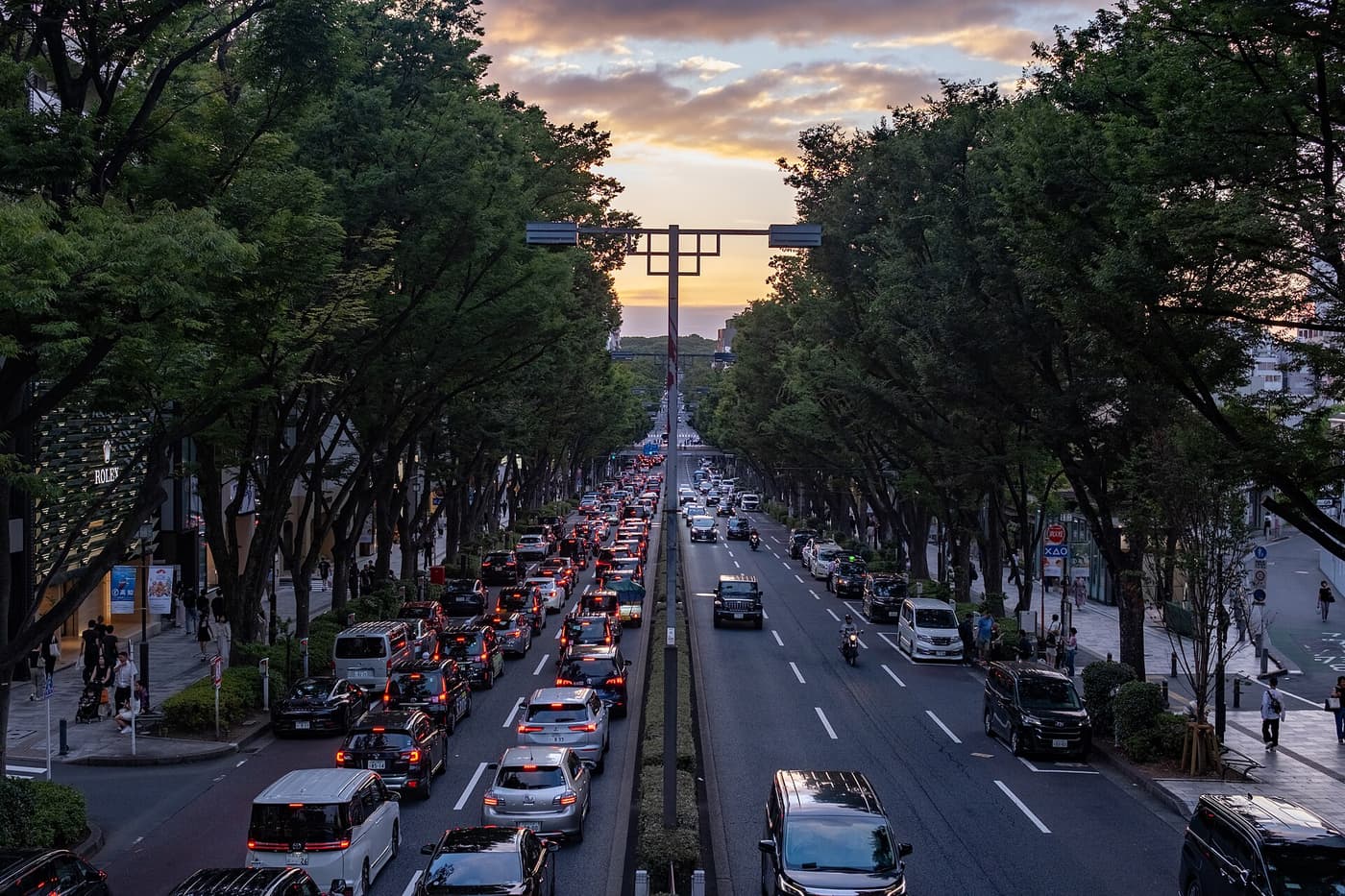
The smarter shopping has moved to the backstreets, Ura-Harajuku, between Omotesando's zelkova avenue and Cat Street's repurposed riverbed path toward Shibuya. Sunday morning is still the classic time. Do the shrine first while the crowds sleep in, then watch Takeshita wake up around eleven.
Harajuku in photos
Getting there
JR Yamanote to Harajuku, or Chiyoda/Fukutoshin lines to Meiji-jingumae. The rebuilt station sits right between the shrine entrance and Takeshita Street.
What to see
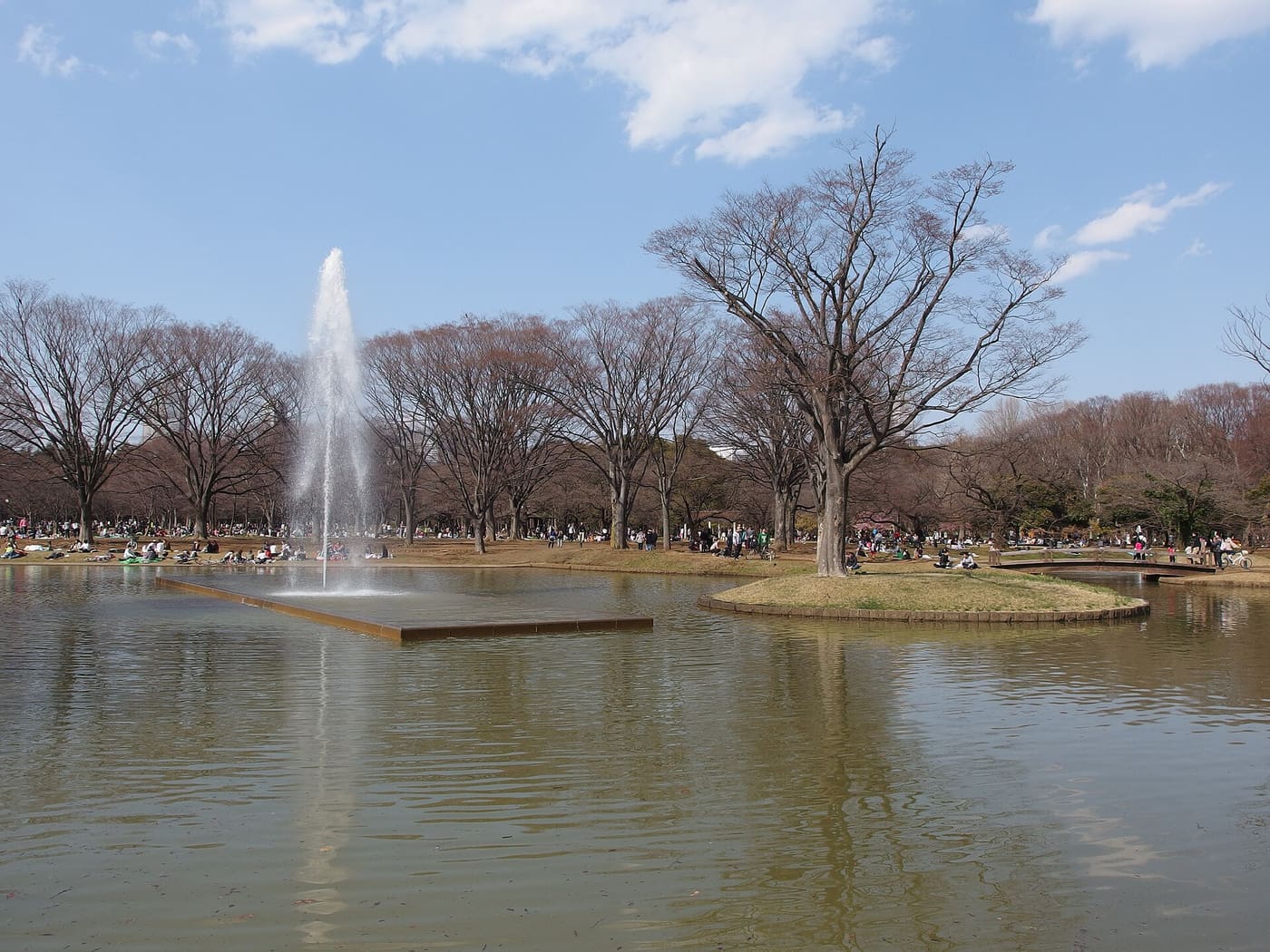
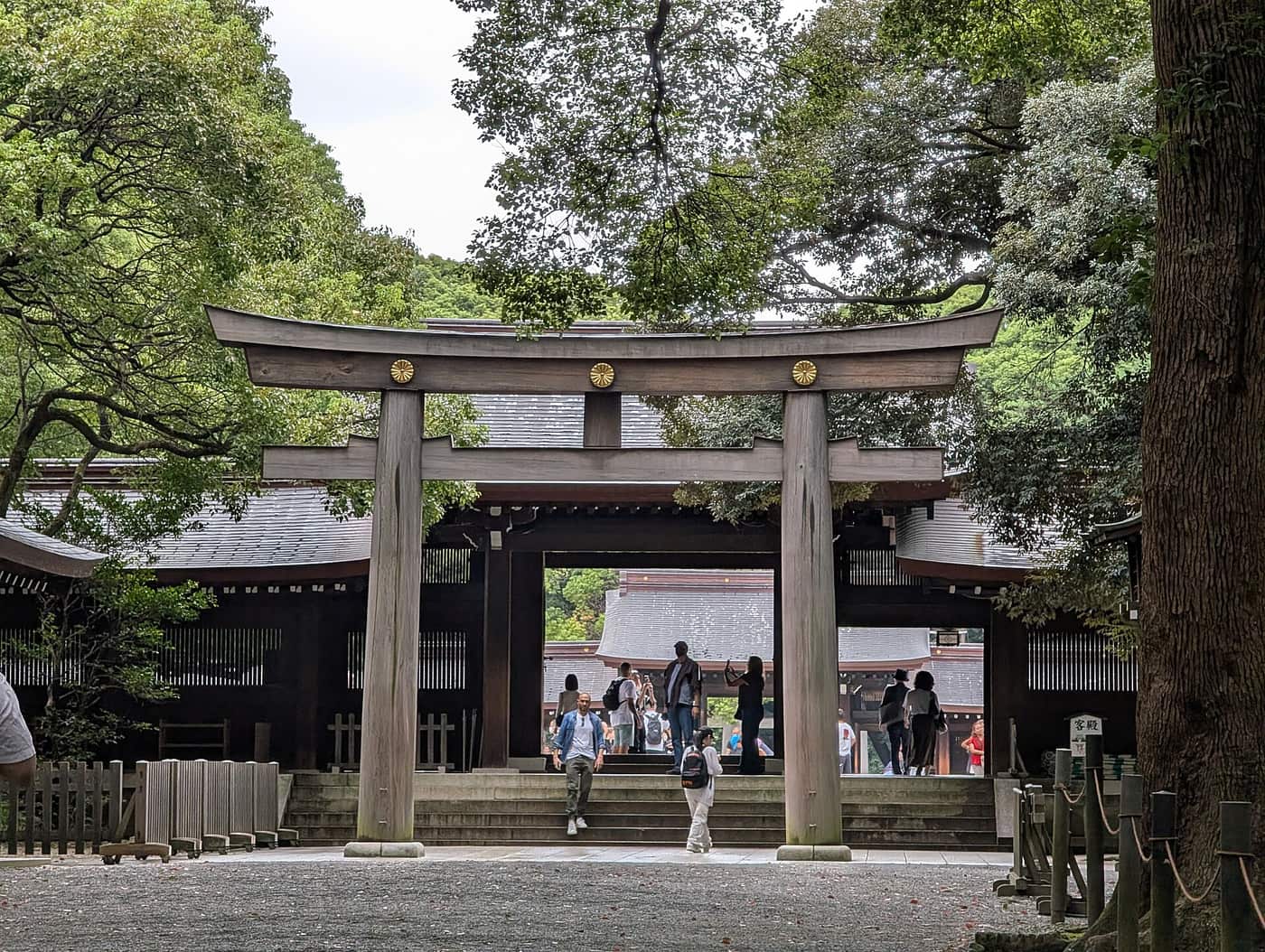
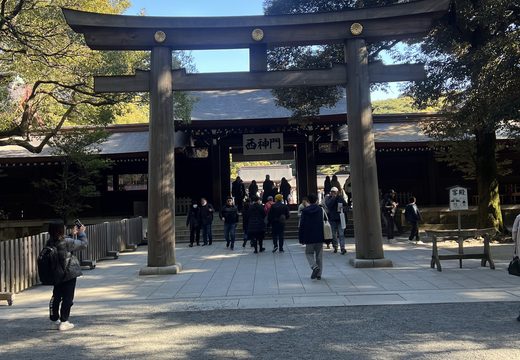
Meiji Shrine is the anchor, and the walk matters as much as the buildings. From the great torii beside Harajuku station, the gravel path curves through the forest for ten minutes before the inner gate appears, and on a weekday before nine the loudest sound is your own footsteps. The grounds are free. The inner garden costs 500 yen and earns it in June, when the irises flower. Yoyogi Park shares a fence with the shrine forest and it's the opposite in mood, a wide open lawn where Tokyo comes to play. The rockabilly dancers at the entrance on Sunday afternoons are the longest-running show in the area. Back across the tracks, Takeshita Street is the sight everyone photographs, 350 metres of crepe stands and maximalist fashion. It counts as seeing even if you don't buy anything.
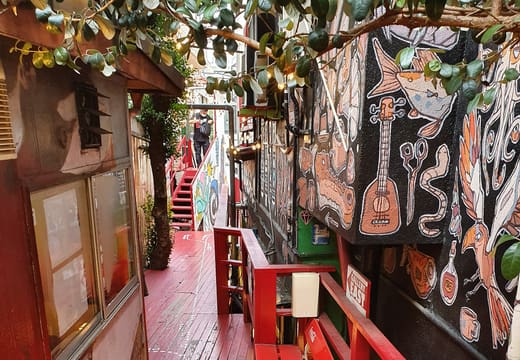
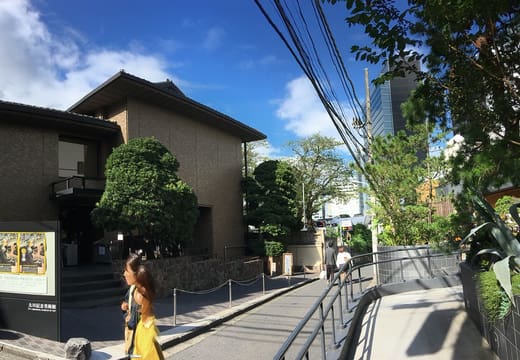
Two small museums are worth the detour. Ota Memorial Museum of Art, behind Laforet, rotates monthly shows from a 14,000-print ukiyo-e collection that includes Hokusai and Hiroshige, and it's the calmest room within a minute of Takeshita. Design Festa Gallery, in the backstreets toward Cat Street, is a graffiti-covered warren of rentable walls. The show changes every visit and it's free to get in. Between them, Omotesando's zelkova avenue and the lanes of Ura-Harajuku supply the architecture and the window displays.
Where to eat and drink
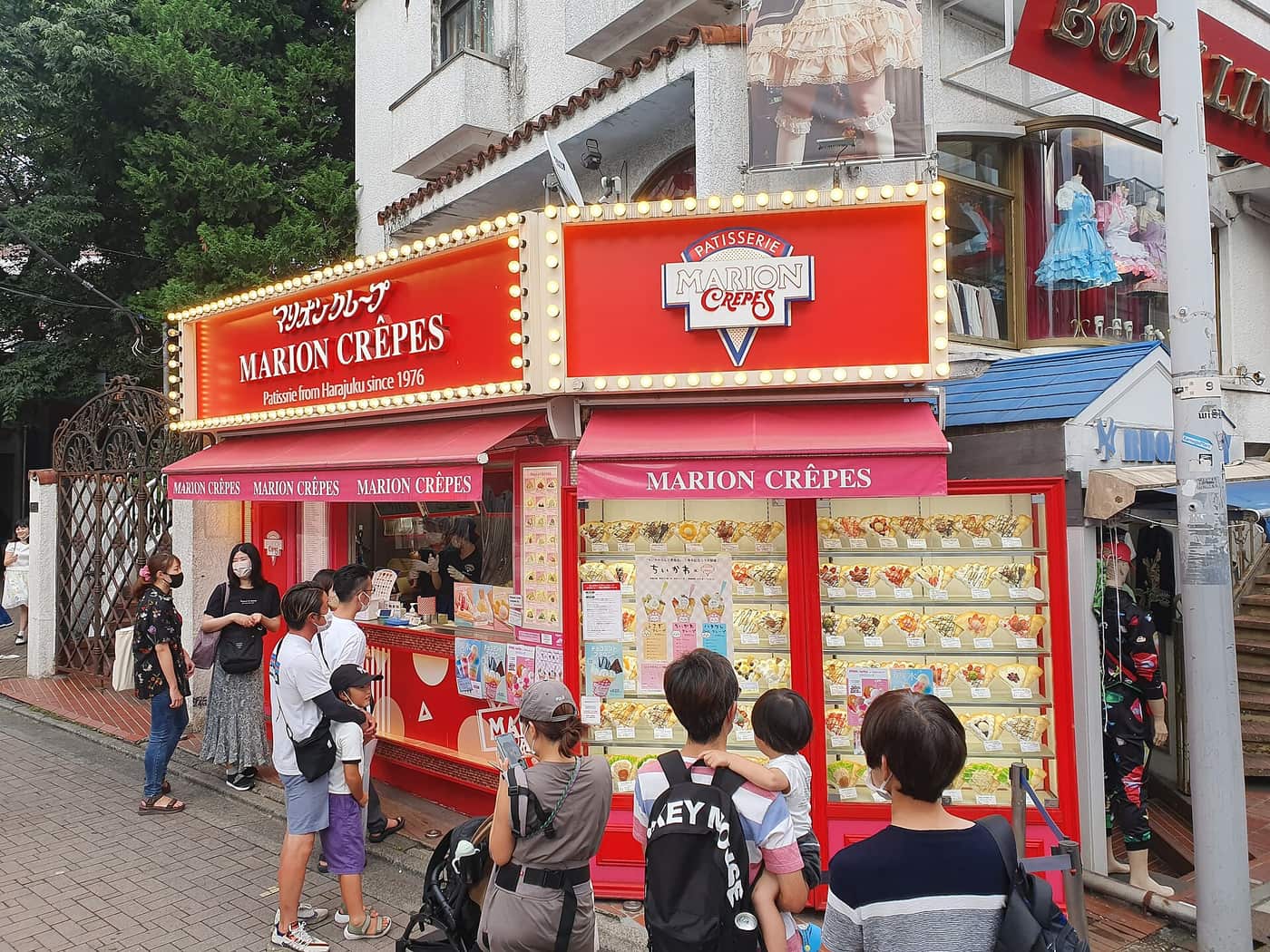
Harajuku isn't a place to settle in for a long meal. You eat on the move, and the food follows the crowd. Takeshita Street sets the tone with its crepe stands, the rainbow-wrapped cones of cream and fruit that have been the street's signature snack for decades. Buy one, eat it standing to the side, and treat it as the admission price for the spectacle. The serious value is a few minutes south near Cat Street at Harajuku Gyoza Lou, which has done exactly two things, fried and steamed gyoza, for over twenty years at around 300 yen for six. Order both with garlic and chives, add a beer, and go mid-afternoon if you don't want to queue. Sakuratei, the okonomiyaki restaurant attached to Design Festa Gallery, is the other institution, a cook-it-yourself hot plate place that fits the gallery's do-it-yourself spirit.
For coffee and somewhere calmer, the backstreets of Ura-Harajuku between Omotesando and Cat Street hold the neighbourhood's cafes, and Omotesando's avenue has the terrace tables. Harajuku doesn't have much nightlife of its own. When the shops close, either walk down Cat Street to Shibuya's bars or north past the park toward Tomigaya and Yoyogi-Uehara, both around fifteen minutes on foot.
Where to stay
Harajuku itself doesn't have many hotels. The neighbourhood is shops and shrine, with almost no beds in the middle of it, so the practical choices sit on its edges. The Omotesando end, toward Aoyama, has the design-led boutique hotels and serviced apartments, priced accordingly and well placed for the Ginza and Chiyoda lines. The Yoyogi side, north of the park around Sangubashi and Yoyogi stations, is residential and quieter, with mid-range hotels and rental apartments a short walk from the shrine's north entrance. Budget travellers usually stay one stop away in Shibuya or Shinjuku and ride the Yamanote in. Harajuku suits you if you want to be at Meiji Shrine before the crowds and in the backstreet boutiques when they open, and you don't mind going elsewhere for dinner.
How to do it in a day
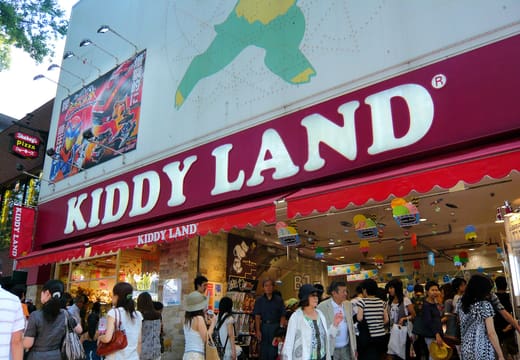
Enter Meiji Shrine through the great torii at Harajuku station by eight, walk the forest path to the main hall while the gravel is still being raked, and if the irises are out, pay for the inner garden. Leave by the north side into Yoyogi Park and cross the lawn, or if it's a Sunday, hang around the entrance for the rockabilly dancers. Back at the station around eleven, Takeshita Street will be waking up. Walk it top to bottom with a crepe in hand, then duck behind Laforet into Ota Memorial Museum of Art for the ukiyo-e and a break from the noise. Lunch is Harajuku Gyoza Lou near Cat Street, mid-afternoon if the queue is long. Spend the afternoon in the lanes of Ura-Harajuku and at Design Festa Gallery, then Kiddy Land Harajuku on Omotesando for the character floors before it gets shoulder-to-shoulder. As the shops shutter in the early evening, walk Cat Street downhill to Shibuya for dinner and the night.
Nearby neighbourhoods
The best of Harajuku
Things to do in Harajuku
What's on in Harajuku
Local events in the next 30 days, read from the ward, park and organiser pages each one links to.
earth garden Autumn Festival
24 to 25 Oct · Yoyogi Park, Event Plaza and outdoor stage
The autumn edition of the earth garden festival on the Event Plaza and outdoor stage at Yoyogi Park.
10:00 to 17:00 · Map · Source: Yoyogi Park (Tokyo Metropolitan Park Association) · アースガーデン "秋" 2026
Tokyo Night Market Food
On now, until 25 Oct · Yoyogi Park, Keyaki avenue
A five-day evening market on the Keyaki avenue by Yoyogi Park, run by its committee with earth garden.
16:00 to 22:00 (weekends from 14:00) · Map · Source: Yoyogi Park (Tokyo Metropolitan Park Association) · 東京ナイトマーケット
Discover Noh & Kyogen evening for visitors: Futari Bakama and Adachigahara Performance
Fri 30 Oct · National Noh Theatre
A Noh and kyogen introduction for visitors with Futari Bakama and Adachigahara. Subtitles in Japanese, English, Chinese, Korean, Spanish and French.
¥2,800 to ¥4,000 (students ¥1,600) · 18:30 · Map · Source: Japan Arts Council · 外国人のための能楽鑑賞教室 二人袴・安達原
Loy Krathong Festival Festival
31 Oct to 1 Nov · Yoyogi Park, Keyaki avenue
The sixth Loy Krathong festival of Thailand on the Keyaki avenue by Yoyogi Park.
11:00 to 18:00 · Map · Source: Yoyogi Park (Tokyo Metropolitan Park Association) · 第6回 ロイカトン フェスティバル
Tokyo Snow Festival: SNOWBANK PAY IT FORWARD Festival
31 Oct to 1 Nov · Yoyogi Park, Event Plaza and outdoor stage
A snow festival run by the SNOWBANK association on the Event Plaza and outdoor stage at Yoyogi Park.
09:30 to 19:00 (Sunday to 16:00) · Map · Source: Yoyogi Park (Tokyo Metropolitan Park Association) · 東京雪祭 SNOWBANK PAY IT FORWARD 2026
31 Oct to 1 Nov · Yoyogi Park, Keyaki avenue
The fifth Turkish food festival on the Keyaki avenue by Yoyogi Park.
11:00 to 18:00 · Map · Source: Yoyogi Park (Tokyo Metropolitan Park Association) · 第5回 トルコフード フェスティバル
Yoyogi Park Fountain Area Renewal Illumination
1 to 10 Nov · Yoyogi Park Area A
The renewed fountain area in Yoyogi Park shown with moving water and lighting at night.
Map · Source: ARTE TOKYO (Tokyo Metropolitan Government) · 代々木公園噴水エリアリニューアル
Cho Tamagotchi Festival (Tamagotchi 30th anniversary exhibition) Exhibition
7 Nov to 6 Dec · Tokyu Plaza Harajuku HARAKADO
A special Tamagotchi exhibition at Harakado for the toy's 30th anniversary, with a stamp rally and collaboration shops across Shibuya and Harajuku.
11:00 to 20:00 · Map · Source: Tamagotchi official site (たまごっち公式サイト) · 超たまごっち祭
Tokyo Great Bears vs Shinshu Matsumoto Tridents (SV.LEAGUE) Sports
Sat 14 Nov · Yoyogi National Gymnasium, Second Gymnasium
Tokyo Great Bears host Shinshu Matsumoto Tridents in a SV.LEAGUE Men game at Yoyogi National Gymnasium, Second Gymnasium.
14:05 · Map · Source: SV.LEAGUE · 東京GB vs 松本TD
Tokyo Shokuiku Fair Food
14 to 15 Nov · Zelkova Avenue, Yoyogi Park
A food education fair run by the Tokyo Metropolitan Government on the Zelkova Avenue in Yoyogi Park.
10:00 to 16:00 · Map · Source: Yoyogi Park (Tokyo Metropolitan Park Association) · 第18回 東京都 食育フェア
From the blog
Stay in Harajuku
Browse live availability and compare prices around the neighbourhood.
Median US$319 a night across 26 listings within 1.2 km for a two-night stay a month out, sampled 20 October 2026. Cheapest quarter under US$270. See the weekly index for every neighbourhood.
See hotels near Harajuku on Booking.comPrices are for the night of Saturday 24 October. You can change the dates on Booking.com. If you book, Roam Tokyo earns a small commission from Stay22 at no extra cost to you.