Roppongi
Art triangle by day, skyline views by night
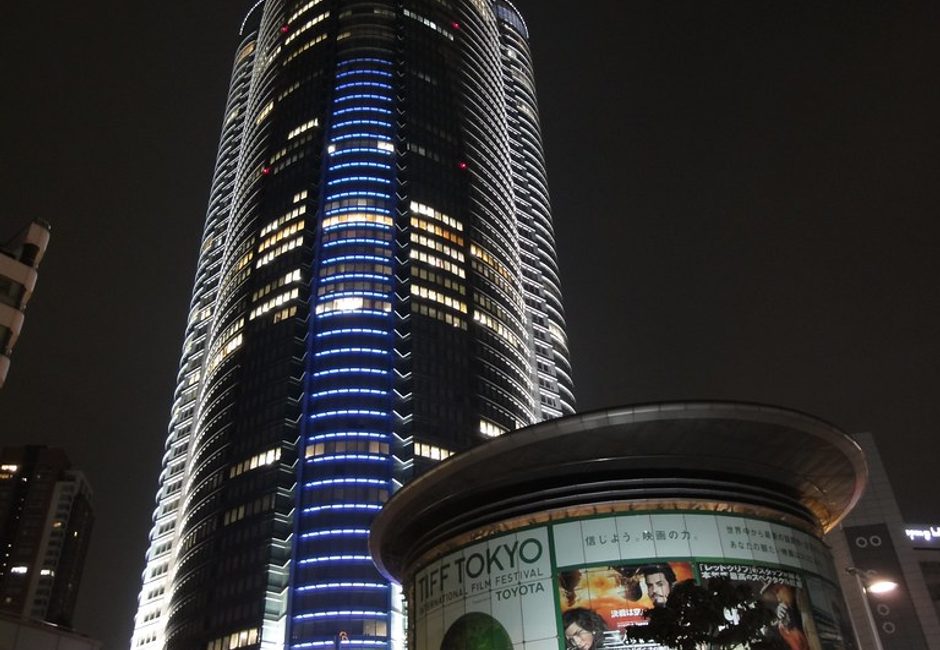
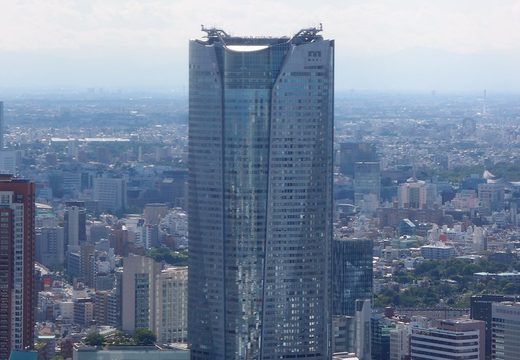
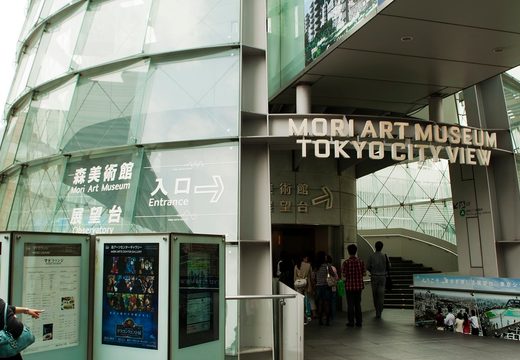
Roppongi is in Minato ward, in the middle of Tokyo, and its station is on the Hibiya and Oedo lines. Roppongi's nightlife reputation undersells it. Within a ten minute walk you've got the Mori Art Museum, 21_21 Design Sight and the National Art Center, and between them they make this the strongest art neighbourhood in Tokyo. Finish at the Mori Tower observation deck around sunset and the entry fee suddenly feels cheap.
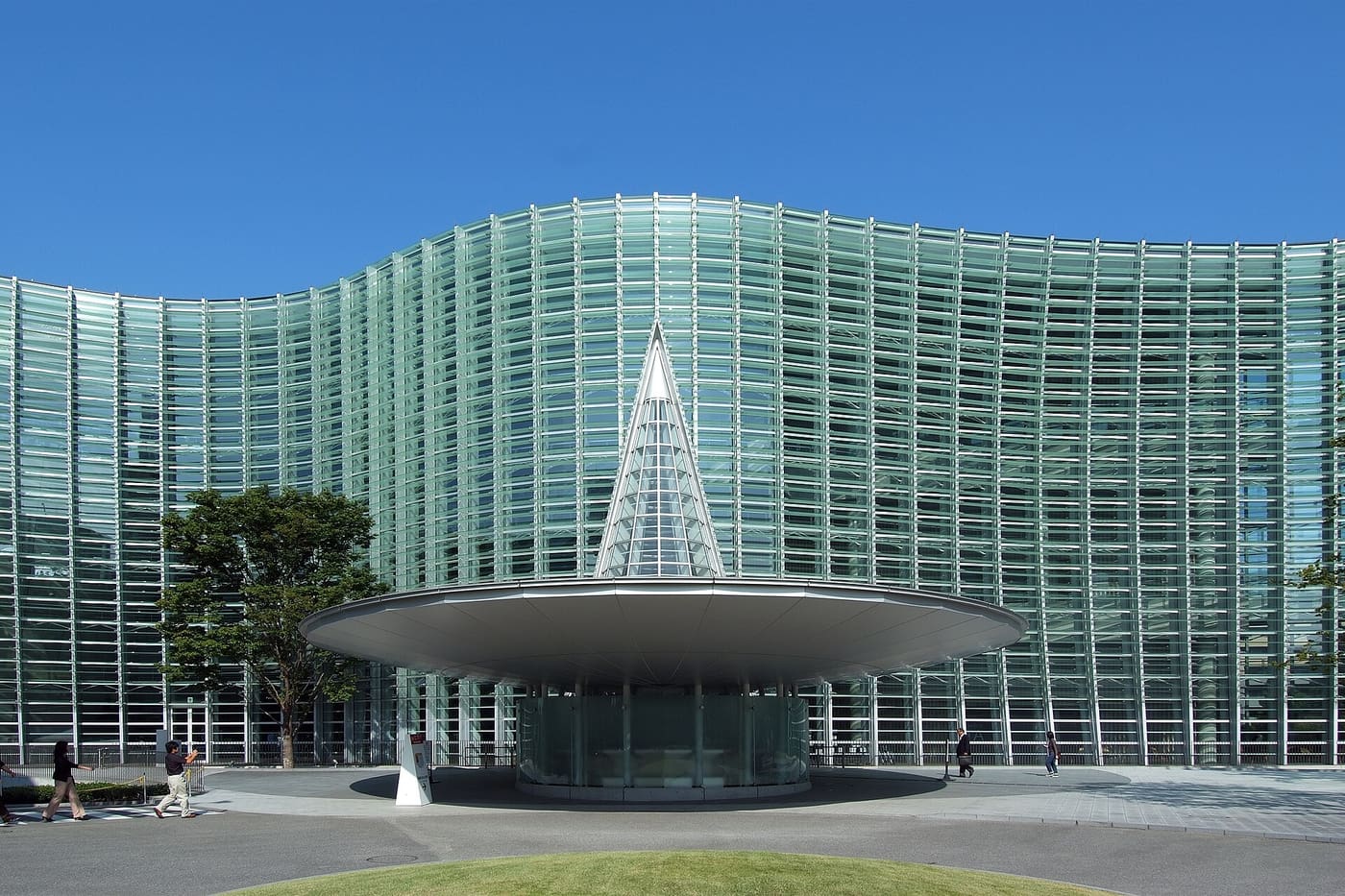
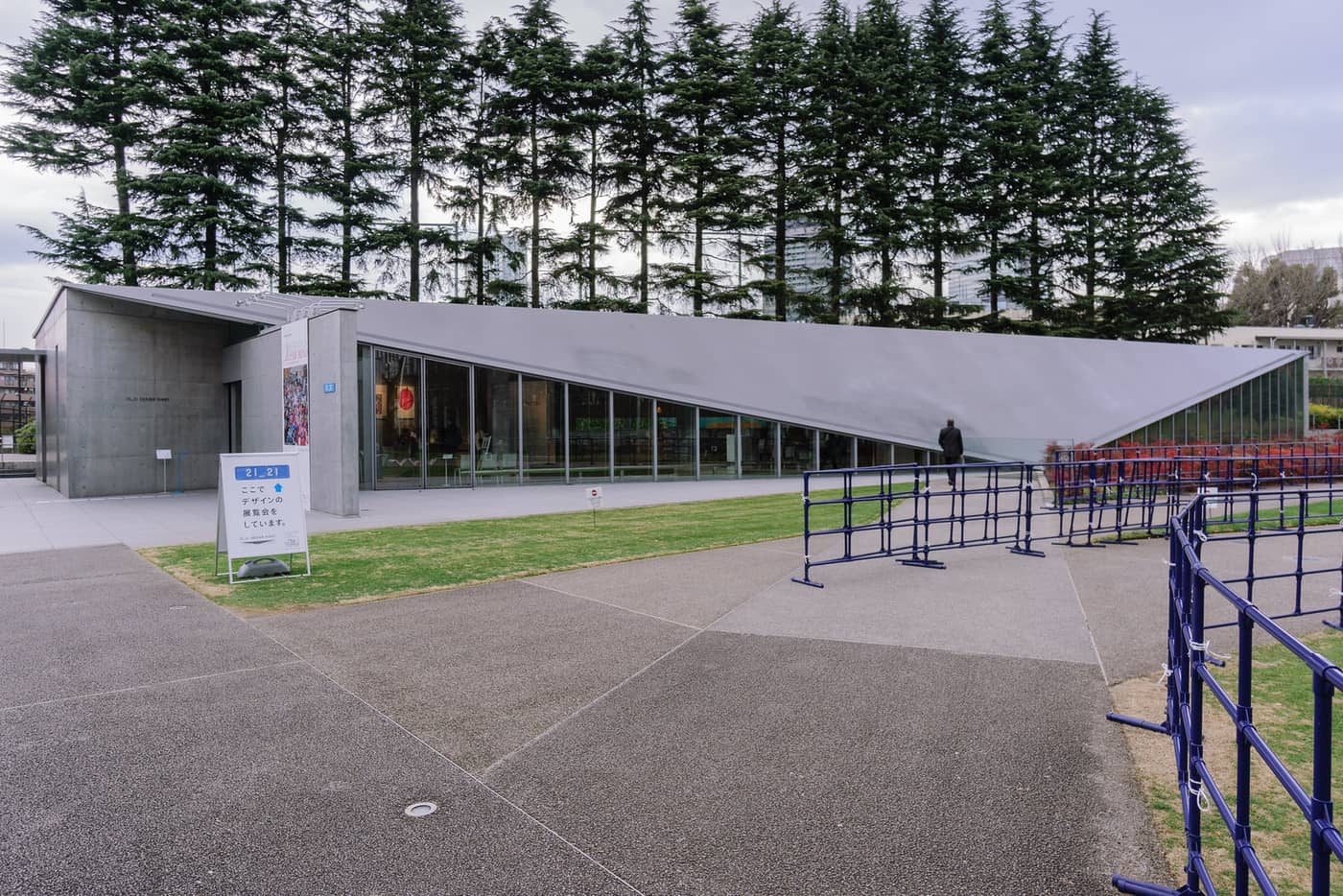
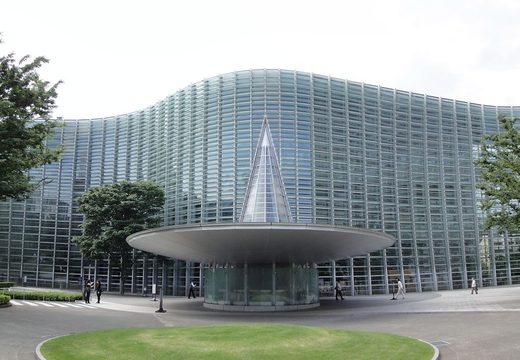
Roppongi rebuilt itself from a nightlife district with a rough reputation into Tokyo's serious art quarter. The Art Triangle (Mori Art Museum, the National Art Center's Kurokawa-designed glass wave, and the Suntory Museum in Midtown) sits within a fifteen-minute walk, and 21_21 Design Sight's concrete origami fills the design gap. You'll see more good museums in one afternoon here than most cities have in total.
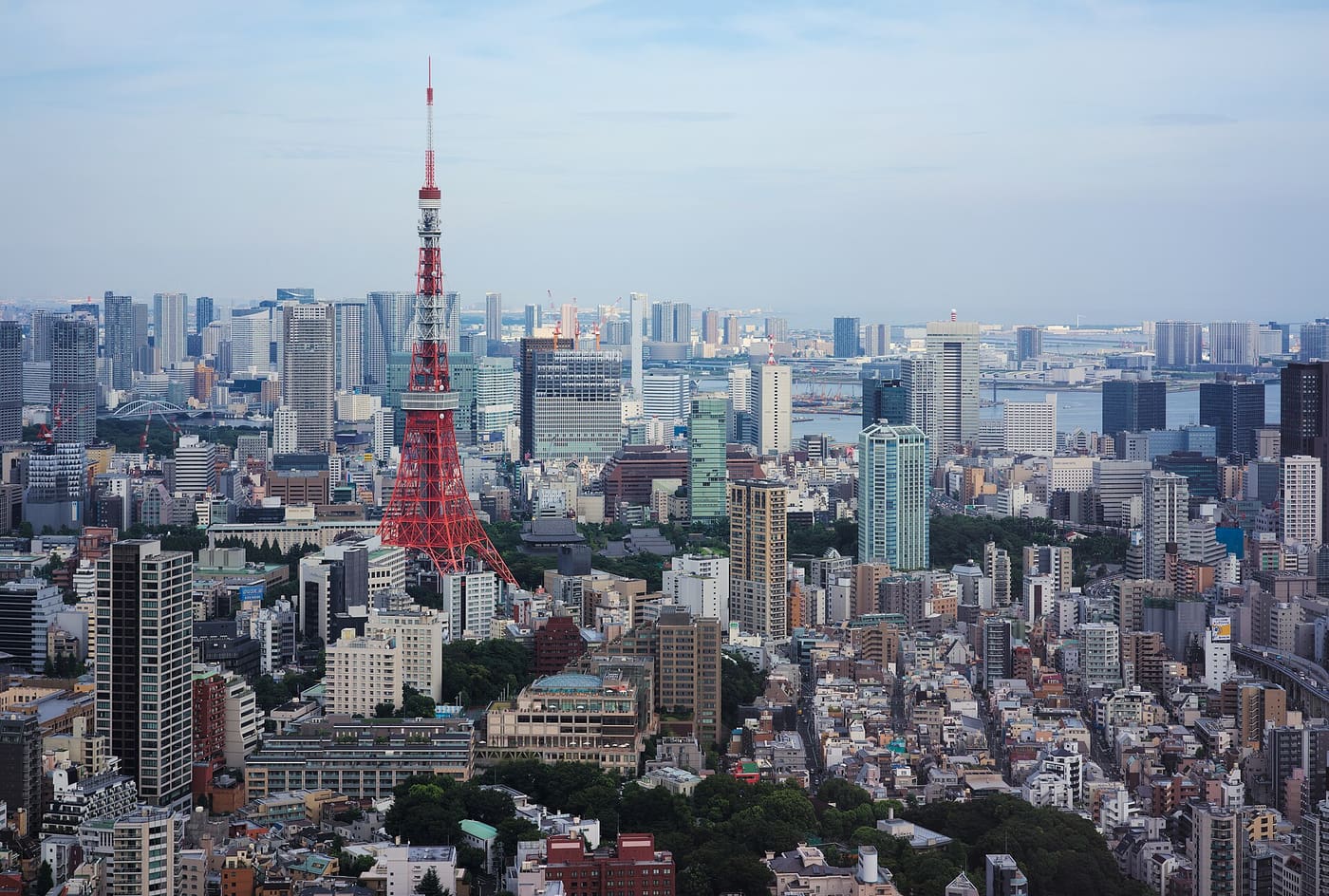
There's no better way to get a sense of Tokyo's scale than the Mori Tower's City View deck, with Tokyo Tower close enough to look like a model. Time it so the museums end at dusk and the view starts at golden hour, then head down into Azabu-Juban's backstreets for dinner rather than Roppongi's main drag.
Roppongi in photos
Getting there
Hibiya Line or Oedo Line to Roppongi. Hibiya Line exit 1C takes you straight into Roppongi Hills.
What to see
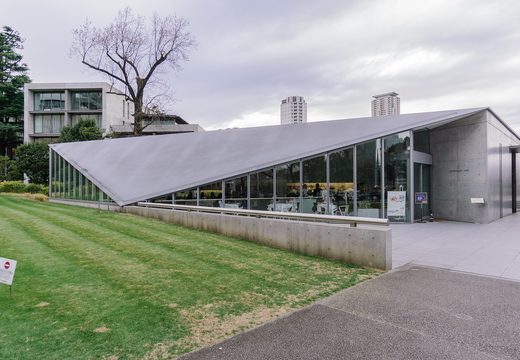
The four museums are the reason to come, and they reward a plan. Mori Art Museum on the 53rd floor of Roppongi Hills runs the big international contemporary shows, and it's open until 10pm every night except Tuesday (5pm), so save it for after dinner. The same ticket includes Tokyo City View on Roppongi Hills Mori Tower, and the outdoor Sky Deck is an extra-fee add-on that's worth it on a clear winter day. Ten minutes north across the Roppongi crossing, Tokyo Midtown holds two more. Suntory Museum of Art is Kengo Kuma's home for lacquer, ceramics, textiles and glass, and 21_21 Design Sight is Tadao Ando's half-buried gallery in the park behind, where the building alone justifies the walk.
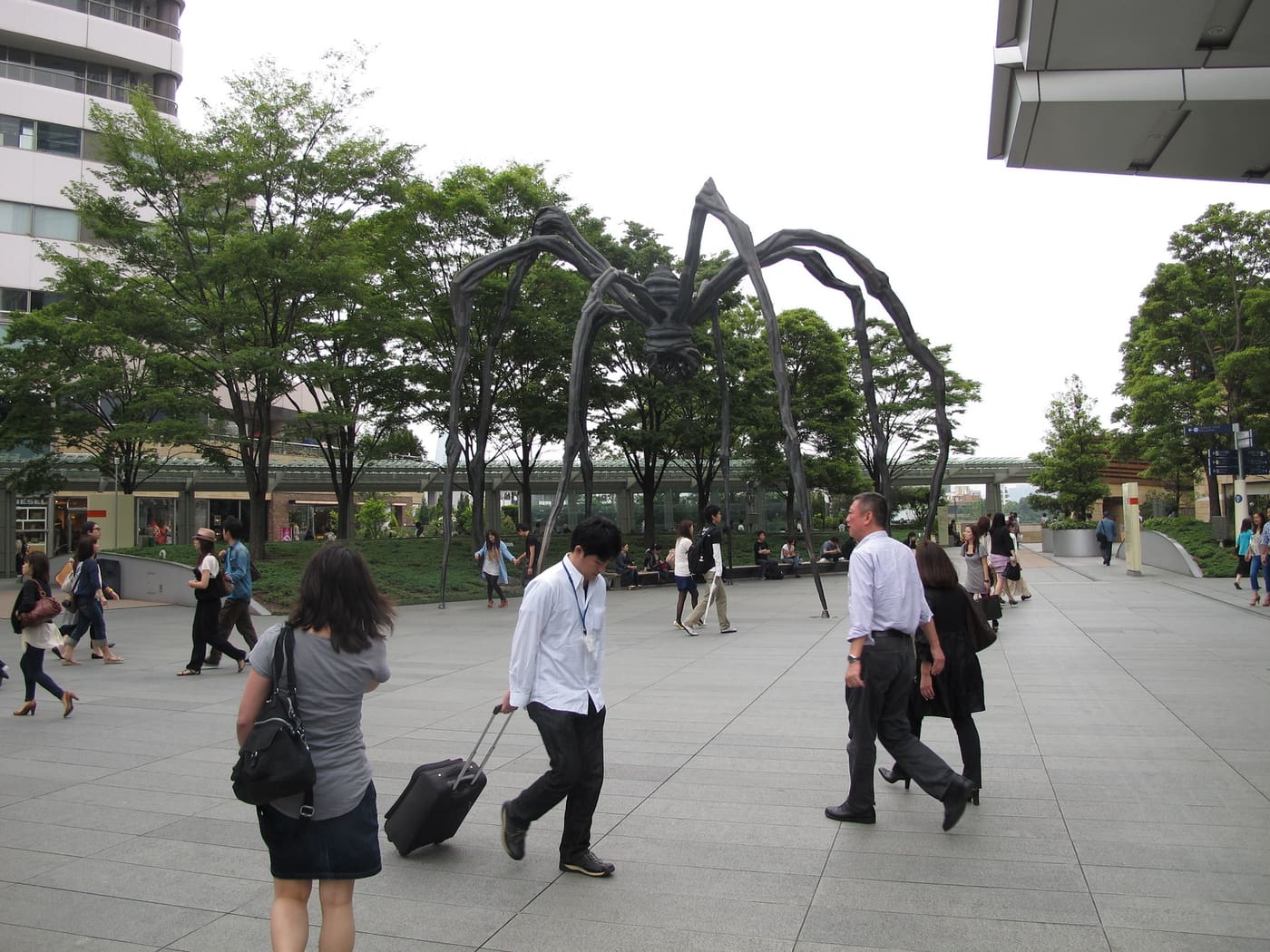
The National Art Center, by Nogizaka station, has no permanent collection, only a rolling programme of major exhibitions inside Kisho Kurokawa's rippling glass hall. It's free to enter the building, and you pay per show. Check the closing days, though. The National Art Center, Suntory Museum of Art and 21_21 Design Sight close on Tuesdays rather than Mondays, which makes Roppongi the reliable museum neighbourhood on a rainy Monday. Outside the galleries, the sights are the public art around Roppongi Hills, the Midtown garden, and Tokyo Tower rising over Azabu to the east.
Where to eat and drink
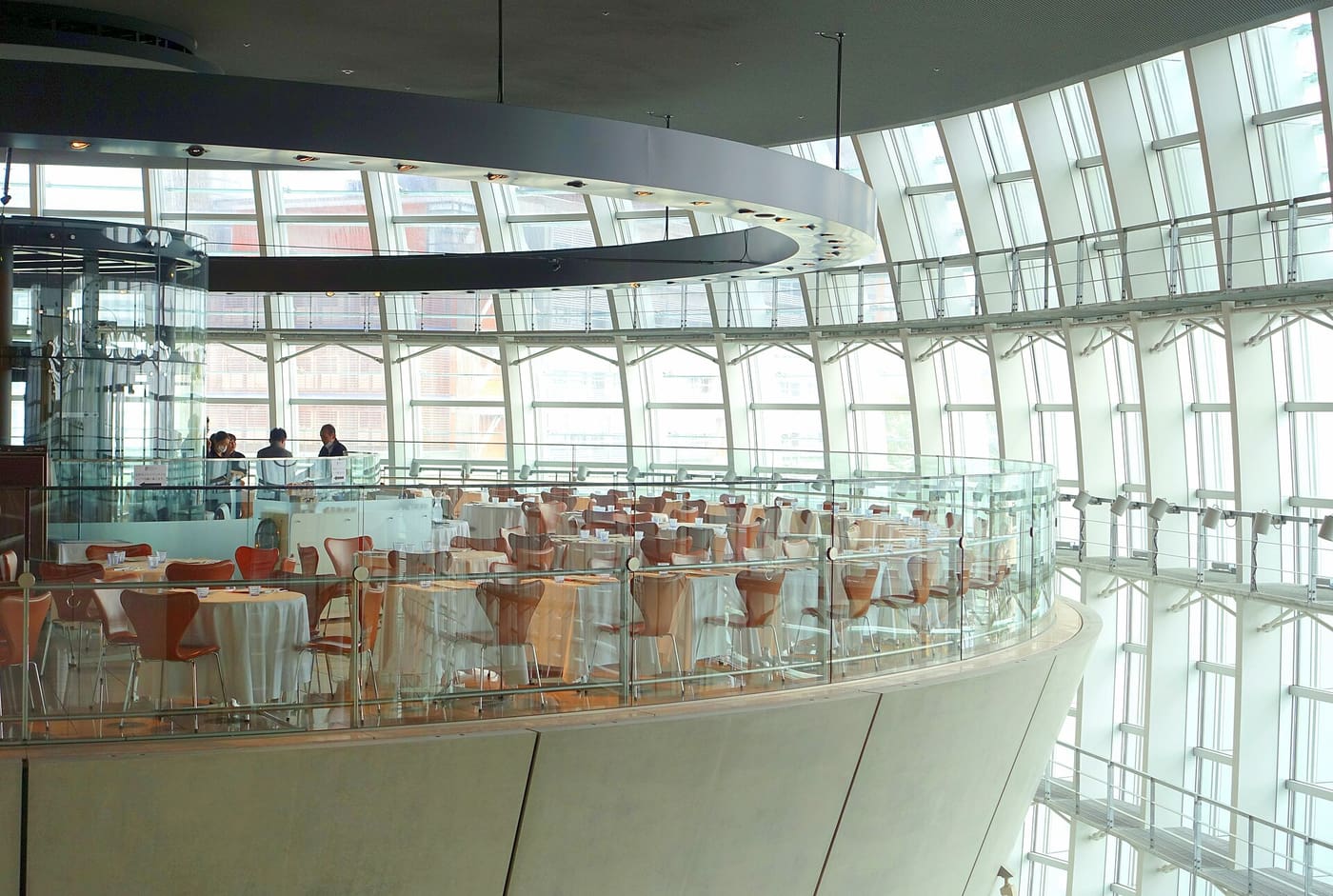
Roppongi eats at two speeds. The complexes handle daytime. Tokyo Midtown and Roppongi Hills both have floors of restaurants, cafes and food halls beneath the museums, and the cafe on top of the inverted concrete cone inside The National Art Center is the best rest stop on the art circuit. It's worth a coffee for the view of the atrium alone. The Mori Art Museum doesn't close until late, so dinner can come before the art, and the restaurants around the Keyakizaka slope at Roppongi Hills stay open to match.
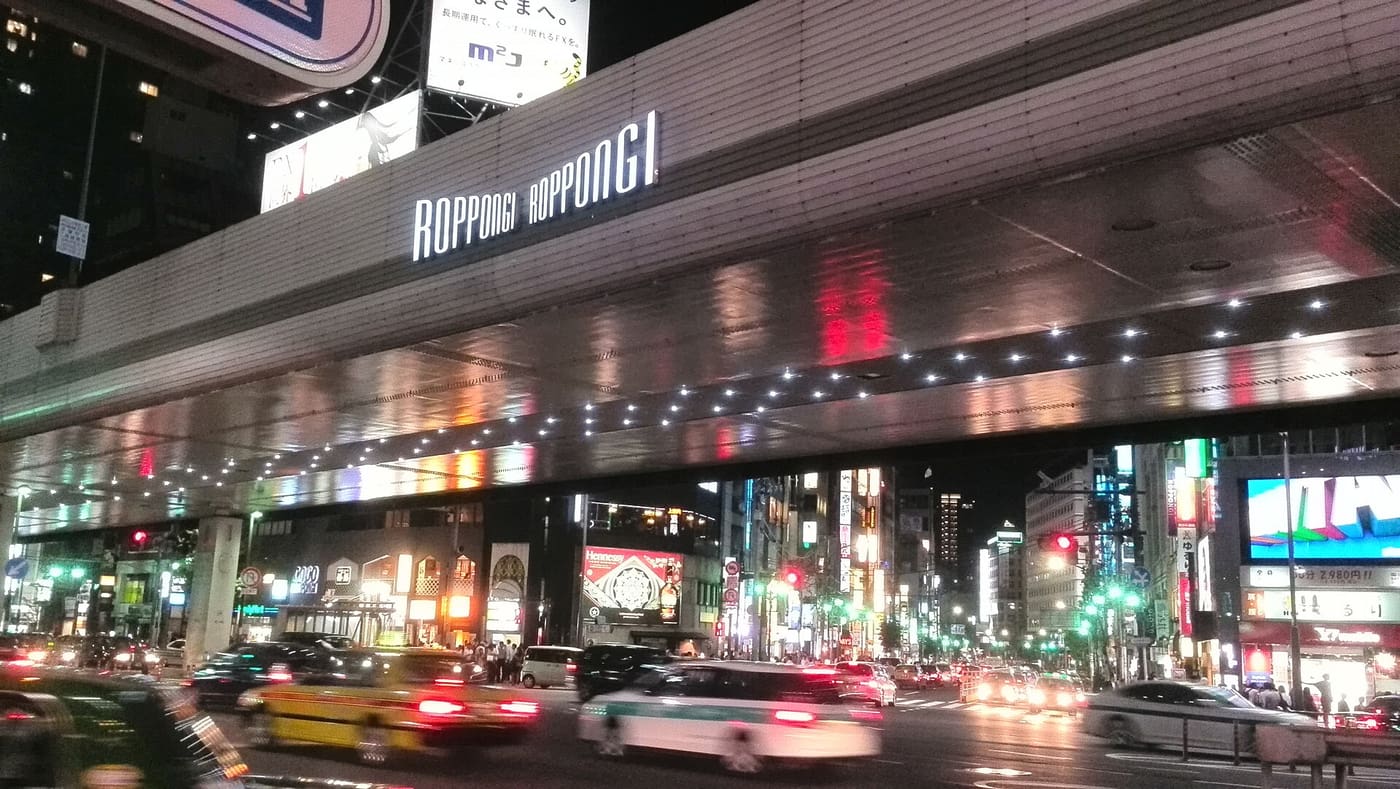
For the evening, avoid the main crossing. The strip along Gaien-Higashi-dori is the Roppongi of reputation, tout-heavy and aimed at visitors, and the touts are reason enough to keep walking. Instead, drop south for ten minutes to Azabu-Juban, where the old shopping street and side lanes hold the soba counters, izakayas and bakeries that locals treat as their own high street, or go west into Nishi-Azabu for the quieter cocktail bars and late dinners. Both are close enough that the Mori Tower stays in view. Then walk back up to Roppongi Hills for the 53rd floor before the 9:30pm last entry. There aren't many other ways in Tokyo to end a night inside a museum.
Where to stay
Roppongi's hotels cluster around the two complexes. Roppongi Hills and Tokyo Midtown each anchor a luxury hotel and a ring of upper-mid-range options within a few blocks, which puts the museums, the observation deck and the Hibiya and Oedo lines at the door. They're right for art-focused trips and business travellers who want a polished base. The blocks around the Roppongi crossing hold business hotels at lower prices, but the main strip is loud until late and the touts start early. Families and lighter sleepers do better in Azabu-Juban or Nogizaka, a short walk away, where the streets are residential and the museums are still fifteen minutes on foot. Roppongi works as a base for central and southern Tokyo. It isn't the neighbourhood for old Tokyo or the creative west.
How to do it in a day
Start at Nogizaka station when The National Art Center opens at ten, take in the main exhibition and the glass atrium, and have a coffee at the cone-top cafe before you move on. Walk the ten minutes to Tokyo Midtown for Suntory Museum of Art, then out into the park behind for 21_21 Design Sight. Give the Ando building as much time as the show. Lunch in the Midtown food floors, then cross the Roppongi crossing and walk down to Roppongi Hills. Time Roppongi Hills Mori Tower for an hour before sunset. Buy the combined ticket, ride up to Tokyo City View, watch Tokyo Tower switch on and, if it's clear, pay the extra for the outdoor Sky Deck. Then either see the Mori Art Museum exhibition straight away, or go down for dinner in Azabu-Juban's lanes and come back up before the 9:30pm last entry, when the galleries are half empty. Finish with a nightcap in Nishi-Azabu rather than on the main strip.
Nearby neighbourhoods
The best of Roppongi
Things to do in Roppongi
What's on in Roppongi
Local events in the next 30 days, read from the ward, park and organiser pages each one links to.
Yakiimo Hiroba roast sweet potato square Food
23 to 25 Oct · Azabudai Hills
A food event at Azabudai Hills with roast sweet potatoes, chestnuts and other autumn food round a bonfire.
Map · Source: Azabudai Hills (Mori Building) · やきいも広場
Ark Hills South Tower Sky Park public opening Garden
Sat 24 Oct, Sun 25 Oct · Sky Park, Ark Hills South Tower
The rooftop garden of Ark Hills South Tower opens to the public on weekends and holidays.
Map · Source: Ark Hills (Mori Building) · 屋上庭園スカイパーク一般開放 2026
Nogi Shrine antique market (fourth Sunday) Market
Fourth Sunday of most months. Next: Sun 25 Oct · Nogi Shrine grounds
Antique and flea market dealers set up in the grounds of Nogi Shrine on the fourth Sunday of most months. No market in rain.
Free entry · 9:00 to 16:00 · Map · Source: Nogi Shrine (乃木神社) · 乃木神社 骨董市(蚤の市)
Raumlabor Berlin: Water Works - in the Flow of Making Exhibition
On now, until 29 Nov · TOTO Gallery MA
An architecture exhibition by Raumlabor Berlin at TOTO Gallery MA, closed Mondays and holidays.
Free · 11:00 to 18:00 · Map · Source: TOTO Gallery MA · ラウムラボア・ベルリン展 Water Works - in the Flow of Making
6fes: street art performance and food Festival
31 Oct to 1 Nov · Seijoki-dori, Roppongi
A market and street performances on Seijoki-dori, between Tokyo Midtown and The National Art Center, alongside Roppongi Art Night.
Free · Map · Source: Minato City (shopping street events) · 6フェス2026~ストリートで楽しむアートパフォーマンスとフード~
Roppongi Art Night Festival
Sat 31 Oct, Sun 1 Nov · Roppongi Hills and around
An art festival across Roppongi that runs all night for the first time in three years.
from 17:00 · Map · Source: Roppongi Hills (Mori Building) · 六本木アートナイト2026
Former Nogi Residence Open Days and Readings Exhibition
1 to 3 Nov · Former Nogi Residence, Nogi Park
The former Nogi residence in Nogi Park opens to the public, with timed tickets handed out at reception on the day and readings on two of the days.
Free · 9:00 to 15:40 · Map · Source: Minato City · 旧乃木邸一般公開(朗読会)の開催について(乃木公園)[当日、会場へお越しください]
Art Week Tokyo 2026 Festival
4 to 8 Nov (dates to be confirmed) · 56 museums and galleries across seven areas, with a free shuttle bus
Art Week Tokyo links 56 participating museums and galleries across the city, with a free shuttle bus (AWT BUS). Some events need reservations or tickets.
Map · Source: Art Week Tokyo · アートウィーク東京
Higo zogan inlay demonstration Exhibition
6 to 12 Nov · Japan Traditional Craft Aoyama Square
Craftsman Yoku Aso demonstrates nunome zogan, the cloth-pattern metal inlay of Higo, at the Akasaka traditional crafts centre for a week.
Opens 12:00 on 6 Nov · Map · Source: Japan Traditional Craft Aoyama Square (Association for the Promotion of Traditional Craft Industries) · 肥後象がん 麻生翼 布目象嵌と黒錆
Nasu food market at Asahi Shrine (22nd of each month) Market
The 22nd of every month. Next: Sun 22 Nov · Asahi Shrine, Roppongi
A small market of produce and food from Nasu in Tochigi, held at Asahi Shrine in Roppongi on the 22nd of every month.
Free · Map · Source: Asahi Shrine · 朝日神社 那須食彩市(毎月22日)
Live music in Roppongi
- Blue Note Tokyo 86 upcoming gigs
- live space ZIMAGINE 55 upcoming gigs
- Billboard Live Tokyo 50 upcoming gigs
- Roppongi CLAPS 44 upcoming gigs
- REAL DIVA'S 38 upcoming gigs
- Aoyama RizM 37 upcoming gigs
- Jazzbird 37 upcoming gigs
- Alfie 31 upcoming gigs
- dot&blue 29 upcoming gigs
- Keystone Club Tokyo 28 upcoming gigs
- EX THEATER ROPPONGI 25 upcoming gigs
- Abbey Road Tokyo 25 upcoming gigs
- Aoyama Tsukimi-ru Kimi Omou 23 upcoming gigs
- CRAWFISH AKASAKA 17 upcoming gigs
- club t music & bar 11 upcoming gigs
- Rock Bar REDSHOES 10 upcoming gigs
- Minami-Aoyama Mandala 9 upcoming gigs
- All Of Me Club 9 upcoming gigs
- Piano Bar IZUMI 9 upcoming gigs
- POLARIS tokyo 8 upcoming gigs
- Suntory Hall 7 upcoming gigs
- VENT 7 upcoming gigs
- Bossa Nova & Jazz Club KEI 7 upcoming gigs
Stay in Roppongi
Browse live availability and compare prices around the neighbourhood.
Median US$345 a night across 66 listings within 1.2 km for a two-night stay a month out, sampled 20 October 2026. Cheapest quarter under US$277. See the weekly index for every neighbourhood.
See hotels near Roppongi on Booking.comPrices are for the night of Saturday 24 October. You can change the dates on Booking.com. If you book, Roam Tokyo earns a small commission from Stay22 at no extra cost to you.