Tokyo Early in the Morning
The city before it puts its face on
Jet lag will wake you at 5am. Don't lie there. Early morning is the best trick there is for seeing Tokyo: Senso-ji with incense and no crowds, fish markets at full speed, shrine forests where the only sound is gravel. Everything on this list is better before 9am, and a few of them are a different place altogether.
In photos
45 places
Year round, before 9am When
The places
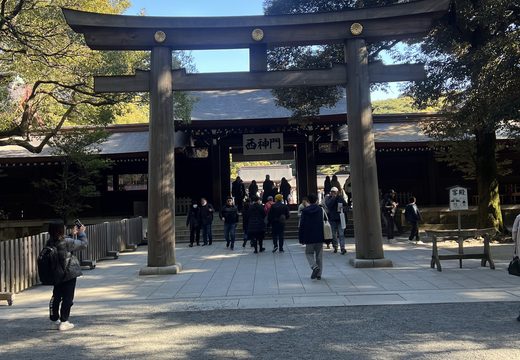
Shrine · Harajuku Meiji Shrine Meiji Shrine is the calmest of Tokyo's big shrines, set in 170 acres of forest. The wide gravel path under the tall camphor trees feels nothing like the city outside.
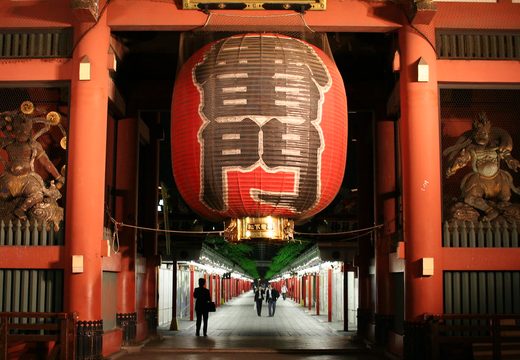
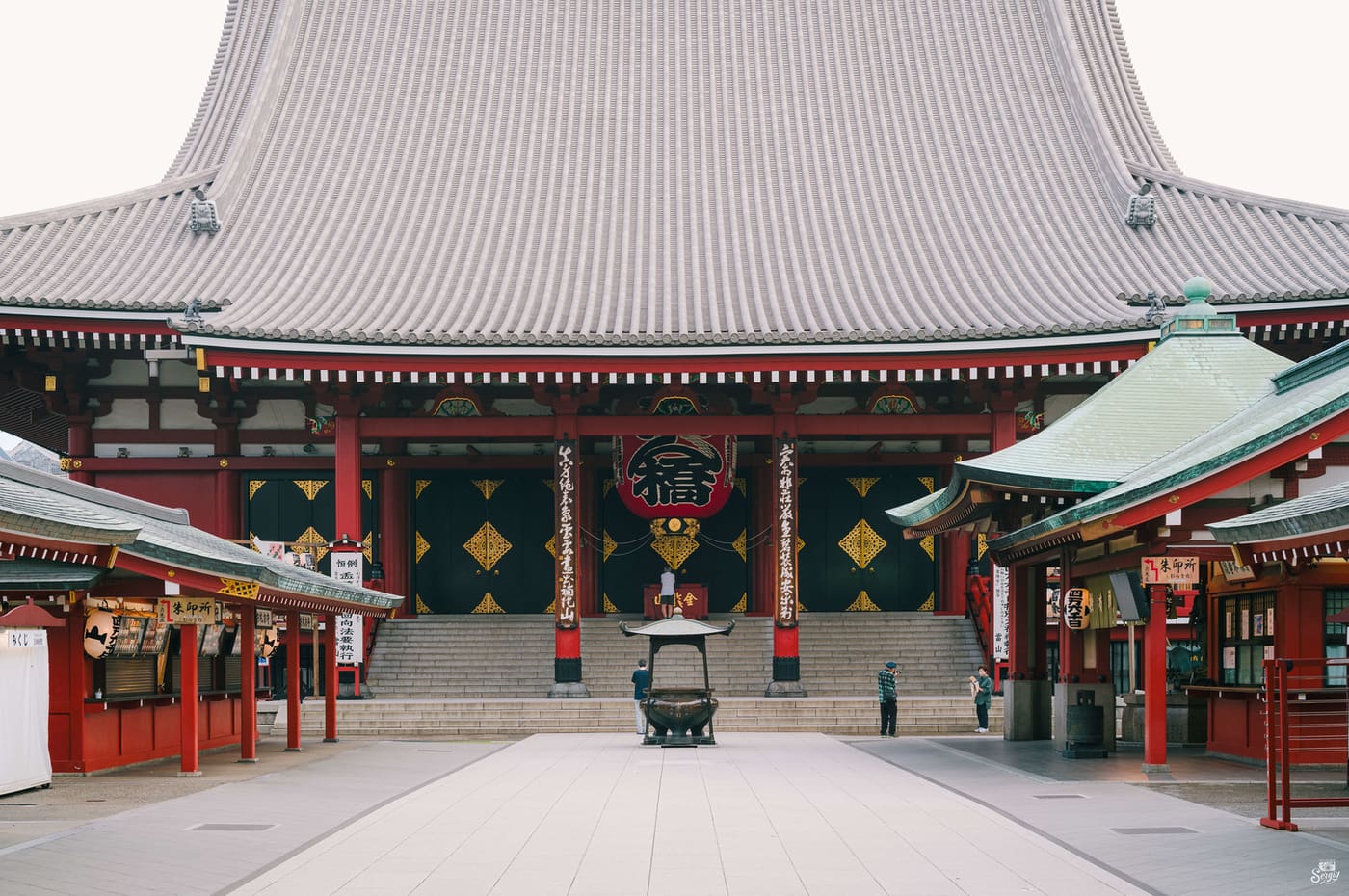
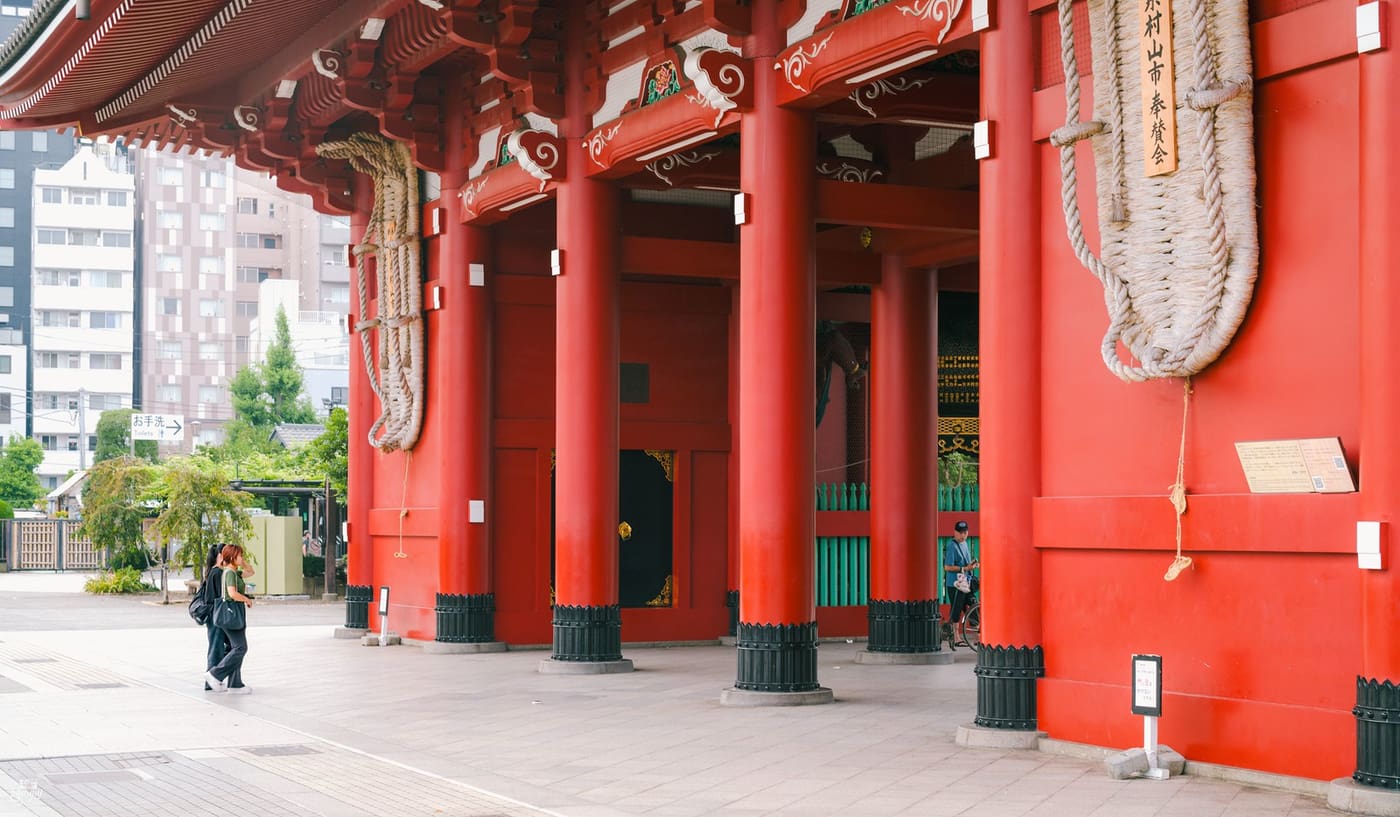
Temple · Asakusa Senso-ji Temple Senso-ji is Tokyo's oldest temple, founded, so tradition says, in 628 AD. You walk in through the Kaminarimon gate, along the Nakamise shopping lane and up to the main hall. Dusk is the best time, when the crowds thin out and the buildings are lit.
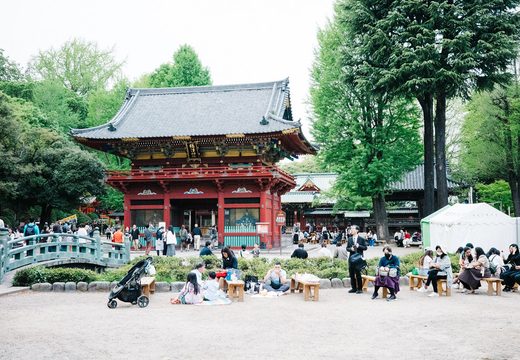
Shrine · Yanaka Nezu Shrine Nezu Shrine gets called Tokyo's answer to Fushimi Inari. A long tunnel of red torii gates climbs a wooded hillside here, with a fraction of Kyoto's crowds, and it might be the more atmospheric of the two.
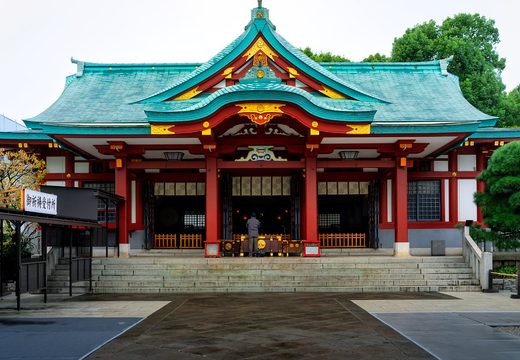
Shrine · Akasaka Hie Shrine Hie Shrine sits on a hill in the middle of Tokyo's political and business district, and it's known for the tunnel of vermilion torii gates on its west stairs. There are escalators beside the main stairs, so you can get up there in heels.
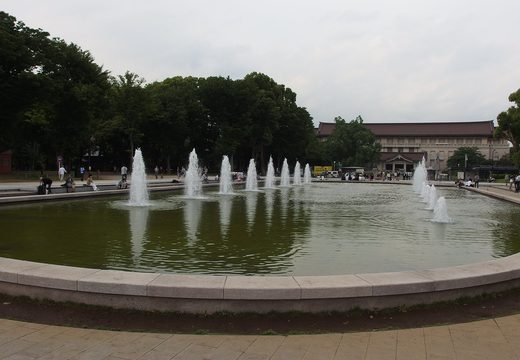
Park · Ueno Ueno Park Ueno Park opened in 1873 as one of Japan's first public parks. It has five major museums, a zoo, a lake with rowboats and the city's most famous cherry blossom avenue. In spring it's crowded and chaotic, and that's half the fun.
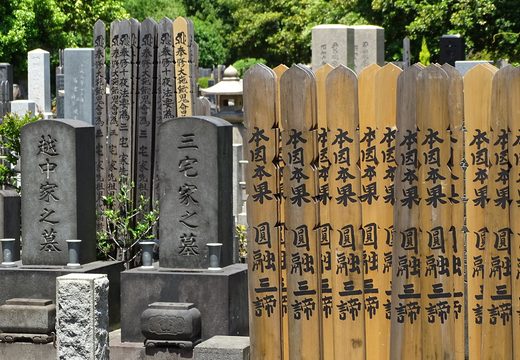
Park · Yanaka Yanaka Cemetery Yanaka Cemetery is more park than cemetery, with wide tree-lined avenues, cats everywhere and the hush of old Tokyo. It's one of the best cherry blossom walks in the city, and there are almost no tourist crowds along the main avenue.
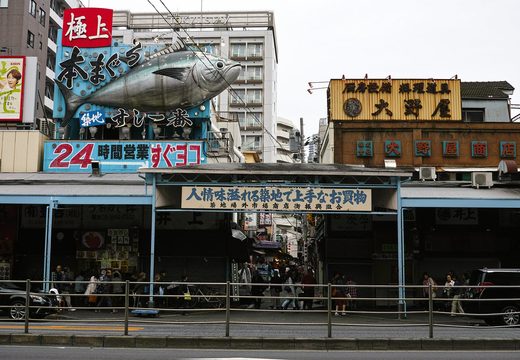
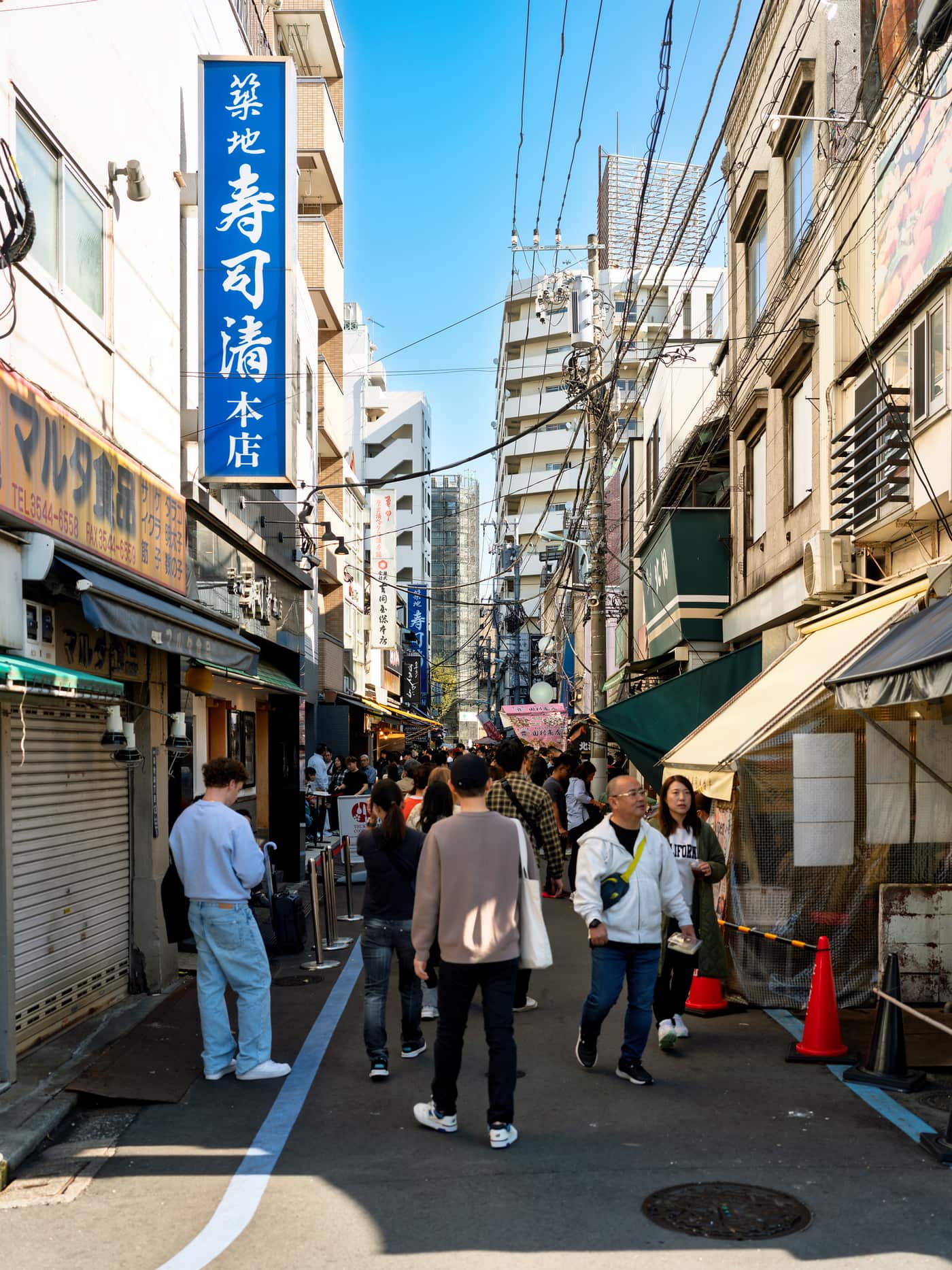
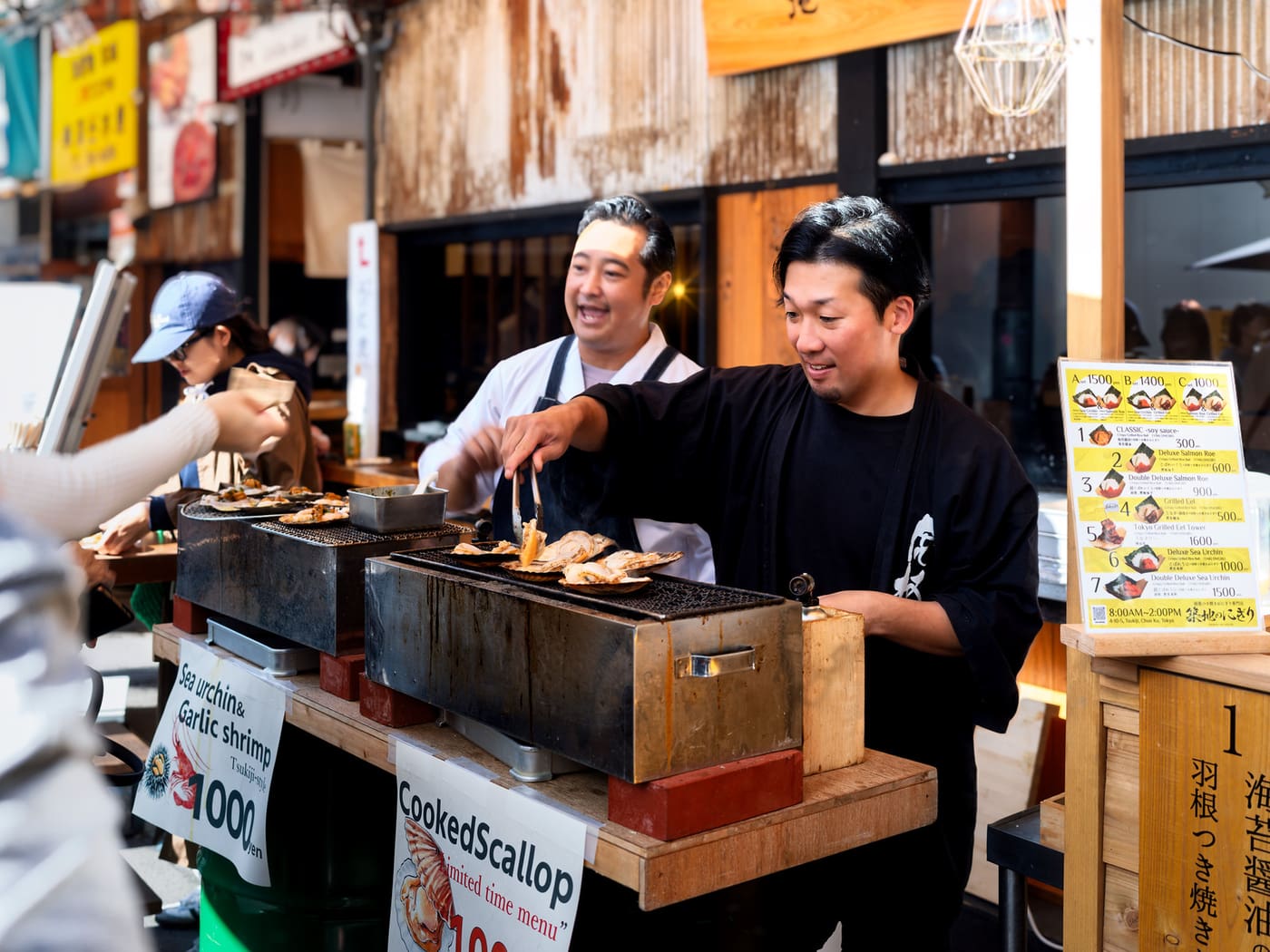
Food · Tsukiji Tsukiji Outer Market Tsukiji Outer Market outlived the fish auction. Dozens of vendors sell sushi, tamagoyaki, wagyu skewers and scallops grilled to order, and breakfast here is one of the great Tokyo rituals.
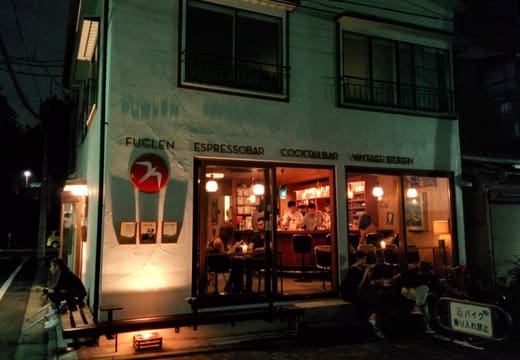
Cafe · Tomigaya Fuglen Tokyo Fuglen Tokyo came over from Oslo in 2012 and set the template for Tokyo's third-wave coffee scene. Vintage furniture, serious espresso by day, natural wine and cocktails by night. The Tomigaya streets around it are good for a wander too.
Cafe · Nakameguro Onibus Coffee Nakameguro Onibus Coffee is a roastery cafe in a converted house in Nakameguro, and it pours one of the best single-origin coffees in the city. The owner buys direct from farms he visits himself. Simple, and done well.
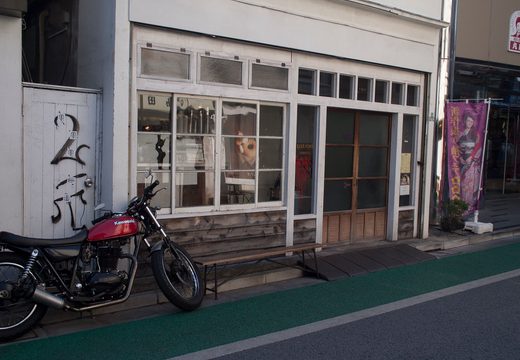
Cafe · Shimokitazawa Bear Pond Espresso Bear Pond Espresso is a cult espresso bar in Shimokitazawa with an obsessive owner. Its Angel Stain espresso has a reputation as the smoothest, most precisely pulled shot in Tokyo.
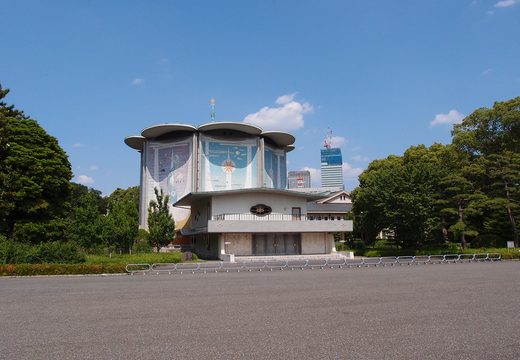
Park · Marunouchi Imperial Palace East Gardens The Imperial Palace East Gardens are the old grounds of Edo Castle, free to enter and surprisingly empty. Huge stone walls, the base of the lost castle tower and immaculate gardens, right in the geographic centre of the city.
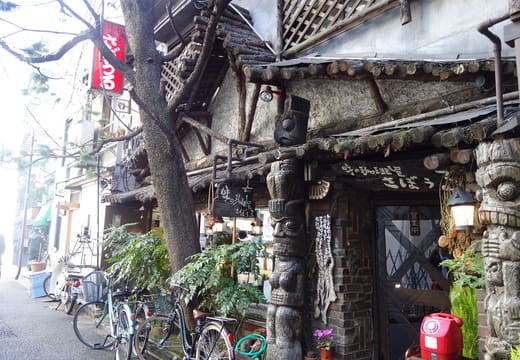
Cafe · Jimbocho Sabouru Sabouru is a decades-old coffee shop in the book district that looks like a mountain hut, vines outside and carved wood inside. Blue walls, red lamps and a menu that hasn't changed make it one of the most atmospheric old cafes in Tokyo.
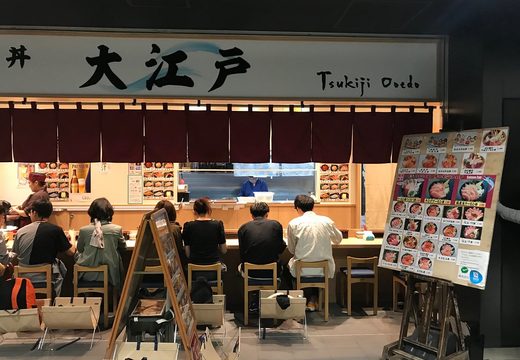
Market · Toyosu Toyosu Market Toyosu Market is one of the largest fish markets in the world, the successor to Tsukiji's inner market. Watch the tuna auction from the observation deck at dawn, then eat sushi breakfast at the market restaurants.
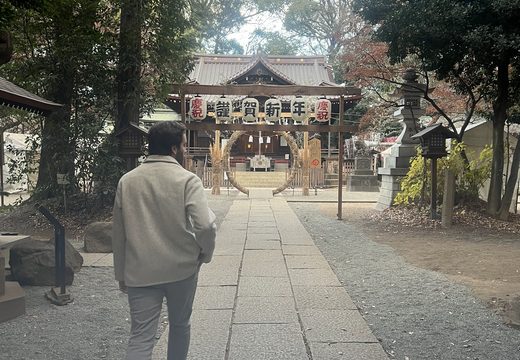
Shrine · Yoyogi Yoyogi Hachimangu Shrine Yoyogi Hachimangu is a small wooded shrine on a hill between Yoyogi-Hachiman Station and the Tomigaya backstreets. Locals stop in on the way to work, and visitors almost never find it. In the grounds there's a reconstructed Jomon-period pit dwelling, marking the prehistoric settlement dug up on the hill.
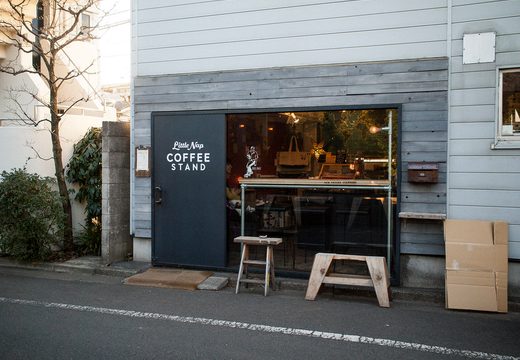
Cafe · Yoyogi Little Nap Coffee Stand Little Nap Coffee Stand is a tiny coffee stand on the calm west edge of Yoyogi Park that locals treat as a destination. A handful of stools, serious espresso and the park's trees across the street.
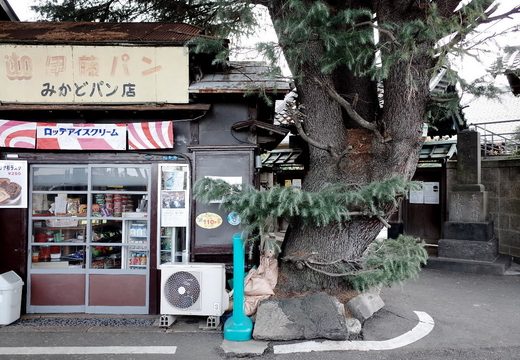
Neighbourhood · Yanaka Yanaka Yanaka is the Tokyo that survived: low wooden houses, temple after temple, cats on walls and craftsmen still at work. It escaped the 1923 earthquake fires and the war, and walking it is the closest the city gets to time travel.
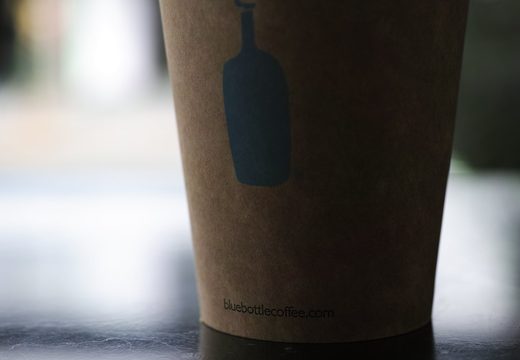
Cafe · Kiyosumi Blue Bottle Coffee Kiyosumi Blue Bottle Coffee Kiyosumi was the company's first shop outside the United States, opened in 2015 in a converted warehouse in Kiyosumi-Shirakawa. The whole neighbourhood has since become Tokyo's coffee town, and this is still the anchor.
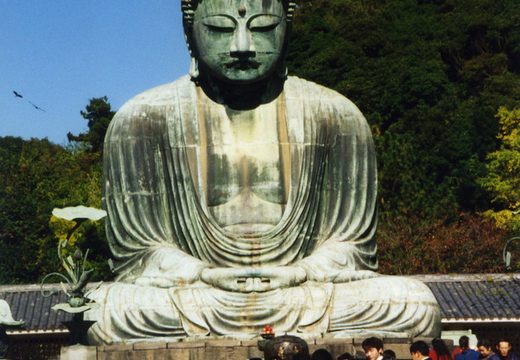
Day trip · Kamakura Kamakura Kamakura is the seaside former capital an hour south: the Great Buddha, hillside temples linked by hiking trails and a beach-town pace that resets your Tokyo brain. It's the default first day trip.
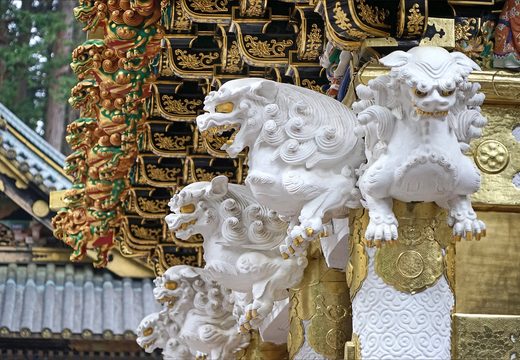
Day trip · Nikko Nikko Nikko is two hours north and a world away: the riotously decorated Toshogu shrine complex in a cedar forest, waterfalls and a sacred bridge over a blue-green river. In autumn the foliage is the best in the region.
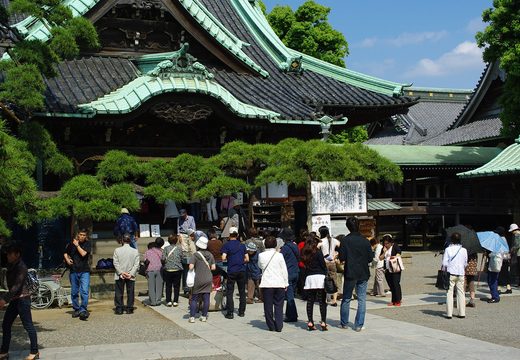
Temple · Shibamata Shibamata Taishakuten Shibamata Taishakuten is old shitamachi Tokyo at the city's eastern edge: a temple covered in astonishing wood carvings, at the end of a retro shopping street selling rice crackers and dango. It's famous as the home of the Tora-san films, and it's still low-key next to Asakusa.
Cafe · Tomigaya Camelback Sandwich & Espresso Camelback is a former sushi chef making the best egg sandwich in Tokyo, a sweet omelette folded into a crisp roll. Standing room only, which is fine, because you should take it to Yoyogi Park anyway.
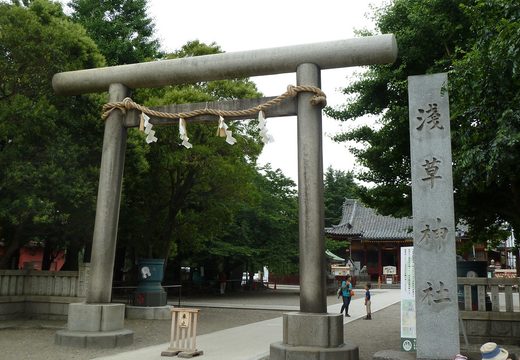
Shrine · Asakusa Asakusa Shrine Asakusa Shrine is the Shinto shrine right beside Senso-ji's main hall, dedicated to the three men who founded the temple. Its 1649 buildings came through both the 1923 earthquake and the WWII air raids, so it's one of the few original Edo-period structures left in Asakusa.
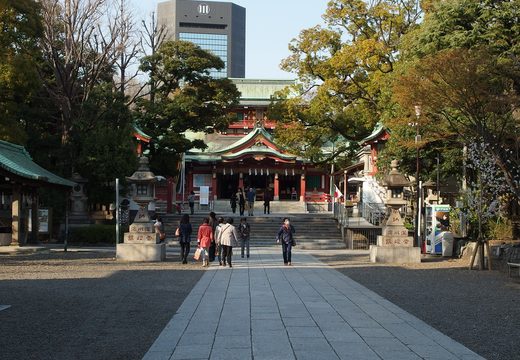
Shrine · Fukagawa Tomioka Hachiman Shrine Tomioka Hachiman Shrine, founded in 1627, is the largest Hachiman shrine in Tokyo and the birthplace of officially sanctioned sumo, which held shogunate-approved tournaments here from 1684. The grounds hold sumo monuments and Japan's biggest portable shrine, a 4.5-ton gold-covered mikoshi.
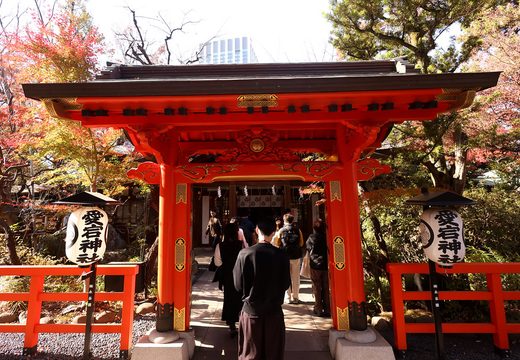
Shrine · Toranomon Atago Shrine Atago Shrine dates from 1603 and sits on the highest natural hill in central Tokyo. You reach it by a famously steep flight of 86 stone steps, the Stairs of Success, named after a samurai who rode his horse up them to deliver plum blossoms to the shogun.
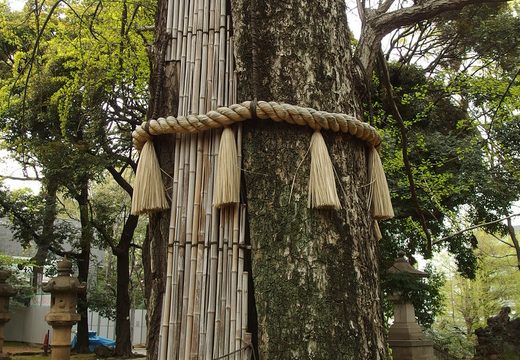
Shrine · Akasaka Akasaka Hikawa Shrine Akasaka Hikawa Shrine is a wooded shrine whose main sanctuary was built in 1730 by the eighth shogun, Tokugawa Yoshimune, and came through the Great Kanto Earthquake and the 1945 air raids intact. A giant ginkgo about 400 years old stands in the grounds, still leafing even though wartime fires hollowed it out.
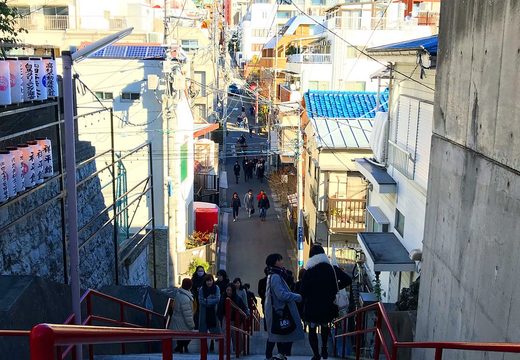
Shrine · Yotsuya Suga Shrine Suga Shrine is a modest neighbourhood shrine in Yotsuya whose crossed staircase next door became world famous as the final scene of the anime film Your Name, and fans come in a steady stream to recreate the shot. The shrine itself dates from the Edo period and guards the area's eighteen former towns.
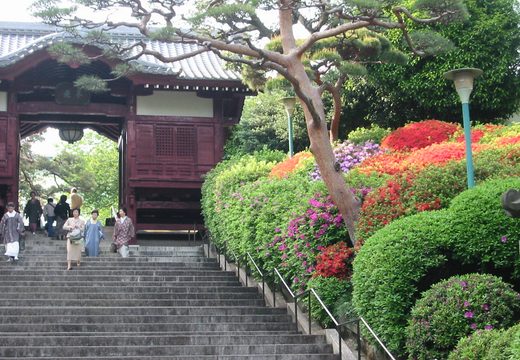
Temple · Bunkyo Gokokuji Temple Gokokuji is a Shingon Buddhist temple founded in 1681 by the fifth shogun for his mother, and its 1697 main hall came through the 1923 earthquake and the WWII bombing unchanged, which makes it one of the oldest wooden buildings in the city.
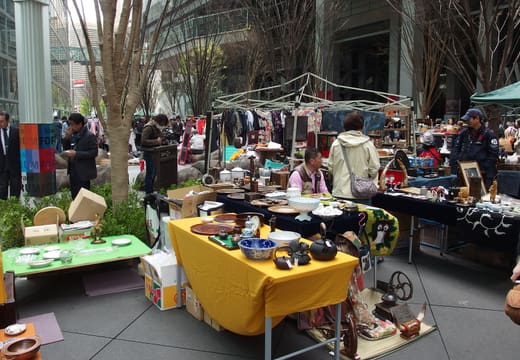
Market · Yurakucho Oedo Antique Market The Oedo Antique Market is Japan's biggest outdoor antique market. Twice a month, on weekends set on its calendar, it fills the plaza of the Tokyo International Forum with more than 250 dealers selling old kimono, ceramics, tea utensils, woodblock prints and Showa-era oddities.
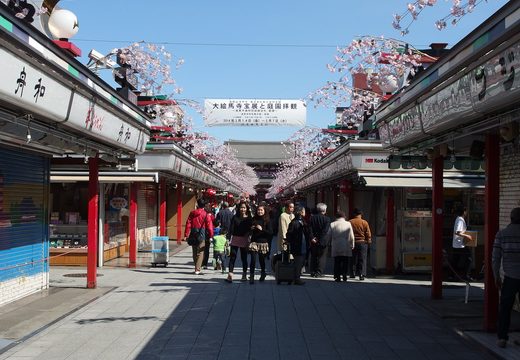
Shopping · Asakusa Nakamise Shopping Street Nakamise is one of the oldest shopping streets in Japan, a 250-metre approach of around 90 stalls running from Kaminarimon to Senso-ji's Hozomon gate. It has sold ningyo-yaki cakes, senbei, folding fans and souvenirs since the Edo period.
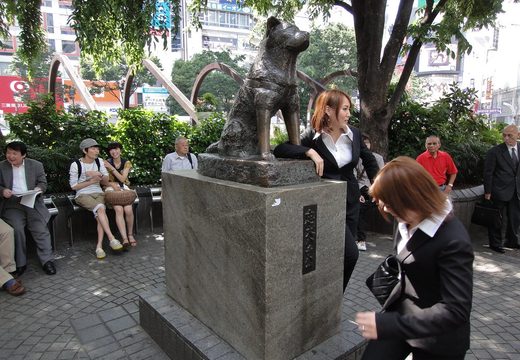
Landmark · Shibuya Hachiko Statue The Hachiko Statue outside Shibuya Station honours the Akita who kept coming back to meet his dead owner's train for nearly ten years in the 1920s and 30s. The first statue went up in 1934 with Hachiko himself present. It was melted down for metal in 1944, and today's statue replaced it in 1948. It's now the default meeting spot in Tokyo.
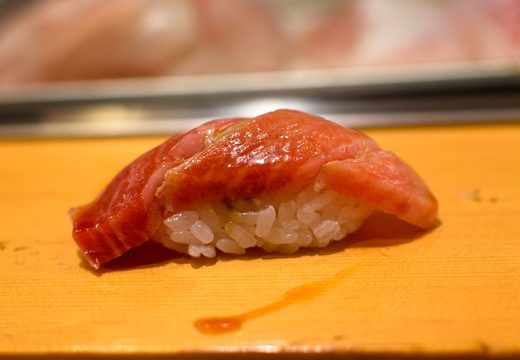
Food · Toyosu Sushi Dai Sushi Dai is the most famous sushi breakfast in Tokyo, moved from Tsukiji to the 3rd floor of Block 6 at Toyosu Market in 2018. The chef's omakase of market-fresh Edo-style nigiri draws queues that start before dawn.
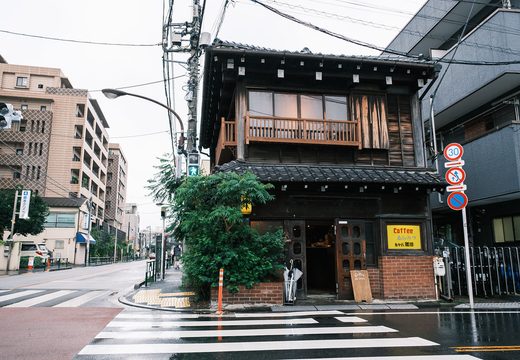
Cafe · Yanaka Kayaba Coffee Kayaba Coffee is a Yanaka kissaten that opened in 1938 inside a 1915 machiya townhouse, closed in 2006 and was lovingly revived in 2009. It's known for its egg sandwiches and Russian coffee, with tatami seating upstairs.
Food · Tsukiji Sushizanmai Honten Sushizanmai Honten is the flagship of the sushi chain whose founder became famous for paying record prices for the first tuna of the year at auction, including 333.6 million yen in 2019. It's in the heart of the Tsukiji outer market and serves solid, fairly priced sushi around the clock.
Cafe · Jimbocho Glitch Coffee & Roasters Glitch Coffee & Roasters is one of the most respected specialty roasters in Japan, known for very light roasts of rare single-origin lots brewed as precise pour-overs. Its baristas regularly place in national brewing competitions, and the bean list changes all the time.
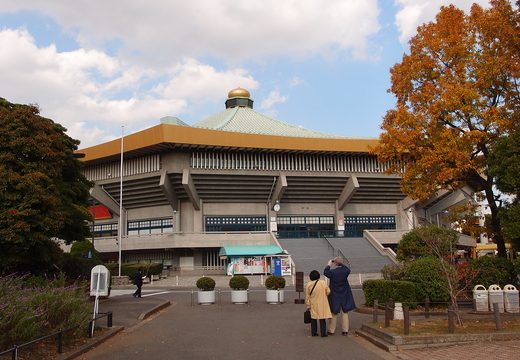
Park · Chiyoda Kitanomaru Park Kitanomaru Park is the former northern citadel of Edo Castle, now a wooded public park that holds the Nippon Budokan concert hall. You enter through the original Tayasumon gate, one of the oldest surviving gates of the castle.
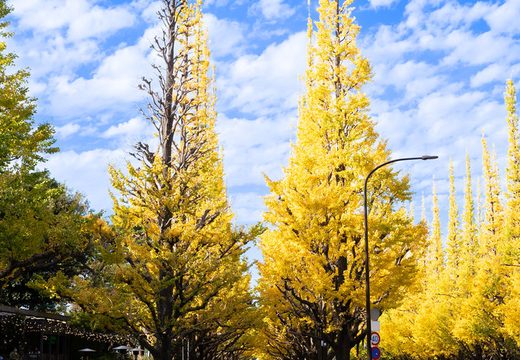
Viewpoint · Aoyama Meiji Jingu Gaien Ginkgo Avenue Meiji Jingu Gaien Ginkgo Avenue is four rows of ginkgo trees forming a 300-metre golden corridor towards the Meiji Memorial Picture Gallery. The trees are pruned into sharp cones, which is why the perspective looks drawn rather than grown.
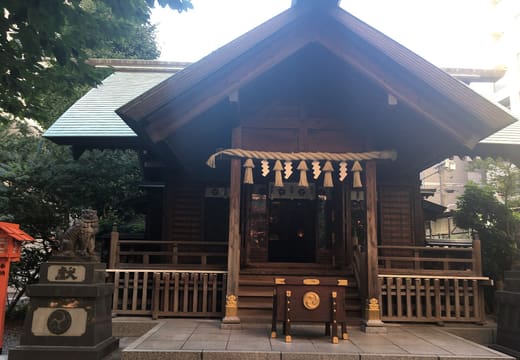
Shrine · Kuramae Kuramae Shrine Kuramae Shrine is a neighbourhood shrine founded in 1693, when the shogun Tokugawa Tsunayoshi brought the deity of Iwashimizu Hachimangu here to guard Edo Castle. In the 18th century its grounds hosted sumo tournaments, and in 1782 the great ozeki Tanikaze lost here to Onogawa, ending a 63-bout winning run.
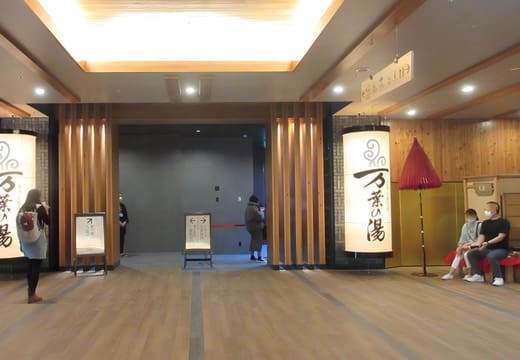
Onsen · Toyosu Tokyo Toyosu Manyo Club Tokyo Toyosu Manyo Club is the onsen complex next to Toyosu Market, open 24 hours. The water is trucked in by tanker from the hot springs of Hakone and Yugawara, the outdoor bath looks out over Tokyo Bay, and there's a rooftop footbath garden with a view right round the waterfront. Come after the morning tuna at the market.
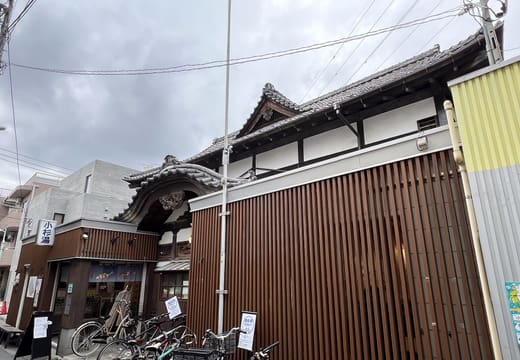
Sento · Koenji Kosugiyu Kosugiyu has been running in Koenji since 1933, in the original wooden temple-style building with a curved karahafu gable over the entrance. It's known for its milk bath, a daily changing bath, and four tubs at different temperatures for going hot and cold.
Sento · Harajuku Kosugiyu Harajuku Kosugiyu Harajuku is the Koenji bathhouse's second branch, in the basement of the Harakado building at the Jingumae crossing. Expect white tiles, round mirrors, the house milk bath every day and a 44°C hot tub next to a soft-water cold bath. It's a real ¥600 sento in the middle of Harajuku's shopping streets.
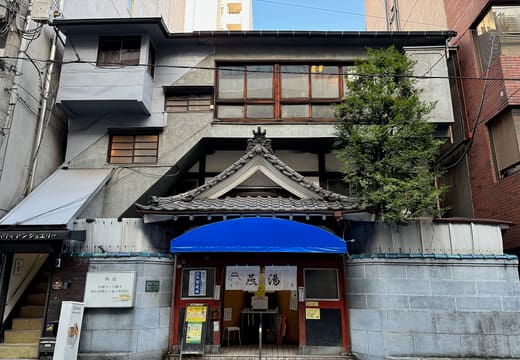
Sento · Ueno Tsubameyu Tsubameyu near Okachimachi opens at 6am every day it's open. The 1950 building and the rock mountain in the bath, built from real Mt Fuji lava, are registered as a national Tangible Cultural Property, the only sento in Tokyo with that status.
Sento · Ueno Haginoyu Haginoyu by Uguisudani station is one of Tokyo's biggest sento, rebuilt in 2017 with the men's bath on the third floor and the women's on the fourth. There's an outdoor rock bath, a carbonated bath, saunas and a restaurant on the second floor. It also opens for a morning bath from 6am.
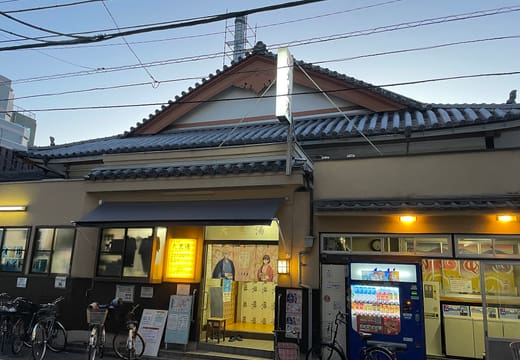
Sento · Asakusa Oshiage Onsen Daikokuyu Oshiage Onsen Daikokuyu is a temple-style sento with natural hot spring water, a big outdoor bath and a bath with a view of the Skytree. It's open all night, from 3pm until 10am the next morning, which makes it the place for a dawn soak in this part of town.
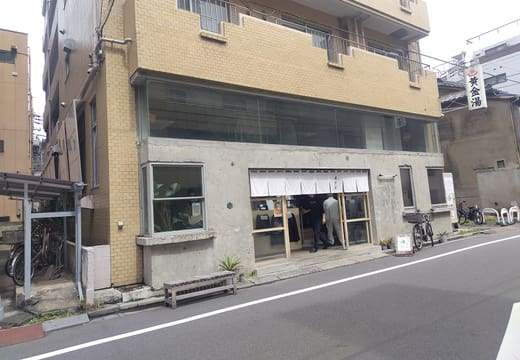
Sento · Ryogoku Koganeyu Koganeyu is a design-led sento near Kinshicho, one stop from Ryogoku, reopened in 2020. The bathroom wall is a picture-scroll mural by Yoriko Hoshi, the creator of Kyou no Nekomura-san, and the front counter doubles as a bar with craft beer and a DJ booth. It also opens 6am to 9am for a morning bath.
Sento · Shinagawa Musashi-Koyama Onsen Shimizuyu Shimizuyu in Musashi-Koyama has two natural hot springs, a black kuro-yu and a golden one, plus an open-air bath. On Sundays it opens at 8am for a morning bath.
More photos
More collections
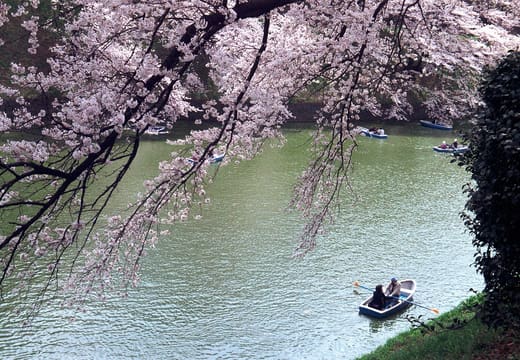 Tokyo Cherry Blossom Map Where to see sakura in Tokyo, and when to go
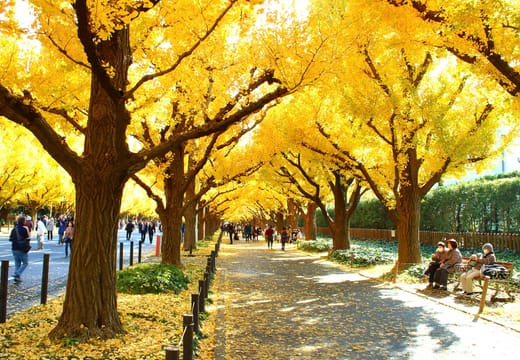 Autumn Colour in Tokyo Koyo season, the best two months in the Tokyo calendar
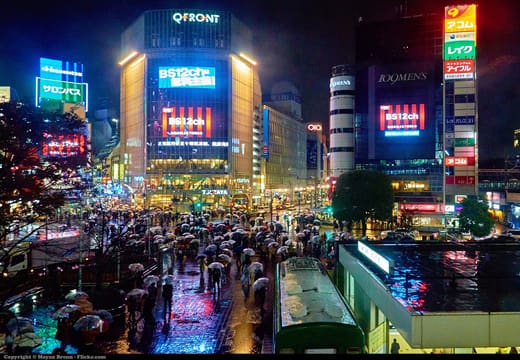 Rainy Day Tokyo Museums, arcades, food halls, and other dry pleasures
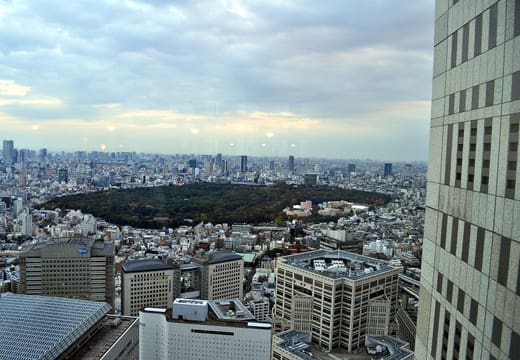 Free Things to Do in Tokyo The best city in the world for spending nothing
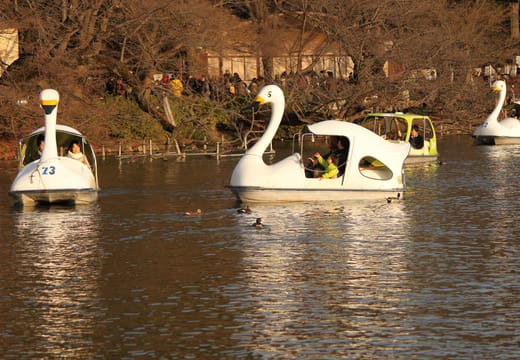 Tokyo with Kids Places that work for small people and the adults carrying them
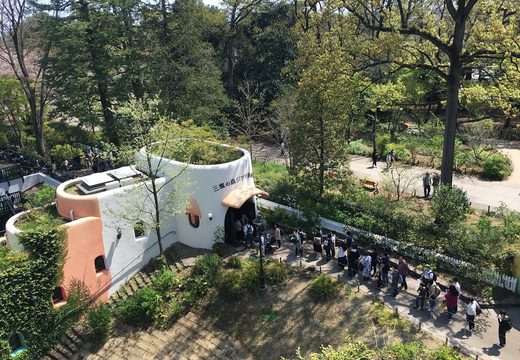 Anime and Manga in Tokyo Museums, shops and pilgrimage spots for anime and manga fans