Autumn Colour in Tokyo
Koyo season, the best two months in the Tokyo calendar
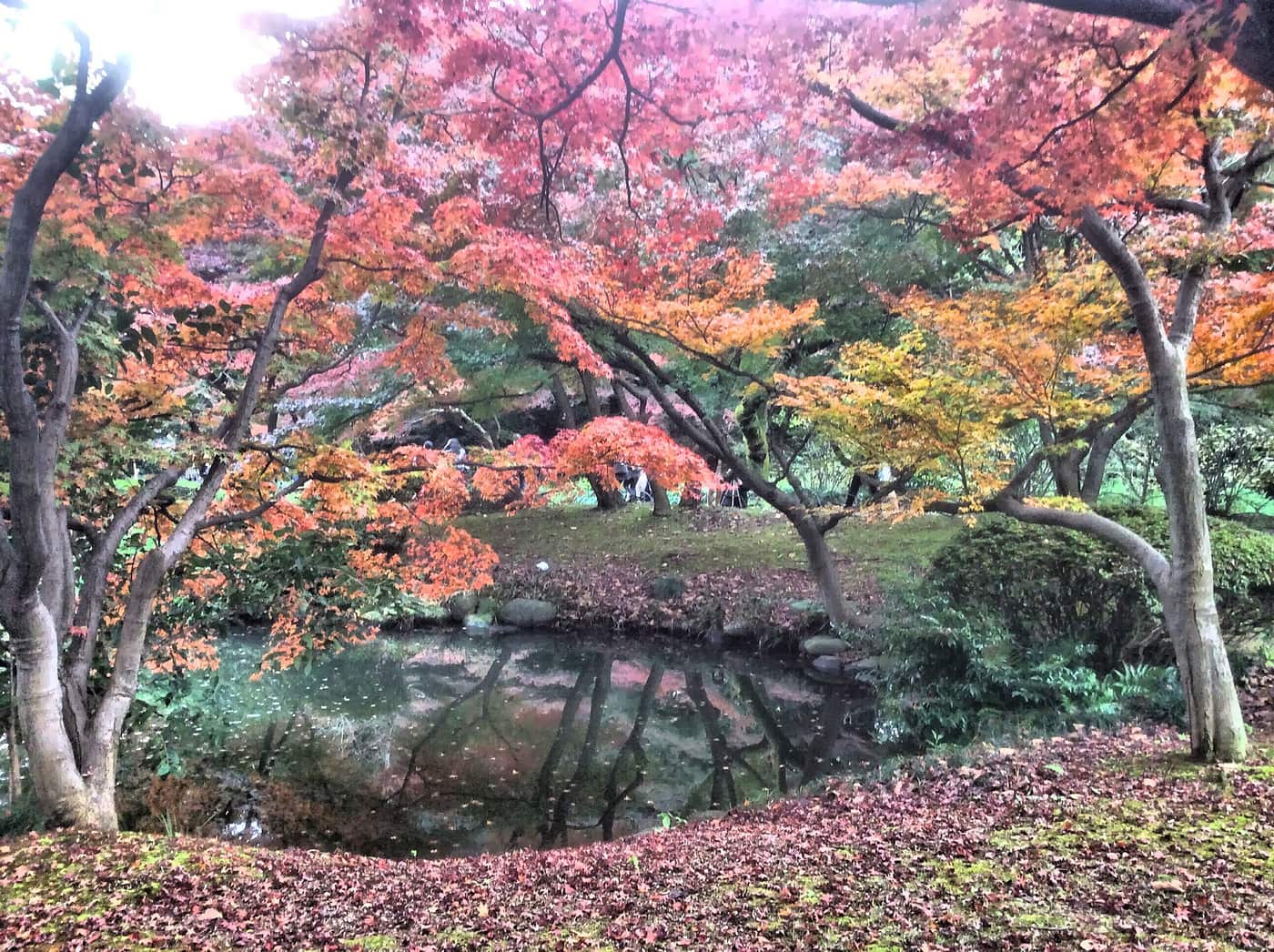
If you can choose your season, choose autumn. The air turns crisp in November, the ginkgo trees go gold from mid to late November, the maples go red into early December, and the crowds are a fraction of what cherry blossom season brings. The gardens built for leaf viewing, like Rikugien and Shinjuku Gyoen, put on the main show, but an ordinary residential street can stop you mid-step too. These are the spots to plan around.
Autumn 2026 at a glance
Checked . Forecasts are revised through the autumn, so check the source before you book a light-up slot.
- Forecast peak, central Tokyo
- Ginkgo around 26 November, maples around 29 November. Both are close to an average year. It's a forecast, and the next update is due in early October. Source: Japan Meteorological Corporation, 2 September 2026
- Mount Takao
- Forecast to peak around 22 November. Weathernews expects the colour to arrive later than usual across most of Japan this year. Source: Weathernews, 3 September 2026
- Koishikawa Korakuen light-up
- 13 to 24 November, 18:00 to 21:00 (last entry 20:00). Tickets are ¥1,000 online in advance or ¥1,200 on the day. Source: Tokyo Metropolitan Park Association
- Rikugien light-up
- 25 November to 6 December, 18:00 to 20:30 (last entry 19:30). Tickets are ¥1,000 online in advance or ¥1,200 on the day. Source: Tokyo Metropolitan Park Association, 3 September 2026
- Kyu-Furukawa Gardens
- Autumn leaves and roses, 7 November to 6 December, daytime only (9:00 to 17:00, last entry 16:30). Source: Tokyo Metropolitan Government, 16 September 2026
- Hachioji Ginkgo Festival
- 21 and 22 November, on the ginkgo avenue along the Koshu Kaido in Hachioji. Source: Hachioji Icho Matsuri
- Showa Kinen Park
- Autumn leaf festival and the evening light-up (Aki no Yoru Sanpo), 29 October to 29 November. On 29 and 30 October the Japanese garden after dark needs only the park ticket. Source: Showa Kinen Park, 3 October 2026
- Not announced yet
- The Jingu Gaien Ginkgo Festival and the Mount Takao Momiji Matsuri. Don't plan around last year's dates.
- Tokyo in autumn, October or November, seasonal food and where to stay
- Tokyo events calendar, the light-ups and festivals with times and a map
- What's on in Tokyo: November 2026 · December 2026
In photos
23 places
Mid-November to early December When
The places
Park · Shinjuku Shinjuku Gyoen Shinjuku Gyoen is the best park in Tokyo: 58 hectares with a French formal garden, an English landscape garden and a Japanese strolling garden. It has about 900 cherry trees, which makes it the best hanami spot in the city.
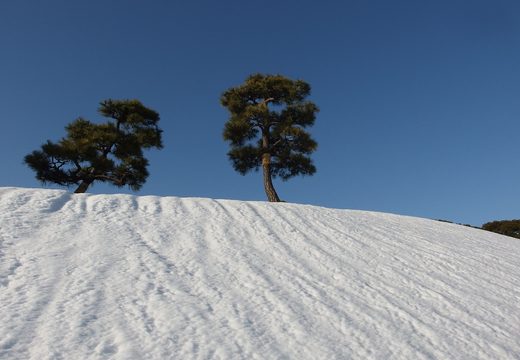
Park · Shiodome Hamarikyu Gardens Hamarikyu Gardens was a shogun's duck-hunting ground and is now open to everyone. A traditional teahouse sits on a tidal pond with skyscrapers all around it, which is Tokyo in one view.
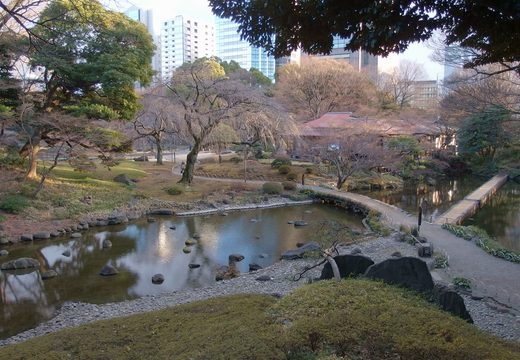
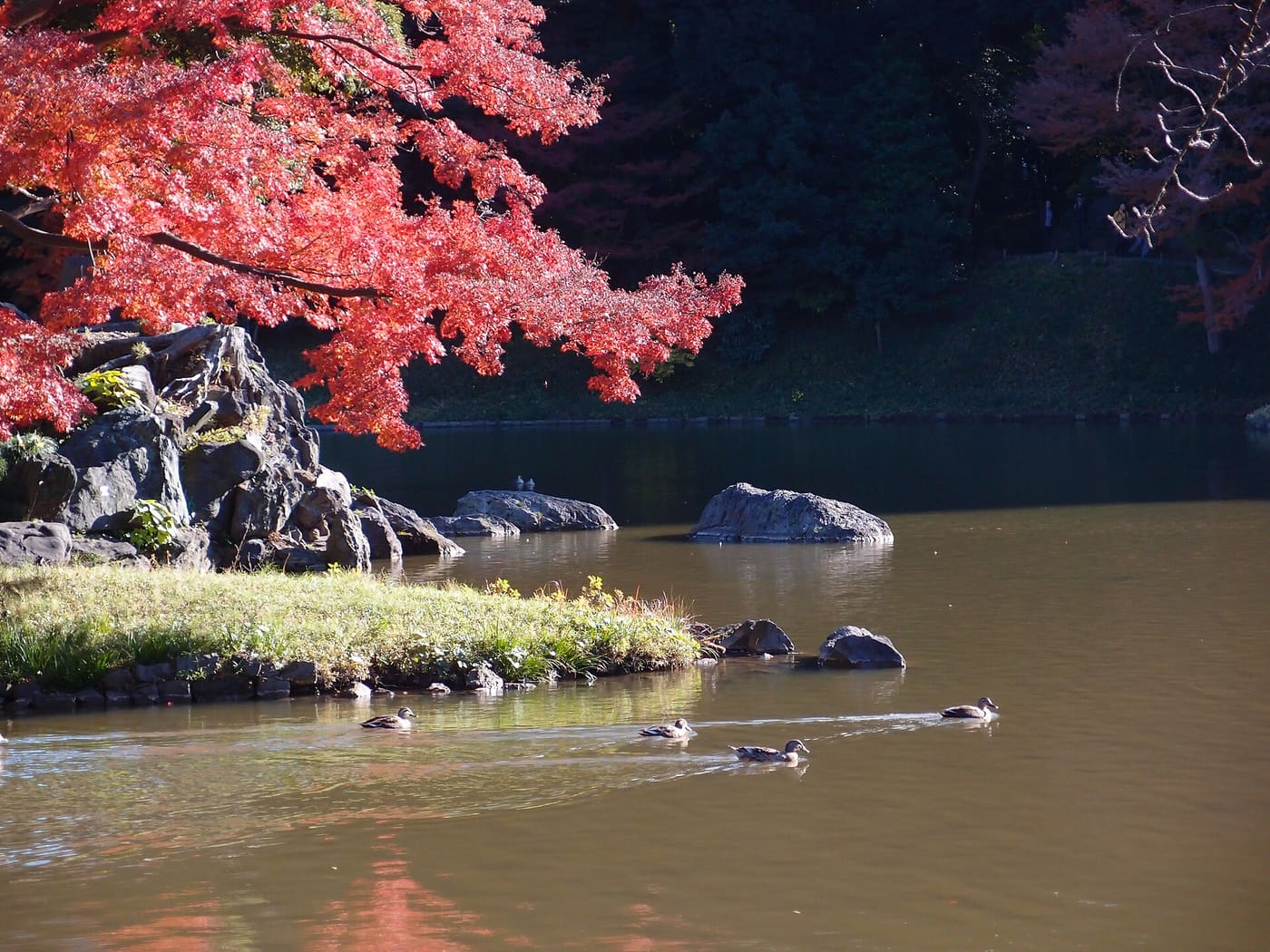
Park · Bunkyo Koishikawa Korakuen Koishikawa Korakuen is one of the oldest and finest Japanese gardens in Tokyo, laid out by the Mito Tokugawa clan in 1629. Everything a classical garden is supposed to have is here: hills, streams, a lake, a moon bridge, even rice paddies.
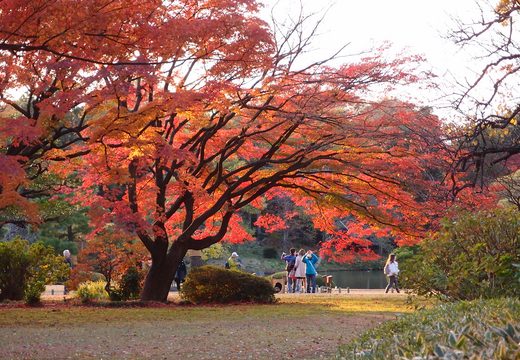
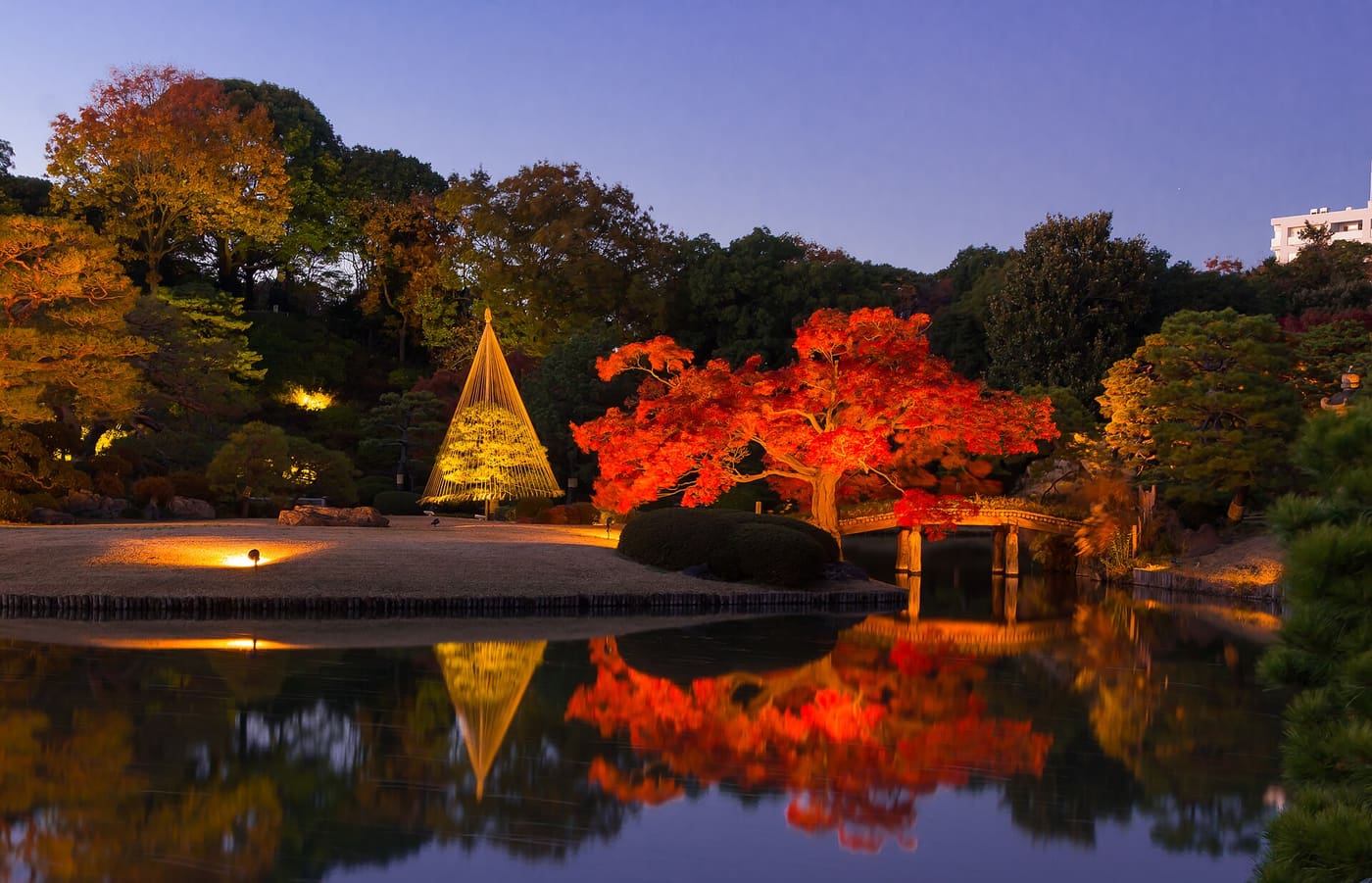
Park · Komagome Rikugien Gardens Rikugien is an Edo-period strolling garden that many people call Tokyo's most beautiful, built around a central pond with 88 scenes from classical poetry. The autumn lighting of the maples is one of the city's big seasonal events.
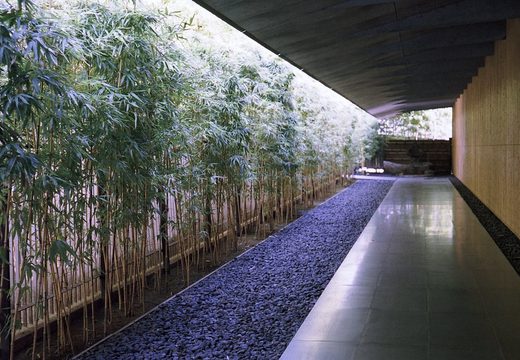
Museum · Aoyama Nezu Museum The Nezu Museum is Kengo Kuma's bamboo-lined museum of pre-modern Japanese and East Asian art, with one of the city's most beautiful private gardens hidden behind it. The approach corridor is worth the ticket on its own.
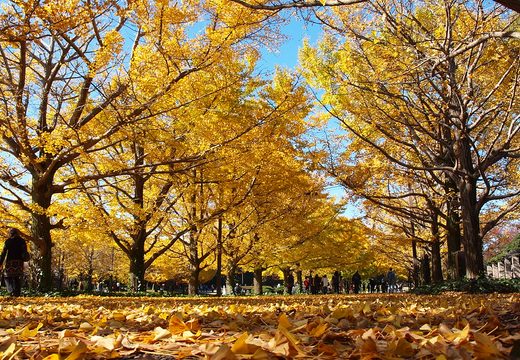
Park · Tachikawa Showa Kinen Park Showa Kinen Park is a huge national park of about 180 hectares in western Tokyo, with bikes for hire, lakes, seasonal flower fields and a 300-metre ginkgo avenue. In November the ginkgo tunnels are reason enough to go.
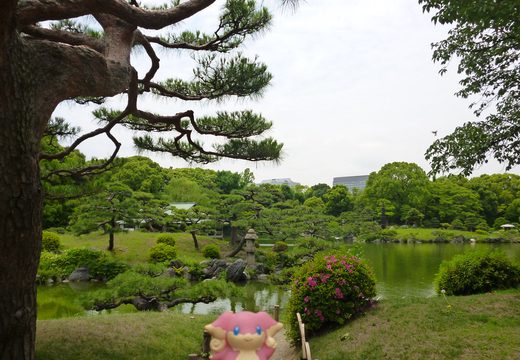
Park · Kiyosumi Kiyosumi Gardens Kiyosumi Gardens is a Meiji-era strolling garden built by the founder of Mitsubishi, known for its rare stones collected from all over Japan and the stepping-stone paths across the central pond.
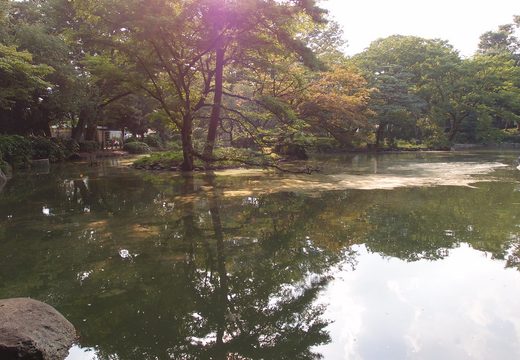
Park · Hiroo Arisugawa-no-miya Memorial Park Arisugawa-no-miya Memorial Park is a hilly, wooded park in the embassy district, with a pond, stone bridges and paths that drop steeply through the trees. The crowd from the embassies around it gives it a calm, international feel.
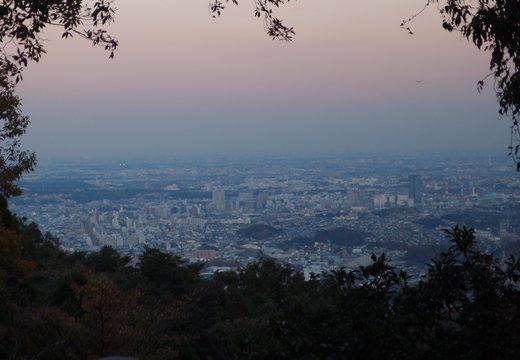
Day trip · Hachioji Mt Takao Mt Takao is Tokyo's sacred mountain, under an hour from Shinjuku on the Keio Line. There's a network of hiking trails, a mountaintop temple where yamabushi mountain ascetics still train, a monkey park and, on a clear day, a straight view to Mt Fuji.
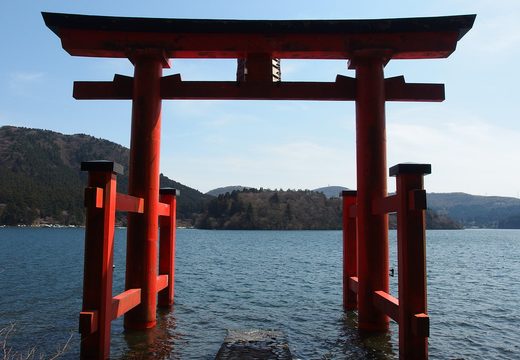
Day trip · Hakone Hakone Hakone is the classic escape from Tokyo: a volcanic valley of hot springs, ryokan, mountain railways and a lake with Mt Fuji rising behind the torii gate of Hakone Shrine. You can do it in a day. It's better overnight.
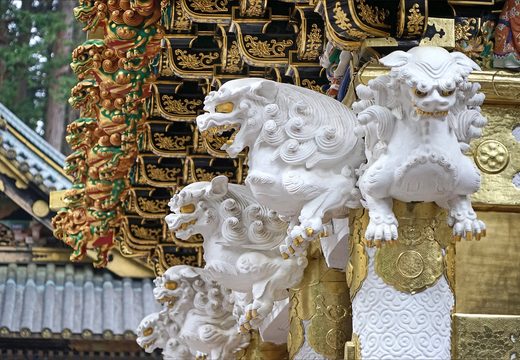
Day trip · Nikko Nikko Nikko is two hours north and a world away: the riotously decorated Toshogu shrine complex in a cedar forest, waterfalls and a sacred bridge over a blue-green river. In autumn the foliage is the best in the region.
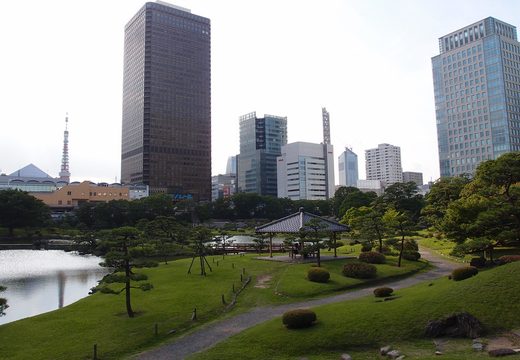
Park · Shiba Kyu Shiba Rikyu Gardens Kyu Shiba Rikyu Gardens is the smaller, calmer sibling of Hamarikyu, right next to Hamamatsucho station. A perfect Edo-period stroll garden ringed by glass towers, and somehow almost always empty.
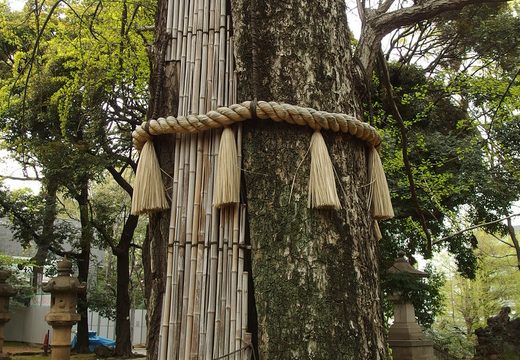
Shrine · Akasaka Akasaka Hikawa Shrine Akasaka Hikawa Shrine is a wooded shrine whose main sanctuary was built in 1730 by the eighth shogun, Tokugawa Yoshimune, and came through the Great Kanto Earthquake and the 1945 air raids intact. A giant ginkgo about 400 years old stands in the grounds, still leafing even though wartime fires hollowed it out.
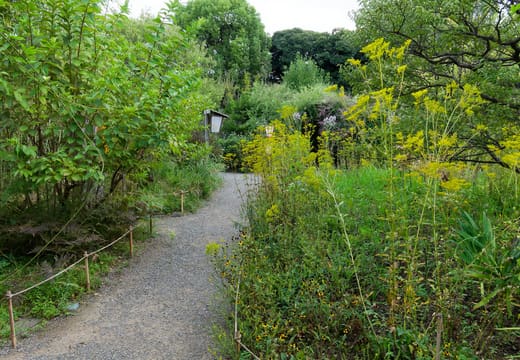
Park · Mukojima Mukojima-Hyakkaen Garden Mukojima-Hyakkaen is the only Edo-period flower garden left in Tokyo, created around 1804 by an antiques dealer and his literary friends, who planted 360 plum trees and scattered poem stones through the grounds. It's known for plum blossom, autumn grasses and a 30-metre tunnel of hagi bush clover.
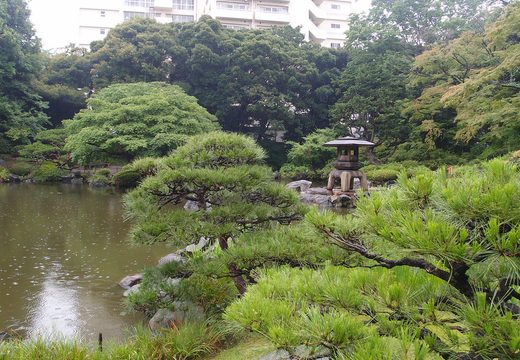
Park · Komagome Kyu-Furukawa Gardens Kyu-Furukawa Gardens is an odd hybrid: a 1917 stone Western mansion and terraced rose garden by the British architect Josiah Conder, with a traditional Japanese pond garden below by the famous Kyoto gardener Ogawa Jihei. The roses bloom against the brick in spring and autumn.
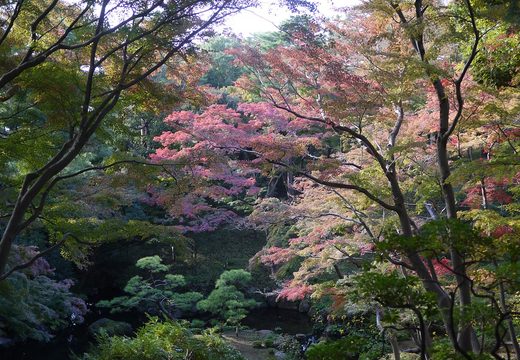
Park · Kokubunji Tonogayato Garden Tonogayato Garden is a nationally designated Place of Scenic Beauty two minutes from Kokubunji Station, built as a villa garden and later owned by Mitsubishi's founding family. It drops down a natural valley, past a spring and through bamboo to a pond, with a teahouse perched on the slope.
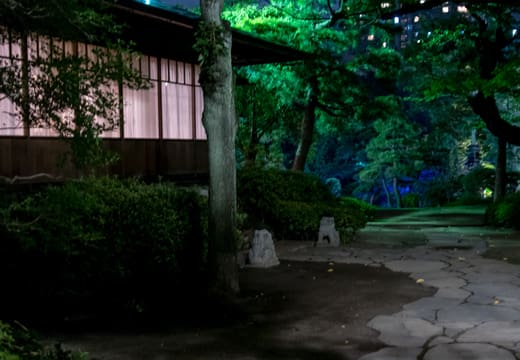
Park · Shirokanedai Happo-en Happo-en is a free Japanese strolling garden attached to a famous wedding venue, with roots going back 400 years. It's at 1-1-1 Shirokanedai in Minato, a minute's walk from Shirokanedai Station on the Namboku and Mita lines. The pond garden has a row of bonsai up to about 525 years old, a teahouse, koi and cherry and maple colour in season.
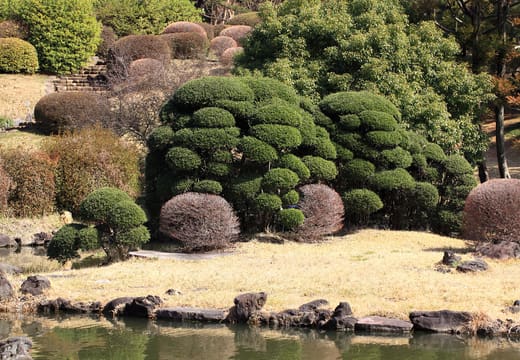
Park · Hakusan Koishikawa Botanical Garden Koishikawa Botanical Garden is Japan's oldest botanical garden, run by the University of Tokyo and descended from the shogunate's medicinal herb garden of 1684. Its 16 hectares mix research plantings with an old landscape garden, ginkgo avenues and one of Bunkyo's best low-key hanami lawns.
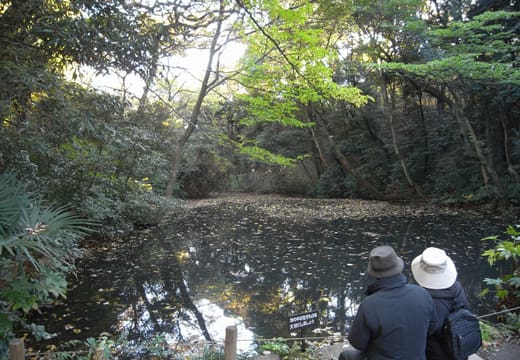
Park · Meguro Institute for Nature Study The Institute for Nature Study is a 20-hectare protected piece of wild Musashino forest near Meguro Station, run by the National Museum of Nature and Science as a living record of what Tokyo looked like before the city. More than 200 native plant species, dragonfly ponds, birds and even tanuki.
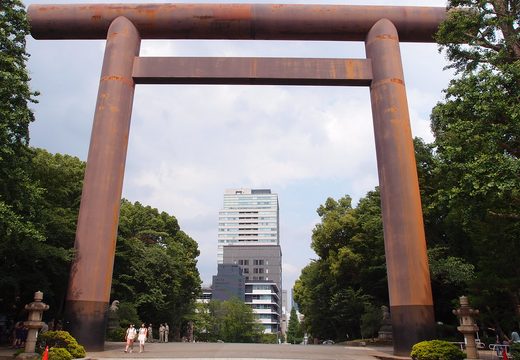
Shrine · Chiyoda Yasukuni Shrine Yasukuni Shrine is a vast 1869 shrine at the top of Kudan hill, entered through one of the biggest torii gates in Japan. The Japan Meteorological Agency's benchmark cherry tree grows here, and when it opens five blossoms, Tokyo's sakura season is officially declared.
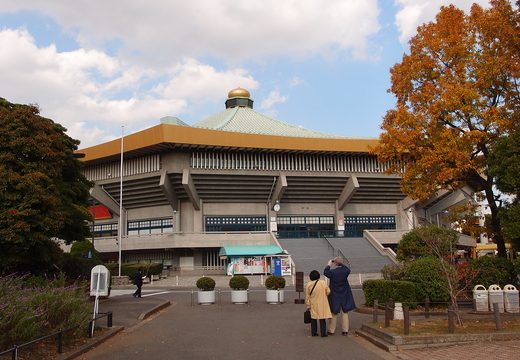
Park · Chiyoda Kitanomaru Park Kitanomaru Park is the former northern citadel of Edo Castle, now a wooded public park that holds the Nippon Budokan concert hall. You enter through the original Tayasumon gate, one of the oldest surviving gates of the castle.
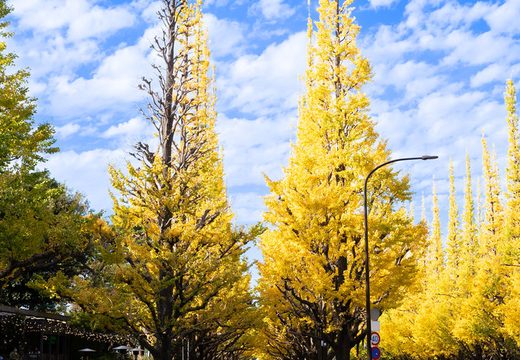
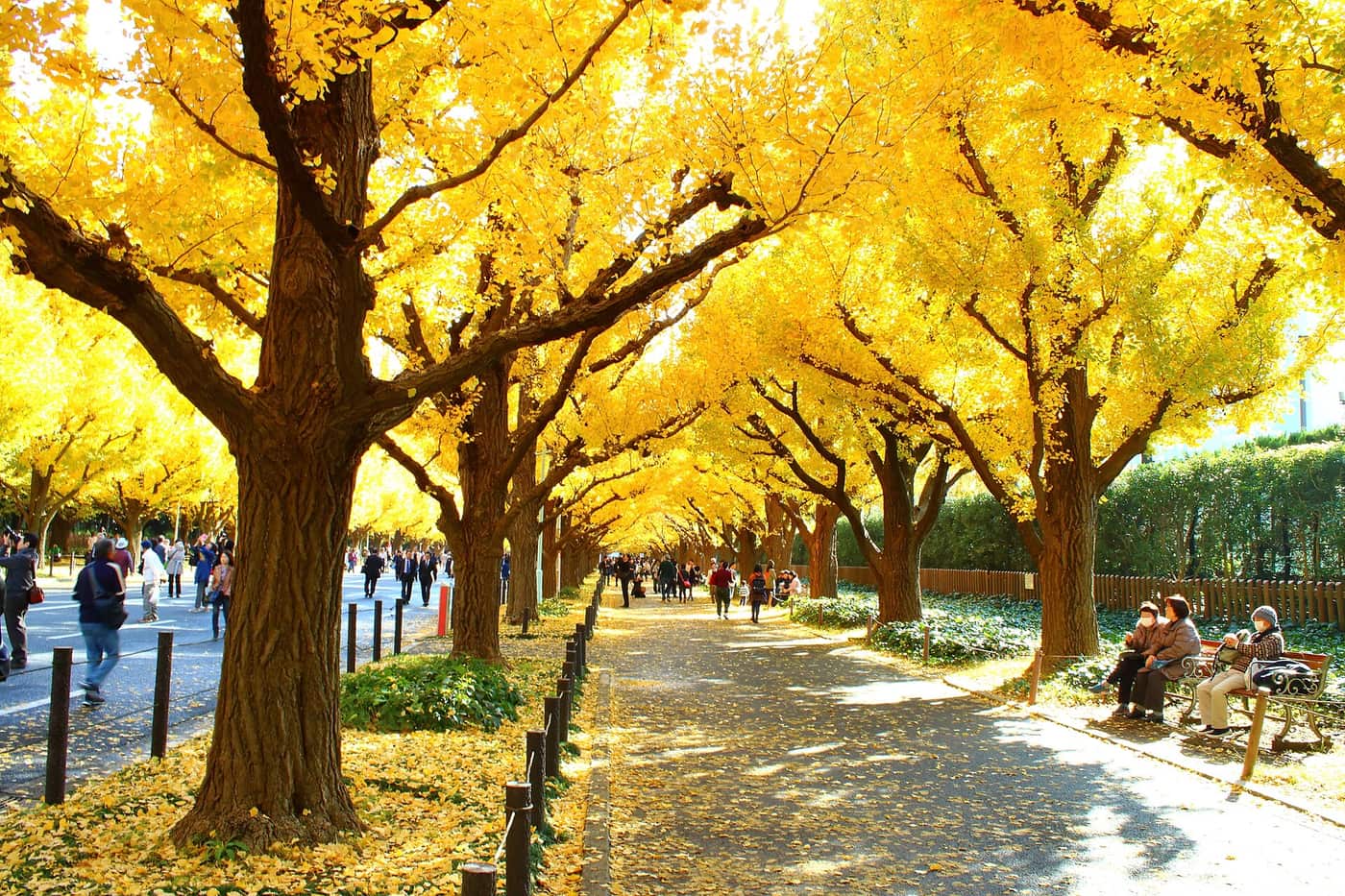
Viewpoint · Aoyama Meiji Jingu Gaien Ginkgo Avenue Meiji Jingu Gaien Ginkgo Avenue is four rows of ginkgo trees forming a 300-metre golden corridor towards the Meiji Memorial Picture Gallery. The trees are pruned into sharp cones, which is why the perspective looks drawn rather than grown.
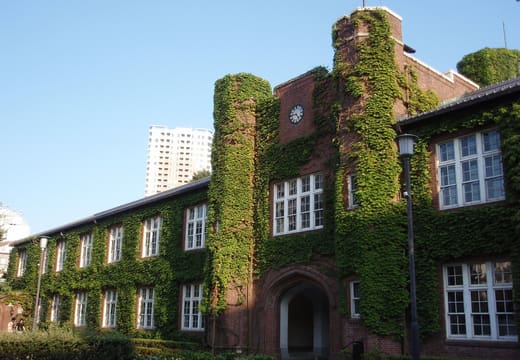
Landmark · Ikebukuro Rikkyo University Ikebukuro Campus Rikkyo University's Ikebukuro campus is a red-brick campus founded by American Episcopal missionaries, centred on the ivy-covered Morris Hall of 1919, with a chapel and the Mather Library Memorial Hall, all listed as historic buildings by the Tokyo government. Ten minutes from the west exit, and it feels nothing like the station around it.
More photos
More collections
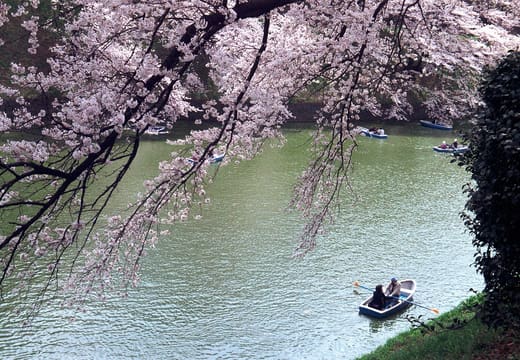 Tokyo Cherry Blossom Map Where to see sakura in Tokyo, and when to go
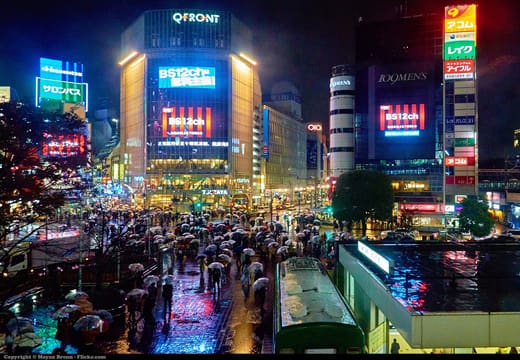 Rainy Day Tokyo Museums, arcades, food halls, and other dry pleasures
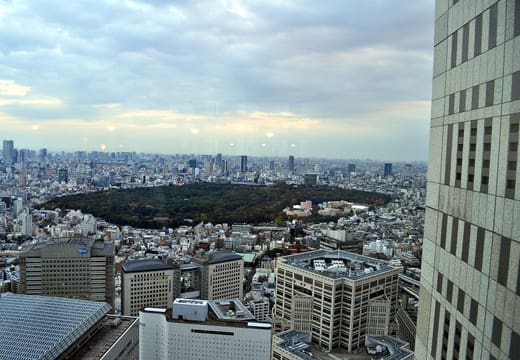 Free Things to Do in Tokyo The best city in the world for spending nothing
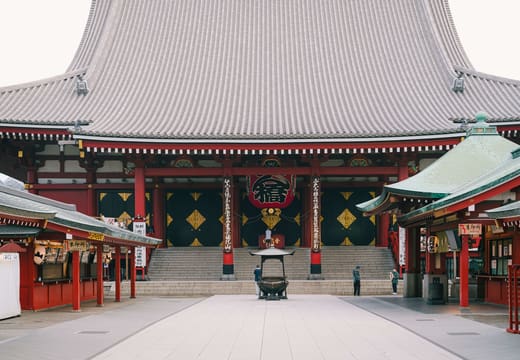 Tokyo Early in the Morning The city before it puts its face on
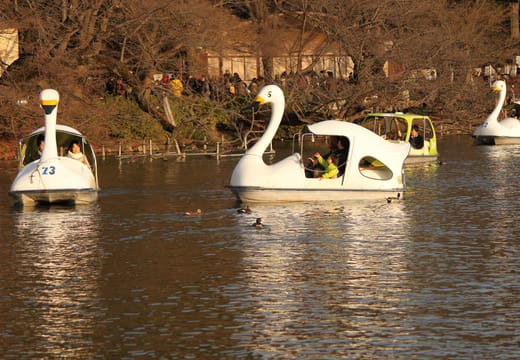 Tokyo with Kids Places that work for small people and the adults carrying them
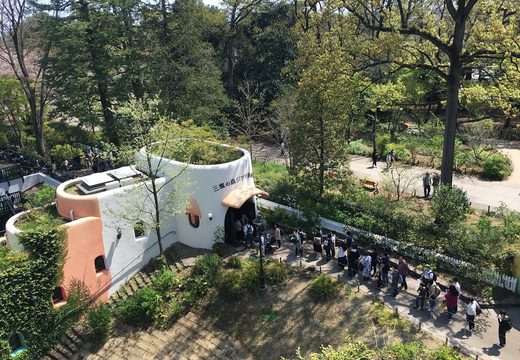 Anime and Manga in Tokyo Museums, shops and pilgrimage spots for anime and manga fans