Tokyo with Kids
Places that work for small people and the adults carrying them
Tokyo is one of the easiest big cities to travel with children. It's clean and safe, it's full of parks, and nearly every train station has an elevator if you know where to look. The trick is to alternate the headline attractions with places where kids can just run. Everything here passed one test: would a six year old be happy, and would you still be having a good time too?
In photos
57 places
Year round When
The places
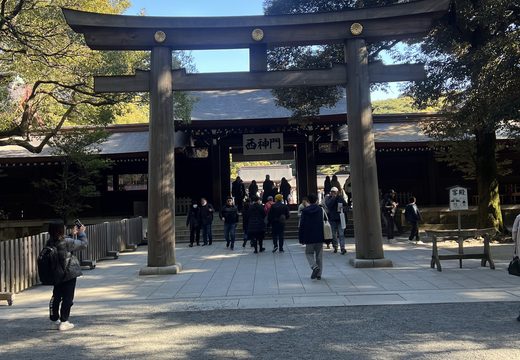
Shrine · Harajuku Meiji Shrine Meiji Shrine is the calmest of Tokyo's big shrines, set in 170 acres of forest. The wide gravel path under the tall camphor trees feels nothing like the city outside.
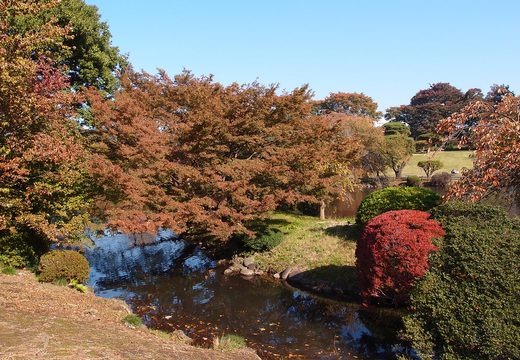
Park · Shinjuku Shinjuku Gyoen Shinjuku Gyoen is the best park in Tokyo: 58 hectares with a French formal garden, an English landscape garden and a Japanese strolling garden. It has about 900 cherry trees, which makes it the best hanami spot in the city.
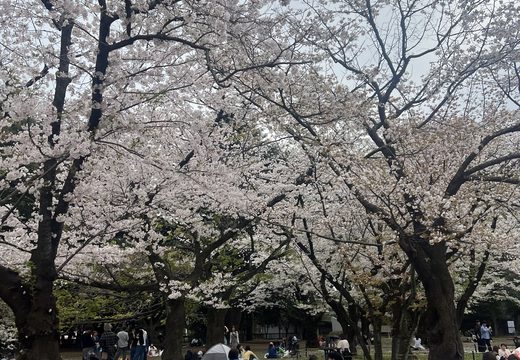
Park · Harajuku Yoyogi Park Yoyogi Park is where Tokyo goes to play. At weekends the lawns fill with musicians, unicyclists, dog walkers and picnickers, and the Meiji Shrine forest next door makes it the big green space of the west side.
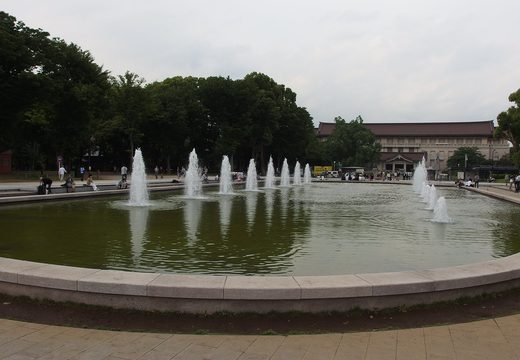
Park · Ueno Ueno Park Ueno Park opened in 1873 as one of Japan's first public parks. It has five major museums, a zoo, a lake with rowboats and the city's most famous cherry blossom avenue. In spring it's crowded and chaotic, and that's half the fun.
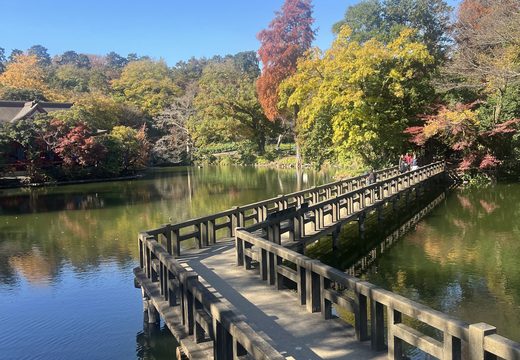
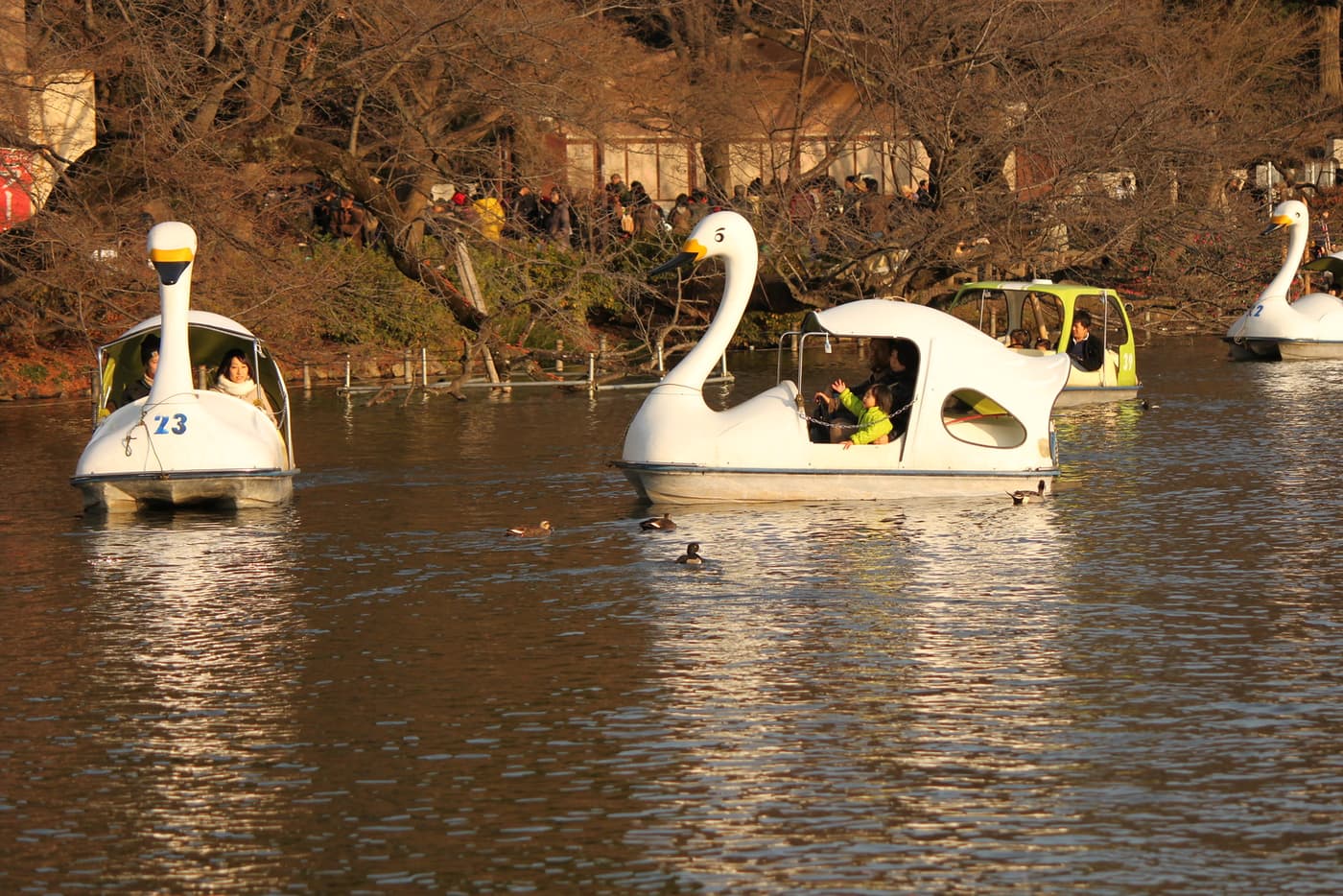
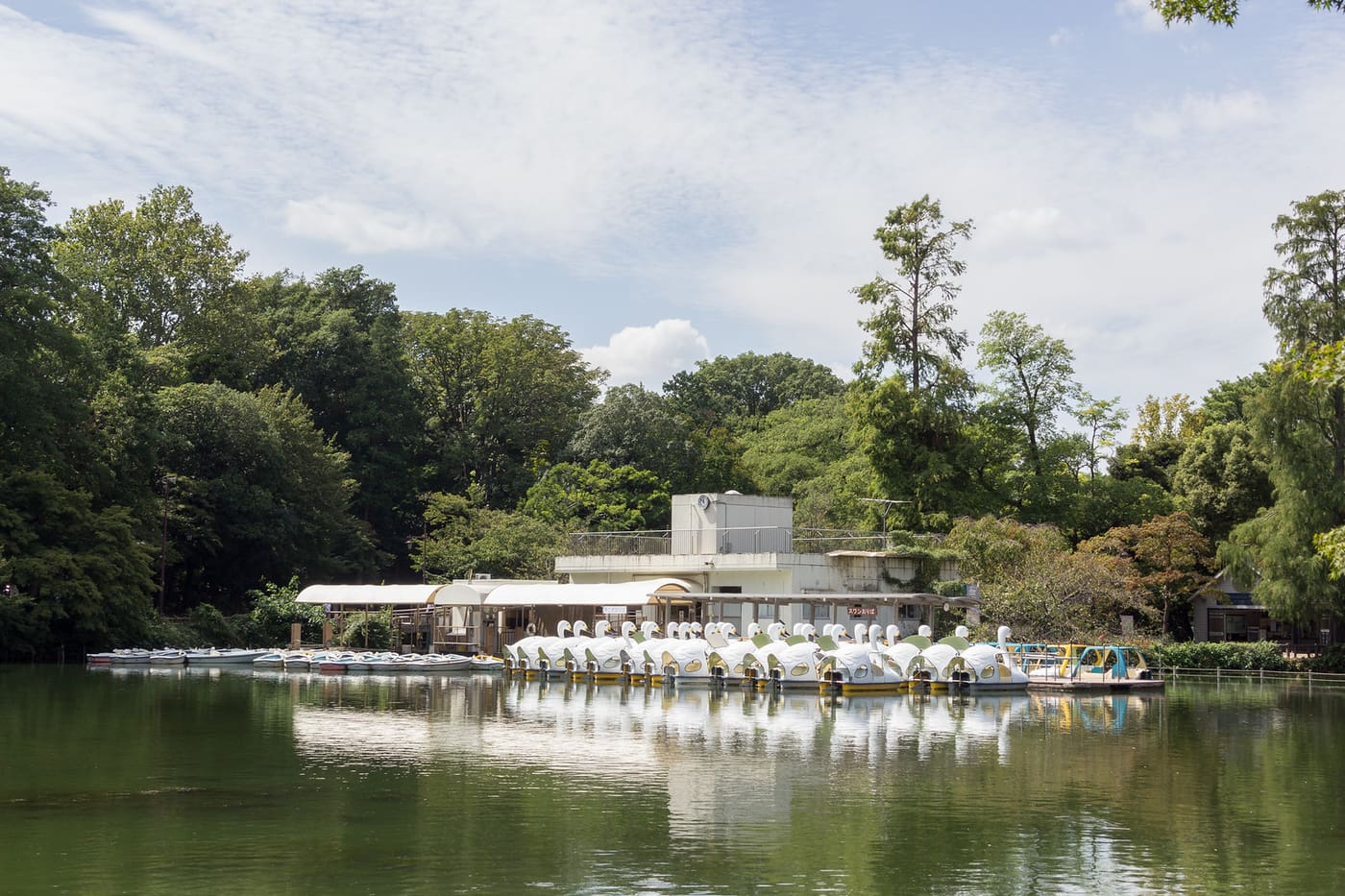
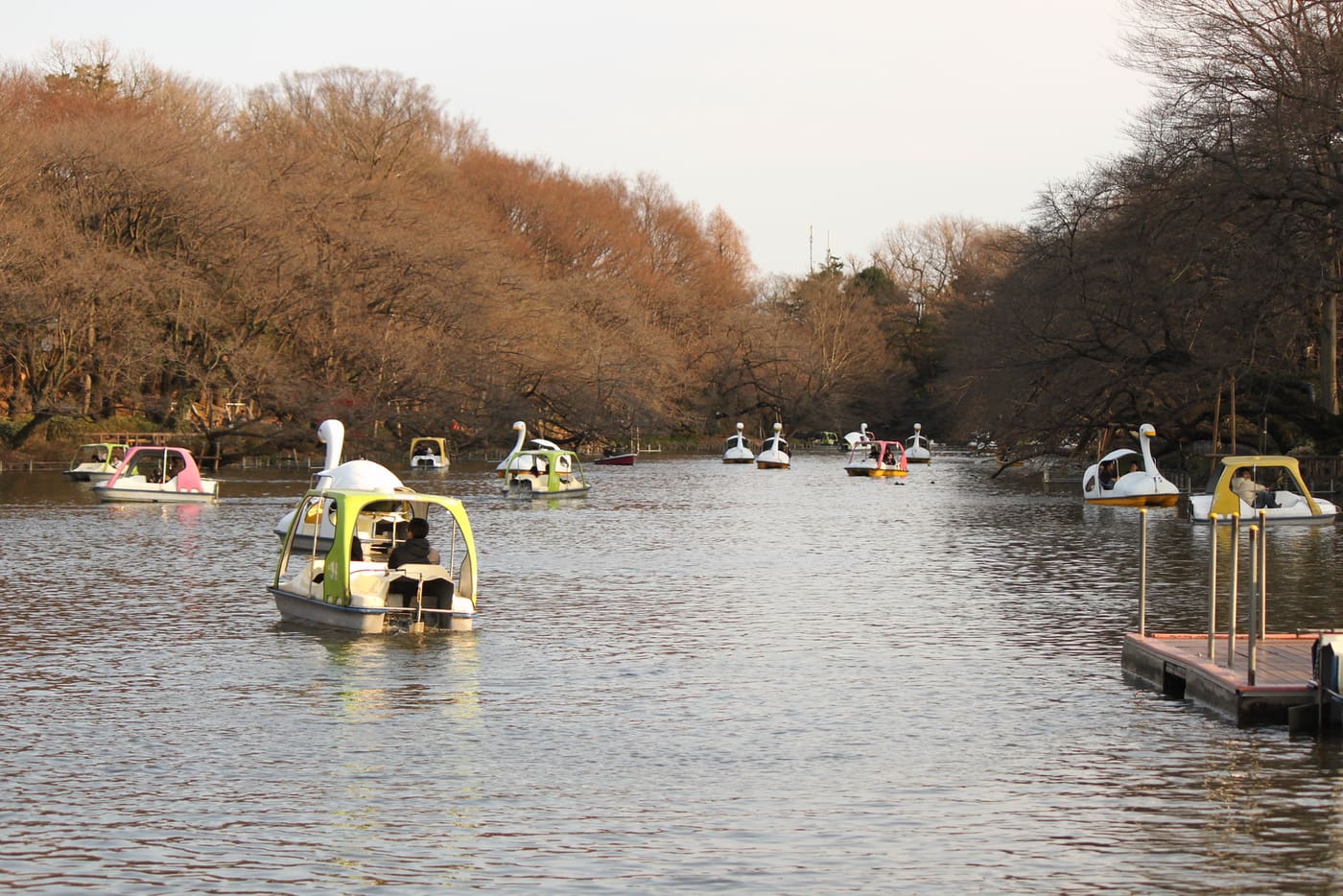
Park · Kichijoji Inokashira Park Inokashira Park is a well-loved local park built around a big lake, with rowboats for hire, a small zoo and street musicians at weekends. Kichijoji has long ranked near the top of polls of where Tokyoites most want to live, and this park is a big reason why.
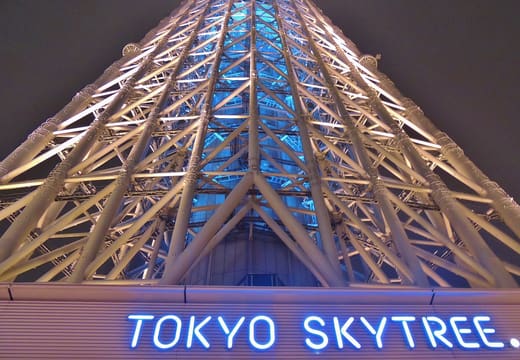
Viewpoint · Asakusa Tokyo Skytree Tokyo Skytree is the tallest broadcast tower in the world at 634m. On clear winter days you can see Mt Fuji to the southwest. The Tembo Deck at 350m and the Tembo Galleria at 450m give you two very different scales of view.
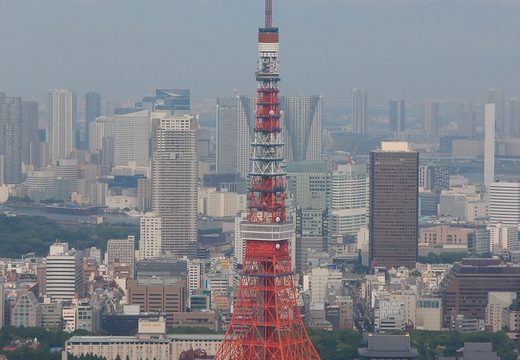
Viewpoint · Shiba Tokyo Tower Tokyo Tower is still the landmark most people picture when they think of the city. The Skytree beats it on height, but not on charm or location. The orange and white lattice looks best at night, lit against the dark.
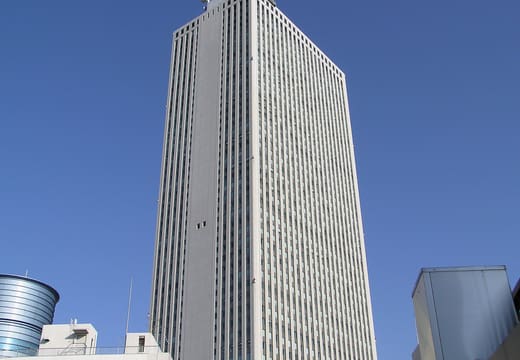
Viewpoint · Ikebukuro Sunshine 60 Sunshine 60 is the old Ikebukuro landmark, built on the site of Sugamo Prison. Since a 2023 renovation the 60th-floor deck has been Tenbo-Park, an indoor sky park with artificial turf and seating next to the view. The views north and west are the best in this part of the city.
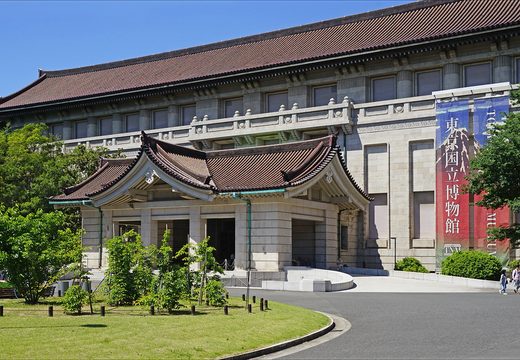
Museum · Ueno Tokyo National Museum The Tokyo National Museum is Japan's oldest and largest museum, with the biggest collection of Japanese art anywhere. The Honkan main building holds samurai armour, ukiyo-e prints, lacquerware and Buddhist sculpture across 24 rooms.
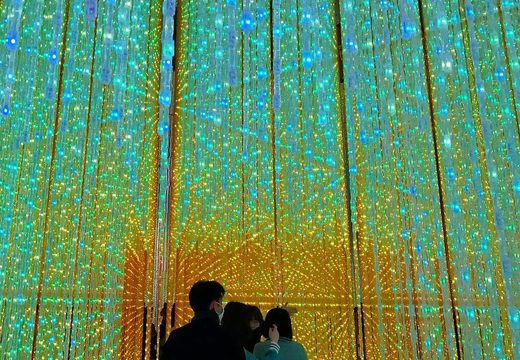
Museum · Toyosu teamLab Planets teamLab Planets is a digital art installation you walk through barefoot, through rooms of water, flowers, mirrored light and floating spheres. The idea is that you stop being a viewer and become part of the work.
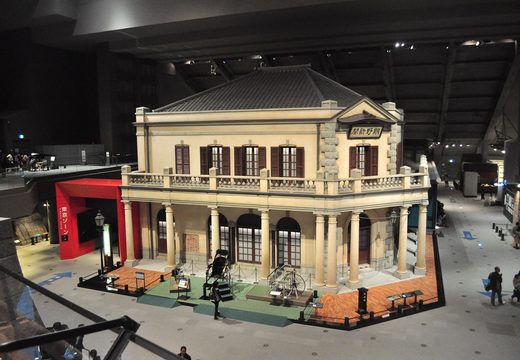
Museum · Ryogoku Edo-Tokyo Museum The Edo-Tokyo Museum is a giant museum about the city's history from the Edo period to the 20th century. Life-size reconstructions of Edo streets and market stalls let you walk through 400 years of Tokyo.
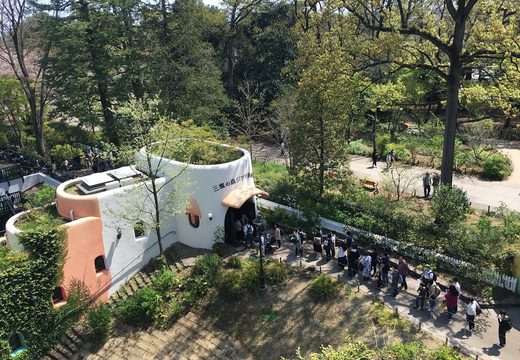
Museum · Mitaka Ghibli Museum The Ghibli Museum is Hayao Miyazaki's own idea of what a museum should be: imaginative, handmade and anti-corporate. A short film screens here and nowhere else. The Cat Bus room for children is one of the most joyful rooms in any museum.
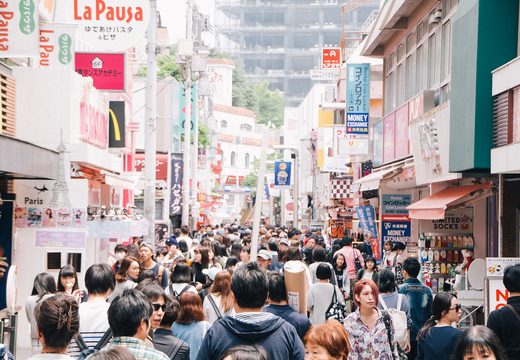
Shopping · Harajuku Takeshita Street Takeshita Street is the pedestrian street that has been a home for Tokyo youth fashion for about 50 years. It is loud and maximalist, with crepe shops, vintage stores and street fashion at full volume.
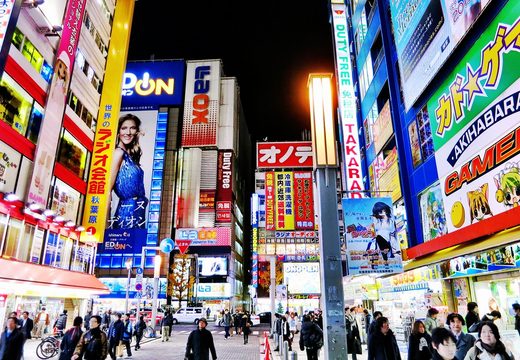
Shopping · Akihabara Akihabara Electric Town Akihabara Electric Town is one of the densest concentrations of electronics, anime and manga anywhere. Eight-storey shops are stuffed with gadgets, figures, retro games and obscure components.
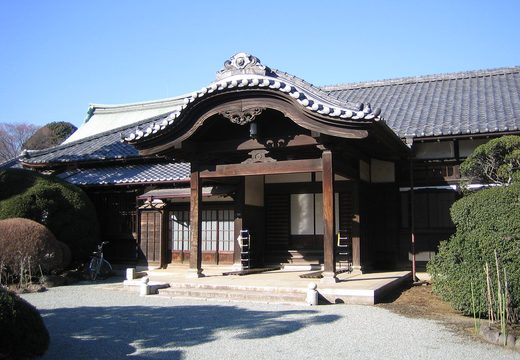
Temple · Setagaya Gotokuji Temple Gotokuji Temple is the birthplace of the maneki-neko, the beckoning cat. Thousands of white lucky cats of every size fill the grounds, left by visitors whose wishes came true. It's a calm residential spot twenty minutes from Shibuya by tram and train.
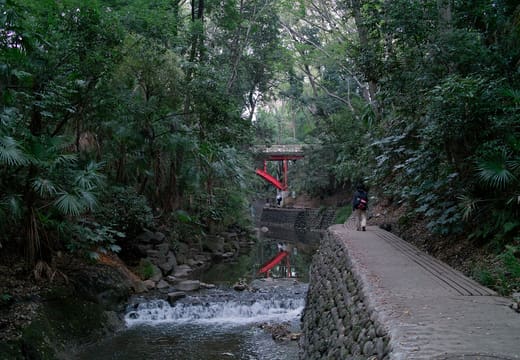
Park · Setagaya Todoroki Valley Todoroki Valley is the only natural valley in Tokyo's 23 wards: a kilometre of thick green canopy, a stream and a path that feels like rural Japan, about half an hour from Shibuya. You feel the temperature drop as you go down the steps.
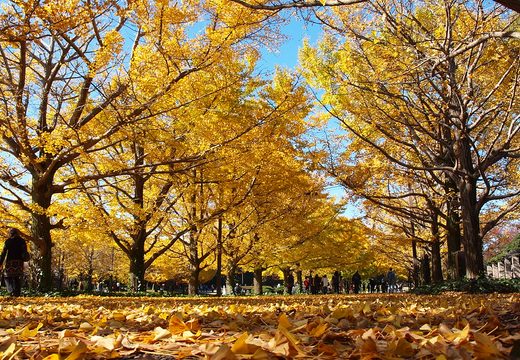
Park · Tachikawa Showa Kinen Park Showa Kinen Park is a huge national park of about 180 hectares in western Tokyo, with bikes for hire, lakes, seasonal flower fields and a 300-metre ginkgo avenue. In November the ginkgo tunnels are reason enough to go.
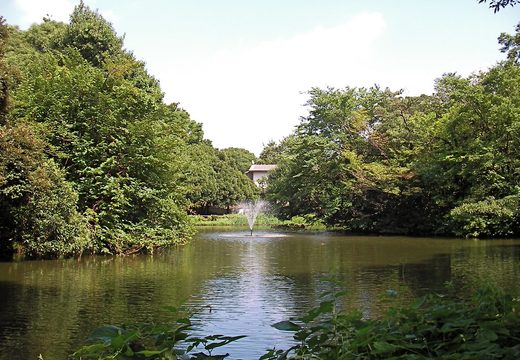
Park · Suginami Wadabori Park Wadabori Park is a long green strip along the Zenpukuji River in Suginami where local life happens: baseball practice, barbecues, dog walks, morning runs. No tourists at all, and that's the point.
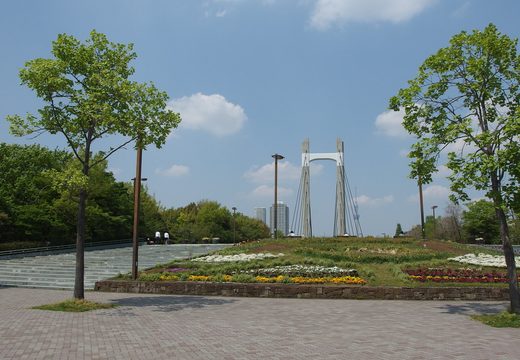
Park · Koto Kiba Park Kiba Park is a big open park in eastern Tokyo built over the old lumber yards, with wide lawns, barbecue pits and the Museum of Contemporary Art on its northern edge. Deep local territory.
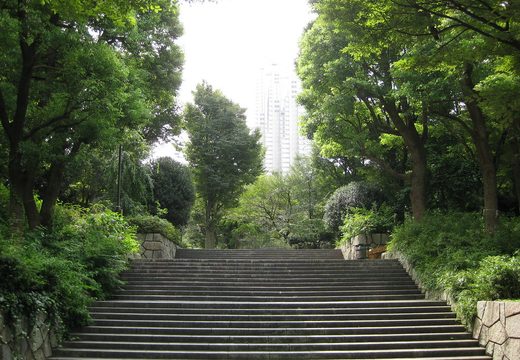
Park · Shinjuku Shinjuku Chuo Park Shinjuku Chuo Park is the green space right behind the Tokyo Metropolitan Government towers, where office workers eat lunch and the city gets on with its day. A useful pocket of calm on the skyscraper side of Shinjuku.
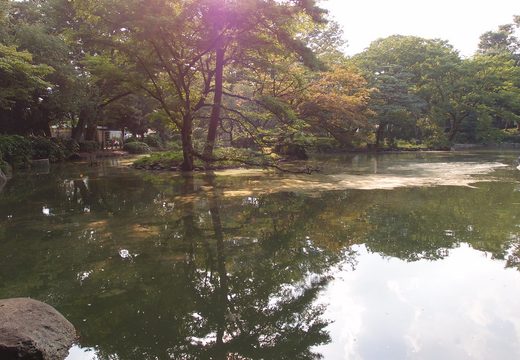
Park · Hiroo Arisugawa-no-miya Memorial Park Arisugawa-no-miya Memorial Park is a hilly, wooded park in the embassy district, with a pond, stone bridges and paths that drop steeply through the trees. The crowd from the embassies around it gives it a calm, international feel.
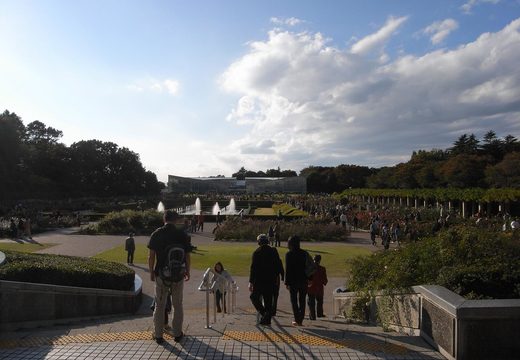
Park · Chofu Jindai Botanical Gardens Jindai Botanical Gardens is the biggest botanical garden in Tokyo, spread over the hill above Jindaiji Temple, with 100,000 plants, a famous rose garden and a grand greenhouse. Spacious and unhurried, and far off the tourist circuit.
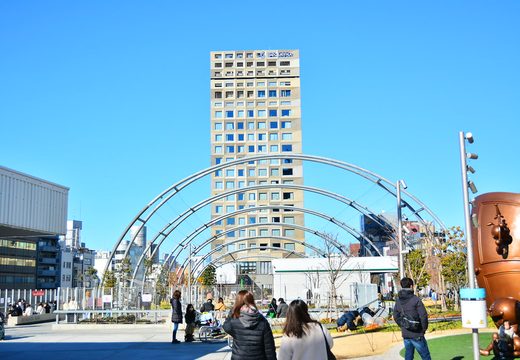
Shopping · Shibuya Miyashita Park Miyashita Park is a rooftop park laid over a three-storey shopping complex on the edge of Shibuya, with a lawn, a skate park and a bouldering wall above the shops. The food alley underneath does old Tokyo drinking culture in a new shell.
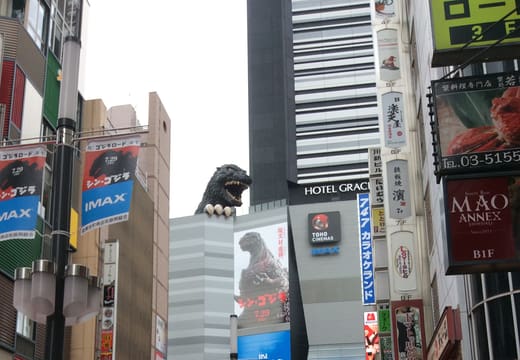
Landmark · Shinjuku Godzilla Head The Godzilla Head is a life-size Godzilla looming over the Toho cinema building in Kabukicho, roaring and lighting up on schedule. Gloriously silly and completely Tokyo.
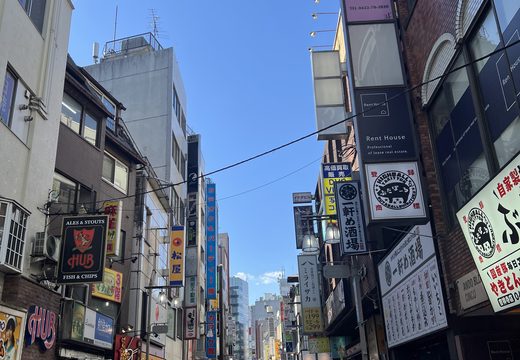
Neighbourhood · Kichijoji Kichijoji Kichijoji has long ranked near the top of polls of where Tokyoites most want to live. Inokashira Park is at its heart, the Harmonica Yokocho alleys are by the station, and streets of independent shops run off in every direction.
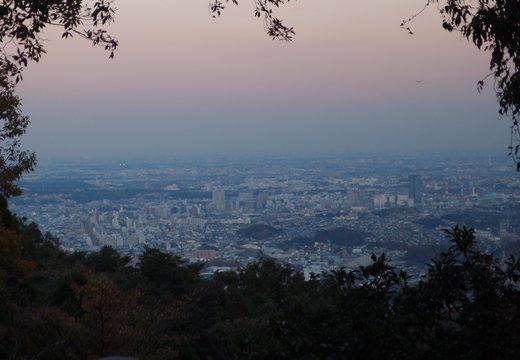
Day trip · Hachioji Mt Takao Mt Takao is Tokyo's sacred mountain, under an hour from Shinjuku on the Keio Line. There's a network of hiking trails, a mountaintop temple where yamabushi mountain ascetics still train, a monkey park and, on a clear day, a straight view to Mt Fuji.
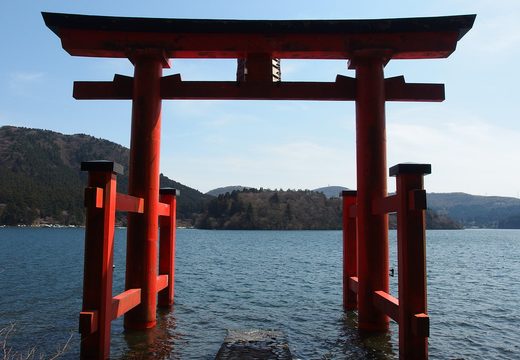
Day trip · Hakone Hakone Hakone is the classic escape from Tokyo: a volcanic valley of hot springs, ryokan, mountain railways and a lake with Mt Fuji rising behind the torii gate of Hakone Shrine. You can do it in a day. It's better overnight.
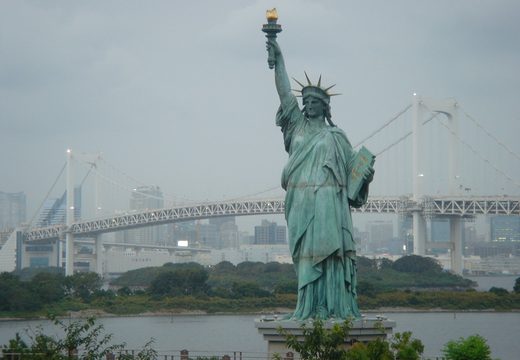
Park · Odaiba Odaiba Seaside Park Odaiba Seaside Park is an artificial beach with the best view there is of Rainbow Bridge and the Tokyo skyline across the water, plus a scale Statue of Liberty for extra strangeness. Sunset here is one of the best free shows in the city.
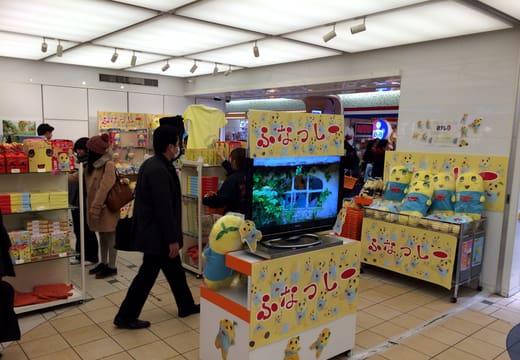
Shopping · Tokyo Station Tokyo Character Street Tokyo Character Street is an underground arcade of more than 30 official character shops inside Tokyo Station: Ghibli, Pokémon, Sanrio, NHK mascots, all of it. With kids it's a destination. Without kids it's dangerously good gift shopping.
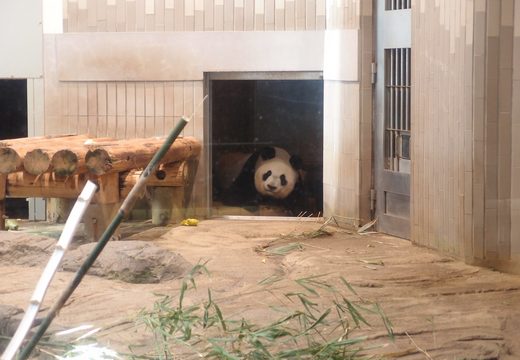
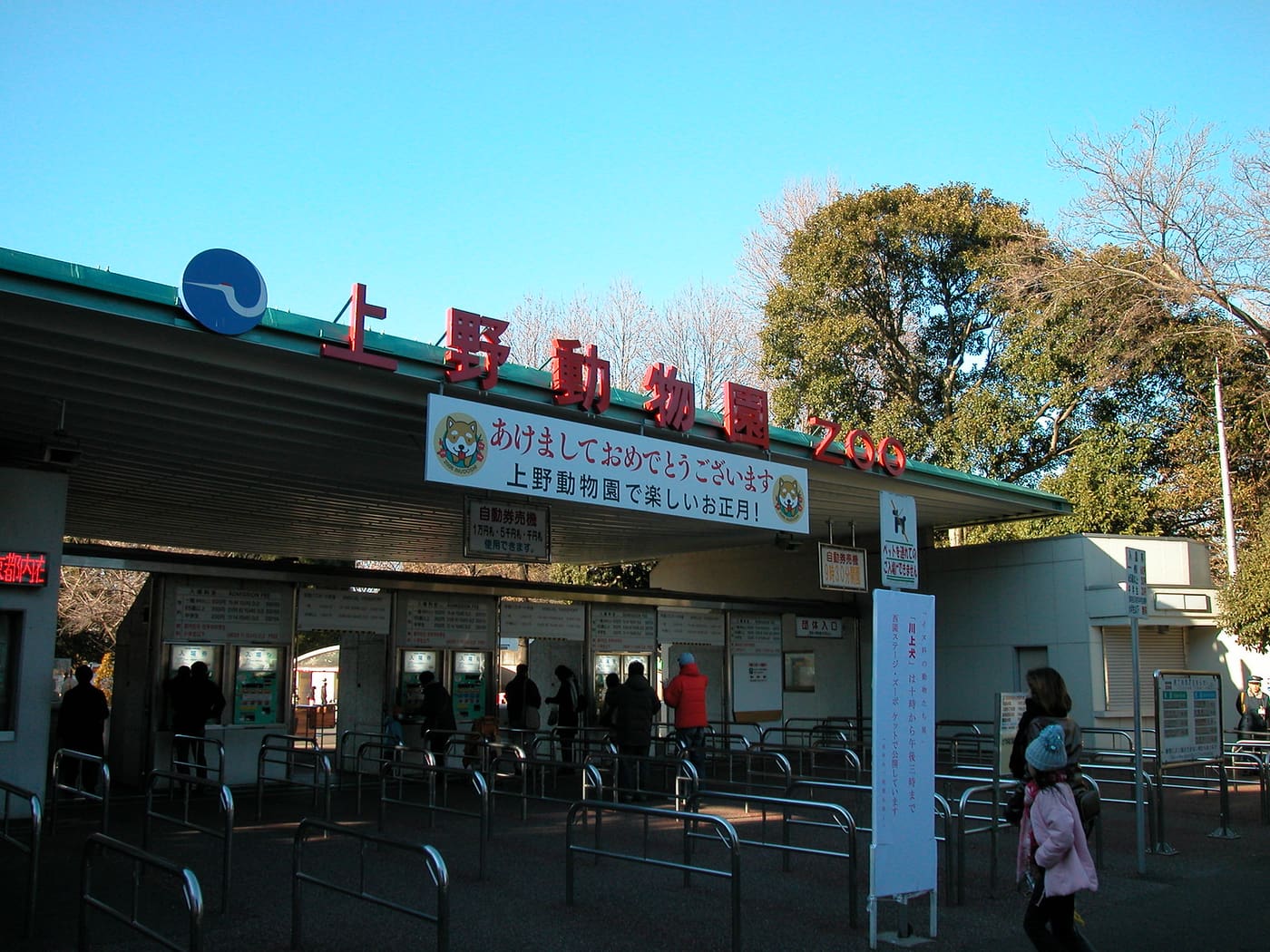
Park · Ueno Ueno Zoo Ueno Zoo is Japan's oldest zoo, in a corner of Ueno Park. It's compact, cheap and exactly the right size for small legs, with a five-storey pagoda rising over the enclosures. Its famous giant pandas went back to China in January 2026, leaving Japan without pandas for the first time since 1972.
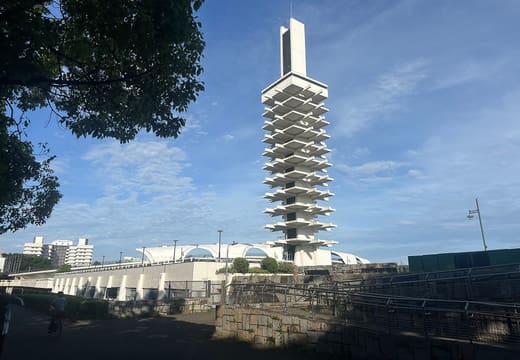
Park · Komazawa Komazawa Olympic Park Komazawa Olympic Park is a big Setagaya sports park built for the 1964 Olympics, with brutalist stadiums, a landmark control tower and jogging and cycling loops shaded by zelkova and cherry trees. Local families love it at weekends.
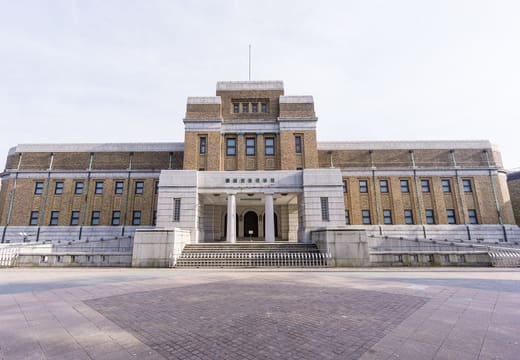
Museum · Ueno National Museum of Nature and Science The National Museum of Nature and Science is Japan's flagship science museum, in Ueno Park, with a life-size blue whale outside, dinosaur skeletons, a 360-degree dome theatre and the Japan Gallery on the islands' nature and people. Entry is only around 630 yen.
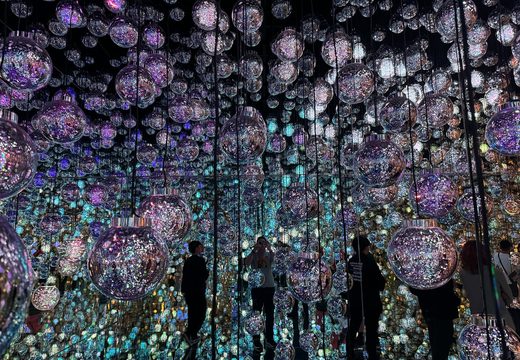
Museum · Azabudai teamLab Borderless teamLab Borderless is the relocated digital art museum that reopened in 2024 at Azabudai Hills: a maze of borderless projection works that drift from room to room, including the mirrored Infinite Crystal World and a tea house where flowers bloom in your cup.
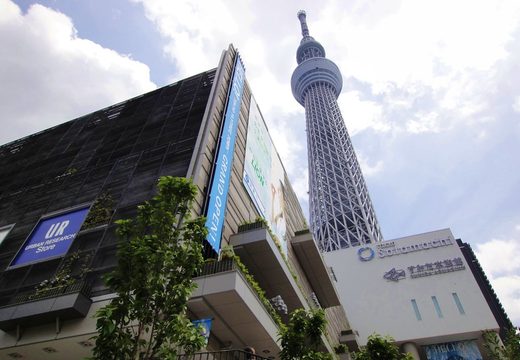
Shopping · Oshiage Tokyo Solamachi Tokyo Solamachi is the 300-plus-shop complex at the base of Tokyo Skytree, with character stores and a big food hall alongside the Sumida Aquarium and a planetarium, plus restaurants on the 30th and 31st floors with free tower views.
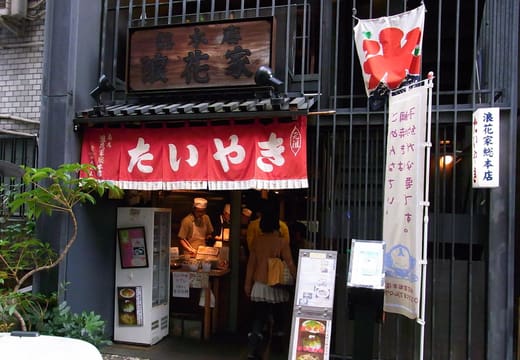
Food · Azabu-Juban Naniwaya Sohonten Naniwaya Sohonten is the birthplace of taiyaki, and it has baked the fish-shaped bean-paste cakes in Azabu-Juban since 1909. Each one is still cooked on its own in a heavy iron mould, the slow itcho-yaki way.
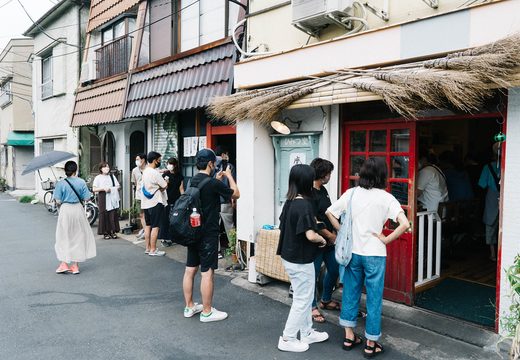
Food · Yanaka Himitsudo Himitsudo is Tokyo's most famous kakigori shop, just off the Yuyake Dandan steps by Yanaka Ginza. Natural ice from Nikko is shaved on a hand-cranked machine and drowned in homemade fruit syrups.
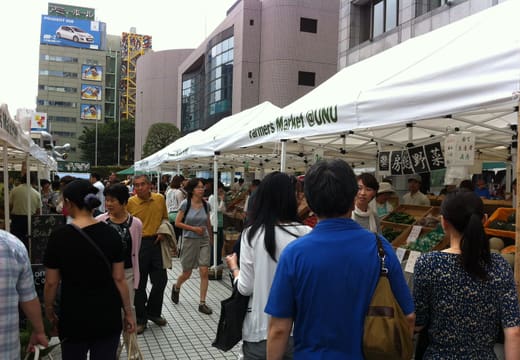
Market · Aoyama Farmers Market at UNU Every Saturday and Sunday the plaza in front of the United Nations University on Aoyama-dori fills with farmers selling vegetables, fruit, honey and flowers straight from their fields, with coffee and food trucks along the edge. This is where Tokyo's chefs and food-obsessed locals shop at the weekend.
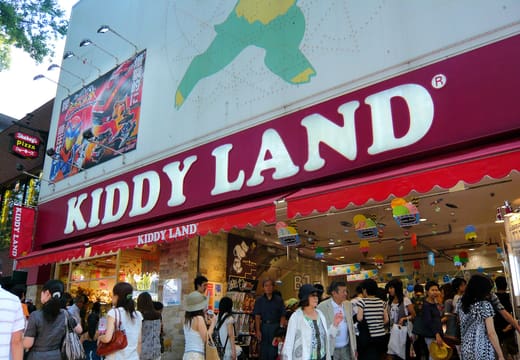
Shopping · Harajuku Kiddy Land Harajuku Kiddy Land is the character-goods institution on Omotesando, with floor after floor of Snoopy, Sanrio, Rilakkuma, Ghibli and whatever character Japan is obsessed with this month. It's been a Harajuku fixture for decades, and adults enjoy it as much as children do.
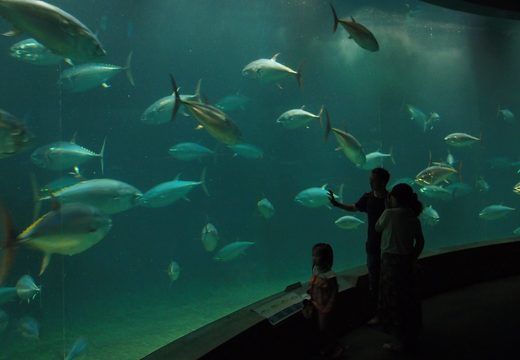
Park · Kasai Kasai Rinkai Park Kasai Rinkai Park is a huge waterfront park on Tokyo Bay, opened in 1989, with a bird sanctuary, an artificial beach and the Tokyo Sea Life Park aquarium.
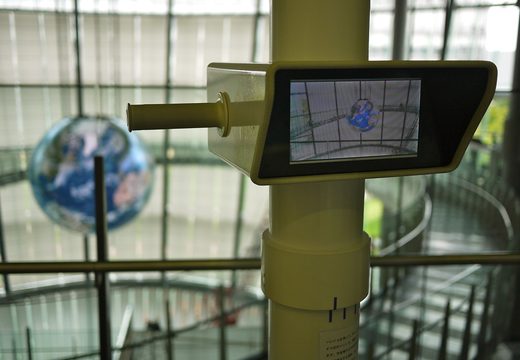
Museum · Odaiba Miraikan Miraikan is Japan's national museum of emerging science, built around the Geo-Cosmos, a giant suspended globe that shows the Earth in near real time. The exhibits cover robotics, space and life science, and most of them are hands-on.
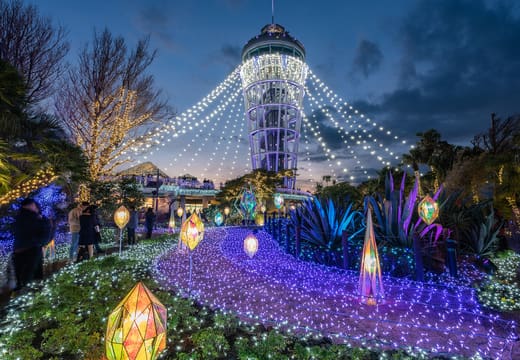
Day trip · Enoshima Enoshima Enoshima is a small sacred island off the Shonan coast, reached by a 600-metre bridge and stacked with shrines to the goddess Benzaiten, a botanical garden and the Sea Candle observation lighthouse. On clear winter days Mount Fuji floats above the bay to the west.
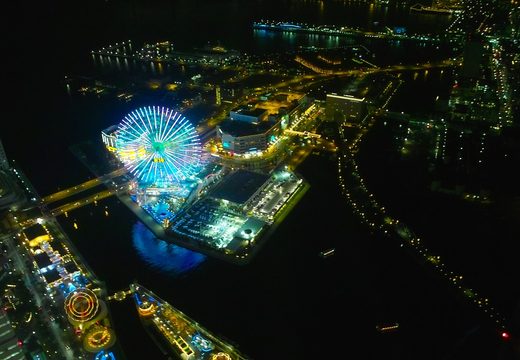
Day trip · Yokohama Yokohama Minato Mirai Yokohama's Minato Mirai packs the Landmark Tower, the Red Brick Warehouse shops and the Cup Noodles Museum into a walkable waterfront loop. Japan's largest Chinatown is three stops further down the same line.
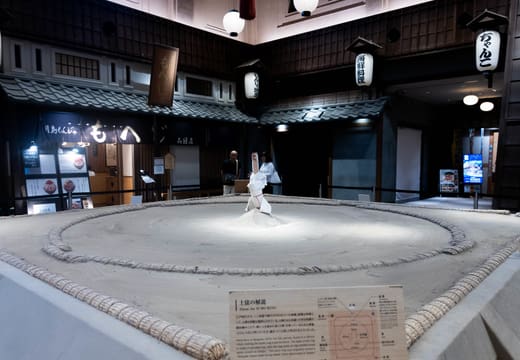
Food · Ryogoku Ryogoku Edo Noren Ryogoku Edo Noren is the 1929 Ryogoku station building, reopened in 2016 as a food hall arranged around a full-size raised sumo ring. About a dozen counters serve old Tokyo dishes under one roof, from chanko nabe and monjayaki to fukagawa-meshi clam rice.
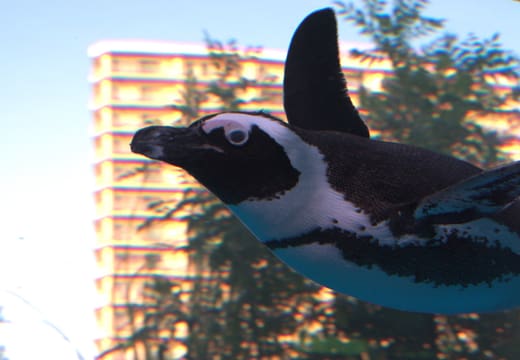
Museum · Ikebukuro Sunshine Aquarium Sunshine Aquarium is a rooftop aquarium on top of Sunshine City, where the penguin tank is built so the birds seem to swim above the Ikebukuro skyline and sea lions glide through a ring-shaped tank over your head. The indoor floors below hold the jellyfish and tropical tanks.
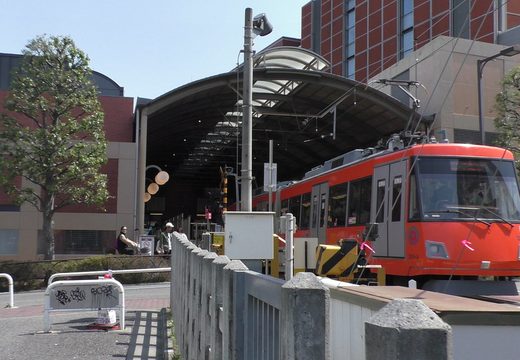
Landmark · Sangenjaya Tokyu Setagaya Line The Tokyu Setagaya Line is one of Tokyo's two surviving tram lines: two-car trains running five kilometres and ten stations from Sangenjaya to Shimo-Takaido through low-rise residential Setagaya, at one flat fare. The Sangenjaya terminus is at the foot of Carrot Tower.
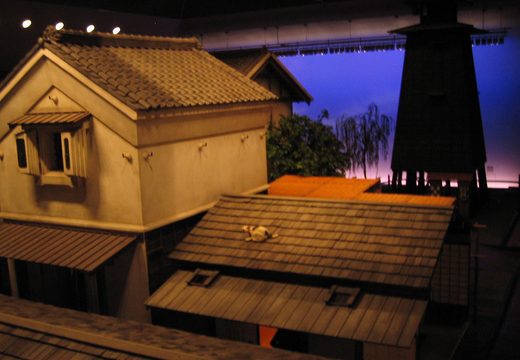
Museum · Kiyosumi Fukagawa Edo Museum The Fukagawa Edo Museum is a full-size reconstruction of a Fukagawa riverside neighbourhood around 1840, built inside a hall: row houses, shops, a boathouse, a tavern and a fire lookout, all made with traditional techniques. You can walk the lanes and step into the houses.
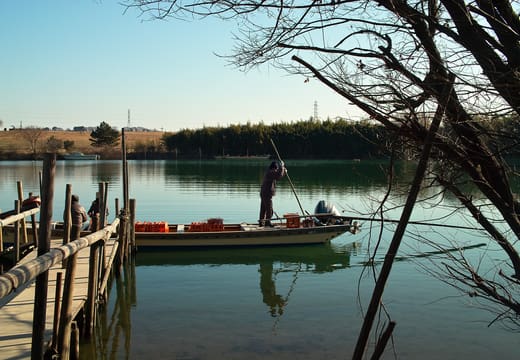
Landmark · Shibamata Yagiri no Watashi Yagiri no Watashi is a rowed ferry across the Edo River between Shibamata and Matsudo in Chiba, the only river crossing of its kind still running in Tokyo and the subject of a hit 1980s enka song. There's no timetable. The boat goes when enough passengers are waiting.
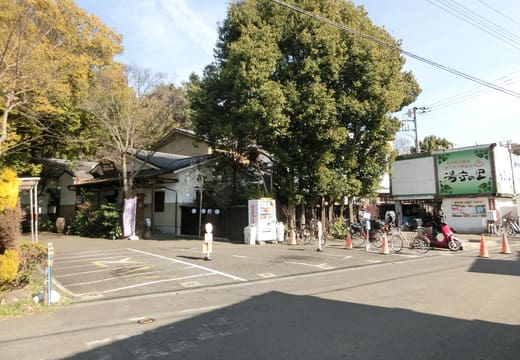
Onsen · Chofu Yumori no Sato Yumori no Sato is a day-trip onsen a few minutes' walk from Jindaiji, and its water is the real thing: dark brown kuro-yu pumped from 1,500 metres. There are nine different baths and a restaurant serving Jindaiji soba. Pair it with the temple and the botanical gardens for a slow day on Tokyo's west side.
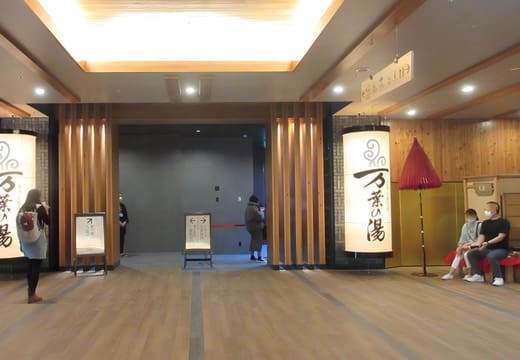
Onsen · Toyosu Tokyo Toyosu Manyo Club Tokyo Toyosu Manyo Club is the onsen complex next to Toyosu Market, open 24 hours. The water is trucked in by tanker from the hot springs of Hakone and Yugawara, the outdoor bath looks out over Tokyo Bay, and there's a rooftop footbath garden with a view right round the waterfront. Come after the morning tuna at the market.
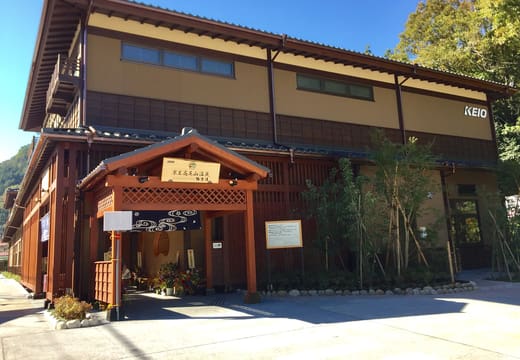
Onsen · Hachioji Keio Takaosan Onsen Gokurakuyu Keio Takaosan Onsen Gokurakuyu sits right beside Takaosanguchi station, built for hikers coming down off Mt Takao. The natural hot spring comes from about 1,000 metres down and fills outdoor rock baths at two temperatures. Soak, then take the Keio Line straight back to Shinjuku.
Sento · Asakusa Yakushiyu Yakushiyu is a minute from Tokyo Skytree station and was redone in April 2025 with a Greek theme. Mizuki Tanaka painted Mykonos on the men's side and Santorini on the women's. It runs more than 100 different daily baths a year, has a children's bath and a well-water cold plunge.
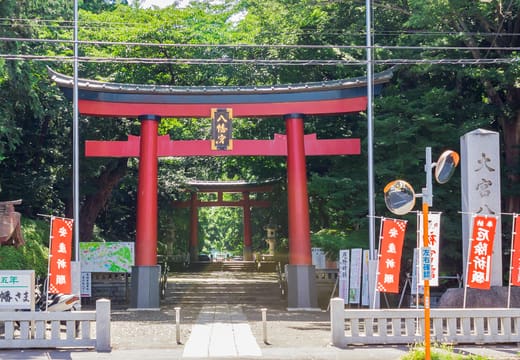
Shrine · Suginami Omiya Hachimangu Shrine Omiya Hachimangu is Suginami's big local shrine, set in a wooded precinct right beside Wadabori Park. It calls itself the navel of Tokyo, and families come to pray for a safe birth and for their children's health. Daniel and his wife had their Shinto wedding here.
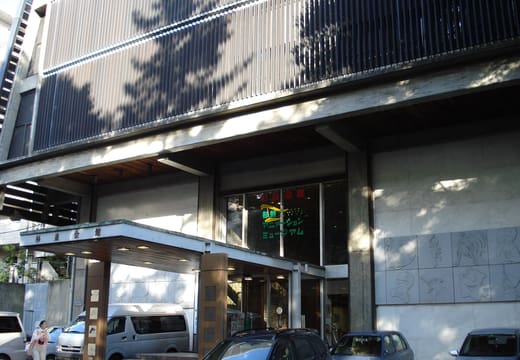
Museum · Ogikubo Suginami Animation Museum The Suginami Animation Museum is a free museum on the third floor of Suginami Kaikan, run by Tokyo Polytechnic University. A timeline walks you through the history of Japanese anime, there's a dubbing corner where you can try voicing a scene yourself, and the theatre shows anime on a 200-inch screen. Special exhibitions on one studio or series change three or four times a year.
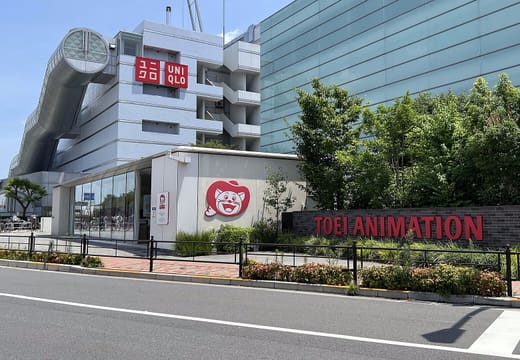
Museum · Oizumi Toei Animation Museum The Toei Animation Museum is run by Toei Animation itself, the oldest anime studio still in business, in Higashi-Oizumi in Nerima. It's small and free, and it covers about seventy years of the studio's work, from its earliest films to the series on TV now. A permanent Digimon display opened in June 2026.
Shopping · Ikebukuro Gashapon Department Store Ikebukuro The Gashapon Department Store in Sunshine City is Bandai Namco's capsule toy hall, with 3,775 machines on the third floor of the World Import Mart building. Weeks after it opened in 2021 it set the Guinness World Record for the most capsule toy machines in one place, and it's added more since.
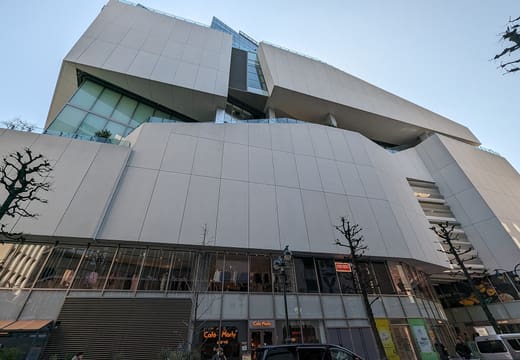
Shopping · Shibuya Shibuya PARCO Shibuya PARCO is a fashion mall, but anime and game fans go straight to the 6th floor, where Nintendo TOKYO, Pokémon Center Shibuya, the JUMP SHOP and the CAPCOM STORE TOKYO sit side by side. THE GUNDAM BASE SHIBUYA is due to open in the building in November 2026.
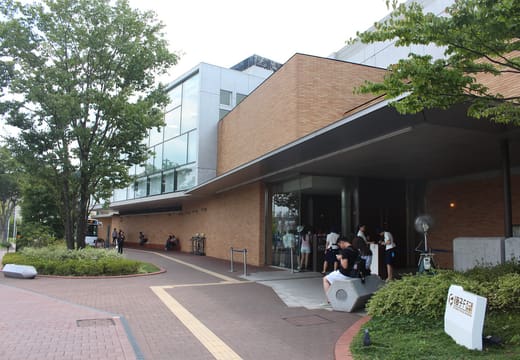
Museum · Kawasaki Fujiko F. Fujio Museum The Fujiko F. Fujio Museum in Kawasaki is given over to the creator of Doraemon, who lived for years in the city's Tama ward. His original colour artwork fills the first floor, a small theatre screens films you can't see anywhere else, and his characters wait for you on the rooftop playground. There's a manga reading room and a cafe too.
More photos
More collections
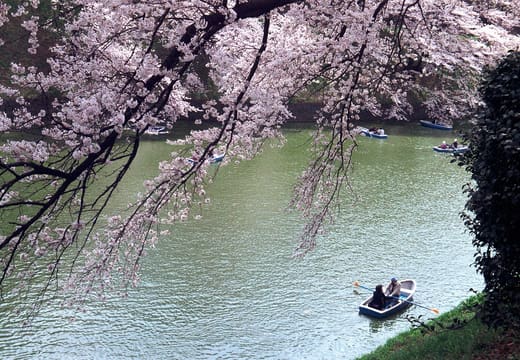 Tokyo Cherry Blossom Map Where to see sakura in Tokyo, and when to go
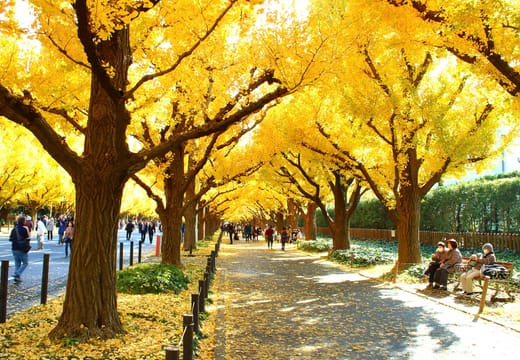 Autumn Colour in Tokyo Koyo season, the best two months in the Tokyo calendar
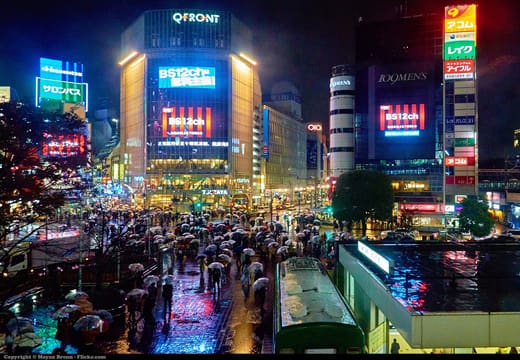 Rainy Day Tokyo Museums, arcades, food halls, and other dry pleasures
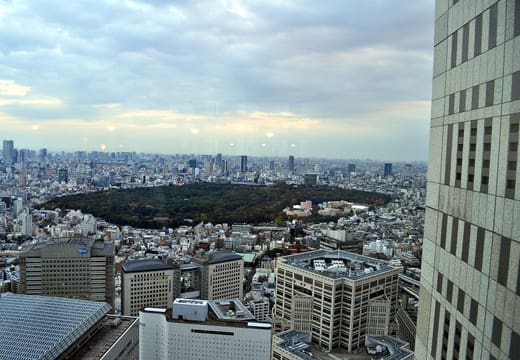 Free Things to Do in Tokyo The best city in the world for spending nothing
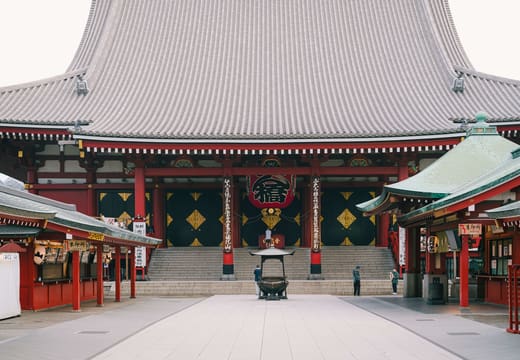 Tokyo Early in the Morning The city before it puts its face on Anime and Manga in Tokyo Museums, shops and pilgrimage spots for anime and manga fans