Tokyo Cherry Blossom Map
Where to see sakura in Tokyo, and when to go
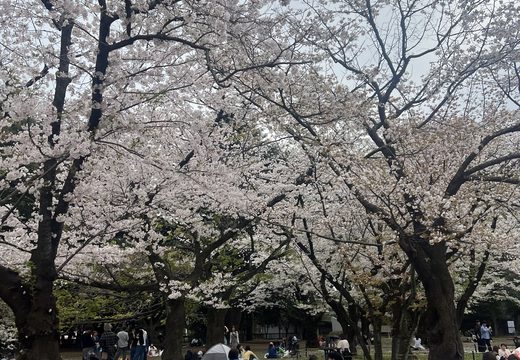
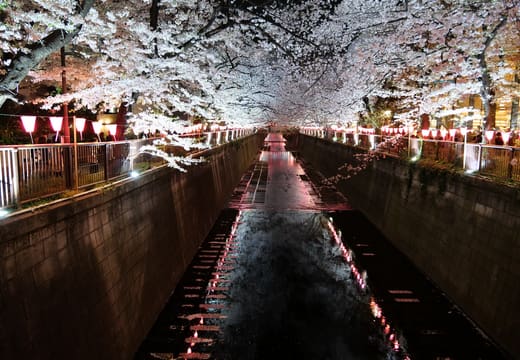
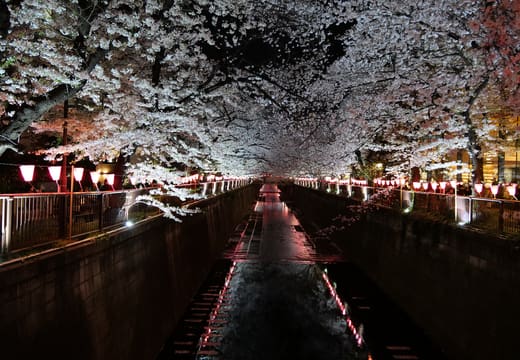
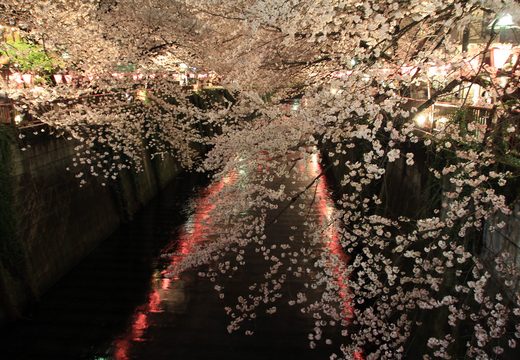
Cherry blossom season in Tokyo lasts about two weeks, usually from the last week of March into the first week of April, and the whole city reorganises its life around it. The famous spots are famous for a reason, but timing matters more than where you go. Ueno Park at 8am is magic. At 2pm it's a queue. Daniel's pick is the Meguro River in Nakameguro after dark, when the lanterns come on and the blossoms reflect in the water. Book your room three to four months ahead for these weeks. You won't get one otherwise.
The cherry blossom spots on a map
Every spot in this collection, numbered from west to east. Spots a few minutes apart share a pin. Tap a pin to open its page, or open the full map to see the spots next to hotels, events and the rest of Tokyo.
- Inokashira Park, Kichijoji · Kichijoji
- Wadabori Park · Suginami
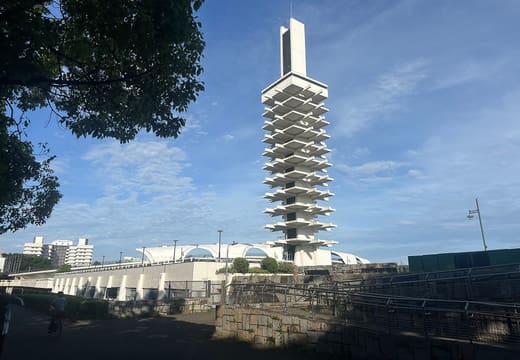
- Komazawa Olympic Park · Komazawa
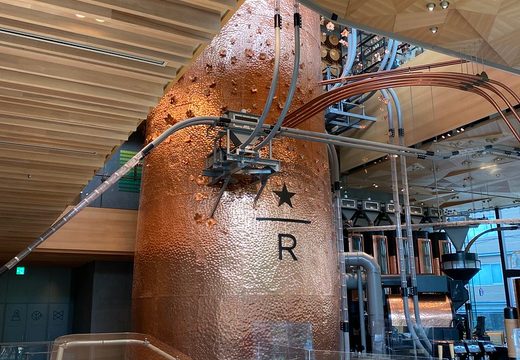
- Starbucks Reserve Roastery Tokyo · Nakameguro
- Yoyogi Park · Harajuku
- Nakameguro, Nakameguro riverside dining, Nakameguro canal bars · Nakameguro
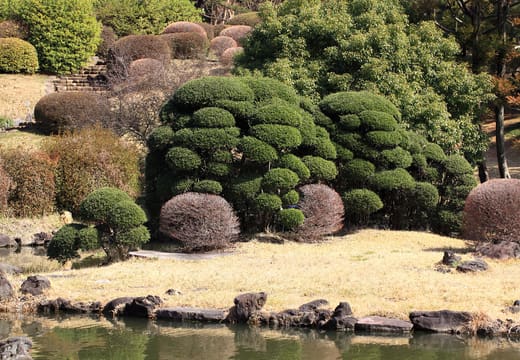
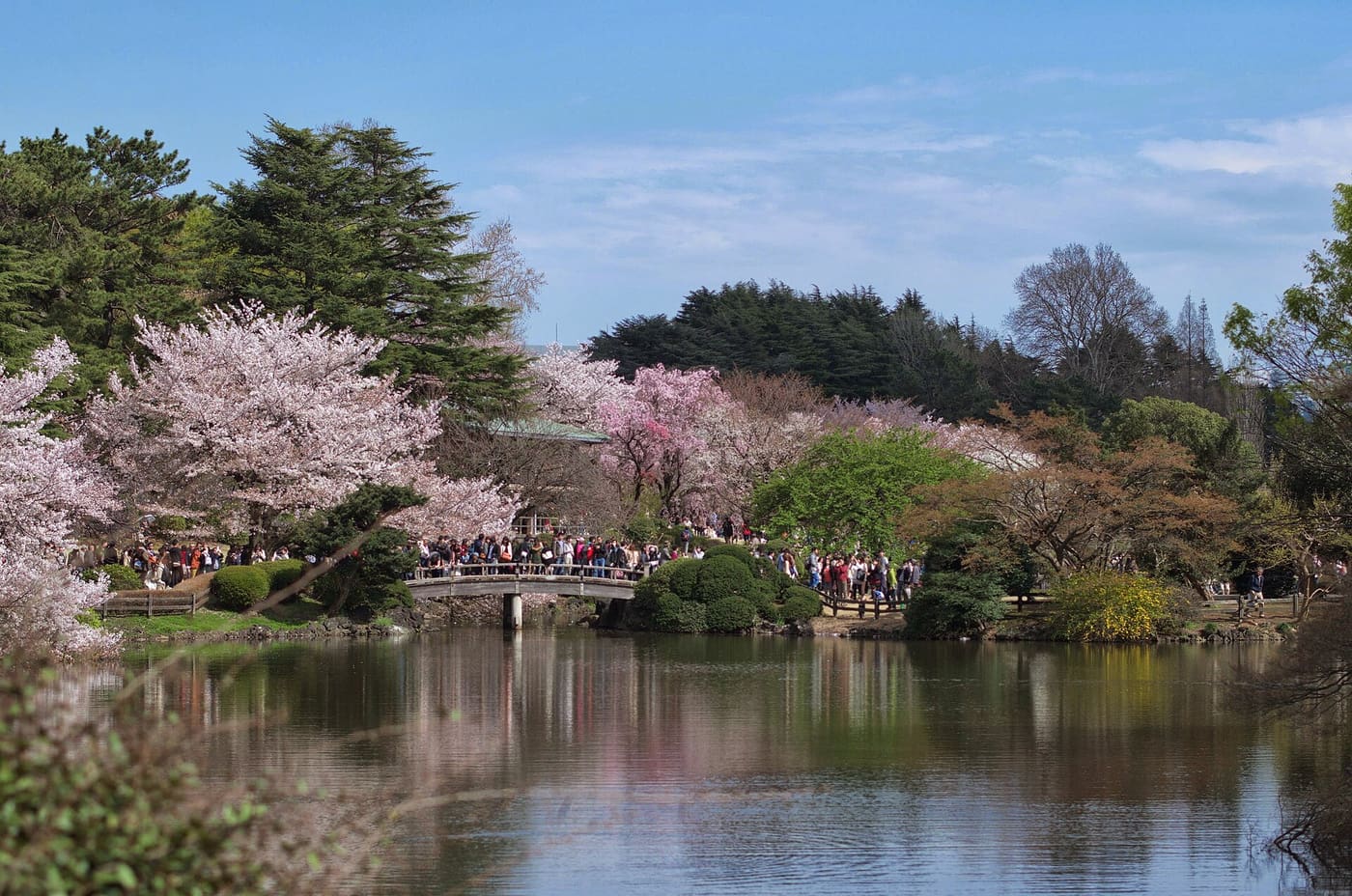
- Shinjuku Gyoen · Shinjuku
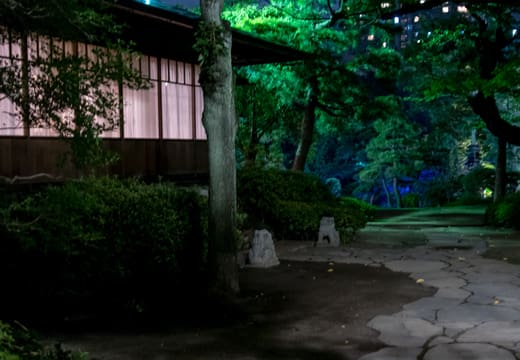
- Happo-en · Shirokanedai
- Ichigaya · Ichigaya
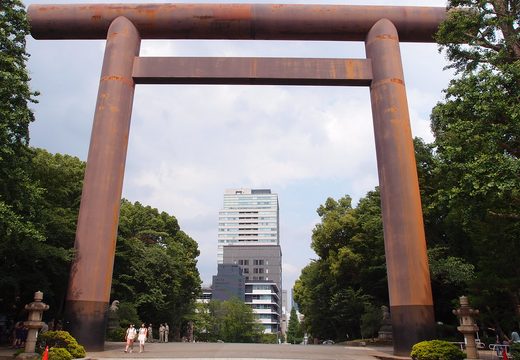
- Yasukuni Shrine · Chiyoda
- Koishikawa Botanical Garden · Hakusan
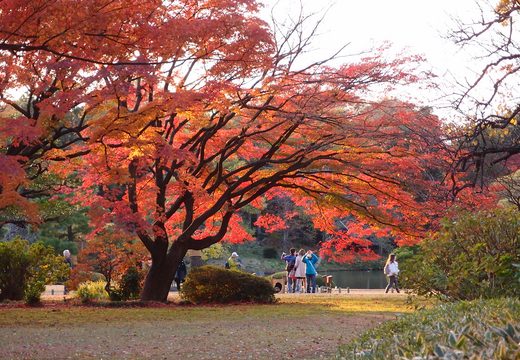
- Rikugien Gardens · Komagome
- Chidorigafuchi, Kitanomaru Park · Chiyoda
- Koishikawa Korakuen · Bunkyo
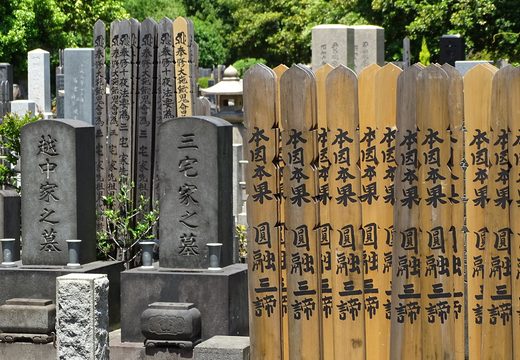
- Yanaka Cemetery, Yanaka · Yanaka
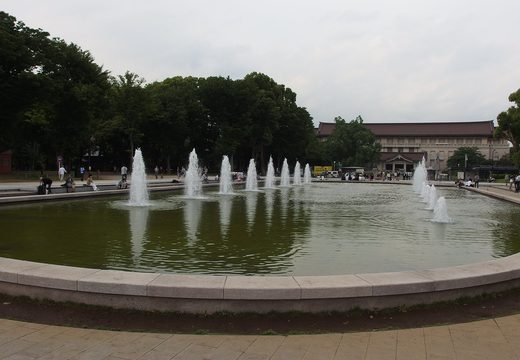
- Ueno Park · Ueno
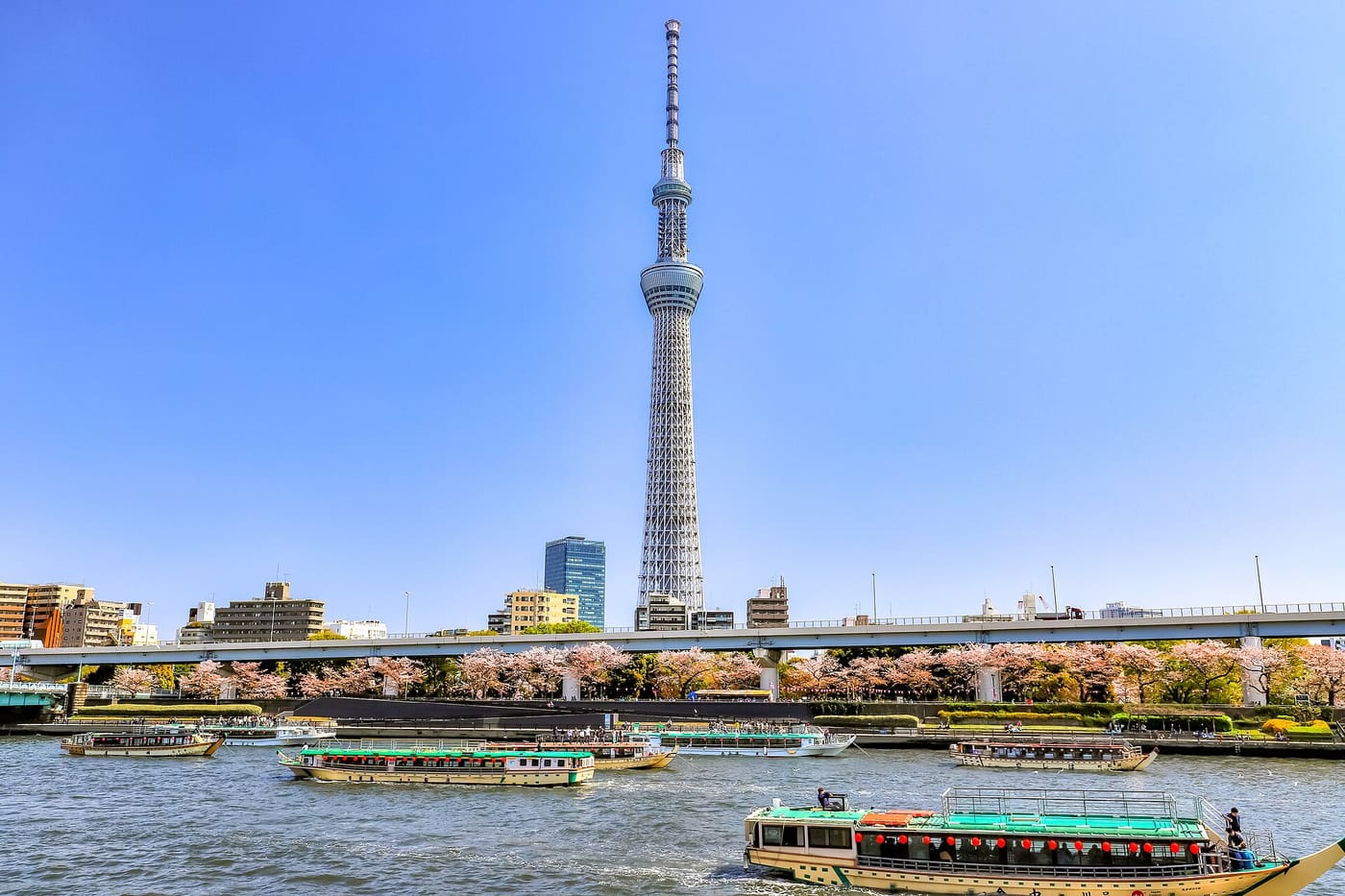
- Sumida Park · Asakusa
Off the map to the west: Showa Kinen Park (Tachikawa).
Cherry blossom 2027 at a glance
Checked . Bloom dates move by a week or more from year to year, and most festivals publish their dates from January, so check the source before you book anything around them.
- When they usually bloom
- In central Tokyo the first flowers usually open around 24 March and full bloom arrives around 31 March. That is the 1991 to 2020 average for the sample tree at Yasukuni Shrine. In 2026 both came early, on 19 and 28 March, and in 2025 on 24 and 30 March. Source: Japan Meteorological Agency
- Japan Meteorological Corporation forecast
- None for 2027 yet. Last season the first forecast came on 18 December 2025, with Tokyo's first flowers on 19 March and full bloom on 28 March. Expect the 2027 one around the same time. The Meteorological Agency itself stopped forecasting in 2010 and only reports what it observes. Source: Japan Meteorological Corporation
- Weathernews forecast
- None for 2027 yet. Last season its first forecast came on 8 January 2026, with Tokyo's first flowers on 21 March, and a second followed in late January. Source: Weathernews
- Shinjuku Gyoen
- Open every day from 25 March to 24 April, as every year (it usually closes on Mondays). Adults ¥500. In 2026, visits from 10:00 to 16:00 on the two peak weekends needed a timed ticket booked in advance. The 2027 arrangements aren't out yet. Source: National Gardens Association
- Tokyo accommodation tax
- Stays from 1 April 2027 pay 3% of the room rate, counted per person per night, instead of today's ¥100 or ¥200. Nights under ¥13,000 per person are exempt. It's law, not a proposal, so budget for it if your trip runs into April. Source: Tokyo Metropolitan Government, Bureau of Taxation
- Ueno Sakura Matsuri
- 2027 dates not announced. In 2026 it ran from 14 March to 5 April, with the lanterns lit from 17:00 to 22:00. Source: Ueno Tourism Federation
- Chidorigafuchi light-up
- Not announced. In 2026 the moat was lit from 26 March to 6 April, from sunset to 21:00, as part of the Chiyoda Sakura Festival. Source: Chiyoda City Tourism Association
- Rikugien at night
- Not announced. In 2026 the garden opened at night from 18 to 24 March, 18:30 to 21:00, with ¥1,000 tickets in advance. Those dates came out on 8 January. Source: Tokyo Metropolitan Park Association
- Sumida Park (Bokutei Sakura Matsuri)
- Not announced. In 2026 it ran from 20 March to 5 April, with the trees lit from 18:30 to 21:00. Source: Sumida City Tourism Association
- Imperial Palace, Inui-dori
- Not announced. In spring 2026 the road through the palace grounds opened from 21 to 29 March, entry 9:00 to 15:30. Source: Imperial Household Agency
- Not announced yet
- The Nakameguro Sakura Matsuri on the Meguro River, Yasukuni Shrine's night viewing and the Tokyo National Museum's spring garden programme. Don't plan around last year's dates.
- Tokyo in spring, the season month by month, the crowds and booking
- Tokyo hotel prices, what rooms cost by neighbourhood, checked every week
- What's on in Tokyo: March 2027 · April 2027
In photos
The places
Cherry blossom festivals and light-ups
- 9 Mar to 4 Apr (dates to be confirmed) Cherry Blossom Viewing at the Museum (Tokyo National Museum) Tokyo National Museum (Honkan and garden) Each spring the museum marks cherry blossom works in the Honkan galleries and opens its garden, where about ten kinds of cherry trees bloom one after another. The events are free with admission. Official site Hotels nearby
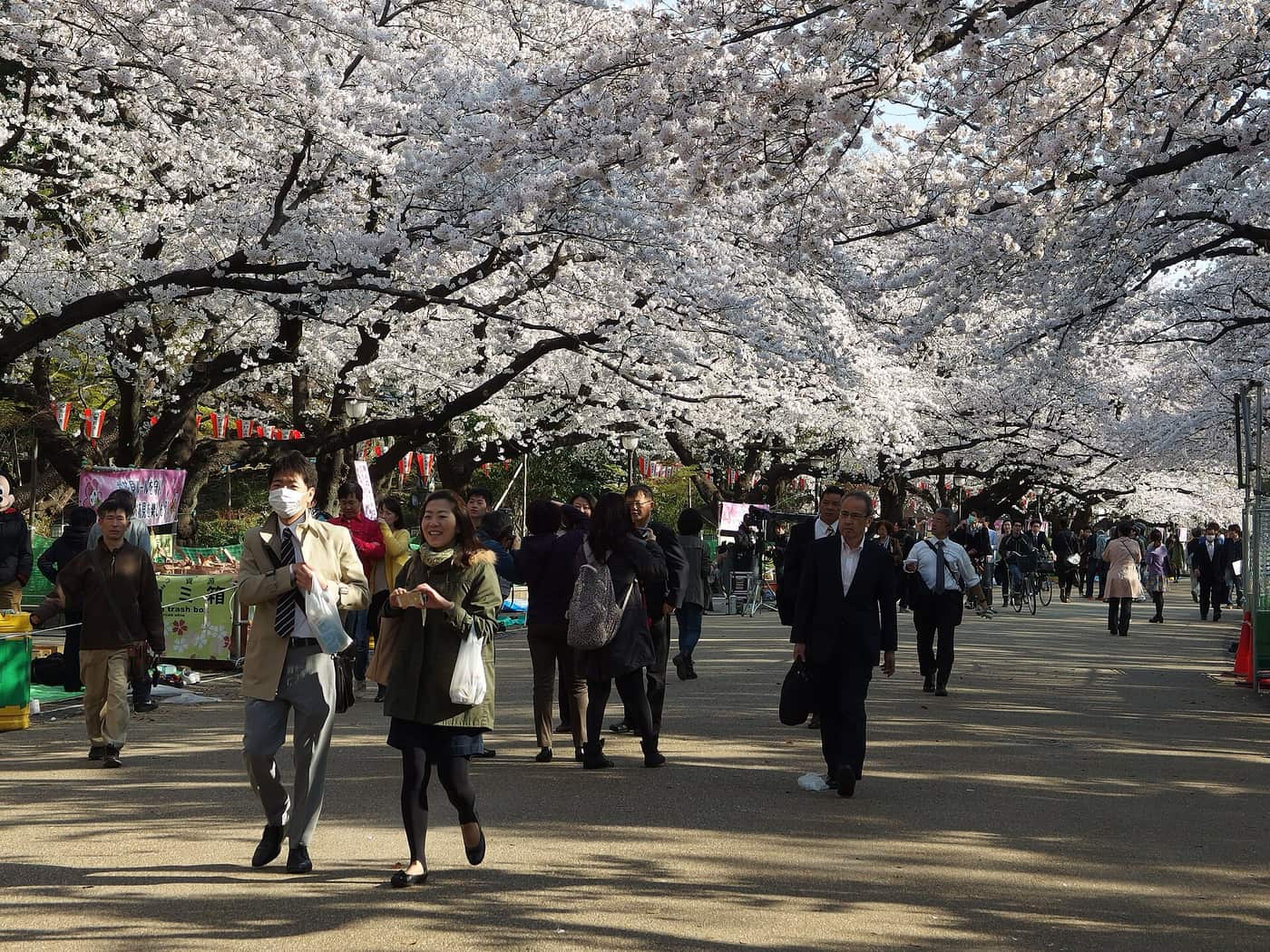
- 17 Mar to 6 Apr (dates to be confirmed) Ueno Sakura Matsuri Ueno Park Hanami festival along Ueno Park's central avenue of cherry trees, with rows of paper lanterns lit in the evening through the bloom. The busiest and rowdiest hanami scene in the city: go early on a weekday for photos, late afternoon for the party. Official site Hotels nearby
- 18 to 24 Mar (dates to be confirmed) Rikugien Spring Nighttime Viewing Rikugien Gardens The Edo-period landscape garden opens after dark for about a week so visitors can see its huge weeping cherry tree lit up, with last entry at 8pm. Dates shift with the bloom and are confirmed only about a week ahead; advance online tickets are slightly cheaper. Official site Hotels nearby
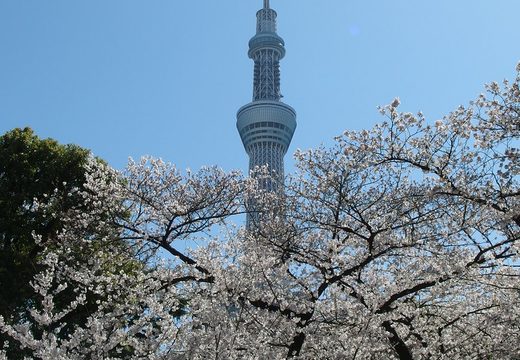
- 19 Mar to 4 Apr (dates to be confirmed) Bokutei Sakura Matsuri Sumida Park (Sumida-ku side) Cherry blossom festival on the east bank of the Sumida River, a hanami spot planted by shogun Yoshimune in the 1700s. A kilometre of trees is lit nightly from 6:30pm to 9pm, with Tokyo Skytree rising directly behind the blossoms. Official site Hotels nearby
- 20 Mar to 4 Apr (dates to be confirmed) Bunkyo Sakura Matsuri (Harimazaka) Harimazaka Sakura Namiki About 120 cherry trees, including the rare pale-green Ukon variety, line the broad Harimazaka slope near Myogadani. The festival runs for about two weeks, and on its main weekend the road closes to cars for brass bands, taiko, and food stalls on a street most visitors never find. Hotels nearby
- 20 to 28 Mar (dates to be confirmed) Imperial Palace Inui-dori Spring Opening Inui-dori, Imperial Palace (Sakashita Gate to Inui Gate) For about a week at cherry blossom time the road through the Imperial Palace grounds, from the Sakashita Gate to the Inui Gate, opens to the public. The 2026 opening ran from 21 to 29 March, and the Imperial Household Agency announces the dates a few weeks ahead. Official site Hotels nearby
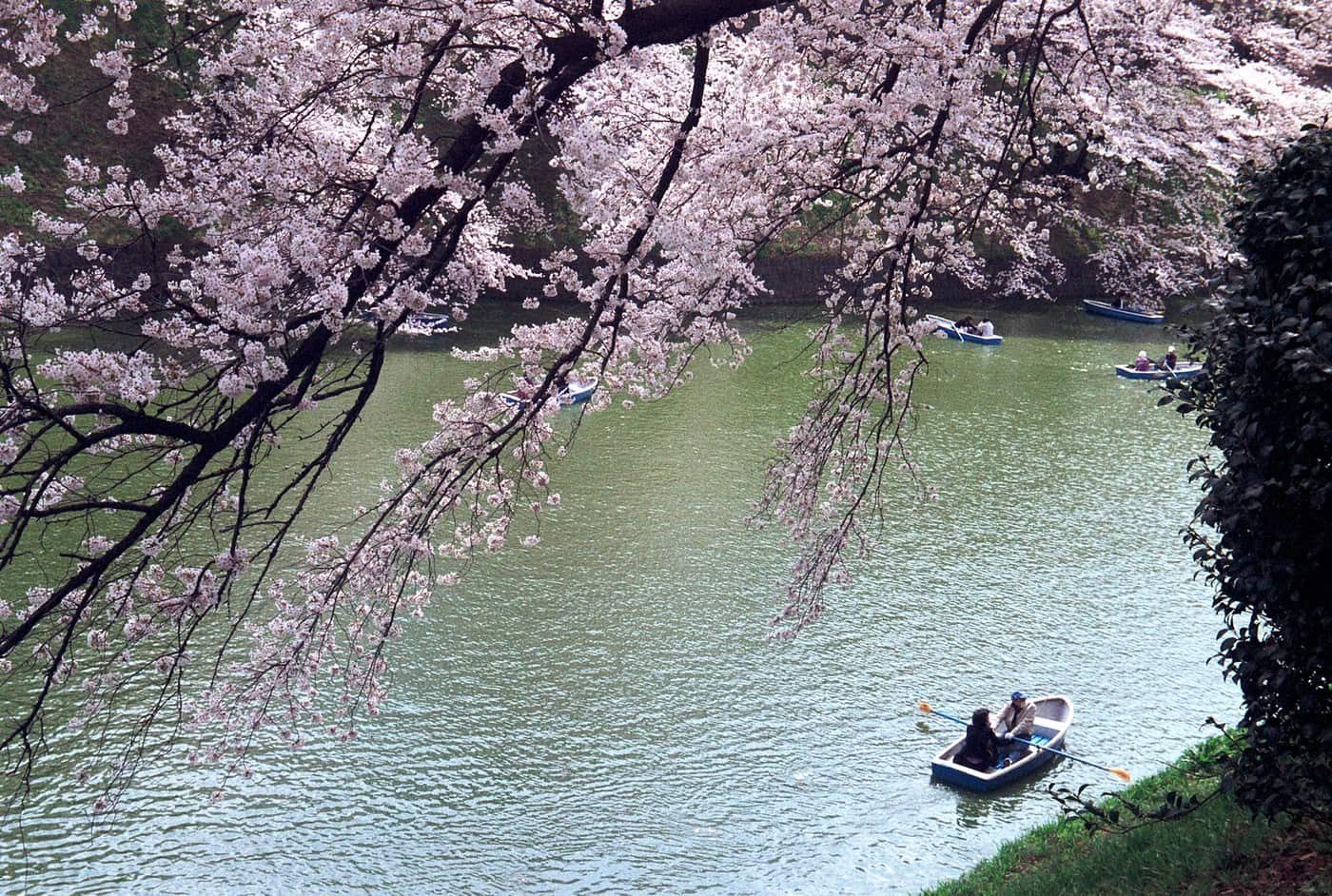
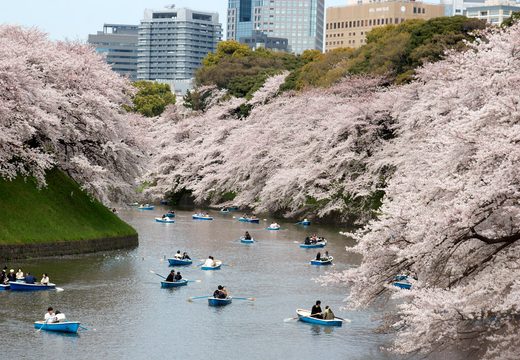
- 25 Mar to 6 Apr (dates to be confirmed) Chiyoda Sakura Festival (Chidorigafuchi Light-up) Chidorigafuchi Green Way The moat path northwest of the Imperial Palace is lined with about 260 cherry trees, illuminated in the evenings during peak bloom. Rowboats on the moat give the classic view of petals drifting on the water; expect a long queue for the boats at peak. Official site Hotels nearby
- 25 Mar to 24 Apr Shinjuku Gyoen Spring Special Opening (cherry blossom season) Shinjuku Gyoen National Garden The garden stays open every day for a month of cherry blossom, about 900 trees of some 70 varieties, from early single-flowered trees in late March to double-flowered ones in April. Official site Hotels nearby
- 26 to 31 Mar (dates to be confirmed) Yozakura-mode (night cherry blossoms) at Yasukuni Shrine Yasukuni Shrine, Shinmon gate For a few evenings at cherry blossom time Yasukuni opens its Shinmon gate from 18:00 to 20:00 so visitors can look through at the inner precinct's cherry trees at night, with food trucks in the outer garden. Official site Hotels nearby
- 27 to 28 Mar (dates to be confirmed) Koganei Sakura Matsuri Koganei Park Local festival among Koganei Park's roughly 1,400 cherry trees of some 50 varieties, held in the plaza in front of the Edo-Tokyo Open Air Architectural Museum. Around 30 food stalls, taiko and dance stages, and far thinner crowds than any central Tokyo hanami spot. Hotels nearby
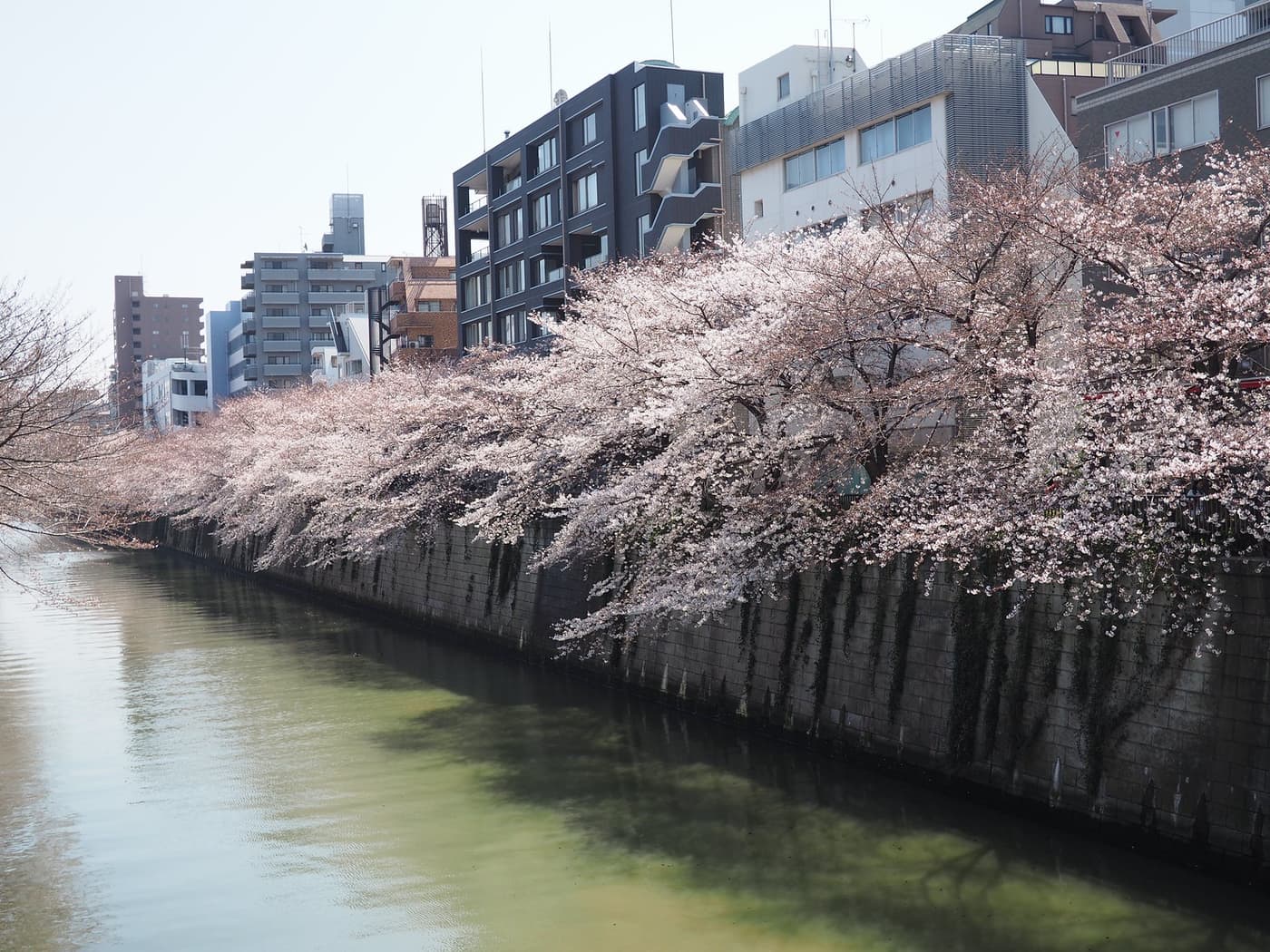
- 27 to 28 Mar (dates to be confirmed) Nakameguro Sakura Matsuri Meguro River, Nakameguro Festival weekend on the Meguro River, where roughly 800 cherry trees arch over the canal between Ikejiri-Ohashi and Meguro. Pink bonbori lanterns glow along both banks in the evenings through the bloom period, with food stalls near Nakameguro Station. Hotels nearby
- 10 to 11 Apr (dates to be confirmed) Shibamata Sakura Matsuri Tora-san Museum courtyard and Shibamata Park Shibamata's spring cherry blossom festival at the Tora-san Museum courtyard and Shibamata Park on the Edogawa bank, with game stalls and evening light-ups of the cherry trees. Official site Hotels nearby
Neighbourhood sakura festivals (59)
Shopping streets, parks and shrines all over the city hold their own. Most show last year's dates until the organiser announces 2027's, so check the official page before you go.
- 20 Feb to 15 Mar (dates to be confirmed) Kawazu cherry blossoms along the Oyokogawa by Kiba Park Oyokogawa river bank between Toyoki-bashi and Takumi-bashi (east side of Kiba Park), Kiba
- 5 Mar to 11 Apr (dates to be confirmed) Kinshi Park Sakura Matsuri (cherry blossom light-up) Kinshi Park, Kinshicho
- 12 Mar to 11 Apr (dates to be confirmed) MIDTOWN BLOSSOM (cherry blossom light-up) Tokyo Midtown, Midtown Garden cherry avenue, Roppongi
- 13 Mar to 18 Apr (dates to be confirmed) Nakano-dori cherry blossom light-up Nakano-dori cherry avenue (Nakano Station to Arai Yakushi), Nakano / Arai
- 15 Mar to 4 Apr (dates to be confirmed) Sumida Park Sakura Matsuri (Taito side) Sumida Park (Taito side, Azumabashi to Sakurabashi), Asakusa
- 18 Mar to 11 Apr (dates to be confirmed) Meguro River Sakura Light-up (Gotanda Yozakura) Gotanda Fureai Waterside Square, Gotanda
- 19 Mar to 9 Apr (dates to be confirmed) Nakano Central Park cherry blossom light-up Nakano Central Park (Park Avenue), Nakano
- 20 Mar to 11 Apr (dates to be confirmed) Oedo Fukagawa Sakura Matsuri Oyokogawa river between Ishijima-bashi and Kurofune-bashi, Monzen-Nakacho, with areas in Kiyosumi-Shirakawa and Morishita, Monzen-Nakacho
- 20 to 21 Mar (dates to be confirmed) Sakuradai Sakura Matsuri Senkawa-dori south of Sakuradai Station, Sakuradai
- 20 Mar Sakuragawa Cherry Blossom Festival Sakuragawa Elementary School grounds, Tokiwadai
- 21 Mar (dates to be confirmed) Hasune Cherry Blossom Festival Johoku Park baseball ground, Takashimadaira
- 21 Mar (dates to be confirmed) Itabashi Branch Cherry Blossom Festival Itabashi No. 5 Junior High School grounds, Itabashi (Naka-juku)
All 59 neighbourhood festivals
- 21 Mar (dates to be confirmed) Shimura-sakaue Cherry Blossom Festival Azusawa Baseball Ground, Azusawa Park, Shimura
- 22 Mar to 10 Apr (dates to be confirmed) Cherry blossom light-up: Kanda Josui Park, Minami-Kotakibashi to Kotakibashi Kanda Josui Park, Minami-Kotakibashi to Kotakibashi, Kita-Shinjuku
- 22 Mar to 10 Apr (dates to be confirmed) Cherry blossom light-up: Kanda River, Akebonobashi to Nakanohashi Kanda River, Akebonobashi to Nakanohashi, Nishi-Waseda
- 22 Mar to 10 Apr (dates to be confirmed) Cherry blossom light-up: Kanda River, Kotakibashi to Seseragi-bashi Kanda River, Kotakibashi to Seseragi-bashi, Takadanobaba
- 22 Mar to 10 Apr (dates to be confirmed) Cherry blossom light-up: Myoshoji River by Nishi-Ochiai Park Myoshoji River by Nishi-Ochiai Park, Nishi-Ochiai
- 22 Mar to 10 Apr (dates to be confirmed) Cherry blossom light-up: Sotobori moat, Ichigaya-Tamachi crossing to Ichigaya-bashi Sotobori moat, Ichigaya-Tamachi crossing to Ichigaya-bashi, Ichigaya
- 25 to 27 Mar (dates to be confirmed) Waterras Ohanami Marche (cherry blossom market) Waterras Plaza and Awaji Park, Kanda-Awajicho (Ochanomizu)
- 26 Mar to 4 Apr (dates to be confirmed) Gotenyama Sakura Matsuri Gotenyama Trust City, Kitashinagawa
- 26 Mar to 11 Apr (dates to be confirmed) Hanahata Park cherry blossom lanterns Hanahata Park, Hanahata
- 26 Mar to 4 Apr (dates to be confirmed) Shibuya Sakura Matsuri Sakura-zaka slope and Shibuya Sakura Stage, Sakuragaokacho, Sakuragaokacho
- 27 Mar to 4 Apr (dates to be confirmed) Fuchu Citizens' Cherry Blossom Festival Sakura-dori and Fuchu Park, Fuchu
- 27 Mar to 11 Apr (dates to be confirmed) Hamura Cherry Blossom Festival Sakurazutsumi Park, Suijo Park and Shinsui Park by the Tama river, Hamura
- 27 to 28 Mar (dates to be confirmed) Kamikitazawa Chokai Sakura Matsuri Kamikitazawa 3-chome cherry tree avenue (by the station south exit), Kamikitazawa
- 27 to 28 Mar (dates to be confirmed) Meguro East Area Sakura Matsuri Tamichi Hiroba Park and Fureai-bashi bridge, Meguro
- 27 to 28 Mar (dates to be confirmed) Nakano-dori Sakura Matsuri Arai Yakushi Park, Arai / Nakano
- 27 to 28 Mar (dates to be confirmed) Nerima Hikarigaoka Cherry Blossom Festa Hikarigaoka Park (Keyaki Hiroba, Shibafu Hiroba and the light arch), Hikarigaoka
- 27 Mar (dates to be confirmed) Ochiai Sakura Matsuri Nishi-Ochiai Park, Nishi-Ochiai
- 27 Mar to 4 Apr (dates to be confirmed) Omiya Hachiman Sakura Matsuri Omiya Hachimangu Shrine, Omiya
- 27 to 28 Mar (dates to be confirmed) Setagaya Art Museum Sakura Festival Setagaya Art Museum forecourt and Kunugi Hiroba, Kinuta Park, Kinuta Park
- 27 to 28 Mar (dates to be confirmed) Toneri Park Senbonzakura Matsuri Toneri Park, Toneri
- 27 Mar to 10 Apr (dates to be confirmed) Toritsu-daigaku Station sakura light-up Nomigawa green path by Toritsu-daigaku Station, Toritsu-daigaku
- 28 Mar (dates to be confirmed) Daizawa Sakura Matsuri on the Kitazawa river greenway Kitazawa river greenway south of Daizawa Elementary School, and Daizawa Seseragi Park, Daizawa
- 28 Mar Funado Cherry Blossom Festival Ukima Park (Ukima pond), Ukima
- 28 Mar (dates to be confirmed) Higashiyama 3-chome Sakura Matsuri at Higashiyama Kaizuka Park Higashiyama Kaizuka Park, Ikejiri-Ohashi
- 28 Mar (dates to be confirmed) Kamurozaka Sakura Matsuri Kamurozaka slope, Nishi-Gotanda, and Meguro Fudoson, Fudomae
- 28 Mar (dates to be confirmed) Kudan Sakura Matsuri (rickshaw rides on the hill) Kudan, starting from the Kudan Sakura-kan meeting rooms, Kudan
- 28 Mar (dates to be confirmed) Maeno Cherry Blossom Festival Maeno Park, Shimura
- 28 Mar (dates to be confirmed) Miyamae Sakura Matsuri Jiyugaoka residents' centre Miyamae annex, Yakumo
- 28 Mar Nakacho District Cherry Blossom Festival Itabashi No. 2 Junior High School, Oyama
- 28 Mar (dates to be confirmed) Sakuragaoka Sakura Matsuri at Ouju Hiroba Ouju Hiroba (beside the Toei Sakuragaoka 2-chome flats), Sakuragaoka / Chitose-Funabashi
- 28 Mar (dates to be confirmed) Shinkawa Senbonzakura Matsuri Shinkawa Sakura-kan and the Shinkawa canal, Funabori
- 28 Mar (dates to be confirmed) Tokiwadai Cherry Blossom Festival Itabashi Heiwa Park, Tokiwadai
- 28 Mar (dates to be confirmed) Waseda Sakura Matsuri Around Toden Waseda and Omokagebashi stops, Nishi-Waseda Community Hall and Kansen-en Park, Nishi-Waseda
- 3 Apr (dates to be confirmed) Funabashi Yoshine-kai Sakura Matsuri Yoshine Park and Kibogaoka Youth Exchange Center (Ups), Chitose-Funabashi
- 3 Apr Higashi-Fukasawa Sakura Festival Nomigawa green path and Edan shopping street central avenue, Fukasawa
- 3 Apr (dates to be confirmed) Kyu-Nakagawa Sakura Matsuri Kyu-Nakagawa Mizube Park, Tachibana
- 3 to 4 Apr Seijo Sakura Festival Seijo 6 and 7-chome cherry avenue (opposite Seijogakuen-mae station north exit), Seijo
- 3 to 4 Apr (dates to be confirmed) Shimotaka Dai Sakura Matsuri Shimotakaido shopping street, Shimotakaido
- 4 Apr (dates to be confirmed) Komatsugawa Senbonzakura Matsuri Komatsugawa Senbonzakura embankment and Oshima-Komatsugawa Park, Hirai
- 4 Apr (dates to be confirmed) Somei-Yoshino Cherry Blossom Festival Somei-Yoshino Sakura Memorial Park, Komagome, Komagome
- 4 Apr Soshigaya Shoshinkai Sakura Matsuri Fureai promenade (Soshigaya 2-5), Soshigaya
- 4 Apr (dates to be confirmed) Tobu three shopping streets' cherry blossom festival Tobu Park, Mizue
- 4 Apr Toneri cherry blossom festival at Toneri Hikawa Shrine Toneri Hikawa Shrine, Toneri
- 10 Apr Asakusa Kannon-ura Ichiyo Sakura Matsuri Fuji Park and Yanagi-dori, Asakusa, Asakusa
- 11 Apr (dates to be confirmed) Higashi-Tateishi Sakura Matsuri Kawabata Community-dori, Higashi-Tateishi, Tateishi
- 11 Apr (dates to be confirmed) Ikenoue Sakura Festival Ikenoue shopping street (Ikenoue Station to Ikenoue Elementary School), Ikenoue
- 11 Apr Sakura-shinmachi Sakura Festival Sakura-shinmachi Station avenue, Sakura-shinmachi
Where to stay for the cherry blossoms
Rooms near the famous spots go first in the blossom weeks, so it pays to book months ahead. You won't know the bloom date when you book, so pick a rate with free cancellation and check its deadline. Every hotel here is a short walk or one stop from the trees.
Ueno Park
- Mitsui Garden Hotel Ueno is a few minutes from JR Ueno by the hotel's account, with 242 rooms and a floor of panda-themed rooms. It's the safest all-round booking in Ueno. See prices
- NOHGA HOTEL UENO TOKYO is three minutes from the station and the design-led choice, with furniture by local craftspeople and Tokyobike rental for the flat streets toward Asakusa. See prices
- Hotel Sardonyx Ueno is a 181-room business hotel south of the station toward Okachimachi, with a simple breakfast in the rate. It's often one of the cheapest private rooms near the park. See prices
More in the Ueno hotel guide.
The Meguro River
- Waves Nakameguro is a guesthouse of eight private rooms, some tatami, at 3-7-6 Kamimeguro, about ten minutes on foot from the station. It's one of very few places to sleep in Nakameguro itself. See prices
- Prince Smart Inn Ebisu is one Hibiya Line stop away at 3-11-25 Ebisu-Minami, five minutes from the JR west exit by its own account. Ebisu has the hotels Nakameguro doesn't. See prices
- The Westin Tokyo is the upscale choice, at Yebisu Garden Place on the east side of Ebisu. See prices
More in the Nakameguro stay guide.
Sumida Park
- Dormy Inn Express Asakusa is at 1-3-4 Hanakawado, on the east side between the Ginza Line station and the Sumida, with small rooms and the chain's large shared bath. See prices
- Wise Owl Hostels River Tokyo is across the river at 1-23-3 Mukojima, four minutes from Tokyo Skytree Station, on the Sumida ward side of the park. Asakusa is just over the bridge. See prices
More in the Asakusa stay guide.
Yanaka Cemetery
- hanare has five tatami rooms in a renovated wooden building at 3-10-25 Yanaka, run by HAGISO, five minutes from exit 2 of Sendagi Station by the hotel's account. See prices
- Hotel Graphy Nezu has private rooms and dormitory beds a few minutes from Nezu Station, with a large shared kitchen and a lounge. See prices
More in the Yanaka stay guide.
Shinjuku Gyoen
- Hotel Sunroute Plaza Shinjuku is three minutes from the JR South Exit by the hotel's account, on the side of the station that runs down to the garden, about ten minutes away. Airport buses stop out front, and Chidorigafuchi is one direct ride from Shinjuku on the Toei Shinjuku Line to Kudanshita. See prices
More in the Shinjuku stay guide.
Hotel links go through Stay22: if you book, Roam Tokyo earns a small commission at no extra cost to you.
More photos
More collections
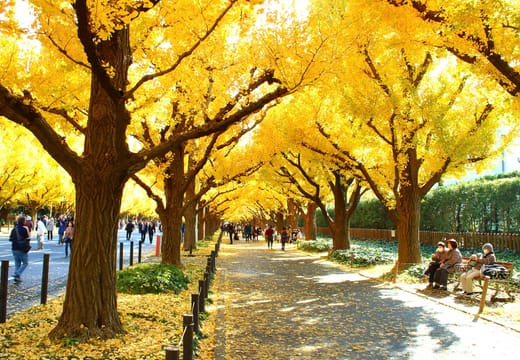 Autumn Colour in Tokyo Koyo season, the best two months in the Tokyo calendar
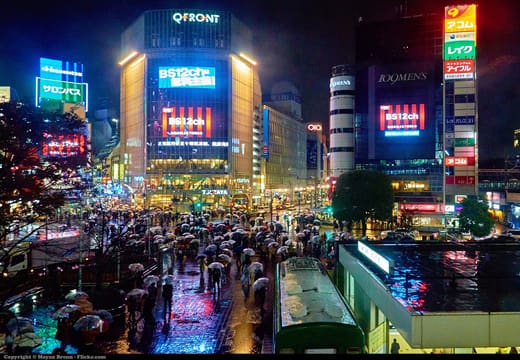 Rainy Day Tokyo Museums, arcades, food halls, and other dry pleasures
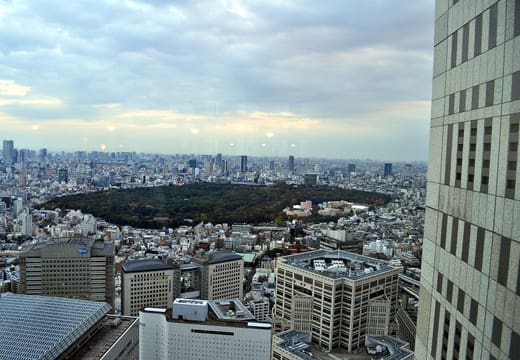 Free Things to Do in Tokyo The best city in the world for spending nothing
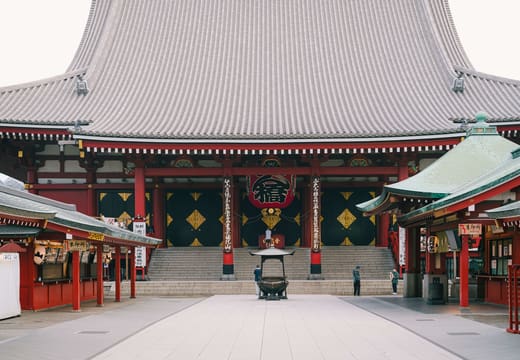 Tokyo Early in the Morning The city before it puts its face on
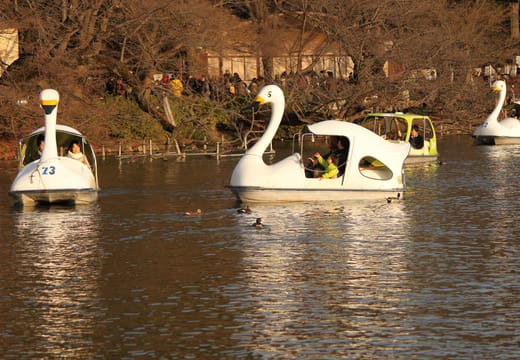 Tokyo with Kids Places that work for small people and the adults carrying them
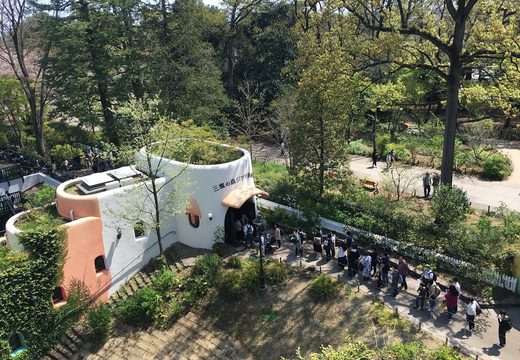 Anime and Manga in Tokyo Museums, shops and pilgrimage spots for anime and manga fans