Rainy Day Tokyo
Museums, arcades, food halls, and other dry pleasures
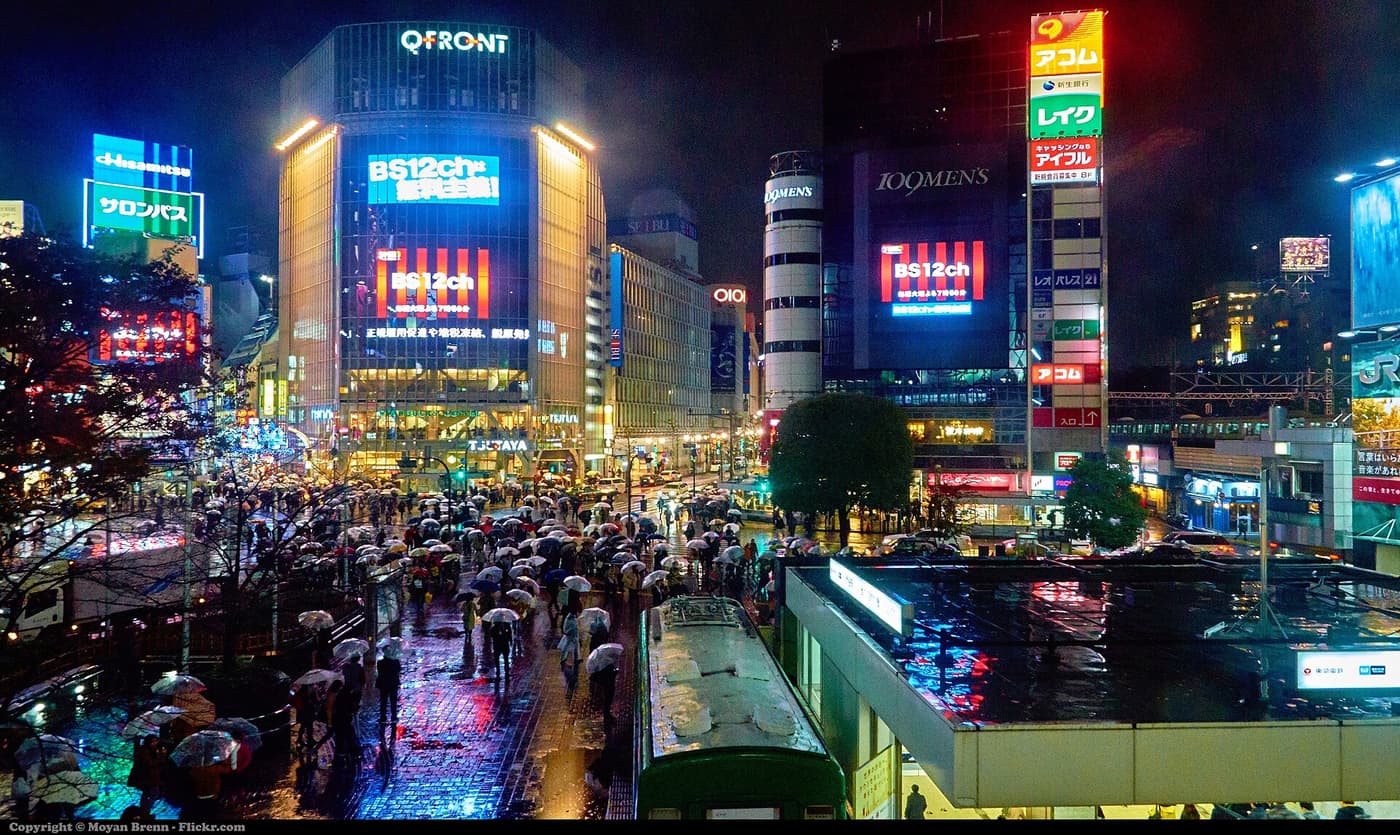
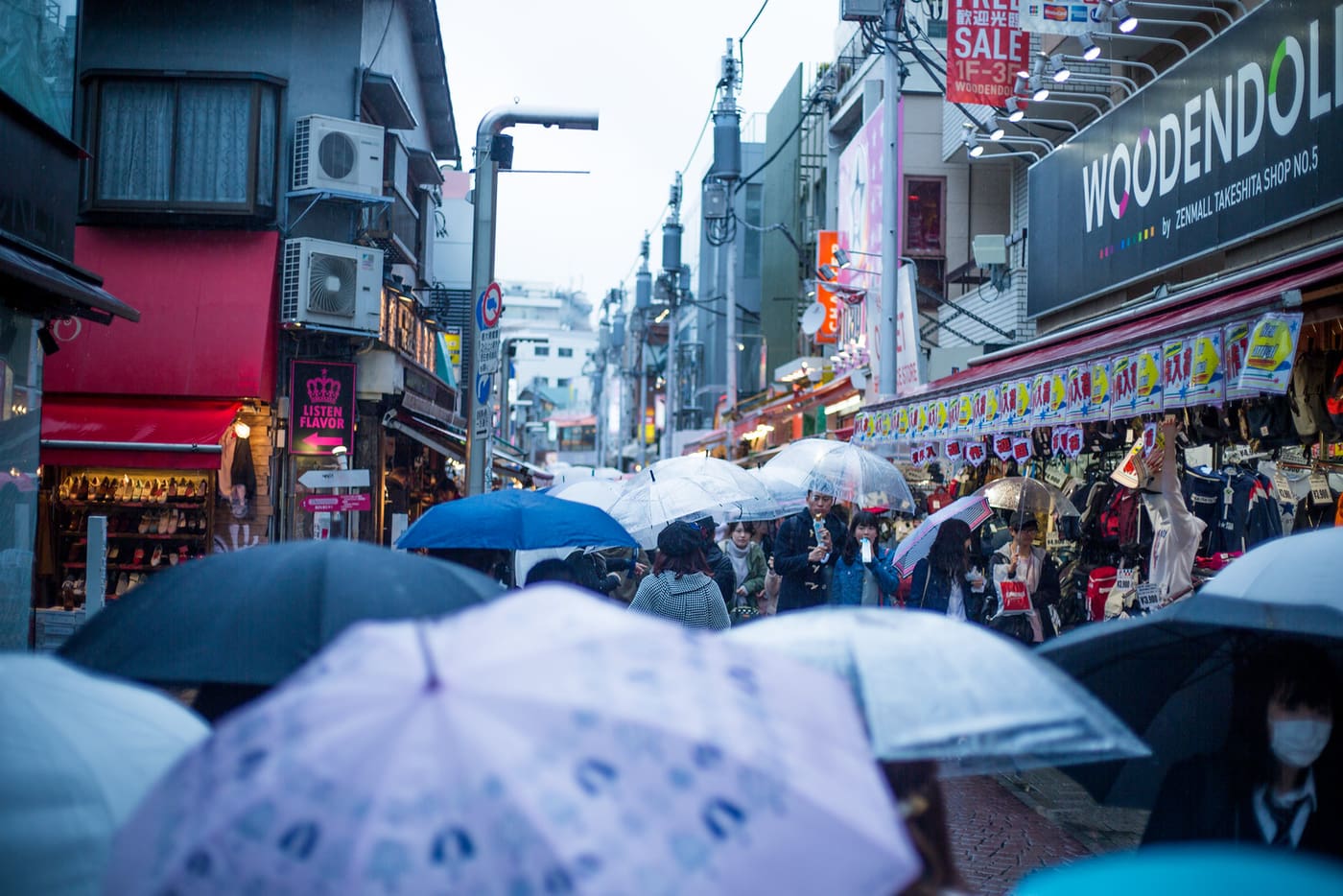
Rain doesn't ruin a Tokyo day. The city is built for it, with underground passages that run for blocks, covered shopping arcades, department store food halls and some of the best museums in the world. June's rainy season and the odd typhoon day are when half the places on this list earn their keep. Pick two or three near the same station and make an afternoon of it.
In photos
108 places
Any time, especially June When
The places
Viewpoint · Asakusa Tokyo Skytree Tokyo Skytree is the tallest broadcast tower in the world at 634m. On clear winter days you can see Mt Fuji to the southwest. The Tembo Deck at 350m and the Tembo Galleria at 450m give you two very different scales of view.
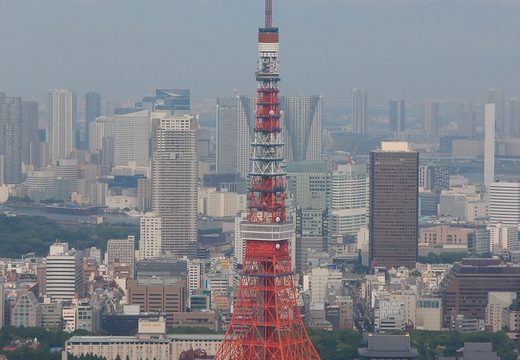
Viewpoint · Shiba Tokyo Tower Tokyo Tower is still the landmark most people picture when they think of the city. The Skytree beats it on height, but not on charm or location. The orange and white lattice looks best at night, lit against the dark.
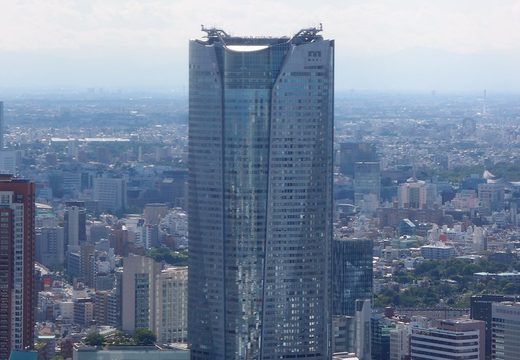
Viewpoint · Roppongi Roppongi Hills Mori Tower The Mori Art Museum on the 53rd floor of Mori Tower sits right above Tokyo City View on the 52nd, so one visit gets you major contemporary art shows and a wraparound view of the city.
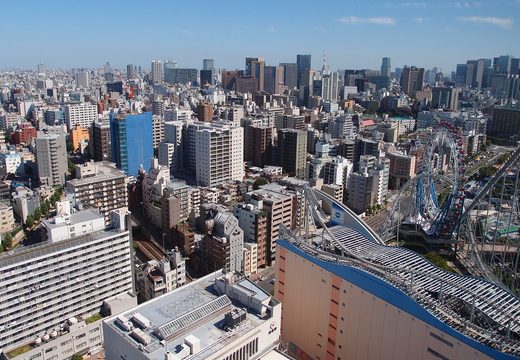
Viewpoint · Bunkyo Bunkyo Civic Center Bunkyo Civic Center has a free observation lounge on its 25th floor, with clear views west to Shinjuku, east to the Skytree and, on cold winter days, Mt Fuji in the distance.
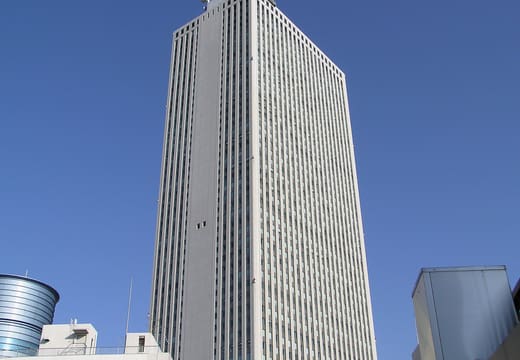
Viewpoint · Ikebukuro Sunshine 60 Sunshine 60 is the old Ikebukuro landmark, built on the site of Sugamo Prison. Since a 2023 renovation the 60th-floor deck has been Tenbo-Park, an indoor sky park with artificial turf and seating next to the view. The views north and west are the best in this part of the city.
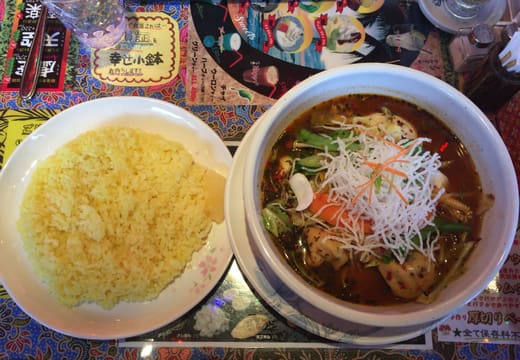
Food · Shimokitazawa Shimokitazawa curry row Shimokitazawa has turned into Tokyo's curry neighbourhood. There are dozens of independent curry shops within a few blocks, doing Japanese, keema and Sri Lankan styles.
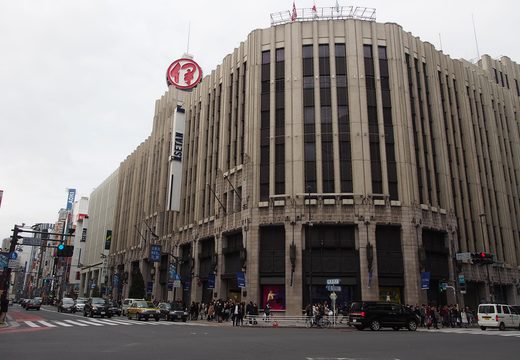
Food · Shinjuku Depachika at Isetan Isetan Shinjuku's food hall is on B1, the basement floor of the main building at 3-14-1 Shinjuku, and it's one of the great food experiences in Tokyo. It's an underground world of prepared foods, French pastries, wagashi, sake and immaculately presented bento.
Cafe · Kuramae Dandelion Chocolate Kuramae Dandelion Chocolate, San Francisco's bean-to-bar maker, set up in a renovated warehouse in Kuramae. Hot chocolate, single-origin bars and a handsome industrial room that anchors the neighbourhood's maker scene.
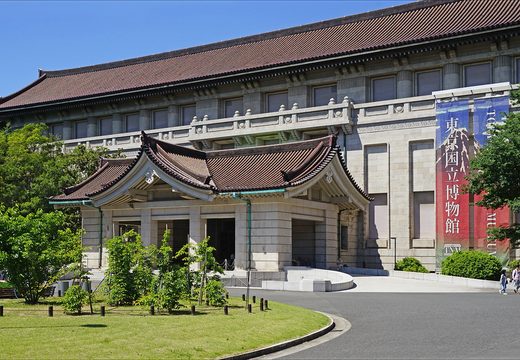
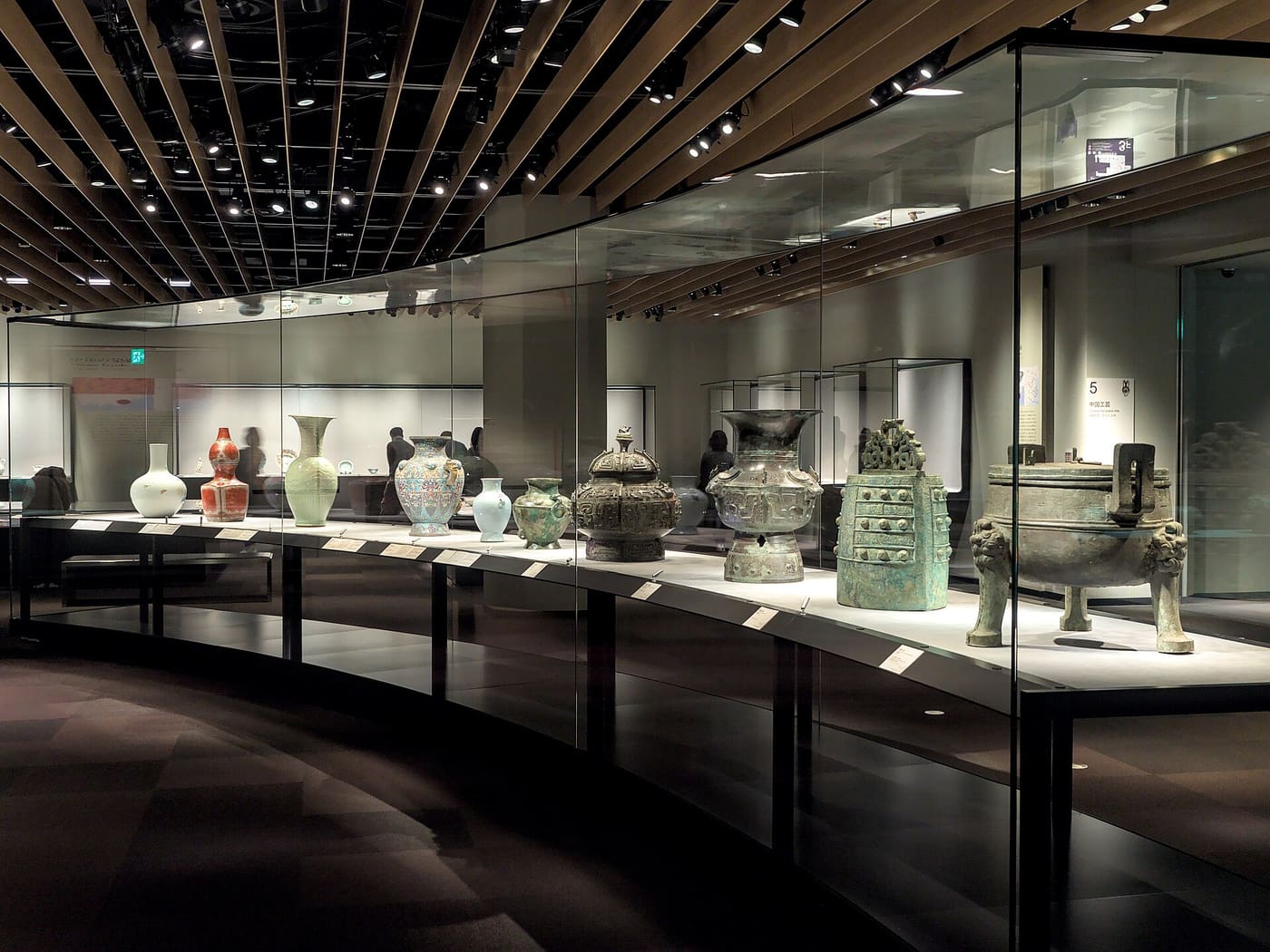
Museum · Ueno Tokyo National Museum The Tokyo National Museum is Japan's oldest and largest museum, with the biggest collection of Japanese art anywhere. The Honkan main building holds samurai armour, ukiyo-e prints, lacquerware and Buddhist sculpture across 24 rooms.
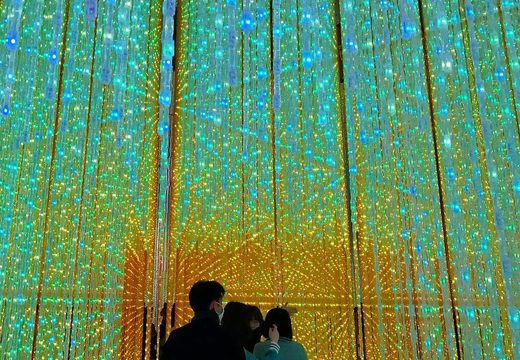
Museum · Toyosu teamLab Planets teamLab Planets is a digital art installation you walk through barefoot, through rooms of water, flowers, mirrored light and floating spheres. The idea is that you stop being a viewer and become part of the work.
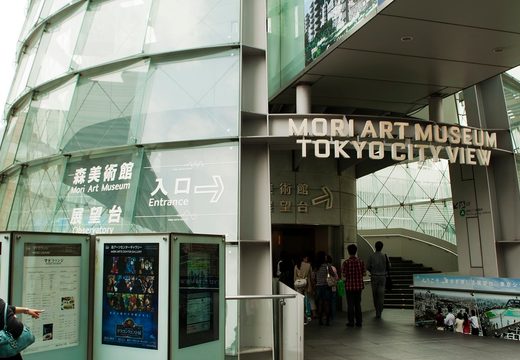
Museum · Roppongi Mori Art Museum The Mori Art Museum is a major contemporary art institution on the 53rd floor of Roppongi Hills, with rotating international exhibitions of the highest level. The Tokyo City View observation deck a floor below takes its own ticket, or a combo ticket for some exhibitions.
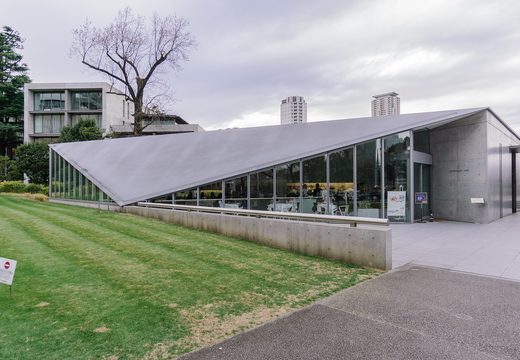
Museum · Roppongi 21_21 Design Sight 21_21 Design Sight is Tadao Ando's gallery in Midtown Tokyo, half buried in a park and devoted to design in the widest sense. The building is a masterpiece in its own right, and the exhibitions tie everyday objects to bigger ideas.
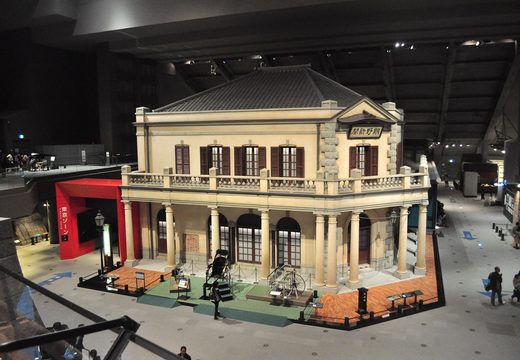
Museum · Ryogoku Edo-Tokyo Museum The Edo-Tokyo Museum is a giant museum about the city's history from the Edo period to the 20th century. Life-size reconstructions of Edo streets and market stalls let you walk through 400 years of Tokyo.
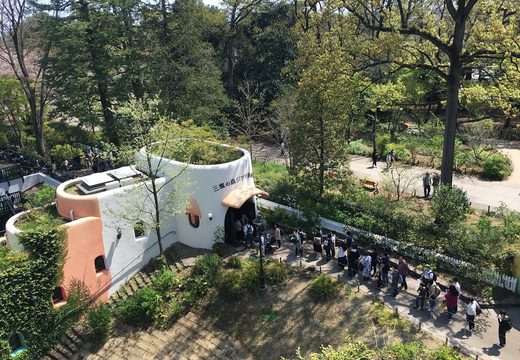
Museum · Mitaka Ghibli Museum The Ghibli Museum is Hayao Miyazaki's own idea of what a museum should be: imaginative, handmade and anti-corporate. A short film screens here and nowhere else. The Cat Bus room for children is one of the most joyful rooms in any museum.
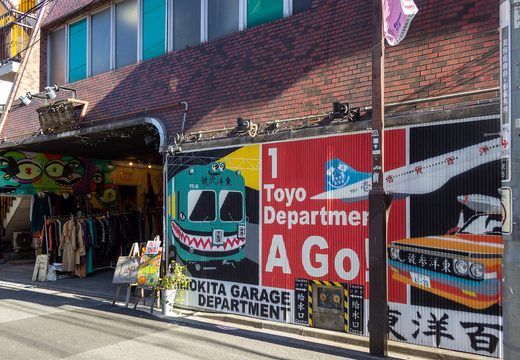
Shopping · Shimokitazawa Shimokitazawa vintage Shimokitazawa is one of the best neighbourhoods in Tokyo for vintage and second-hand clothes. Well over a hundred shops within walking distance sell American workwear, Japanese vintage and European deadstock at fair prices.
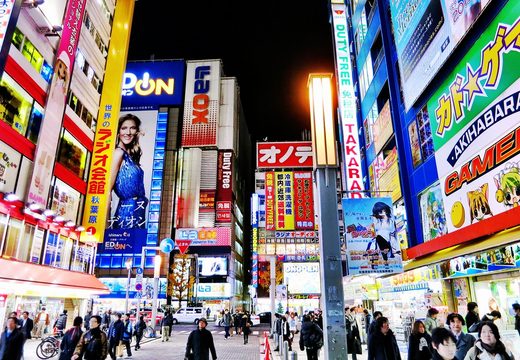
Shopping · Akihabara Akihabara Electric Town Akihabara Electric Town is one of the densest concentrations of electronics, anime and manga anywhere. Eight-storey shops are stuffed with gadgets, figures, retro games and obscure components.
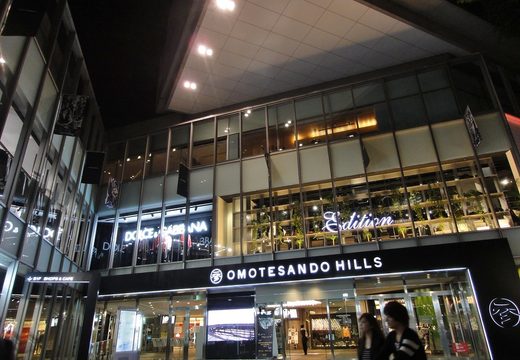
Shopping · Omotesando Omotesando Hills Omotesando Hills is Tadao Ando's spiralling concrete shopping centre, and the building impresses more than anything sold in it. High-end Japanese and international brands over six floors built into a hillside. The atrium is the thing to see.
Shopping · Koenji Koenji record shops Koenji has much of Shimokitazawa's subculture at lower rents. It is strong for vinyl, vintage military surplus and punk fashion.
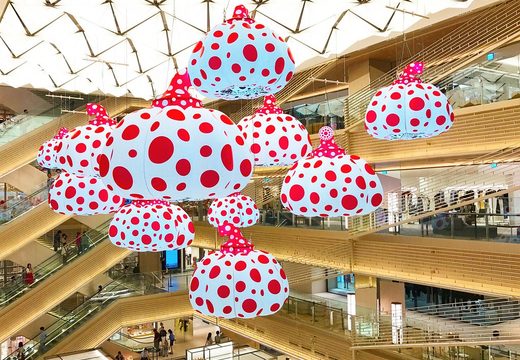
Shopping · Ginza Ginza Six Ginza Six is the anchor of new Ginza, with more than 250 shops and restaurants on 13 floors above ground and six below, and a free roof garden on top. Traditional Japanese crafts sit next to international luxury in a building by Yoshio Taniguchi.
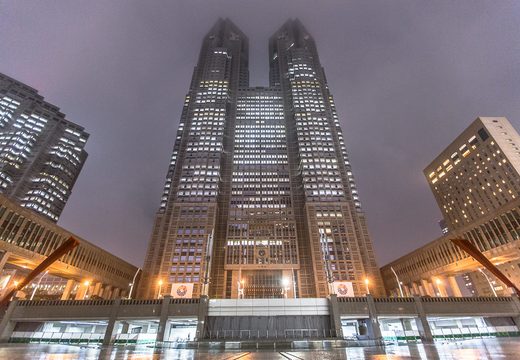
Viewpoint · Shinjuku Tokyo Metropolitan Government Building The Tokyo Metropolitan Government Building has twin observation decks at 202m, completely free, in Kenzo Tange's cathedral-like towers. On a clear day Mt Fuji stands behind the endless sprawl of western Tokyo. It's one of the best free views in the city.
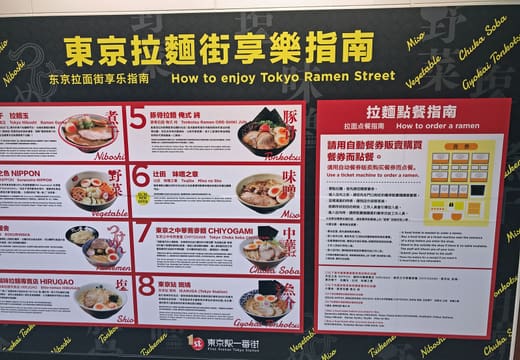
Food · Tokyo Station Tokyo Ramen Street Tokyo Ramen Street puts ten of Japan's best-known ramen shops in one underground corridor under Tokyo Station. Rokurinsha's tsukemen, with its thick dipping broth, often has the longest queue of the day.
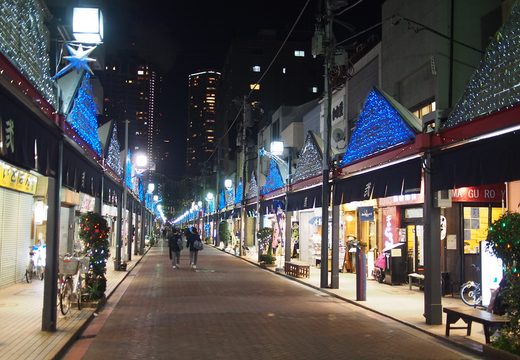
Food · Tsukishima Tsukishima Monja Street Tsukishima Monja Street has about 60 restaurants in its monja association, all doing monjayaki, Tokyo's runnier cousin of okonomiyaki, cooked on a hot plate at your table. Very local, a bit chaotic and a lot of fun with a group.
Cafe · Shibuya Chatei Hatou Chatei Hatou is one of the classic Tokyo kissaten: dark wood, antique porcelain and coffee poured by hand with ceremony. Three minutes from Shibuya Crossing, and the interior has changed little.
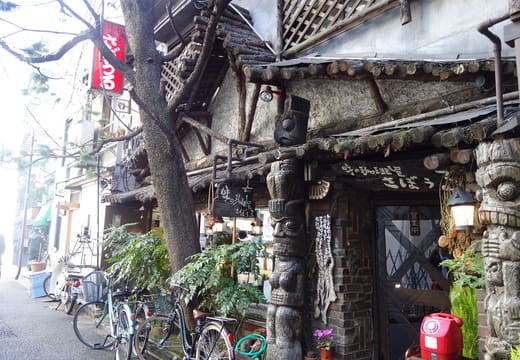
Cafe · Jimbocho Sabouru Sabouru is a decades-old coffee shop in the book district that looks like a mountain hut, vines outside and carved wood inside. Blue walls, red lamps and a menu that hasn't changed make it one of the most atmospheric old cafes in Tokyo.
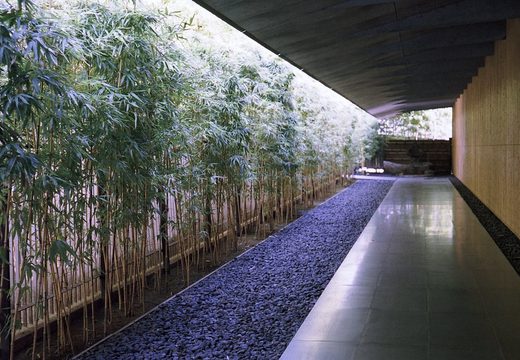
Museum · Aoyama Nezu Museum The Nezu Museum is Kengo Kuma's bamboo-lined museum of pre-modern Japanese and East Asian art, with one of the city's most beautiful private gardens hidden behind it. The approach corridor is worth the ticket on its own.
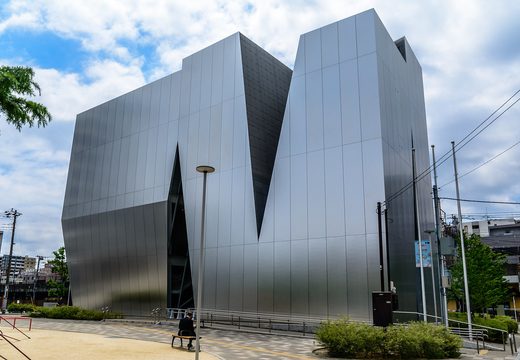
Museum · Ryogoku Sumida Hokusai Museum The Sumida Hokusai Museum is a mirrored aluminium building by Kazuyo Sejima devoted to Hokusai, who was born here and spent nearly all his life in this neighbourhood. The permanent collection shows how The Great Wave came to be.
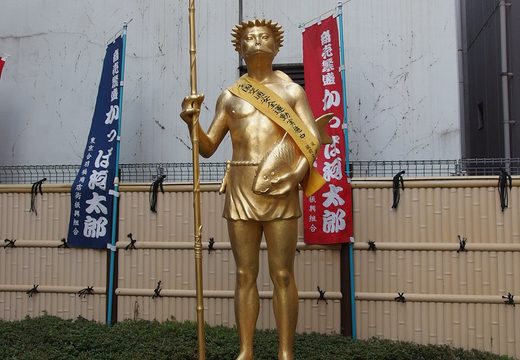
Shopping · Asakusa Kappabashi Kitchen Town Kappabashi Kitchen Town is the street that supplies Tokyo's restaurants: 170 shops selling hand-forged knives, ceramics, lanterns and the plastic food models in every restaurant window. Almost all of it is sold to anyone who walks in.
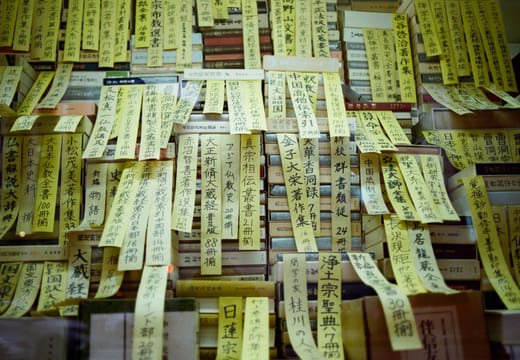
Shopping · Jimbocho Jimbocho Book Town Jimbocho is one of the largest second-hand book districts in the world: 130 bookshops on a few blocks, from rare ukiyo-e prints and Edo maps to 100 yen paperback carts on the pavement. Book lovers can spend a full day here.
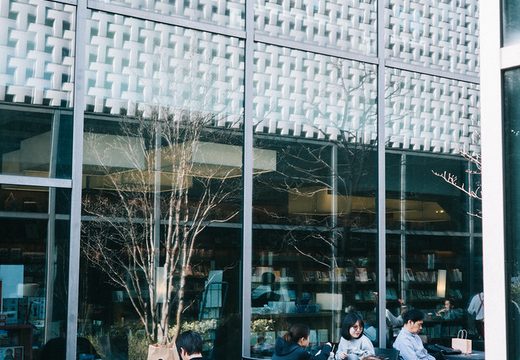
Shopping · Daikanyama Daikanyama T-Site Daikanyama T-Site is one of the most admired bookshop designs in the world: three pavilions linked by a magazine street, wrapped in a white lattice facade. The art, design and travel book selection is strong.
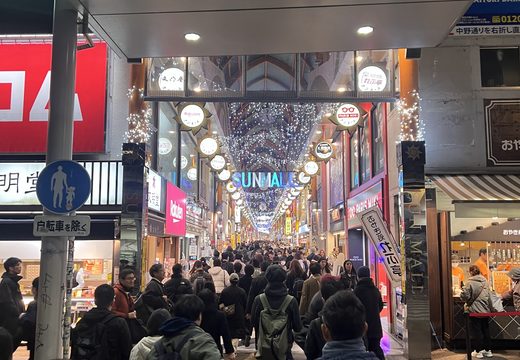
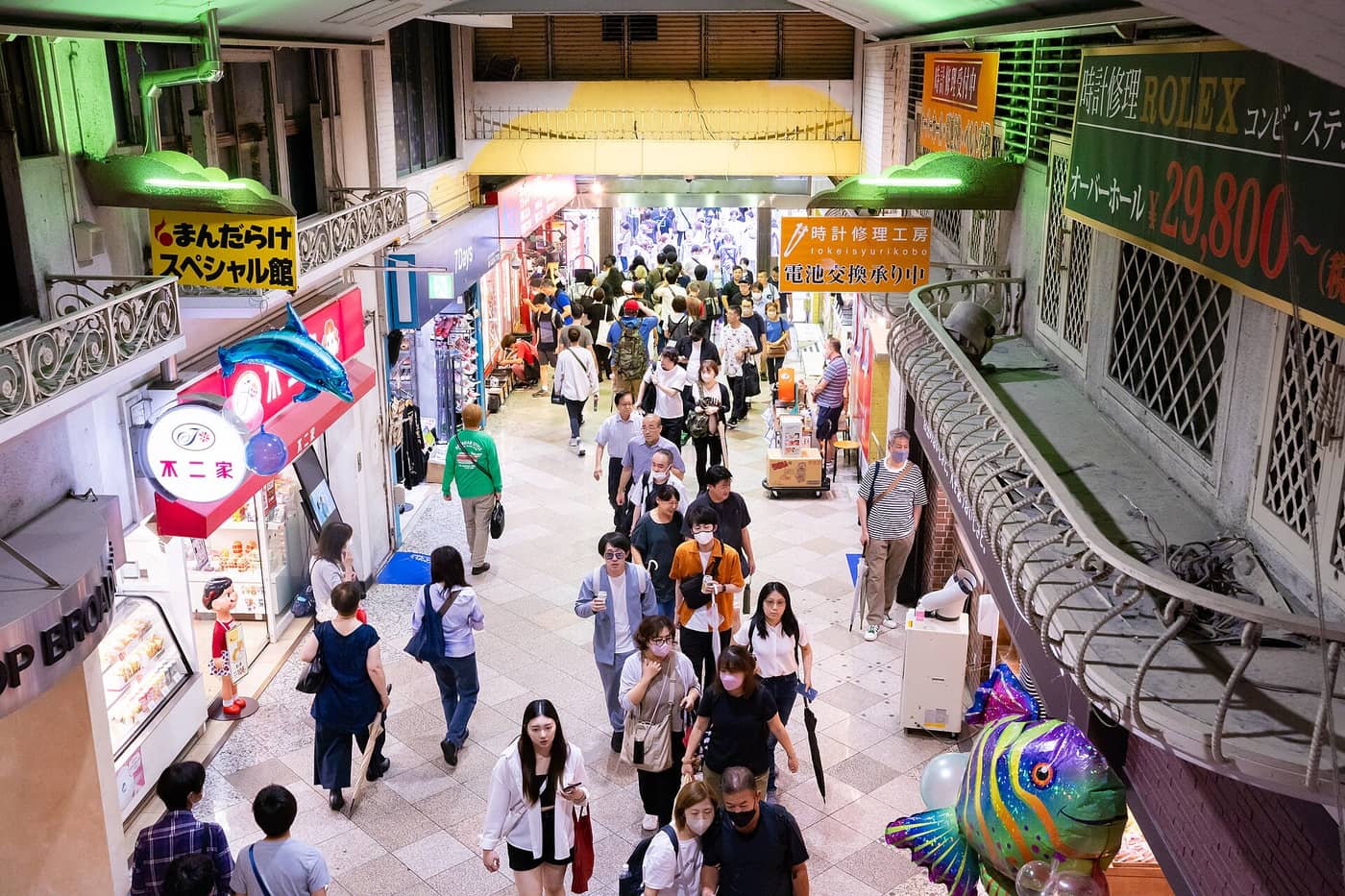
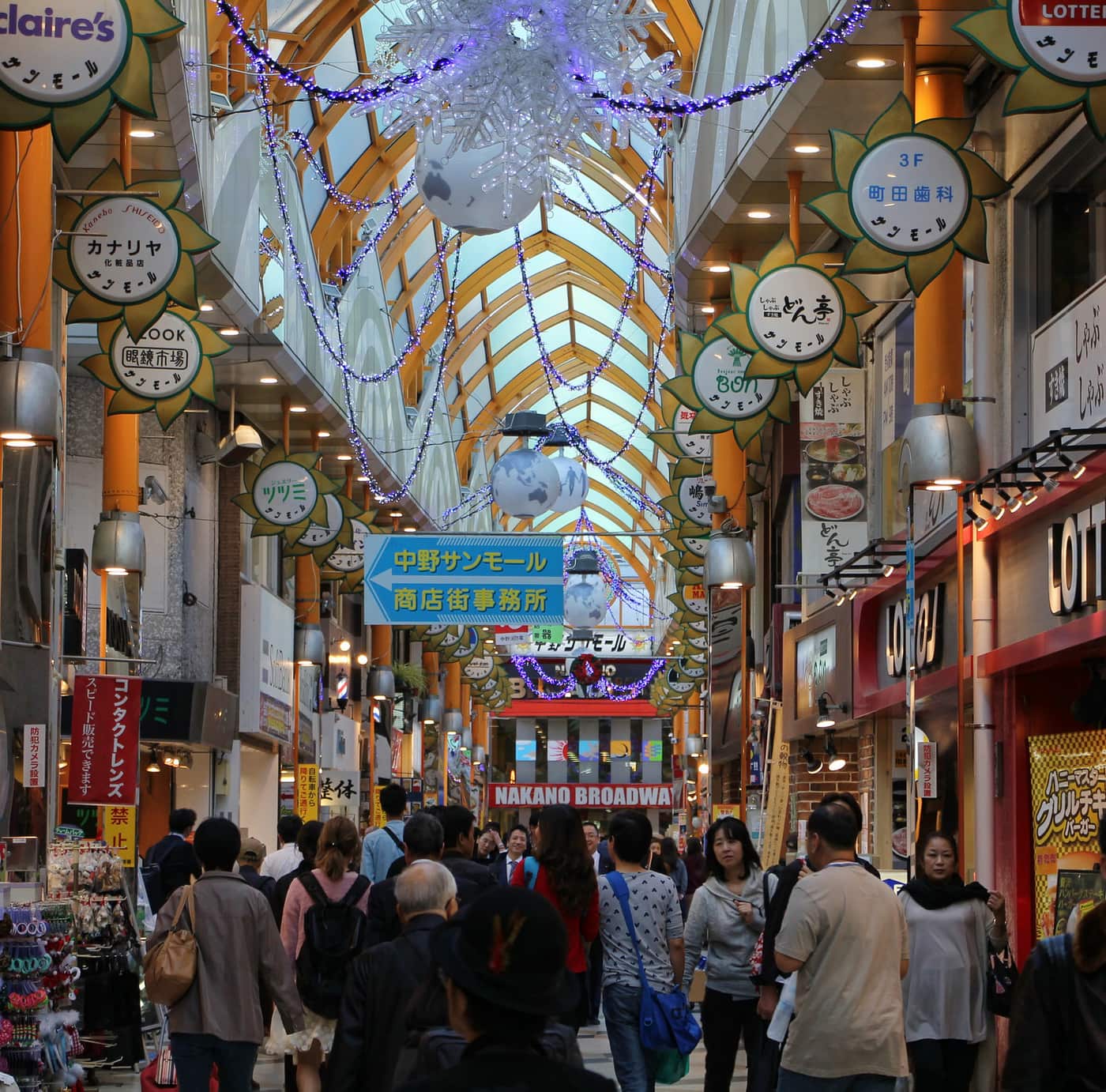
Shopping · Nakano Nakano Broadway Nakano Broadway is a 1966 shopping arcade reborn as a centre of otaku culture. Four floors of vintage manga, anime cels, retro toys and watches, anchored by the Mandarake used manga chain.
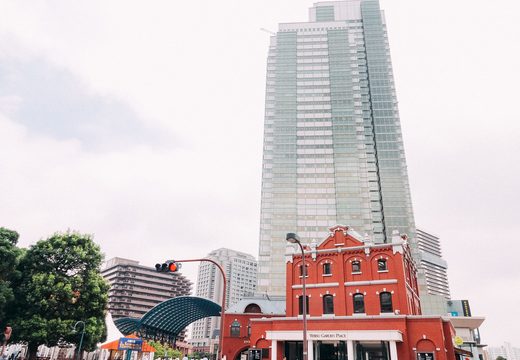
Viewpoint · Ebisu Yebisu Garden Place Tower The 38th and 39th floors of Yebisu Garden Place Tower are given over to restaurants, and the 38th has a free observation lounge, the SKY LOUNGE, looking out to Tokyo Tower and Rainbow Bridge. One of the least known free views in the city.
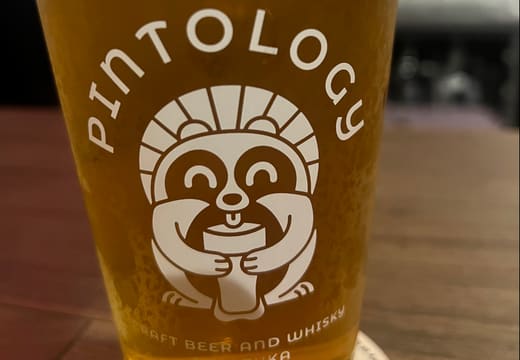
Nightlife · Sasazuka Pintology Pintology is a small craft beer and whisky bar three minutes from Sasazuka station, opened in 2022 by Kyle, who's American, and Yuki, who's Japanese. Twelve taps of Japanese and international craft beer, a world whisky shelf, and cans and bottles to drink in or take home, in a room that doubles as a neighbourhood arts space with live music, DJ and vinyl nights, and drink-and-draw evenings. It's Daniel's local, where most of his Sasazuka evenings end, and where he and his wife held their engagement celebration.
Cafe · Kagurazaka Aux Merveilleux de Fred Aux Merveilleux de Fred is the Tokyo branch of the meringue specialist from Lille, and it fits right in on Kagurazaka's French-flavoured slope. Chandeliers, theatrical cream work and merveilleux made the same way as at the original.
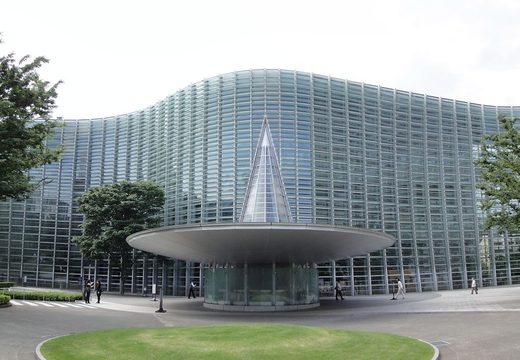
Museum · Roppongi The National Art Center The National Art Center is one of Japan's largest exhibition spaces, behind a rippling glass facade by Kisho Kurokawa. There's no permanent collection, just a rolling programme of big exhibitions and one of the most photographed museum interiors in the country.
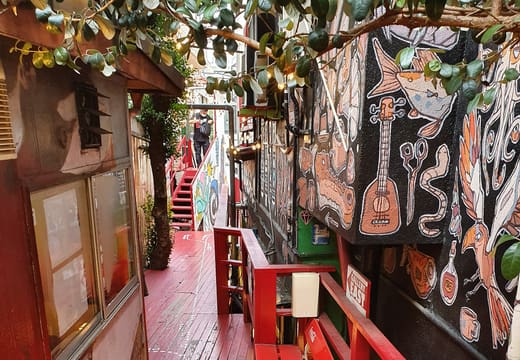
Museum · Harajuku Design Festa Gallery Design Festa Gallery is a constantly changing warren of small galleries in the Harajuku backstreets where any artist can rent a wall. Covered in graffiti and a window straight into Tokyo's grassroots art scene.
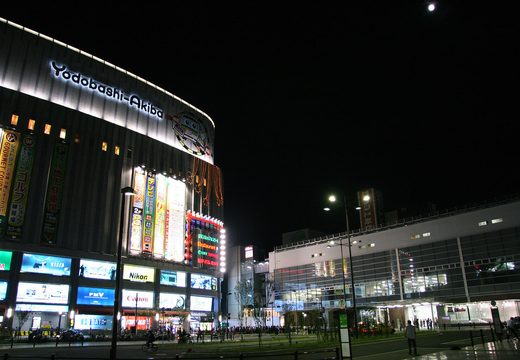
Shopping · Akihabara Yodobashi Camera Akihabara Yodobashi Camera Akihabara is floor after floor of every electronic object Japan makes, from camera lenses to rice cookers to gaming chairs. Less a shop than a museum of Japanese consumer technology where everything is for sale.
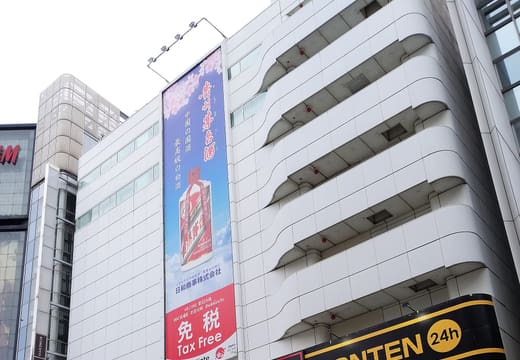
Shopping · Shibuya MEGA Don Quijote Shibuya MEGA Don Quijote Shibuya is the flagship of Japan's most chaotic discount store: several floors of snacks, cosmetics, costumes, electronics and things you didn't know existed, open 24 hours. It's overwhelming on purpose.
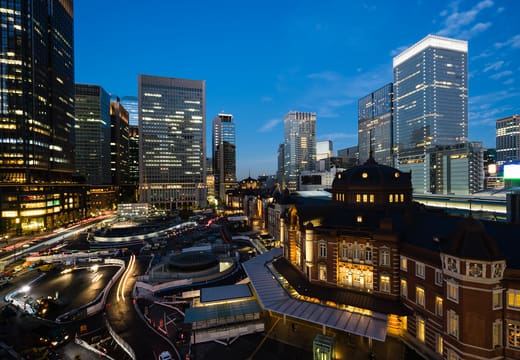
Landmark · Marunouchi Tokyo Station Tokyo Station is the 1914 red brick station that anchors Marunouchi, beautifully restored and much more than a transit hub. Under it spreads an underground city of ramen streets, character shops and food halls.
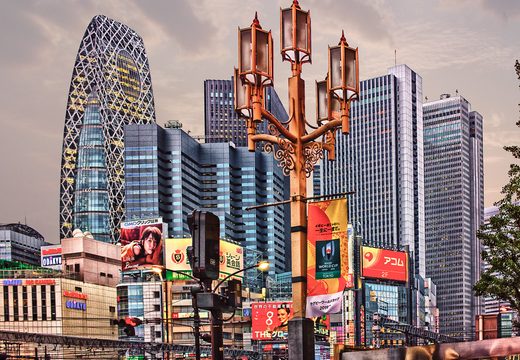
Neighbourhood · Shinjuku Shinjuku Shinjuku is a city in itself: the busiest station in the world, ringed by skyscrapers, department stores, the neon of Kabukicho and the calm of Gyoen. Whatever you think Tokyo is, Shinjuku has a district that proves it.
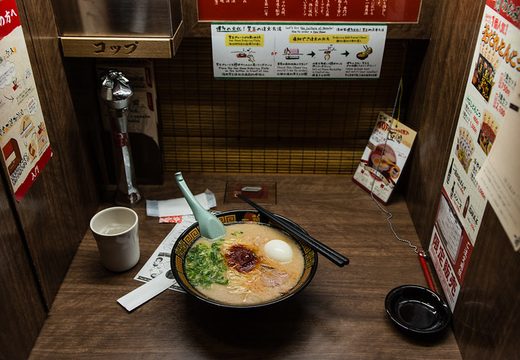
Food · Shibuya Ichiran Shibuya Ichiran is the famous solo-booth tonkotsu ramen chain. Touristy, yes, but the booths exist because the ramen deserves your full attention, and at 3am after a night out in Shibuya there's nothing better.
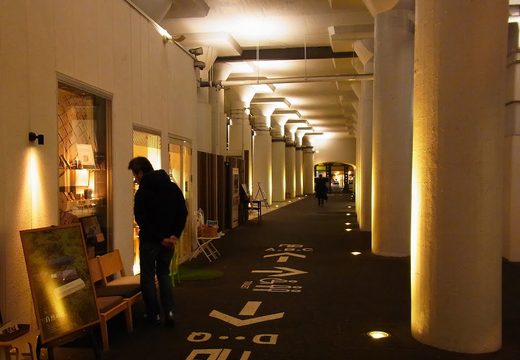
Shopping · Akihabara 2k540 Aki-Oka Artisan 2k540 Aki-Oka Artisan is a craft and design arcade built into the whitewashed arches under the Yamanote tracks between Akihabara and Okachimachi. Leatherworkers, woodturners and hat makers, each in their own little vault.
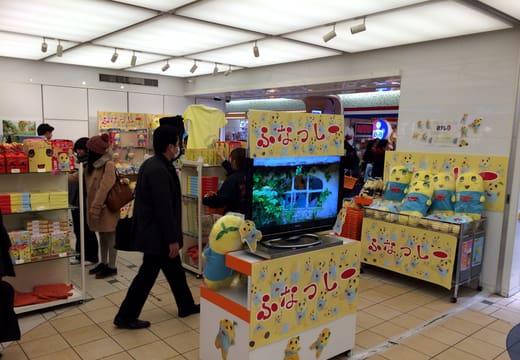
Shopping · Tokyo Station Tokyo Character Street Tokyo Character Street is an underground arcade of more than 30 official character shops inside Tokyo Station: Ghibli, Pokémon, Sanrio, NHK mascots, all of it. With kids it's a destination. Without kids it's dangerously good gift shopping.
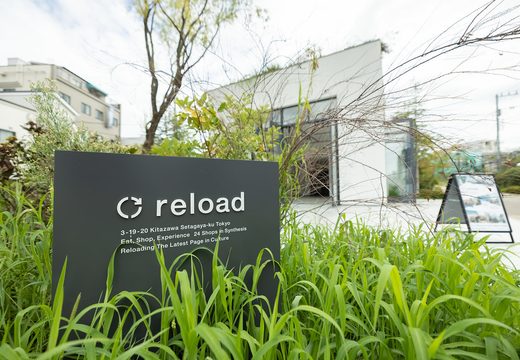
Shopping · Shimokitazawa Shimokitazawa Reload Shimokitazawa Reload is the new low-rise development along the rail line that somehow got it right: a wine stand, a standing bar, design shops and Ogawa Coffee Laboratory, all in white boxes that don't fight the neighbourhood.
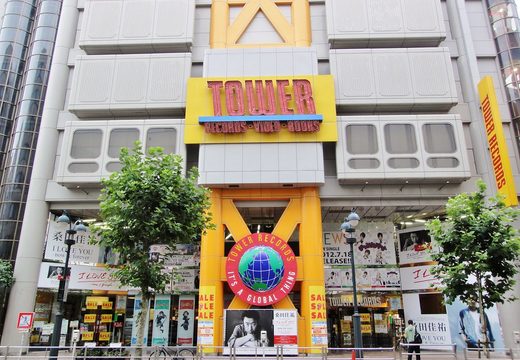
Shopping · Shibuya Tower Records Shibuya Tower Records Shibuya is nine floors of physical music in defiance of the whole 21st century, and its 6th floor is one of the biggest vinyl floors in Japan. The J-pop and city pop floors are a culture lesson, and the listening stations still work.
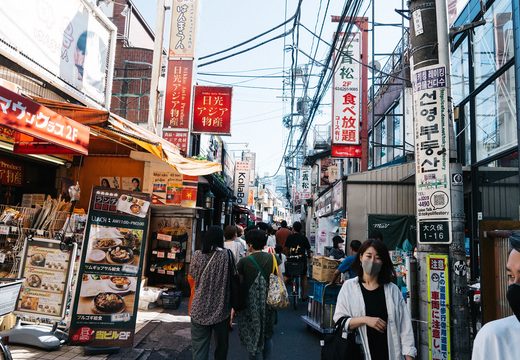
Food · Shin-Okubo Shin-Okubo Koreatown Shin-Okubo is one Yamanote stop from Shinjuku and a whole district of Korean barbecue, street snacks, K-pop shops and cosmetics stores. The cheese hotteok queue tells you which stall to join.
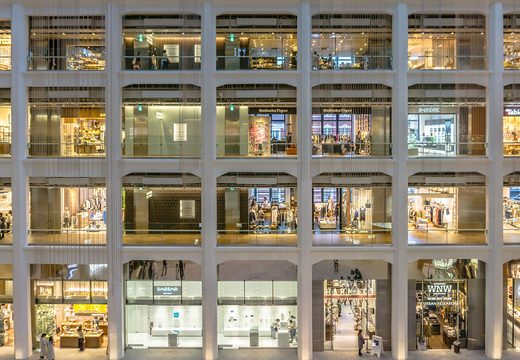
Viewpoint · Marunouchi KITTE Marunouchi KITTE is the old central post office turned shopping hall, with a free rooftop garden that looks straight down on Tokyo Station's restored red-brick facade and the shinkansen sliding in and out. The best free view in central Tokyo.
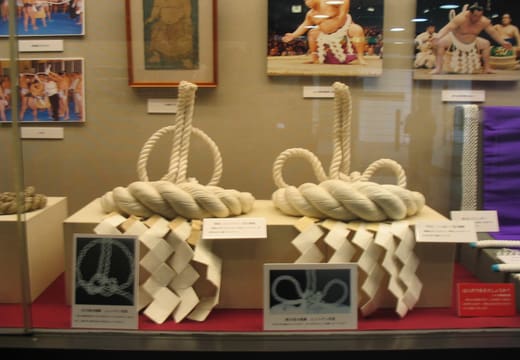
Museum · Ryogoku Sumo Museum The Sumo Museum is a one-room museum inside the Ryogoku Kokugikan stadium that traces sumo history through rotating exhibits of woodblock prints, banzuke ranking sheets and ceremonial kesho-mawashi aprons. Free to enter outside tournament periods.
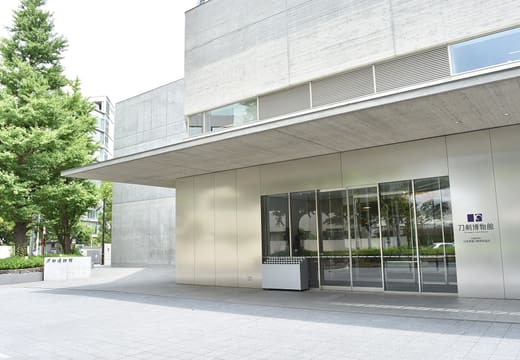
Museum · Ryogoku Japanese Sword Museum The Japanese Sword Museum belongs to the Society for Preservation of Japanese Art Swords and shows rotating exhibitions of national-treasure-grade blades, fittings and metalwork, in a sleek Fumihiko Maki building beside the Edo-period Kyu-Yasuda Garden.
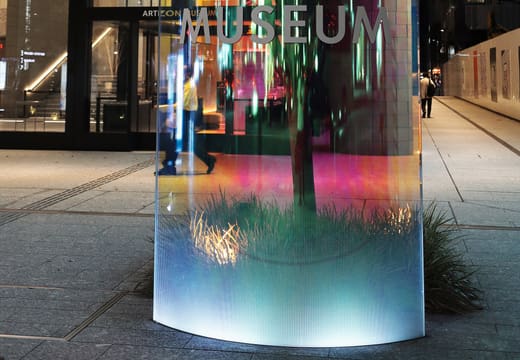
Museum · Kyobashi Artizon Museum The Artizon Museum is the reborn Bridgestone Museum of Art, reopened in 2020 in a new Kyobashi tower. It holds the Ishibashi collection of around 3,000 works, from Impressionism to Japanese Western-style painting and postwar abstraction, across three spacious floors.
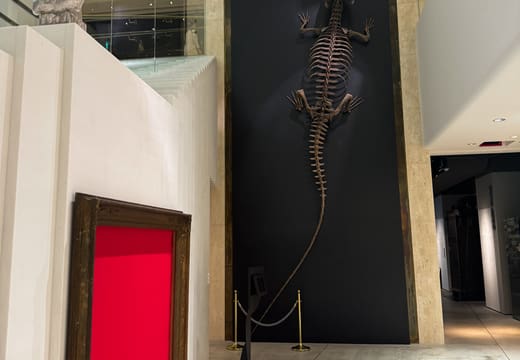
Museum · Marunouchi Intermediatheque Intermediatheque is a free cabinet-of-curiosities museum run by the University of Tokyo inside the old Tokyo Central Post Office. Skeletons, taxidermy, scientific instruments and specimens collected since 1877, displayed like a beautifully art-directed Victorian study.
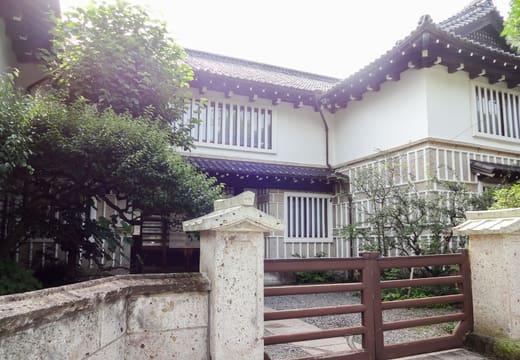
Museum · Komaba Japan Folk Crafts Museum The Japan Folk Crafts Museum, the Mingeikan, was founded in 1936 by the philosopher Yanagi Soetsu as the home of the mingei folk craft movement. It shows anonymous everyday ceramics, textiles, woodwork and Korean and Okinawan craft in a beautiful stone-and-wood building he designed himself.
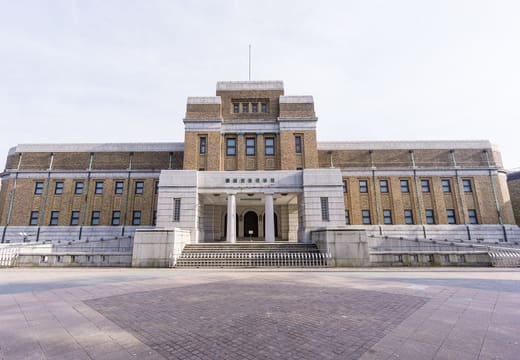
Museum · Ueno National Museum of Nature and Science The National Museum of Nature and Science is Japan's flagship science museum, in Ueno Park, with a life-size blue whale outside, dinosaur skeletons, a 360-degree dome theatre and the Japan Gallery on the islands' nature and people. Entry is only around 630 yen.
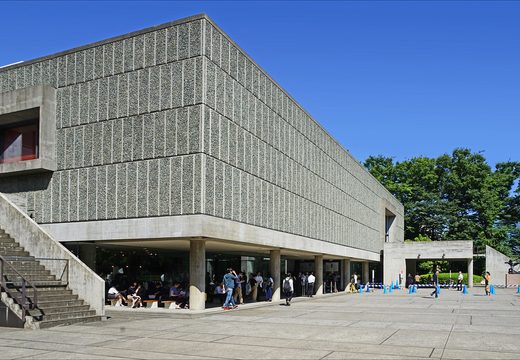
Museum · Ueno National Museum of Western Art The National Museum of Western Art holds Japan's main collection of Western art, built around the Matsukata collection of Impressionists and Rodins, in a 1959 Le Corbusier building that became a UNESCO World Heritage Site in 2016. It's his only work in East Asia.
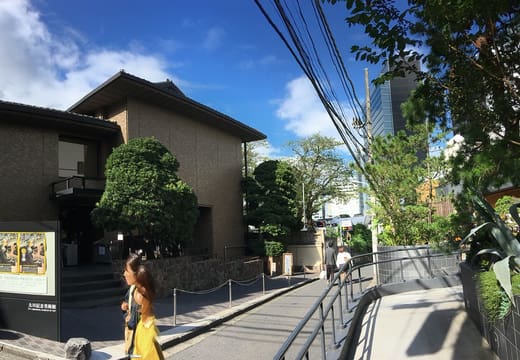
Museum · Harajuku Ota Memorial Museum of Art The Ota Memorial Museum of Art is a small ukiyo-e museum behind Laforet in Harajuku. The works on show change every month and come from a collection of about 15,000 that includes Hokusai, Hiroshige and Utamaro, and it's one of the best places in Tokyo to see woodblock prints up close.
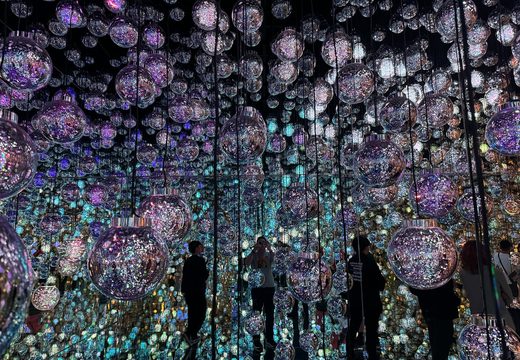
Museum · Azabudai teamLab Borderless teamLab Borderless is the relocated digital art museum that reopened in 2024 at Azabudai Hills: a maze of borderless projection works that drift from room to room, including the mirrored Infinite Crystal World and a tea house where flowers bloom in your cup.
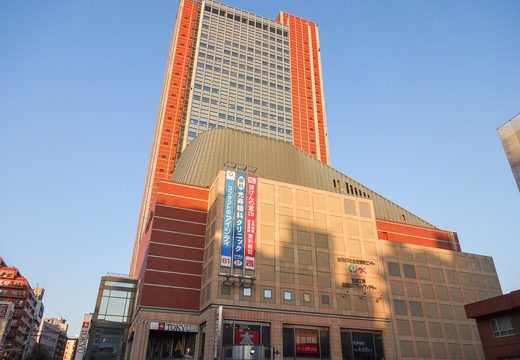
Viewpoint · Sangenjaya Carrot Tower Observation Deck Carrot Tower's free 26th-floor observation lounge sits above Sangenjaya Station, looking back over Shibuya and Tokyo Tower one way and out towards Mount Fuji the other. Locals come up just to read or nap in the window seats.
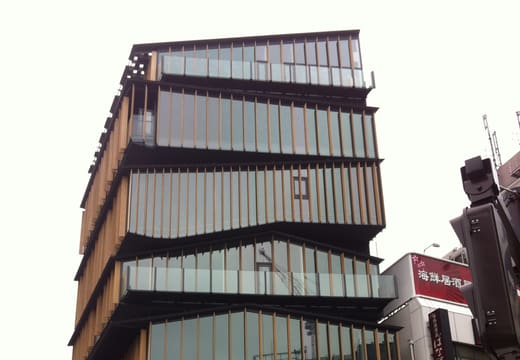
Viewpoint · Asakusa Asakusa Culture Tourist Information Center The Asakusa Culture Tourist Information Center is Kengo Kuma's stacked-house building right across from Kaminarimon, with a free 8th-floor terrace that lines up the gate, Nakamise and Senso-ji on one side and Tokyo Skytree with the Asahi flame on the other.
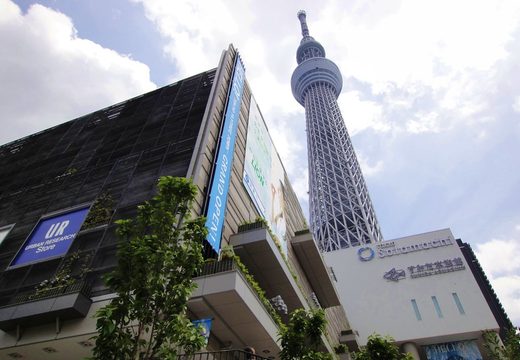
Shopping · Oshiage Tokyo Solamachi Tokyo Solamachi is the 300-plus-shop complex at the base of Tokyo Skytree, with character stores and a big food hall alongside the Sumida Aquarium and a planetarium, plus restaurants on the 30th and 31st floors with free tower views.
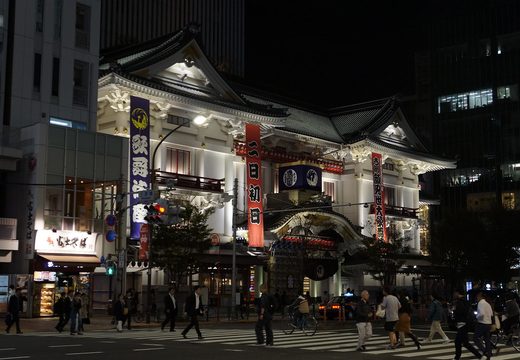
Landmark · Ginza Kabukiza Theatre Kabukiza has been the main home of kabuki since 1889. Kengo Kuma rebuilt it in 2013, restoring the grand Momoyama-style facade beneath a modern tower. Performances run most of the year, and cheap single-act tickets let you try the spectacle without sitting through a four-hour programme.
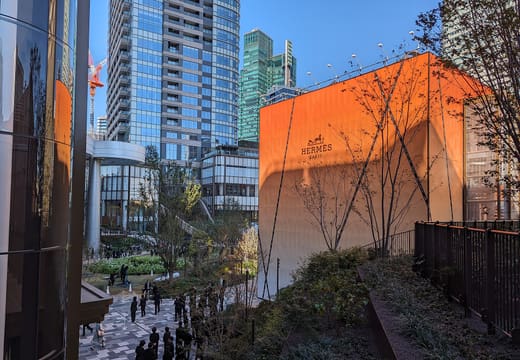
Landmark · Azabudai Azabudai Hills Azabudai Hills is Mori's 2023 mega-development around the roughly 330-metre Mori JP Tower, with Heatherwick Studio's rippling low-rise buildings, gardens, galleries, a food market and teamLab Borderless at its base.
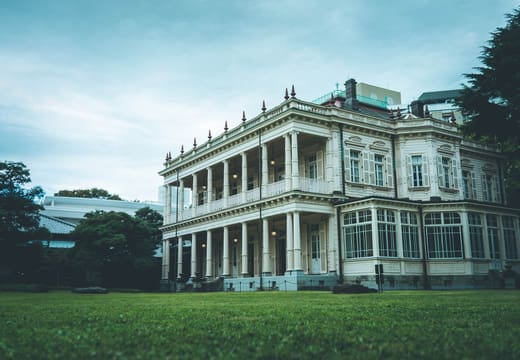
Landmark · Yushima Kyu Iwasaki-tei Gardens Kyu Iwasaki-tei is the opulent 1896 residence of the Iwasaki family, who founded Mitsubishi. It's centred on a Jacobean-style Western mansion by Josiah Conder, with a Swiss-chalet billiard house and an attached traditional Japanese wing. The mansion and the Japanese wing are open to walk through for 400 yen, and the billiard house opens on a guided tour on the 15th of each month.
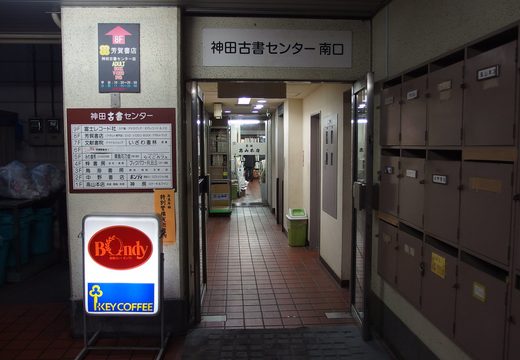
Food · Jimbocho Curry Bondy Curry Bondy is the shop that started Tokyo's European-style curry in 1973, on the second floor above a second-hand bookshop in Jimbocho's book district. Its deep brown roux mixes French sauce technique with fruit and dairy.
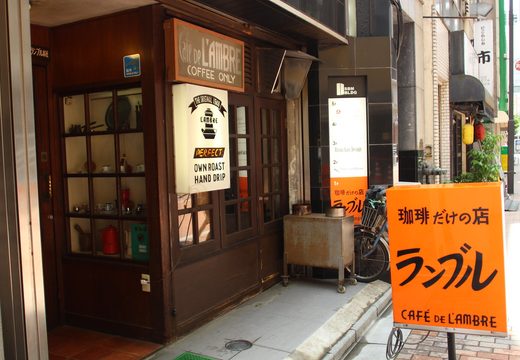
Cafe · Ginza Cafe de l'Ambre Cafe de l'Ambre is the legendary Ginza kissaten that has poured coffee and nothing else since 1948, with about 20 single origins on the menu, including beans aged for a decade or more. Much of the original interior survives.
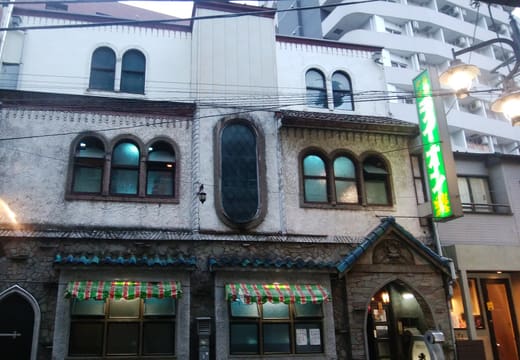
Cafe · Shibuya Meikyoku Kissa Lion Meikyoku Kissa Lion is a classical-music listening cafe on Dogenzaka, founded in 1926 and rebuilt to the same design in 1950, with seats arranged like a theatre facing 3-metre wooden speakers. Talking is kept to whispers and photography is banned.
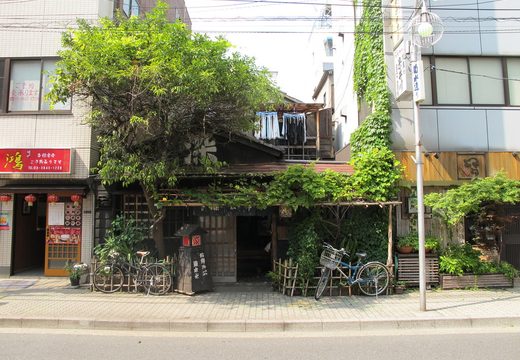
Food · Asakusa Sometaro Sometaro is an okonomiyaki house in a creaky wooden building that has been going since 1937. You sit on tatami and cook your own pancake on a hot plate set into the low table. The menu covers Tokyo-style okonomiyaki and old shitamachi snacks like anzu-yaki.
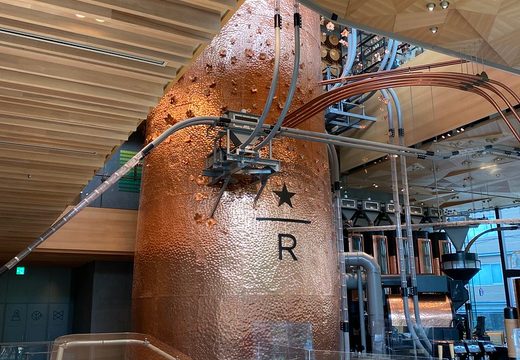
Cafe · Nakameguro Starbucks Reserve Roastery Tokyo Starbucks Reserve Roastery Tokyo is a four-storey Kengo Kuma building on the Meguro River with a copper cask rising through the whole thing, a Princi bakery, a teahouse floor and a cocktail bar on top. It's one of only a handful of Reserve Roasteries in the world, and people treat it as a destination in itself.
Cafe · Ginza Kissa You Kissa You is a classic showa-era kissaten right behind the Kabukiza theatre, famous for one dish: omurice with an almost liquid, custard-soft omelette draped over ketchup rice. Kabuki actors and stagehands have been regulars for decades.
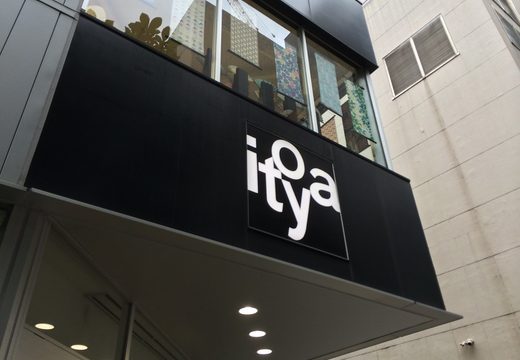
Shopping · Ginza Itoya Ginza Itoya Ginza is a twelve-floor flagship devoted entirely to stationery, run by a company founded in 1904 and marked by the red paperclip sign on Chuo-dori. Each floor is one obsession: letter paper, fountain pens, travel gear, craft paper, even a cafe on top.
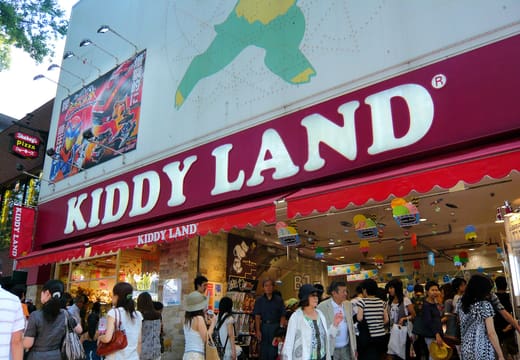
Shopping · Harajuku Kiddy Land Harajuku Kiddy Land is the character-goods institution on Omotesando, with floor after floor of Snoopy, Sanrio, Rilakkuma, Ghibli and whatever character Japan is obsessed with this month. It's been a Harajuku fixture for decades, and adults enjoy it as much as children do.
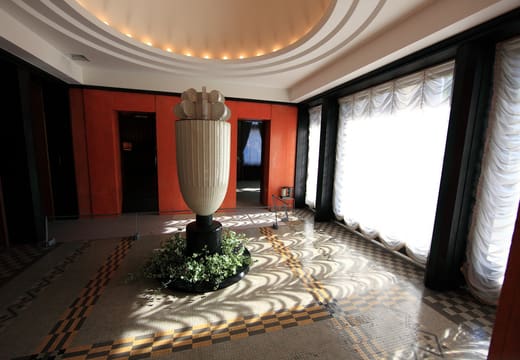
Museum · Meguro Tokyo Metropolitan Teien Art Museum The Tokyo Metropolitan Teien Art Museum is a 1933 Art Deco mansion built as the residence of Prince Asaka, with interiors by the French designer Henri Rapin and glass by Rene Lalique. The building is the main exhibit, and exhibitions rotate through its original rooms.
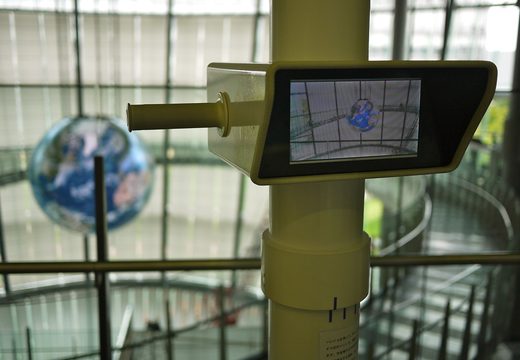
Museum · Odaiba Miraikan Miraikan is Japan's national museum of emerging science, built around the Geo-Cosmos, a giant suspended globe that shows the Earth in near real time. The exhibits cover robotics, space and life science, and most of them are hands-on.
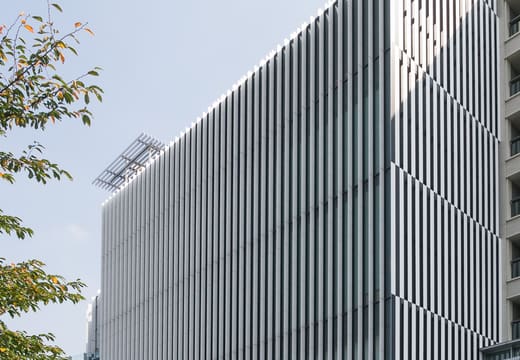
Museum · Roppongi Suntory Museum of Art The Suntory Museum of Art is a Kengo Kuma museum inside Tokyo Midtown devoted to art in everyday life, which means lacquerware, ceramics, textiles and glass rather than paintings. The exhibitions rotate, so the collection always feels freshly edited.
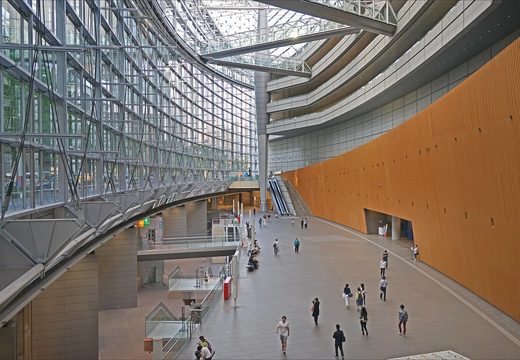
Landmark · Yurakucho Tokyo International Forum The Tokyo International Forum is Rafael Vinoly's 1997 convention centre, known for its glass hall shaped like the hull of a ship and held up by a spine of white steel ribs. It's one of the few pieces of grand modern architecture in Tokyo you can wander through freely.
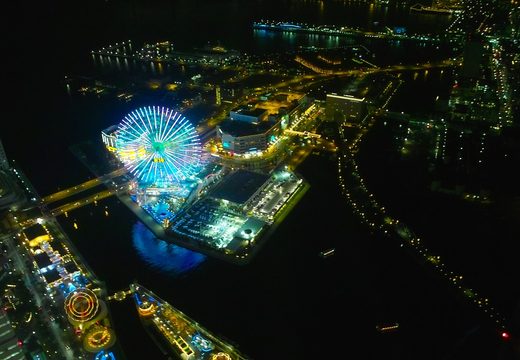
Day trip · Yokohama Yokohama Minato Mirai Yokohama's Minato Mirai packs the Landmark Tower, the Red Brick Warehouse shops and the Cup Noodles Museum into a walkable waterfront loop. Japan's largest Chinatown is three stops further down the same line.
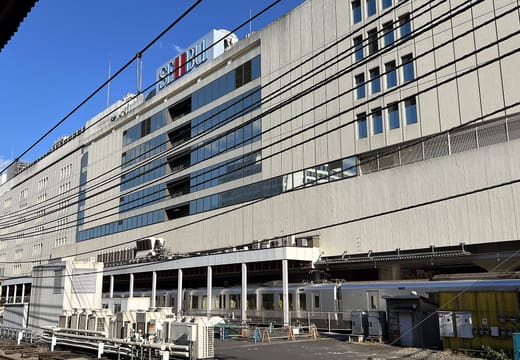
Neighbourhood · Ikebukuro Ikebukuro Ikebukuro is the north side's answer to Shinjuku: a giant station with Tobu and Seibu department stores bolted to either side, Sunshine City and the anime shops of Otome Road to the east, and a deep bench of business hotels.
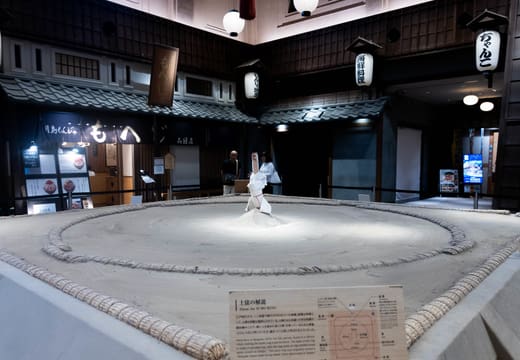
Food · Ryogoku Ryogoku Edo Noren Ryogoku Edo Noren is the 1929 Ryogoku station building, reopened in 2016 as a food hall arranged around a full-size raised sumo ring. About a dozen counters serve old Tokyo dishes under one roof, from chanko nabe and monjayaki to fukagawa-meshi clam rice.
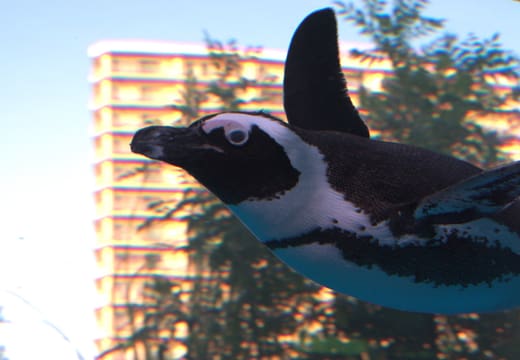
Museum · Ikebukuro Sunshine Aquarium Sunshine Aquarium is a rooftop aquarium on top of Sunshine City, where the penguin tank is built so the birds seem to swim above the Ikebukuro skyline and sea lions glide through a ring-shaped tank over your head. The indoor floors below hold the jellyfish and tropical tanks.
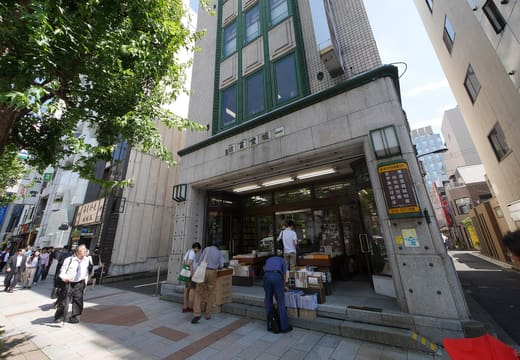
Shopping · Jimbocho Isseido Booksellers Isseido Booksellers is Jimbocho's landmark antiquarian bookshop, trading since 1903 from a stone-faced building finished in 1931 that came through the war intact. The ground floor holds Japanese scholarship and rare books. Upstairs is one of the best stocks of antiquarian English-language books in Tokyo.
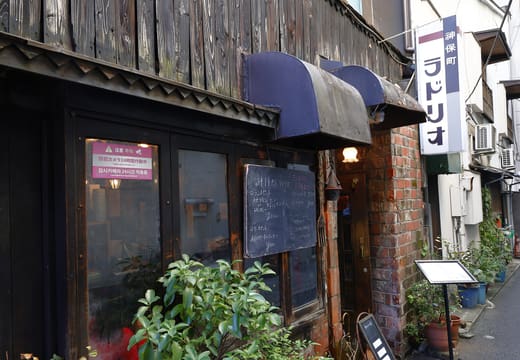
Cafe · Jimbocho Ladrio Ladrio is a 1949 kissaten in a narrow lane off Yasukuni-dori, dim, brick-walled and wood-panelled, and widely credited with bringing Vienna coffee, strong coffee under a cap of whipped cream, to Japan. The spaghetti napolitan is the other reason regulars come.
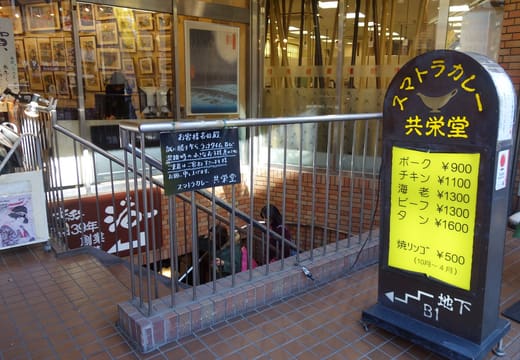
Food · Jimbocho Sumatra Curry Kyoeido Sumatra Curry Kyoeido is a basement curry house open since 1924, the oldest still going in Jimbocho's curry district. Its near-black Sumatra-style curry is built from more than twenty spices and thickened without flour, and it's deeper than it looks.
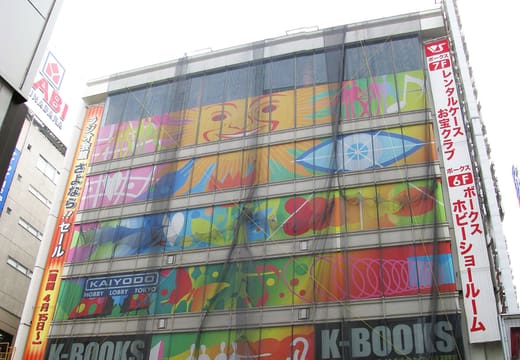
Shopping · Akihabara Akihabara Radio Kaikan Akihabara Radio Kaikan is the building that has anchored Akihabara since 1962, rebuilt in 2014 as ten floors of hobby shops opposite the station: new and used figures, plastic model kits, trading cards, dolls and a few of the old electronics dealers.
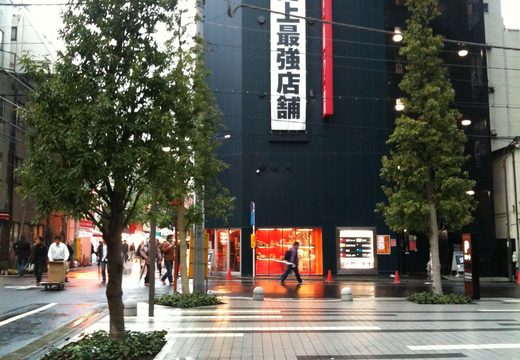
Shopping · Akihabara Mandarake Complex Mandarake Complex is eight floors of second-hand manga, anime goods, retro games, figures and collectibles in a black building on the backstreets west of Chuo-dori. Each floor has its own theme, and it's the place in Akihabara to look for older and out-of-print items.
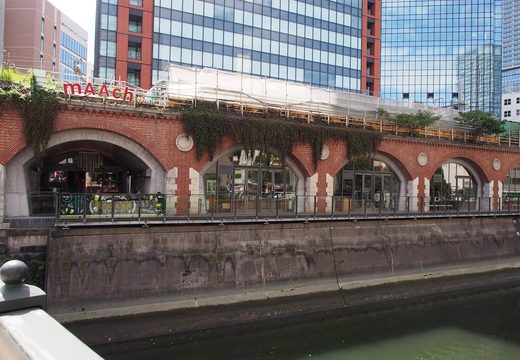
Shopping · Akihabara mAAch ecute Kanda Manseibashi mAAch ecute Kanda Manseibashi is shops and cafes built into the red-brick arches of the old Manseibashi Station, a 1912 terminus designed by Tatsuno Kingo and closed in 1943. The original staircases lead up to the former platform, now a glass-walled deck with Chuo Line trains passing a few metres away on both sides.
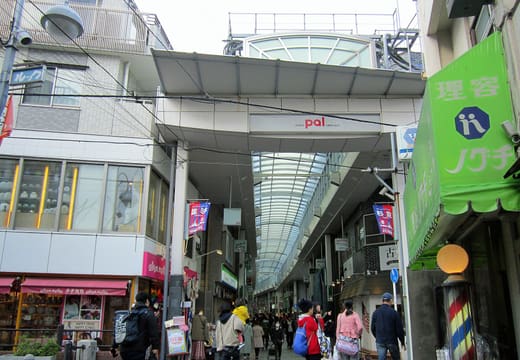
Shopping · Koenji Koenji Pal Shotengai Koenji Pal Shotengai is a covered arcade running about 220 metres south from Koenji station, lined with clothing, general stores and cheap places to eat, and it carries straight on into Look Street's run of vintage shops. The Koenji Awa Odori, now one of the biggest summer dance festivals in Tokyo, grew out of this street in the late 1950s.
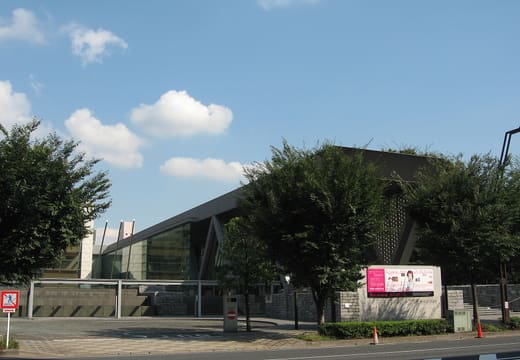
Museum · Kiyosumi Museum of Contemporary Art Tokyo The Museum of Contemporary Art Tokyo is the city's big public museum of contemporary art, opened in 1995 at the north end of Kiba Park, with a collection of around 5,700 works from postwar Japan and abroad. The temporary shows draw the crowds. The MOT Collection galleries show the permanent holdings for a lower fee.
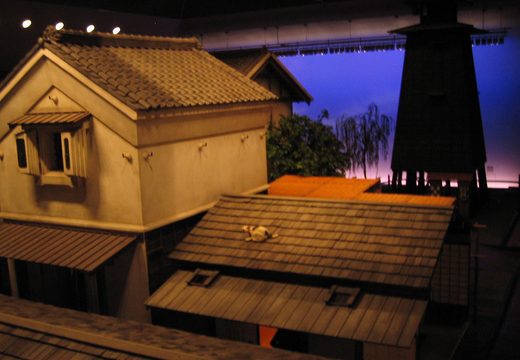
Museum · Kiyosumi Fukagawa Edo Museum The Fukagawa Edo Museum is a full-size reconstruction of a Fukagawa riverside neighbourhood around 1840, built inside a hall: row houses, shops, a boathouse, a tavern and a fire lookout, all made with traditional techniques. You can walk the lanes and step into the houses.
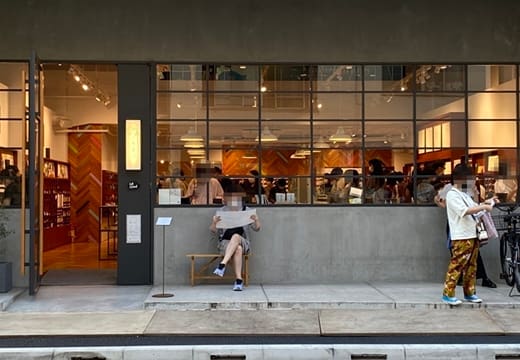
Shopping · Kuramae Kakimori Kakimori is the stationery shop that made Kuramae a destination: you pick covers, paper, rings and closures from the shelves and the staff bind a custom notebook on the spot. Fountain pens and inks fill the rest of the room.
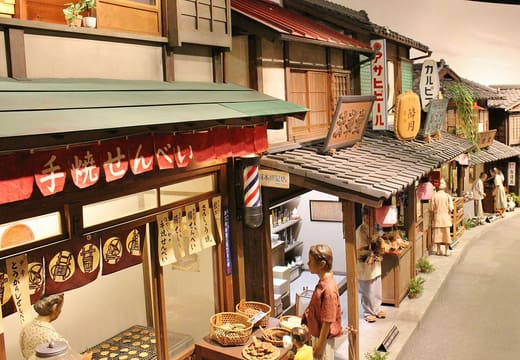
Museum · Shibamata Katsushika Shibamata Tora-san Museum The Katsushika Shibamata Tora-san Museum is set into the Edo River embankment and devoted to Otoko wa Tsurai yo, the 48-film series about the wandering salesman Tora-san of Shibamata, with sets, props, costumes and dioramas from the films. The Yoji Yamada Museum next door covers the director.
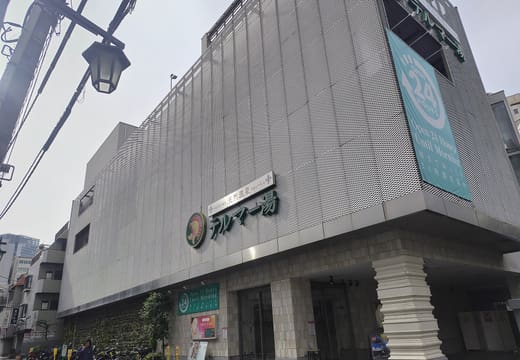
Onsen · Shinjuku Thermae-yu Thermae-yu is a big modern onsen complex in Kabukicho, open 24 hours. The outdoor bath uses real hot spring water trucked in from Naka-Izu, and there are saunas, a bedrock sauna room, restaurants and lounges where people nap between soaks. It's a spa, not a neighbourhood sento, and it's priced like one.
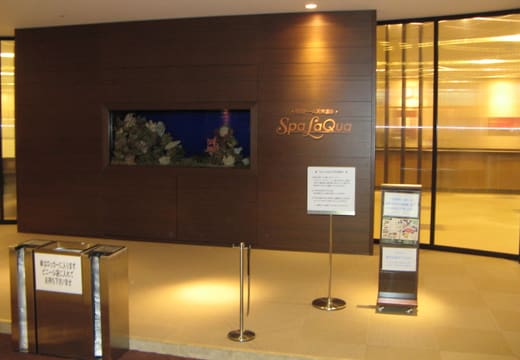
Onsen · Bunkyo Spa LaQua Spa LaQua is the onsen complex inside Tokyo Dome City, fed by an amber, very salty hot spring pumped from 1,700 metres down. There's an outdoor bath at two temperatures, a row of saunas with scheduled aufguss sessions, and floors of lounges and restaurants. It's a modern leisure spa, so expect crowds on weekends.
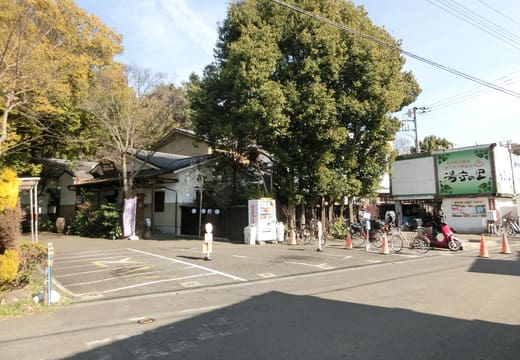
Onsen · Chofu Yumori no Sato Yumori no Sato is a day-trip onsen a few minutes' walk from Jindaiji, and its water is the real thing: dark brown kuro-yu pumped from 1,500 metres. There are nine different baths and a restaurant serving Jindaiji soba. Pair it with the temple and the botanical gardens for a slow day on Tokyo's west side.
Onsen · Komagome Tokyo Somei Onsen Sakura Tokyo Somei Onsen Sakura is a hot spring complex near Komagome with amber, iodine-rich salt water pumped from its own well at 46.6°C. There's a lukewarm cypress bath indoors and an open-air bath under the sky, and Rikugien Gardens is a short walk away.
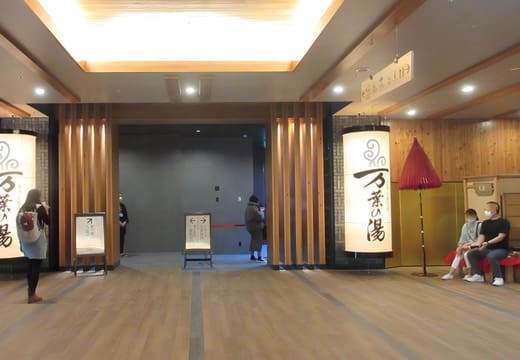
Onsen · Toyosu Tokyo Toyosu Manyo Club Tokyo Toyosu Manyo Club is the onsen complex next to Toyosu Market, open 24 hours. The water is trucked in by tanker from the hot springs of Hakone and Yugawara, the outdoor bath looks out over Tokyo Bay, and there's a rooftop footbath garden with a view right round the waterfront. Come after the morning tuna at the market.
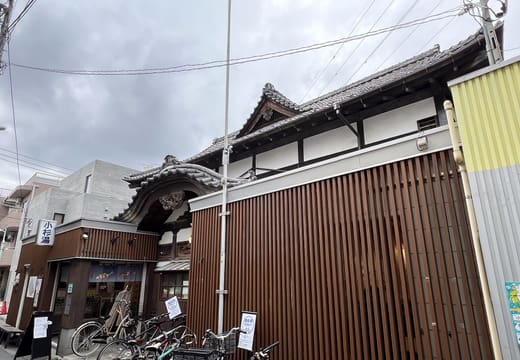
Sento · Koenji Kosugiyu Kosugiyu has been running in Koenji since 1933, in the original wooden temple-style building with a curved karahafu gable over the entrance. It's known for its milk bath, a daily changing bath, and four tubs at different temperatures for going hot and cold.
Sento · Harajuku Kosugiyu Harajuku Kosugiyu Harajuku is the Koenji bathhouse's second branch, in the basement of the Harakado building at the Jingumae crossing. Expect white tiles, round mirrors, the house milk bath every day and a 44°C hot tub next to a soft-water cold bath. It's a real ¥600 sento in the middle of Harajuku's shopping streets.
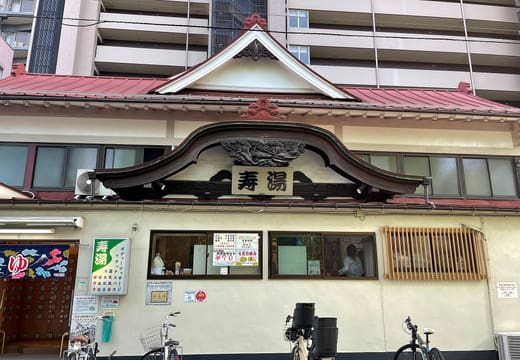
Sento · Ueno Kotobukiyu Kotobukiyu is a temple-style sento near Inaricho with a karahafu roof, a huge painting on the bathroom wall and an outdoor rock bath. Inside there are hot and lukewarm tubs, a daily herbal bath, a sauna and a cold plunge, and it stays open until 1:30am.
Sento · Ueno Haginoyu Haginoyu by Uguisudani station is one of Tokyo's biggest sento, rebuilt in 2017 with the men's bath on the third floor and the women's on the fourth. There's an outdoor rock bath, a carbonated bath, saunas and a restaurant on the second floor. It also opens for a morning bath from 6am.
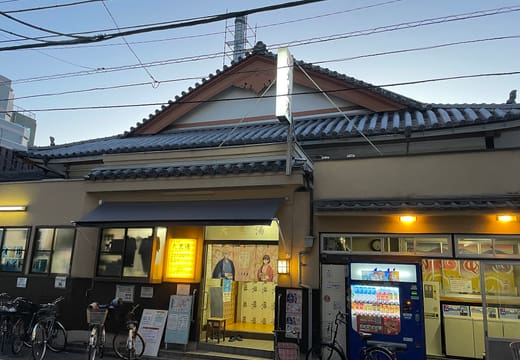
Sento · Asakusa Oshiage Onsen Daikokuyu Oshiage Onsen Daikokuyu is a temple-style sento with natural hot spring water, a big outdoor bath and a bath with a view of the Skytree. It's open all night, from 3pm until 10am the next morning, which makes it the place for a dawn soak in this part of town.
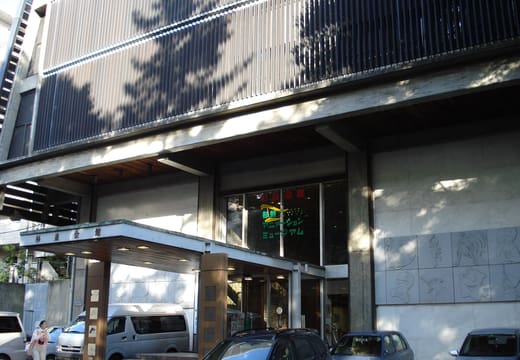
Museum · Ogikubo Suginami Animation Museum The Suginami Animation Museum is a free museum on the third floor of Suginami Kaikan, run by Tokyo Polytechnic University. A timeline walks you through the history of Japanese anime, there's a dubbing corner where you can try voicing a scene yourself, and the theatre shows anime on a 200-inch screen. Special exhibitions on one studio or series change three or four times a year.
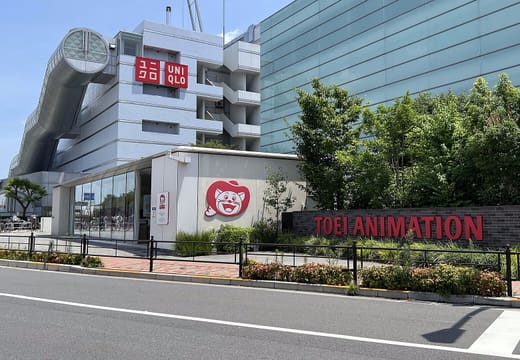
Museum · Oizumi Toei Animation Museum The Toei Animation Museum is run by Toei Animation itself, the oldest anime studio still in business, in Higashi-Oizumi in Nerima. It's small and free, and it covers about seventy years of the studio's work, from its earliest films to the series on TV now. A permanent Digimon display opened in June 2026.
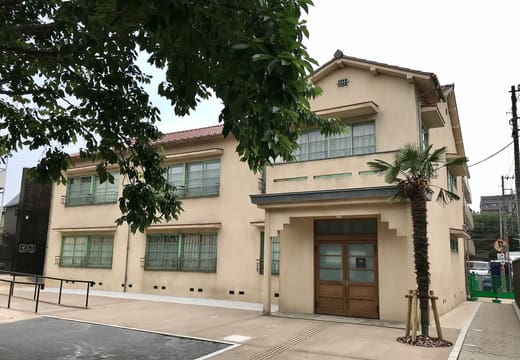
Museum · Minami-Nagasaki Tokiwa-so Manga Museum The Tokiwa-so Manga Museum is a rebuilt Tokiwa-so, the two-storey apartment house in Toshima where Osamu Tezuka moved in 1953. Young manga artists followed him there, Fujiko F. Fujio, Shotaro Ishinomori and Fujio Akatsuka among them. The original came down in 1982, and the rebuilt version in Minami-Nagasaki Hanasaki Park runs exhibitions on the artists who lived there.
Museum · Ikebukuro Anime Tokyo Station Anime Tokyo Station is a free anime centre set up by the Tokyo Metropolitan Government and run by the Association of Japanese Animations, four minutes from Ikebukuro's east exit. The basement takes you through how an anime gets made, with real production material. The upper floor holds special exhibitions on one series at a time, and they're free too.
Shopping · Ikebukuro Animate Ikebukuro Animate Ikebukuro is the flagship of the Animate anime shop chain, five minutes from Ikebukuro's east exit. Since a 2023 rebuild it fills a building of nine floors and two basements with character goods, manga, music and games, and it has its own theatre downstairs for stage readings and talk shows.
Shopping · Ikebukuro Gashapon Department Store Ikebukuro The Gashapon Department Store in Sunshine City is Bandai Namco's capsule toy hall, with 3,775 machines on the third floor of the World Import Mart building. Weeks after it opened in 2021 it set the Guinness World Record for the most capsule toy machines in one place, and it's added more since.
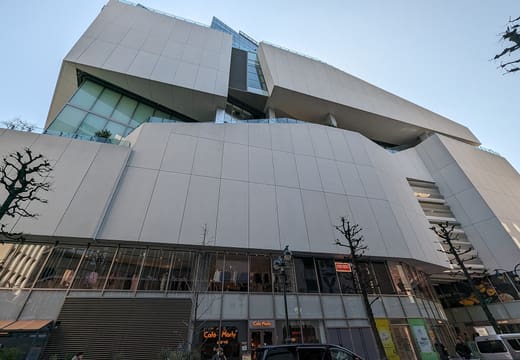
Shopping · Shibuya Shibuya PARCO Shibuya PARCO is a fashion mall, but anime and game fans go straight to the 6th floor, where Nintendo TOKYO, Pokémon Center Shibuya, the JUMP SHOP and the CAPCOM STORE TOKYO sit side by side. THE GUNDAM BASE SHIBUYA is due to open in the building in November 2026.
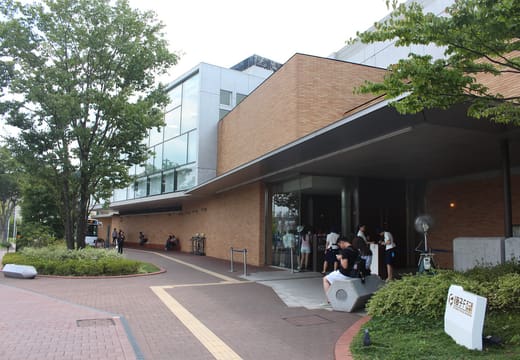
Museum · Kawasaki Fujiko F. Fujio Museum The Fujiko F. Fujio Museum in Kawasaki is given over to the creator of Doraemon, who lived for years in the city's Tama ward. His original colour artwork fills the first floor, a small theatre screens films you can't see anywhere else, and his characters wait for you on the rooftop playground. There's a manga reading room and a cafe too.
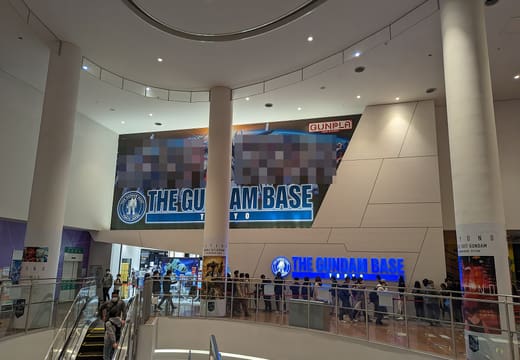
Shopping · Odaiba The Gundam Base Tokyo The Gundam Base Tokyo is the official Gunpla centre on the 7th floor of DiverCity Tokyo Plaza, where you can buy, build and look at Gundam model kits, with finished models on display. The life-size Unicorn Gundam statue outside the mall ended its run on 31 August 2026.
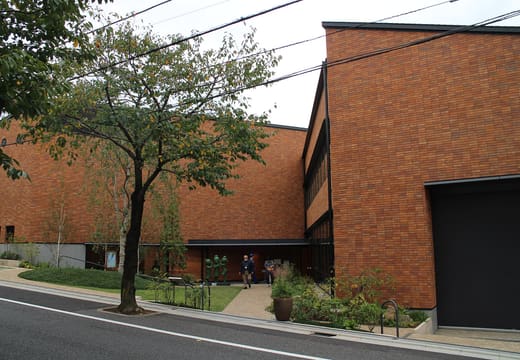
Museum · Sakura-shinmachi Hasegawa Machiko Art Museum The Hasegawa Machiko Art Museum is two buildings in Sakura-shinmachi for the creator of Sazae-san. The Memorial Museum covers her life and her best-known manga, Sazae-san, Ijiwaru Baasan and Apron Obasan, with original drawings and photos. The Art Museum, open since 1985, shows the paintings and crafts she and her sister Mariko collected.
More photos
More collections
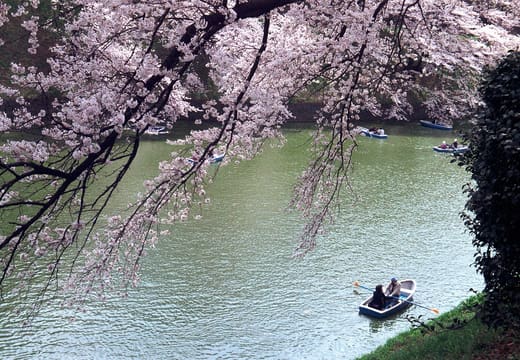 Tokyo Cherry Blossom Map Where to see sakura in Tokyo, and when to go
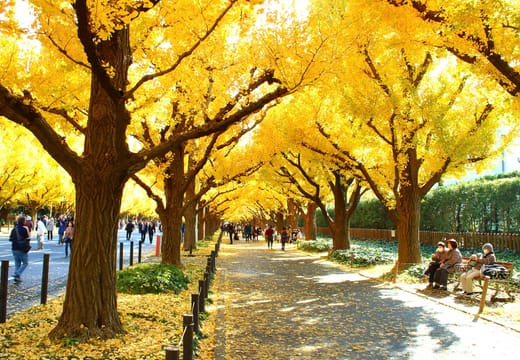 Autumn Colour in Tokyo Koyo season, the best two months in the Tokyo calendar
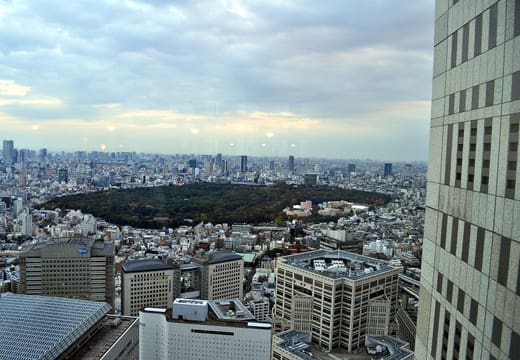 Free Things to Do in Tokyo The best city in the world for spending nothing
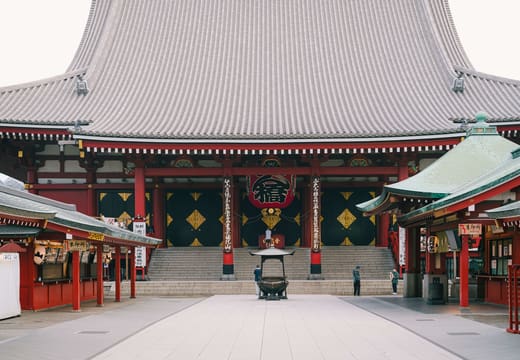 Tokyo Early in the Morning The city before it puts its face on
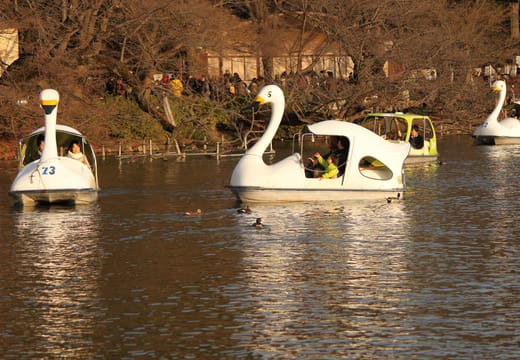 Tokyo with Kids Places that work for small people and the adults carrying them Anime and Manga in Tokyo Museums, shops and pilgrimage spots for anime and manga fans