Free Things to Do in Tokyo
The best city in the world for spending nothing
Tokyo has a reputation for being expensive, and the flights and hotels earn it. Day to day, though, it's one of the best cities anywhere for spending nothing. The grandest shrines are free. The people-watching is free. Some of the best skyline views in the city are free observation decks that tourists walk straight past on their way to paid ones. You could fill a week here on a train pass and food money.
In photos
87 places
Year round When
The places
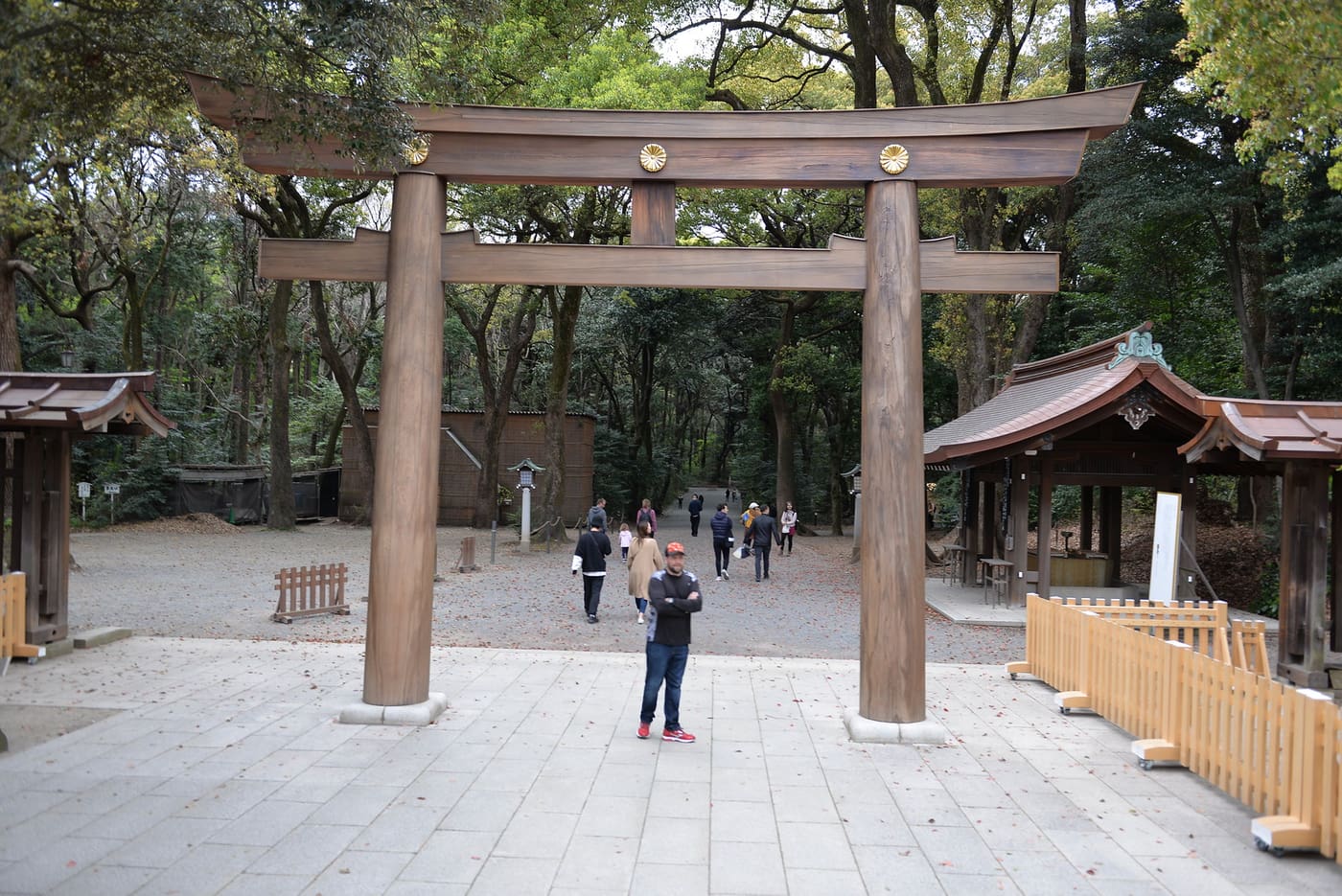
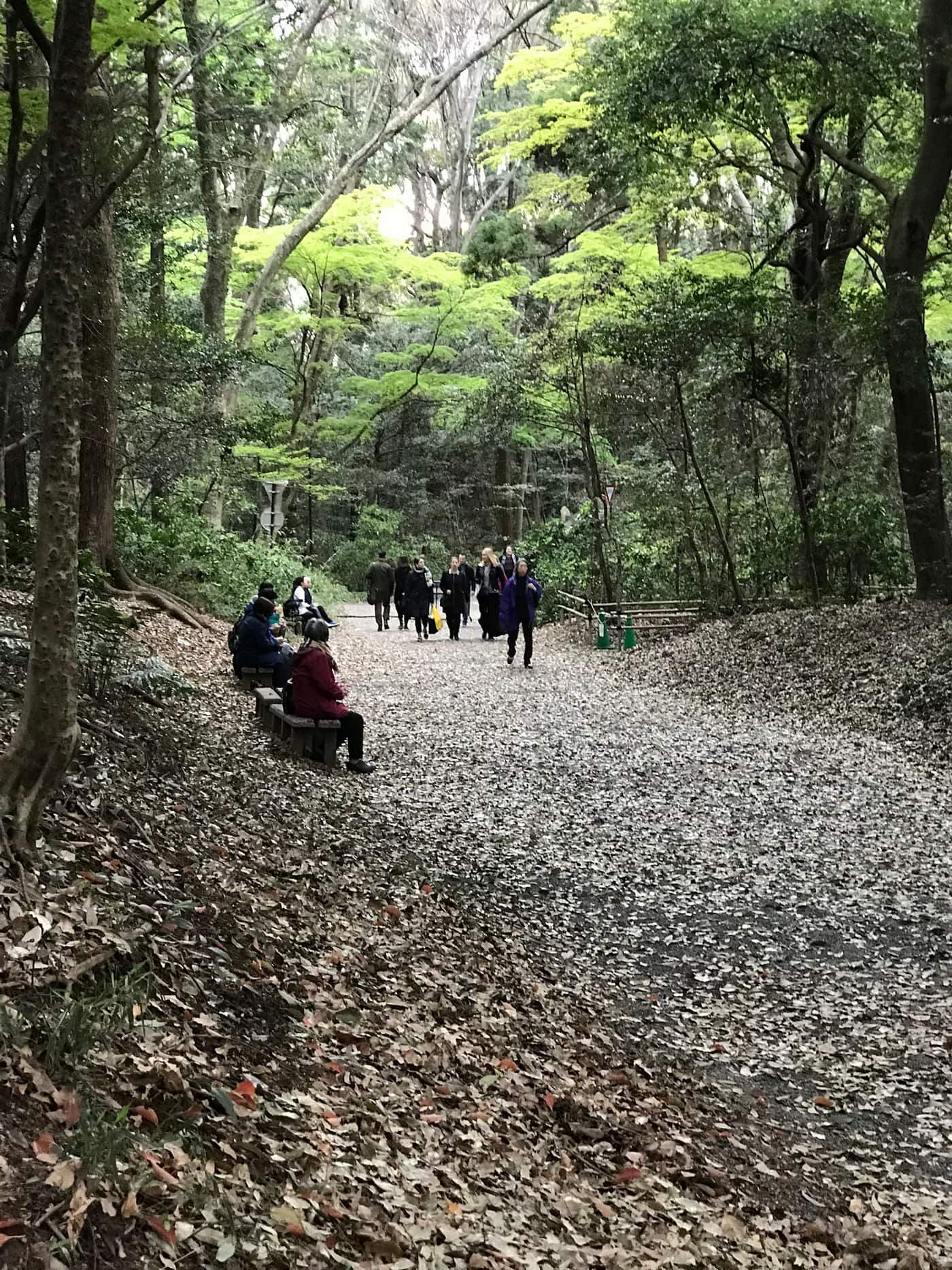
Shrine · Harajuku Meiji Shrine Meiji Shrine is the calmest of Tokyo's big shrines, set in 170 acres of forest. The wide gravel path under the tall camphor trees feels nothing like the city outside.
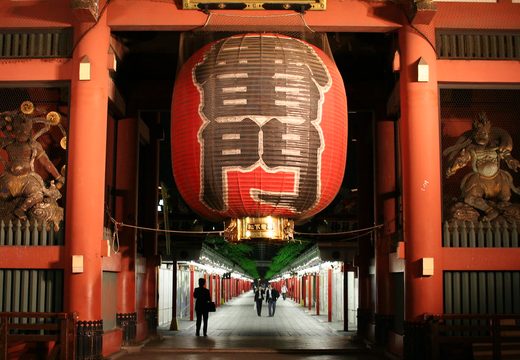
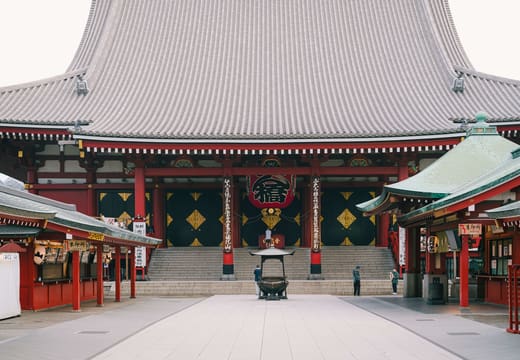
Temple · Asakusa Senso-ji Temple Senso-ji is Tokyo's oldest temple, founded, so tradition says, in 628 AD. You walk in through the Kaminarimon gate, along the Nakamise shopping lane and up to the main hall. Dusk is the best time, when the crowds thin out and the buildings are lit.
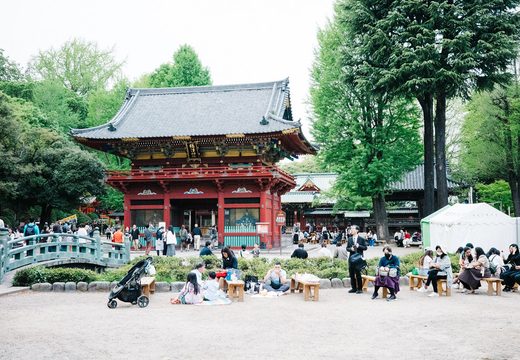
Shrine · Yanaka Nezu Shrine Nezu Shrine gets called Tokyo's answer to Fushimi Inari. A long tunnel of red torii gates climbs a wooded hillside here, with a fraction of Kyoto's crowds, and it might be the more atmospheric of the two.
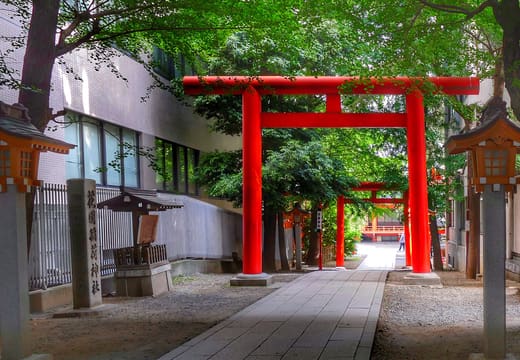
Shrine · Shinjuku Hanazono Shrine Hanazono Shrine sits right behind Shinjuku's neon, dedicated to the god of business and prosperity. It's a lantern-lit shrine with hostess bars and pachinko parlours on every side, which is about as Tokyo as it gets.
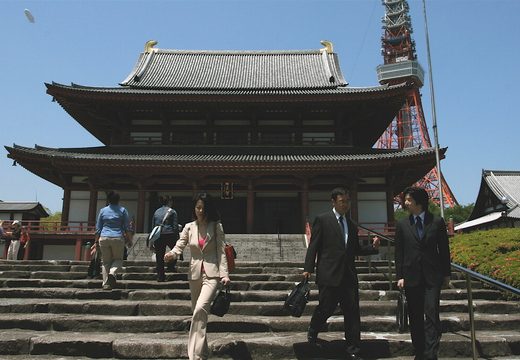
Temple · Shiba Zojo-ji Temple Zojo-ji is the main temple of the Jodo sect of Buddhism, with Tokyo Tower standing right behind it. That pairing makes it one of the best known photo spots in the city.
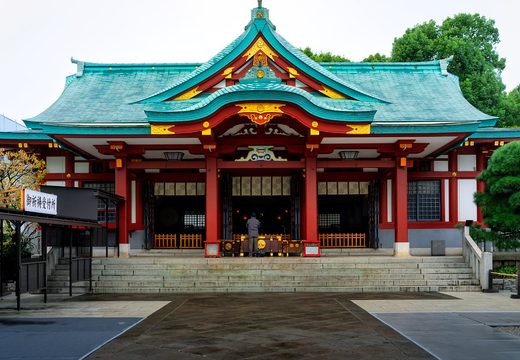
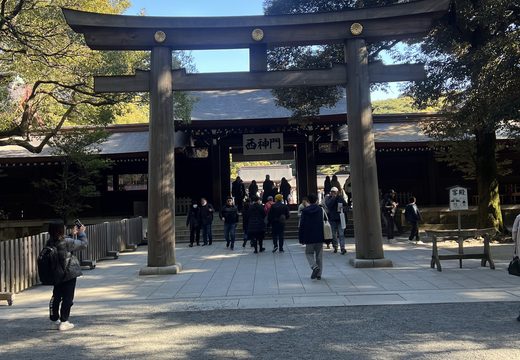
Shrine · Akasaka Hie Shrine Hie Shrine sits on a hill in the middle of Tokyo's political and business district, and it's known for the tunnel of vermilion torii gates on its west stairs. There are escalators beside the main stairs, so you can get up there in heels.
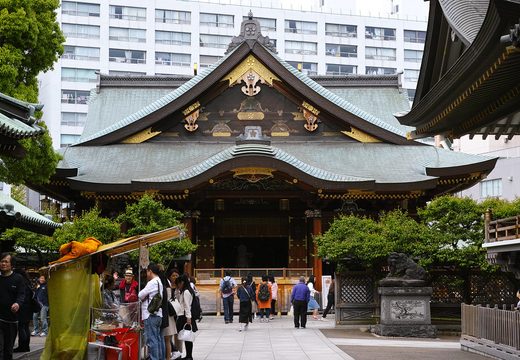
Shrine · Ueno Yushima Tenman-gu Yushima Tenman-gu is said to go back to 458 AD. It's dedicated to Sugawara no Michizane, the god of learning, so the courtyard is covered in wooden ema plaques from students asking for exam luck. The plum blossoms in February are spectacular.
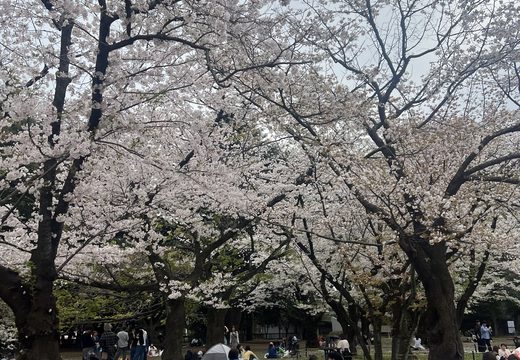
Park · Harajuku Yoyogi Park Yoyogi Park is where Tokyo goes to play. At weekends the lawns fill with musicians, unicyclists, dog walkers and picnickers, and the Meiji Shrine forest next door makes it the big green space of the west side.
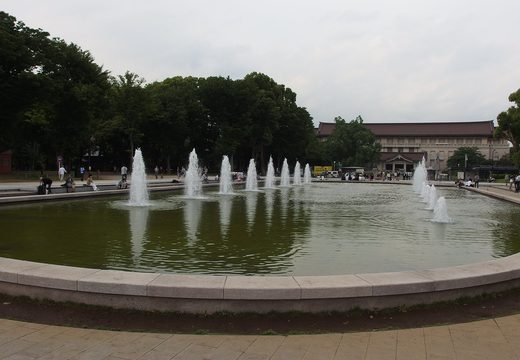
Park · Ueno Ueno Park Ueno Park opened in 1873 as one of Japan's first public parks. It has five major museums, a zoo, a lake with rowboats and the city's most famous cherry blossom avenue. In spring it's crowded and chaotic, and that's half the fun.
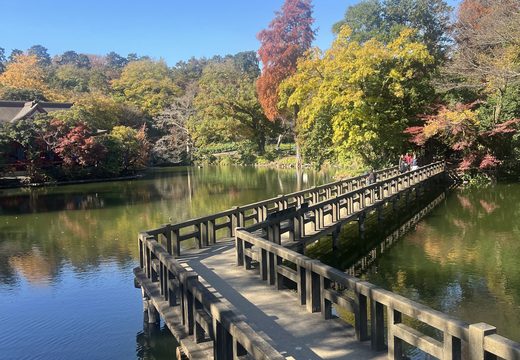
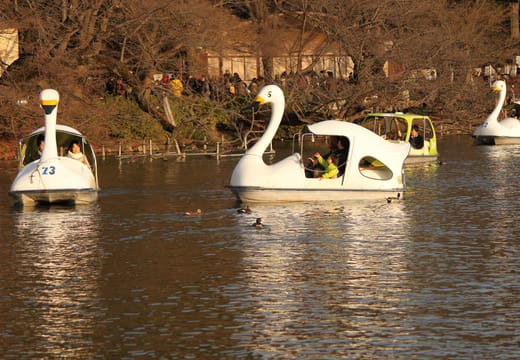
Park · Kichijoji Inokashira Park Inokashira Park is a well-loved local park built around a big lake, with rowboats for hire, a small zoo and street musicians at weekends. Kichijoji has long ranked near the top of polls of where Tokyoites most want to live, and this park is a big reason why.
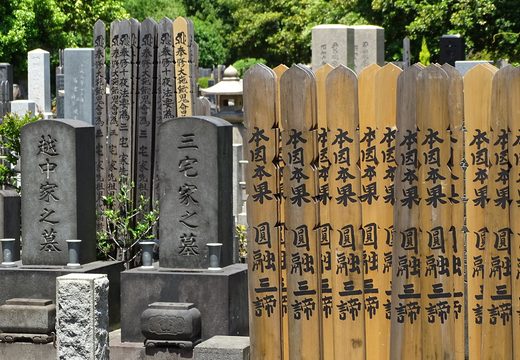
Park · Yanaka Yanaka Cemetery Yanaka Cemetery is more park than cemetery, with wide tree-lined avenues, cats everywhere and the hush of old Tokyo. It's one of the best cherry blossom walks in the city, and there are almost no tourist crowds along the main avenue.
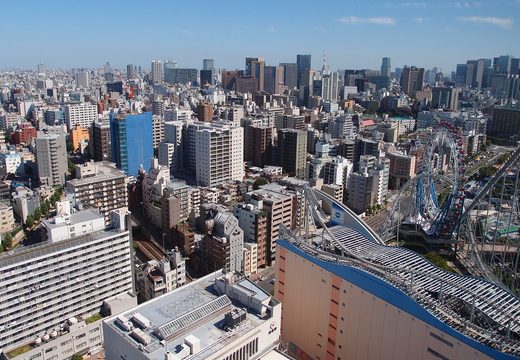
Viewpoint · Bunkyo Bunkyo Civic Center Bunkyo Civic Center has a free observation lounge on its 25th floor, with clear views west to Shinjuku, east to the Skytree and, on cold winter days, Mt Fuji in the distance.
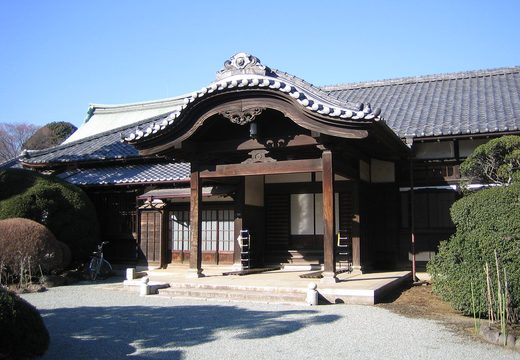
Temple · Setagaya Gotokuji Temple Gotokuji Temple is the birthplace of the maneki-neko, the beckoning cat. Thousands of white lucky cats of every size fill the grounds, left by visitors whose wishes came true. It's a calm residential spot twenty minutes from Shibuya by tram and train.
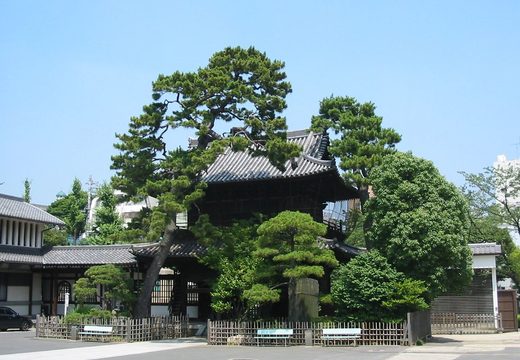
Temple · Takanawa Sengakuji Temple Sengakuji Temple is where the 47 ronin are buried, the samurai whose story of loyalty and revenge is Japan's most famous. Incense smoke hangs over their graves all the time, kept burning by visitors for 300 years.
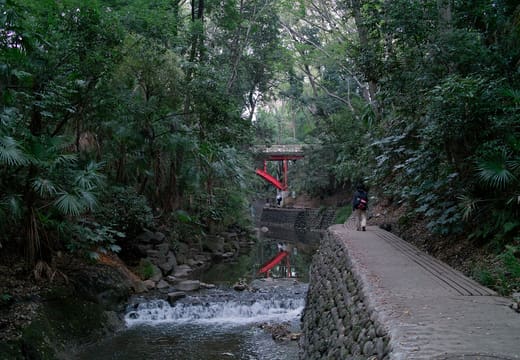
Park · Setagaya Todoroki Valley Todoroki Valley is the only natural valley in Tokyo's 23 wards: a kilometre of thick green canopy, a stream and a path that feels like rural Japan, about half an hour from Shibuya. You feel the temperature drop as you go down the steps.
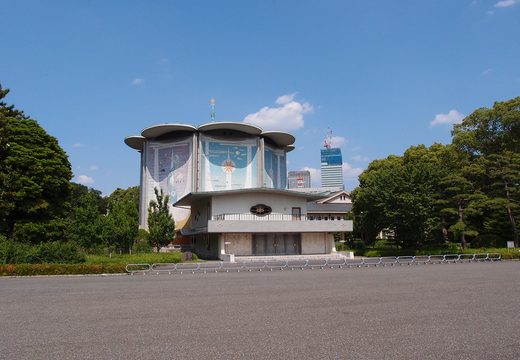
Park · Marunouchi Imperial Palace East Gardens The Imperial Palace East Gardens are the old grounds of Edo Castle, free to enter and surprisingly empty. Huge stone walls, the base of the lost castle tower and immaculate gardens, right in the geographic centre of the city.
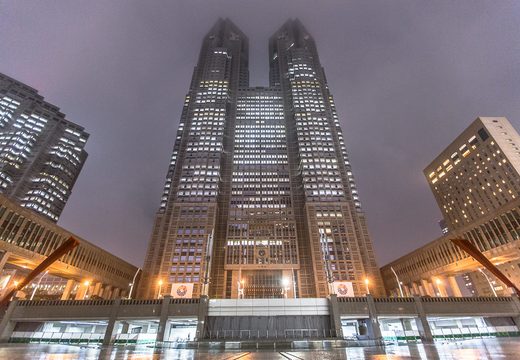
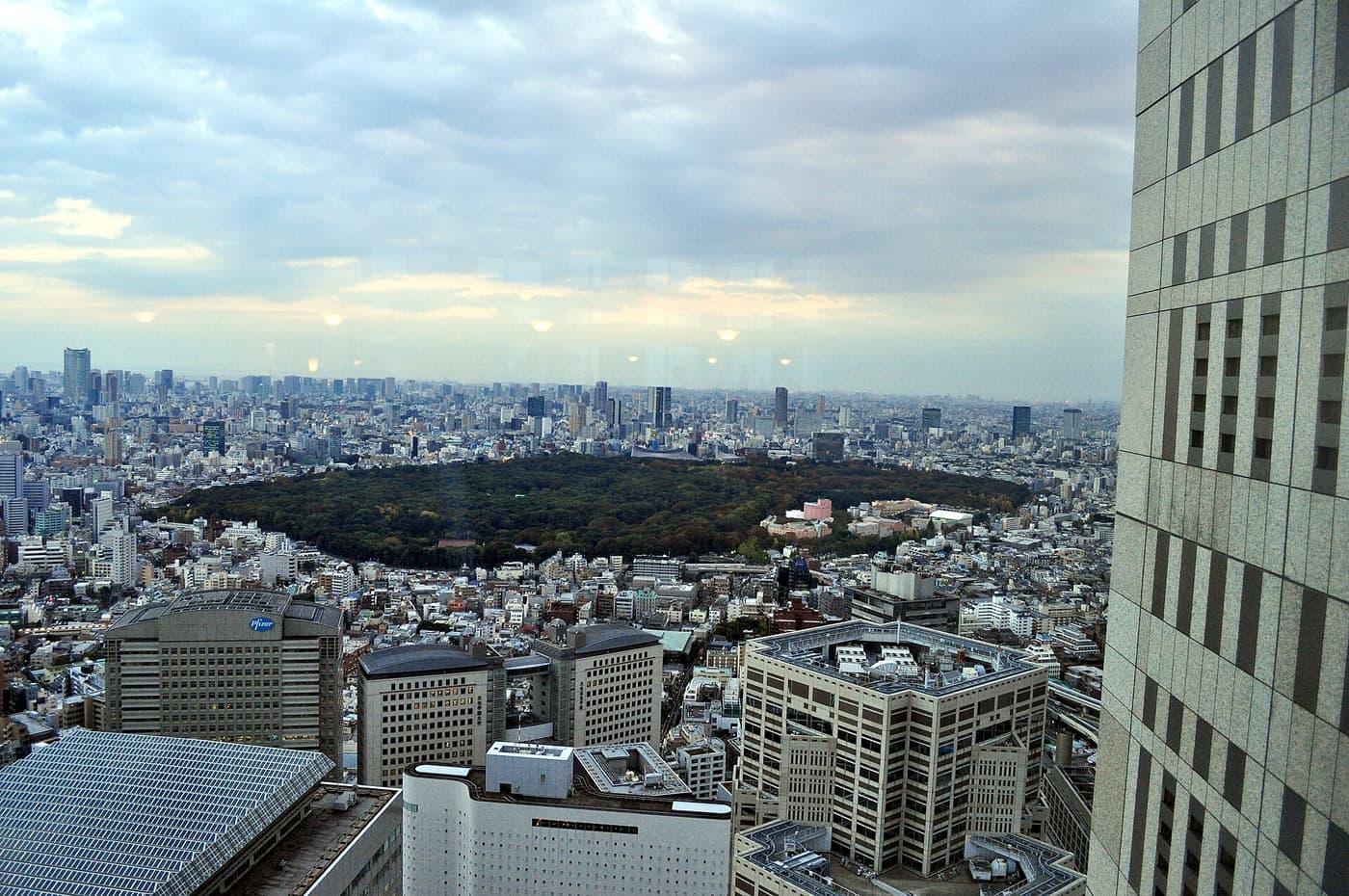
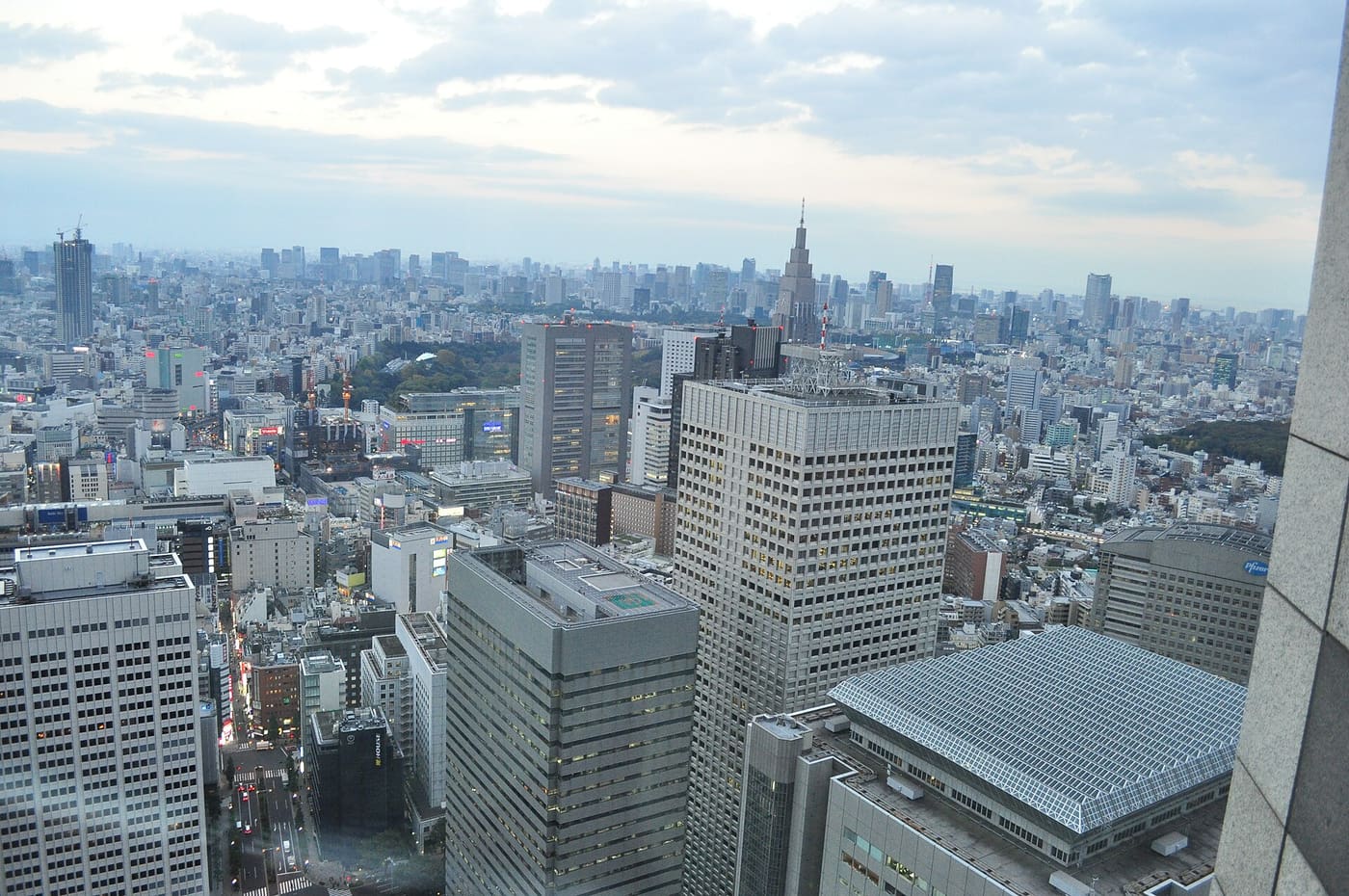
Viewpoint · Shinjuku Tokyo Metropolitan Government Building The Tokyo Metropolitan Government Building has twin observation decks at 202m, completely free, in Kenzo Tange's cathedral-like towers. On a clear day Mt Fuji stands behind the endless sprawl of western Tokyo. It's one of the best free views in the city.
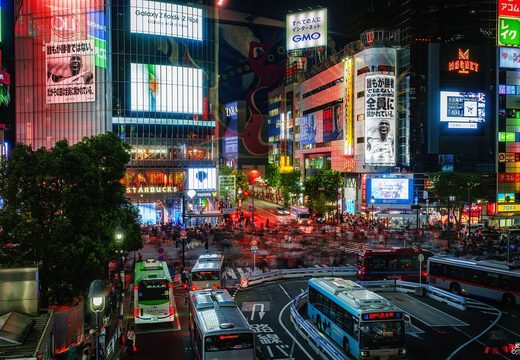
Viewpoint · Shibuya Shibuya Crossing Up to 3,000 people cross Shibuya Crossing at once, at one of the busiest intersections in the world. Yes, it's touristy. Standing in the middle of the scramble as the lights change is still one of those Tokyo moments.
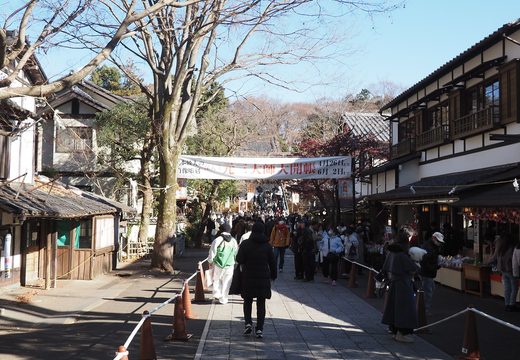
Temple · Chofu Jindaiji Temple Jindaiji is Tokyo's second oldest temple, founded in 733 AD, in a leafy pocket of Chofu that feels like a country village. The approach is lined with water wheels, old thatched shops and soba restaurants fed by natural spring water.
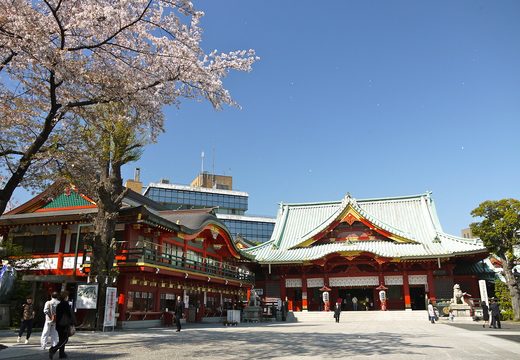
Shrine · Kanda Kanda Myojin Shrine Kanda Myojin is a 1,300 year old shrine that guards Tokyo's old merchant district, and the Akihabara tech crowd has adopted it, coming to have gadgets and startups blessed. The vermilion halls glow against the office towers around them. Anime fans come too, since the shrine appears in Love Live! and Steins;Gate, and it has issued charms and ema with series like Sword Art Online.
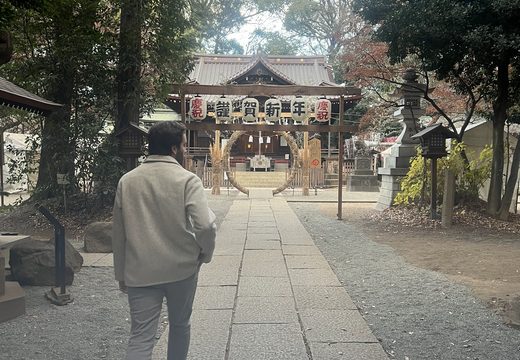
Shrine · Yoyogi Yoyogi Hachimangu Shrine Yoyogi Hachimangu is a small wooded shrine on a hill between Yoyogi-Hachiman Station and the Tomigaya backstreets. Locals stop in on the way to work, and visitors almost never find it. In the grounds there's a reconstructed Jomon-period pit dwelling, marking the prehistoric settlement dug up on the hill.
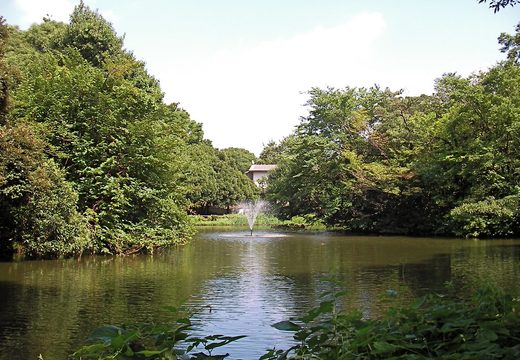
Park · Suginami Wadabori Park Wadabori Park is a long green strip along the Zenpukuji River in Suginami where local life happens: baseball practice, barbecues, dog walks, morning runs. No tourists at all, and that's the point.
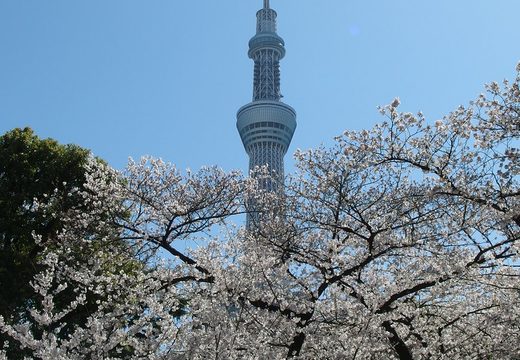
Park · Asakusa Sumida Park Sumida Park runs along both banks of the Sumida River between Asakusa and the Skytree. It's been a cherry blossom spot since the shogun era, and now the tower rises behind the petals.
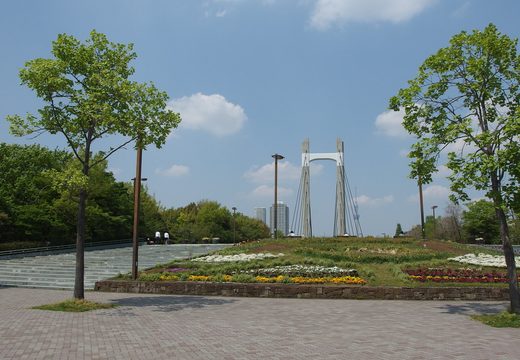
Park · Koto Kiba Park Kiba Park is a big open park in eastern Tokyo built over the old lumber yards, with wide lawns, barbecue pits and the Museum of Contemporary Art on its northern edge. Deep local territory.
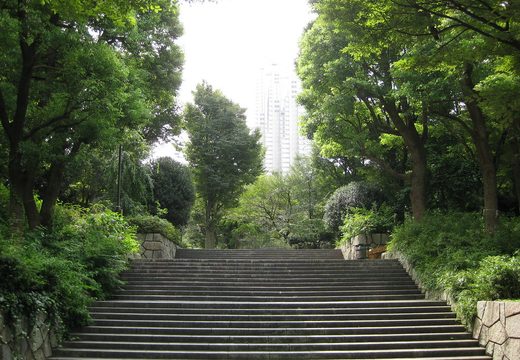
Park · Shinjuku Shinjuku Chuo Park Shinjuku Chuo Park is the green space right behind the Tokyo Metropolitan Government towers, where office workers eat lunch and the city gets on with its day. A useful pocket of calm on the skyscraper side of Shinjuku.
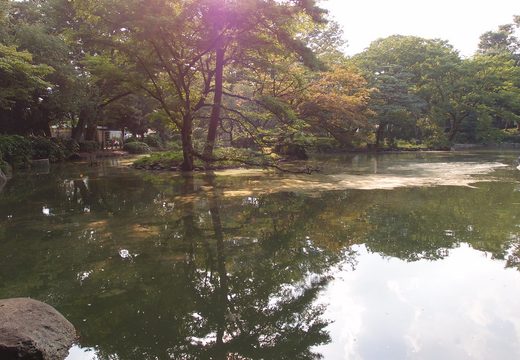
Park · Hiroo Arisugawa-no-miya Memorial Park Arisugawa-no-miya Memorial Park is a hilly, wooded park in the embassy district, with a pond, stone bridges and paths that drop steeply through the trees. The crowd from the embassies around it gives it a calm, international feel.
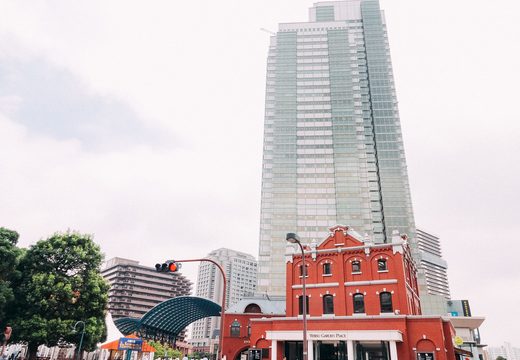
Viewpoint · Ebisu Yebisu Garden Place Tower The 38th and 39th floors of Yebisu Garden Place Tower are given over to restaurants, and the 38th has a free observation lounge, the SKY LOUNGE, looking out to Tokyo Tower and Rainbow Bridge. One of the least known free views in the city.
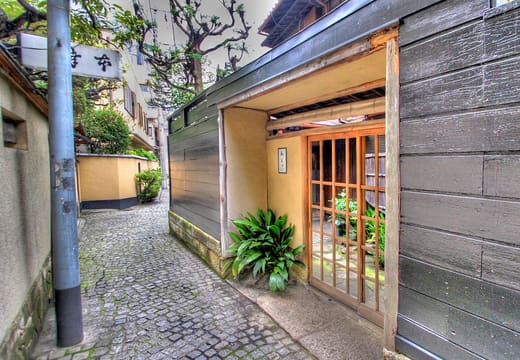
Nightlife · Kagurazaka Hyogo Yokocho Alley Hyogo Yokocho is the most atmospheric lane in Kagurazaka: black wooden fences, stone paving, lantern light and discreet ryotei restaurants where geisha culture carries on out of sight.
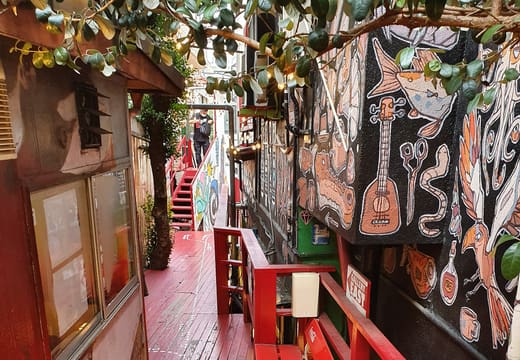
Museum · Harajuku Design Festa Gallery Design Festa Gallery is a constantly changing warren of small galleries in the Harajuku backstreets where any artist can rent a wall. Covered in graffiti and a window straight into Tokyo's grassroots art scene.
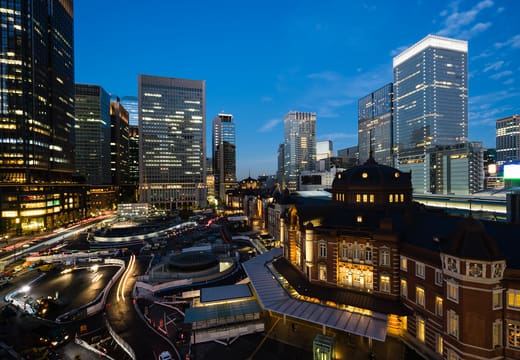
Landmark · Marunouchi Tokyo Station Tokyo Station is the 1914 red brick station that anchors Marunouchi, beautifully restored and much more than a transit hub. Under it spreads an underground city of ramen streets, character shops and food halls.
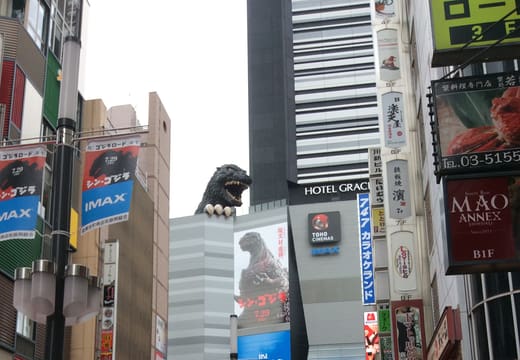
Landmark · Shinjuku Godzilla Head The Godzilla Head is a life-size Godzilla looming over the Toho cinema building in Kabukicho, roaring and lighting up on schedule. Gloriously silly and completely Tokyo.
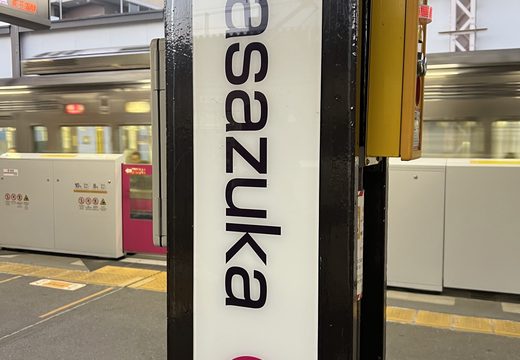
Landmark · Sasazuka Sasazuka Station Sasazuka Station is the Keio Line station at the heart of Sasazuka, the unglamorous west-side neighbourhood that is Daniel's own corner of Tokyo. Use it as your way into everyday Tokyo: shotengai shopping streets, standing bars and local life.
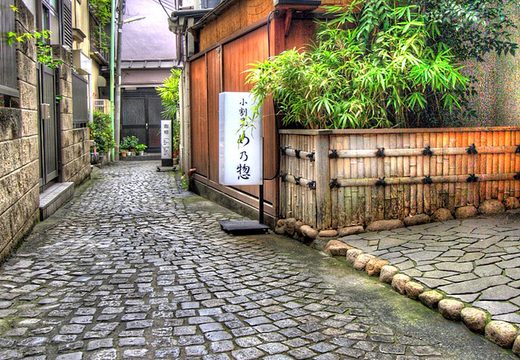
Neighbourhood · Kagurazaka Kagurazaka Kagurazaka is Tokyo's old geisha quarter on a sloping street of cobbled alleys, now layered with French bistros and patisseries thanks to the Institut français nearby and a long-settled French community. Ryotei Japan and a bit of Paris on the same slope, and nowhere else in the city does that.
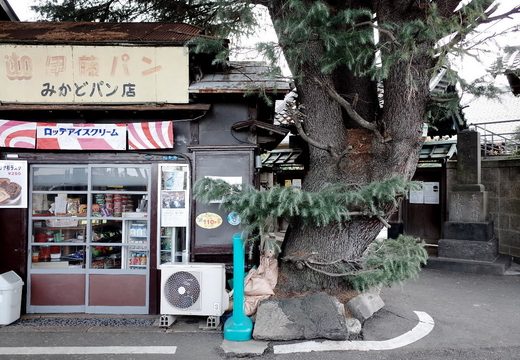
Neighbourhood · Yanaka Yanaka Yanaka is the Tokyo that survived: low wooden houses, temple after temple, cats on walls and craftsmen still at work. It escaped the 1923 earthquake fires and the war, and walking it is the closest the city gets to time travel.
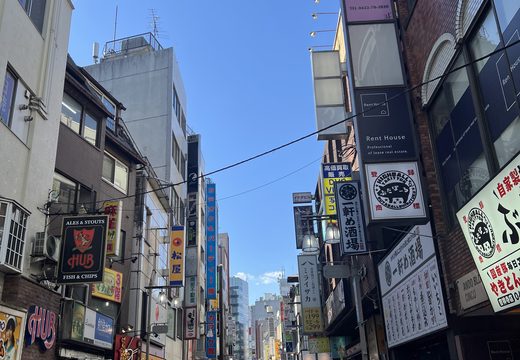
Neighbourhood · Kichijoji Kichijoji Kichijoji has long ranked near the top of polls of where Tokyoites most want to live. Inokashira Park is at its heart, the Harmonica Yokocho alleys are by the station, and streets of independent shops run off in every direction.
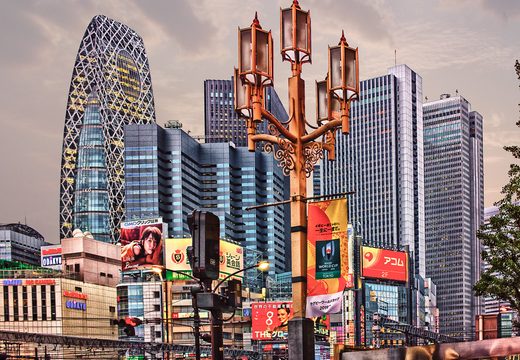
Neighbourhood · Shinjuku Shinjuku Shinjuku is a city in itself: the busiest station in the world, ringed by skyscrapers, department stores, the neon of Kabukicho and the calm of Gyoen. Whatever you think Tokyo is, Shinjuku has a district that proves it.
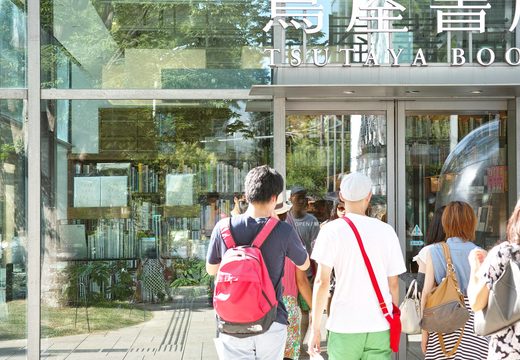
Neighbourhood · Daikanyama Daikanyama Daikanyama is the most effortlessly stylish pocket of Tokyo, all low-rise boutiques, terrace cafes and leafy backstreets. The T-Site bookshop complex anchors it, and it suits a slow morning better than a checklist.
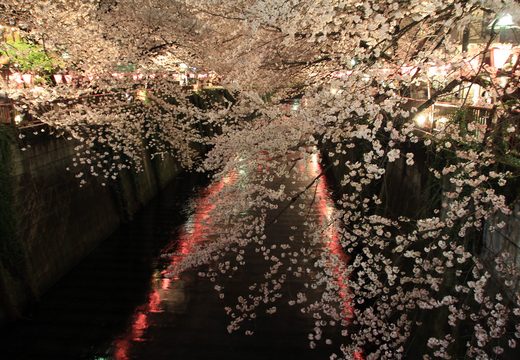
Neighbourhood · Nakameguro Nakameguro Nakameguro is the riverside neighbourhood that defines low-key fashionable Tokyo. Cherry trees arch over the Meguro River between boutiques, bars and some of the best coffee in the city.
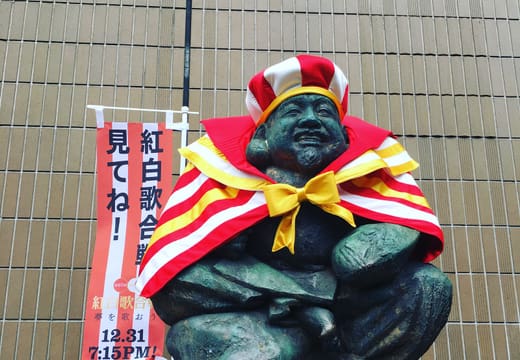
Neighbourhood · Ebisu Ebisu Ebisu is a grown-up neighbourhood with some of the best eating and drinking in Tokyo, from the izakaya alley of Ebisu Yokocho to serious restaurants on every backstreet. It's named after Yebisu beer, whose old brewery site is now Yebisu Garden Place.
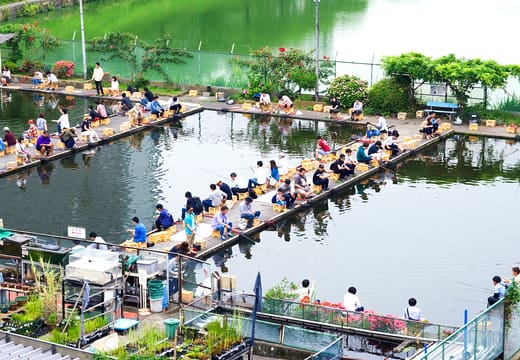
Neighbourhood · Ichigaya Ichigaya Ichigaya is a calm stretch along the old Edo castle moat where people fish in the middle of the city. The fishing pond is the Ichigaya Fish Center, right outside Ichigaya Station (JR, Tokyo Metro and Toei lines). The cherry-lined walk along the water up to Kagurazaka is one of the nicest strolls in central Tokyo.
Special · Chofu Where Daniel Proposed A calm corner of the Jindaiji temple grounds, under old trees, with spring water running nearby. This is where Daniel proposed to his wife. Every map needs one pin that matters more than the others.
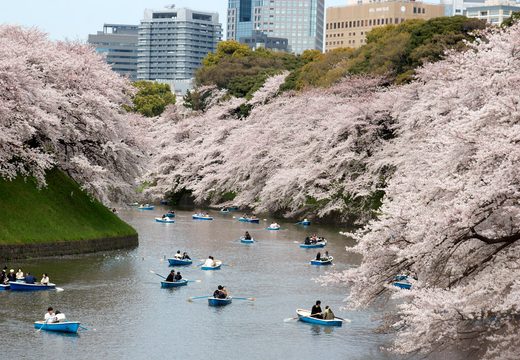
Viewpoint · Chiyoda Chidorigafuchi Chidorigafuchi is the Imperial Palace moat, lined with hundreds of cherry trees leaning out over the water. In sakura season you can row a boat under them, which is about as romantic as Tokyo gets in public.
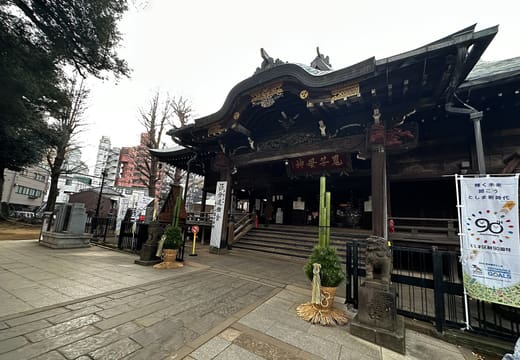
Shrine · Ikebukuro Zoshigaya Kishimojin Zoshigaya Kishimojin is a 16th-century temple in a calm pocket ten minutes from the chaos of Ikebukuro, reached along a lane of ancient zelkova trees. There's a tiny old sweets shop in the grounds.
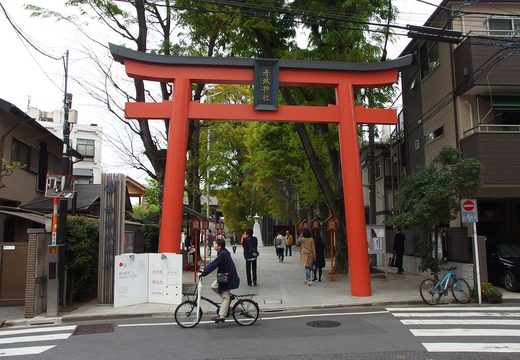
Shrine · Kagurazaka Akagi Shrine Akagi Shrine is a 700-year-old shrine rebuilt by the architect Kengo Kuma in glass and timber, with a cafe in the grounds. An ancient site in modern architecture is about the most Kagurazaka thing there is.
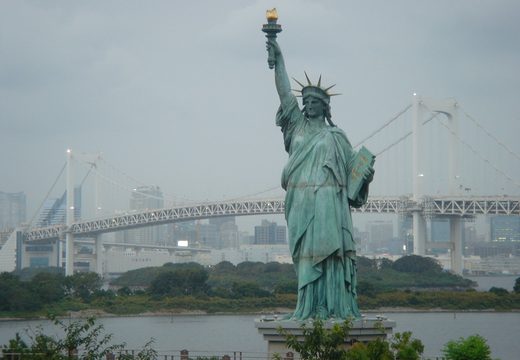
Park · Odaiba Odaiba Seaside Park Odaiba Seaside Park is an artificial beach with the best view there is of Rainbow Bridge and the Tokyo skyline across the water, plus a scale Statue of Liberty for extra strangeness. Sunset here is one of the best free shows in the city.
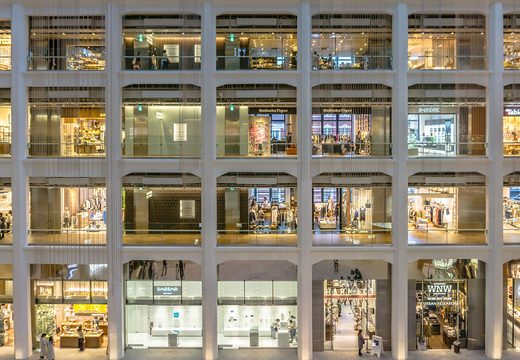
Viewpoint · Marunouchi KITTE Marunouchi KITTE is the old central post office turned shopping hall, with a free rooftop garden that looks straight down on Tokyo Station's restored red-brick facade and the shinkansen sliding in and out. The best free view in central Tokyo.
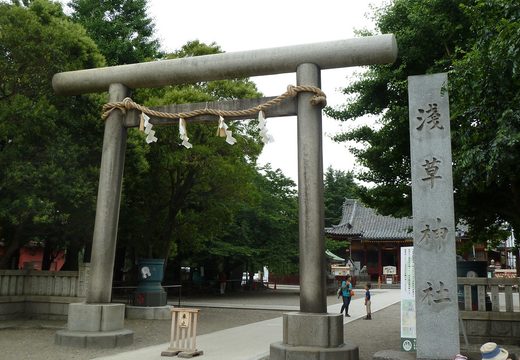
Shrine · Asakusa Asakusa Shrine Asakusa Shrine is the Shinto shrine right beside Senso-ji's main hall, dedicated to the three men who founded the temple. Its 1649 buildings came through both the 1923 earthquake and the WWII air raids, so it's one of the few original Edo-period structures left in Asakusa.
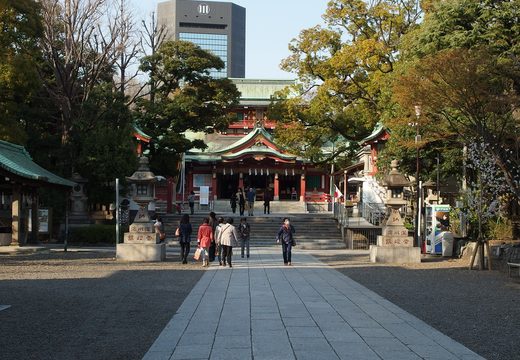
Shrine · Fukagawa Tomioka Hachiman Shrine Tomioka Hachiman Shrine, founded in 1627, is the largest Hachiman shrine in Tokyo and the birthplace of officially sanctioned sumo, which held shogunate-approved tournaments here from 1684. The grounds hold sumo monuments and Japan's biggest portable shrine, a 4.5-ton gold-covered mikoshi.
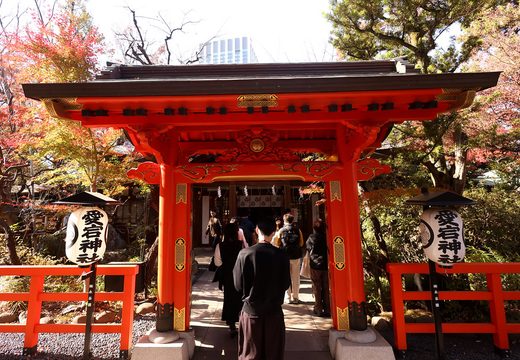
Shrine · Toranomon Atago Shrine Atago Shrine dates from 1603 and sits on the highest natural hill in central Tokyo. You reach it by a famously steep flight of 86 stone steps, the Stairs of Success, named after a samurai who rode his horse up them to deliver plum blossoms to the shogun.
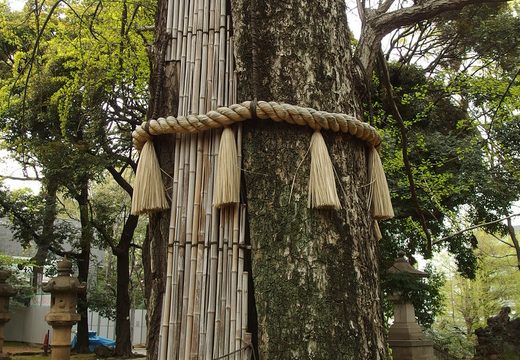
Shrine · Akasaka Akasaka Hikawa Shrine Akasaka Hikawa Shrine is a wooded shrine whose main sanctuary was built in 1730 by the eighth shogun, Tokugawa Yoshimune, and came through the Great Kanto Earthquake and the 1945 air raids intact. A giant ginkgo about 400 years old stands in the grounds, still leafing even though wartime fires hollowed it out.
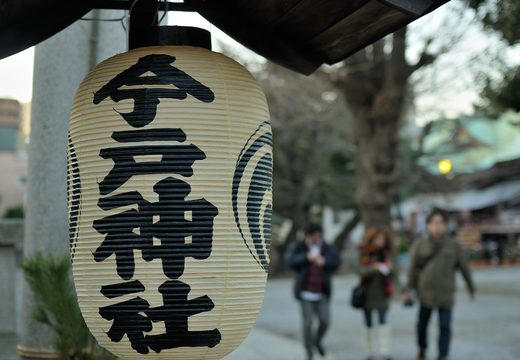
Shrine · Asakusa Imado Shrine Imado Shrine is a small shrine north of Senso-ji that claims to be the birthplace of the maneki-neko beckoning cat, and it enshrines Japan's first divine couple, which makes it a popular matchmaking spot. The cat figures here come in pairs and the ema prayer plaques are round.
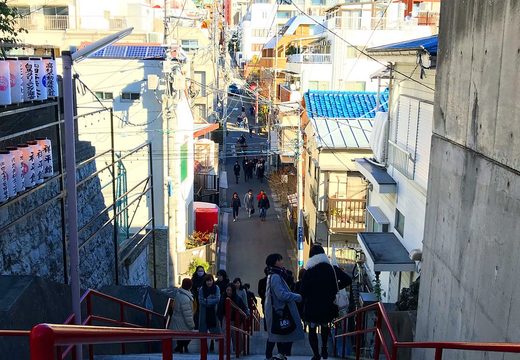
Shrine · Yotsuya Suga Shrine Suga Shrine is a modest neighbourhood shrine in Yotsuya whose crossed staircase next door became world famous as the final scene of the anime film Your Name, and fans come in a steady stream to recreate the shot. The shrine itself dates from the Edo period and guards the area's eighteen former towns.
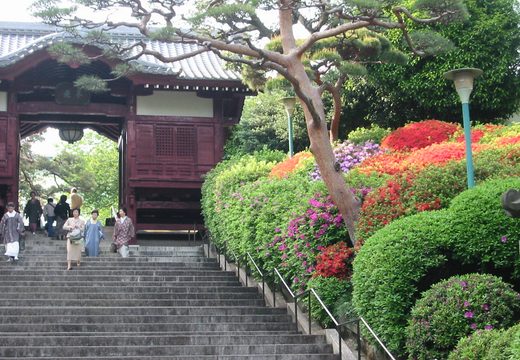
Temple · Bunkyo Gokokuji Temple Gokokuji is a Shingon Buddhist temple founded in 1681 by the fifth shogun for his mother, and its 1697 main hall came through the 1923 earthquake and the WWII bombing unchanged, which makes it one of the oldest wooden buildings in the city.
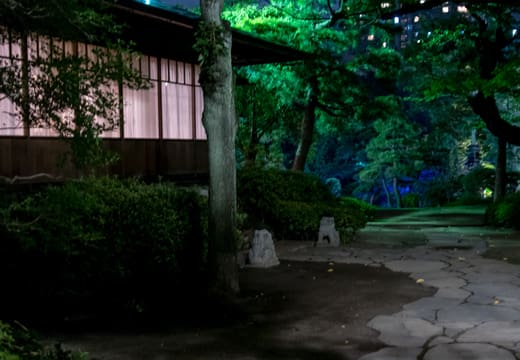
Park · Shirokanedai Happo-en Happo-en is a free Japanese strolling garden attached to a famous wedding venue, with roots going back 400 years. It's at 1-1-1 Shirokanedai in Minato, a minute's walk from Shirokanedai Station on the Namboku and Mita lines. The pond garden has a row of bonsai up to about 525 years old, a teahouse, koi and cherry and maple colour in season.
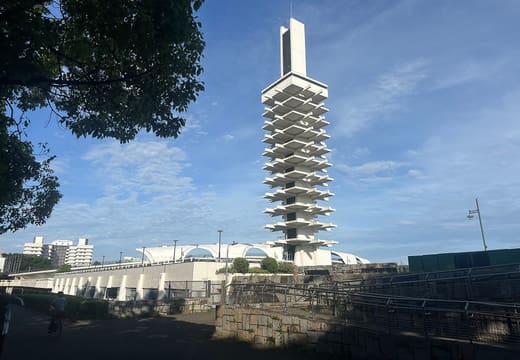
Park · Komazawa Komazawa Olympic Park Komazawa Olympic Park is a big Setagaya sports park built for the 1964 Olympics, with brutalist stadiums, a landmark control tower and jogging and cycling loops shaded by zelkova and cherry trees. Local families love it at weekends.
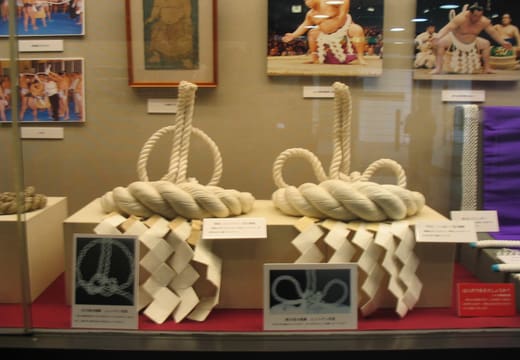
Museum · Ryogoku Sumo Museum The Sumo Museum is a one-room museum inside the Ryogoku Kokugikan stadium that traces sumo history through rotating exhibits of woodblock prints, banzuke ranking sheets and ceremonial kesho-mawashi aprons. Free to enter outside tournament periods.
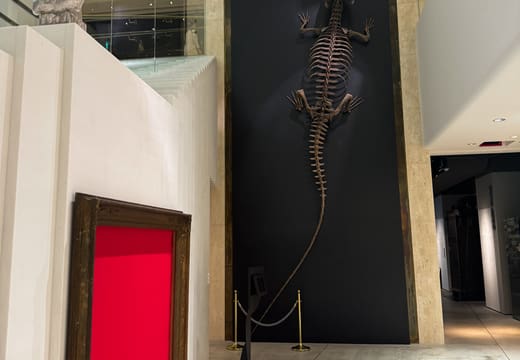
Museum · Marunouchi Intermediatheque Intermediatheque is a free cabinet-of-curiosities museum run by the University of Tokyo inside the old Tokyo Central Post Office. Skeletons, taxidermy, scientific instruments and specimens collected since 1877, displayed like a beautifully art-directed Victorian study.
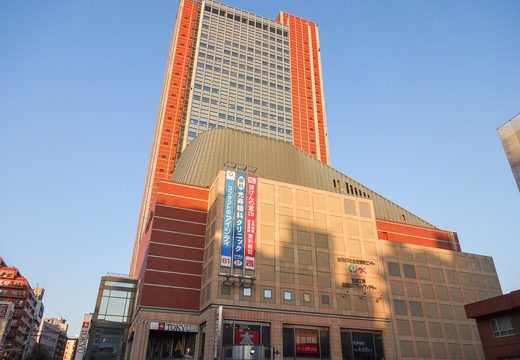
Viewpoint · Sangenjaya Carrot Tower Observation Deck Carrot Tower's free 26th-floor observation lounge sits above Sangenjaya Station, looking back over Shibuya and Tokyo Tower one way and out towards Mount Fuji the other. Locals come up just to read or nap in the window seats.
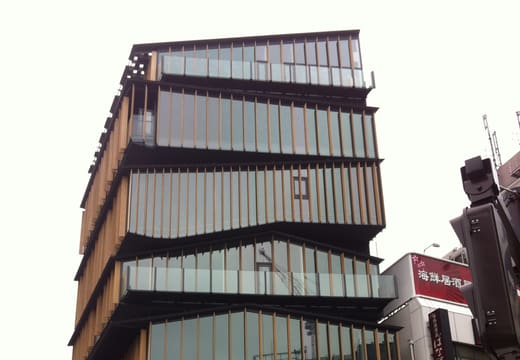
Viewpoint · Asakusa Asakusa Culture Tourist Information Center The Asakusa Culture Tourist Information Center is Kengo Kuma's stacked-house building right across from Kaminarimon, with a free 8th-floor terrace that lines up the gate, Nakamise and Senso-ji on one side and Tokyo Skytree with the Asahi flame on the other.
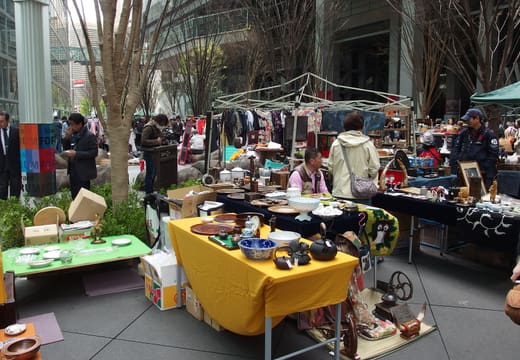
Market · Yurakucho Oedo Antique Market The Oedo Antique Market is Japan's biggest outdoor antique market. Twice a month, on weekends set on its calendar, it fills the plaza of the Tokyo International Forum with more than 250 dealers selling old kimono, ceramics, tea utensils, woodblock prints and Showa-era oddities.
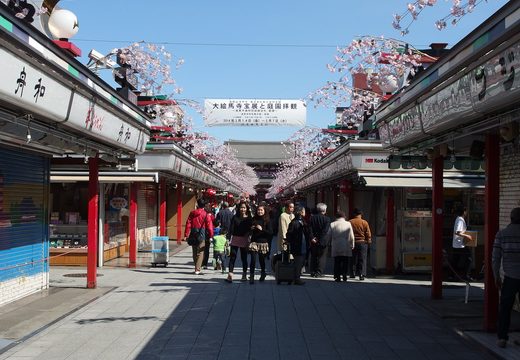
Shopping · Asakusa Nakamise Shopping Street Nakamise is one of the oldest shopping streets in Japan, a 250-metre approach of around 90 stalls running from Kaminarimon to Senso-ji's Hozomon gate. It has sold ningyo-yaki cakes, senbei, folding fans and souvenirs since the Edo period.
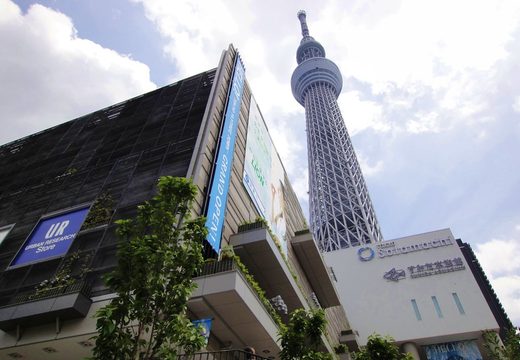
Shopping · Oshiage Tokyo Solamachi Tokyo Solamachi is the 300-plus-shop complex at the base of Tokyo Skytree, with character stores and a big food hall alongside the Sumida Aquarium and a planetarium, plus restaurants on the 30th and 31st floors with free tower views.
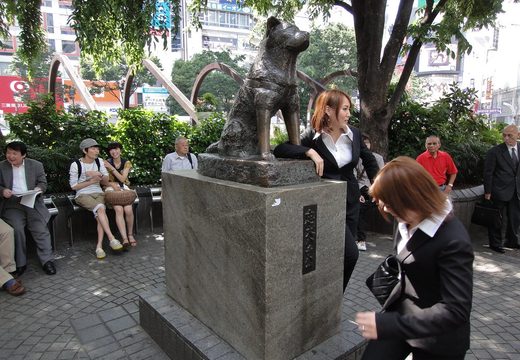
Landmark · Shibuya Hachiko Statue The Hachiko Statue outside Shibuya Station honours the Akita who kept coming back to meet his dead owner's train for nearly ten years in the 1920s and 30s. The first statue went up in 1934 with Hachiko himself present. It was melted down for metal in 1944, and today's statue replaced it in 1948. It's now the default meeting spot in Tokyo.
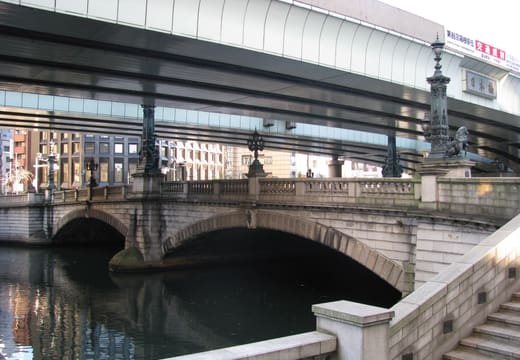
Landmark · Nihonbashi Nihonbashi Bridge Nihonbashi Bridge is the 1911 double-arched stone bridge that marks kilometre zero of Japan's national highway network, the successor to the wooden Edo-period bridge from which all roads were measured from 1603. Bronze kirin and lion statues guard it under the elevated expressway, which is slowly being moved underground.
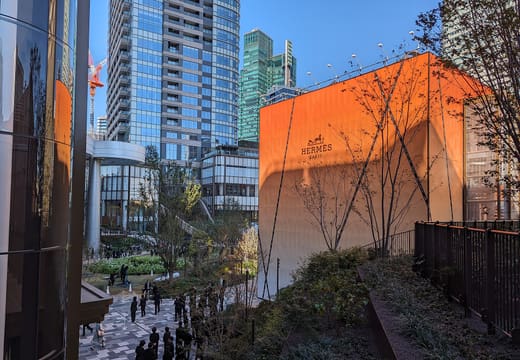
Landmark · Azabudai Azabudai Hills Azabudai Hills is Mori's 2023 mega-development around the roughly 330-metre Mori JP Tower, with Heatherwick Studio's rippling low-rise buildings, gardens, galleries, a food market and teamLab Borderless at its base.
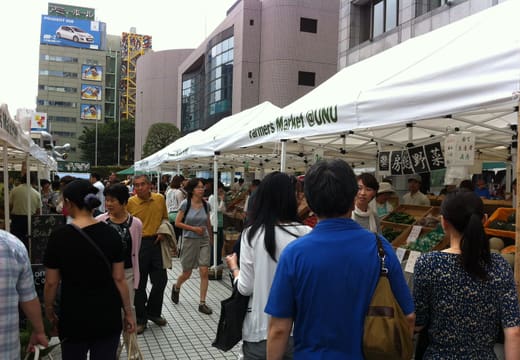
Market · Aoyama Farmers Market at UNU Every Saturday and Sunday the plaza in front of the United Nations University on Aoyama-dori fills with farmers selling vegetables, fruit, honey and flowers straight from their fields, with coffee and food trucks along the edge. This is where Tokyo's chefs and food-obsessed locals shop at the weekend.
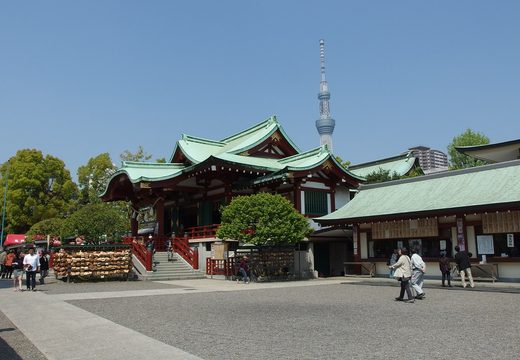
Shrine · Kameido Kameido Tenjin Shrine Kameido Tenjin is east Tokyo's great wisteria shrine, dedicated to Sugawara no Michizane, the deity of scholarship. Hiroshige printed its arched drum bridges and purple trellises in the 1850s, and the scene still looks remarkably like the woodblock.
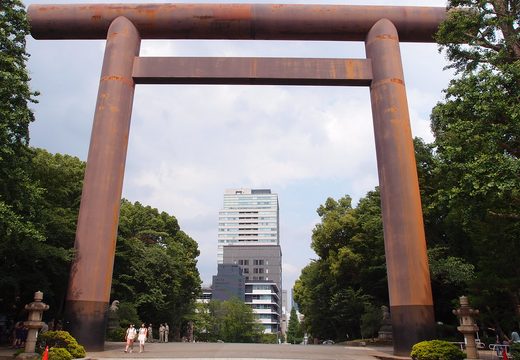
Shrine · Chiyoda Yasukuni Shrine Yasukuni Shrine is a vast 1869 shrine at the top of Kudan hill, entered through one of the biggest torii gates in Japan. The Japan Meteorological Agency's benchmark cherry tree grows here, and when it opens five blossoms, Tokyo's sakura season is officially declared.
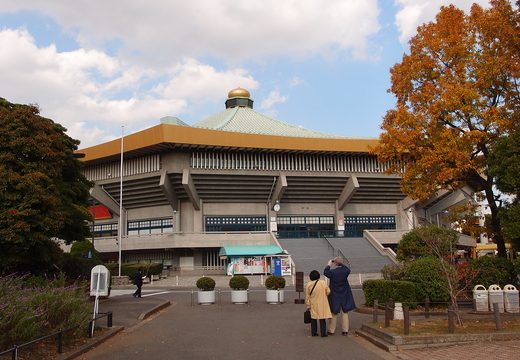
Park · Chiyoda Kitanomaru Park Kitanomaru Park is the former northern citadel of Edo Castle, now a wooded public park that holds the Nippon Budokan concert hall. You enter through the original Tayasumon gate, one of the oldest surviving gates of the castle.
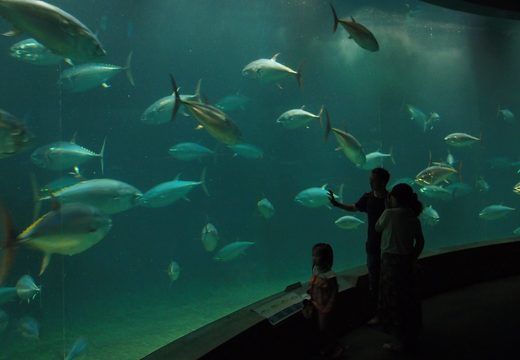
Park · Kasai Kasai Rinkai Park Kasai Rinkai Park is a huge waterfront park on Tokyo Bay, opened in 1989, with a bird sanctuary, an artificial beach and the Tokyo Sea Life Park aquarium.
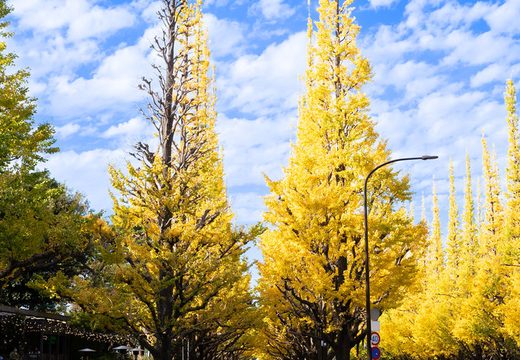
Viewpoint · Aoyama Meiji Jingu Gaien Ginkgo Avenue Meiji Jingu Gaien Ginkgo Avenue is four rows of ginkgo trees forming a 300-metre golden corridor towards the Meiji Memorial Picture Gallery. The trees are pruned into sharp cones, which is why the perspective looks drawn rather than grown.
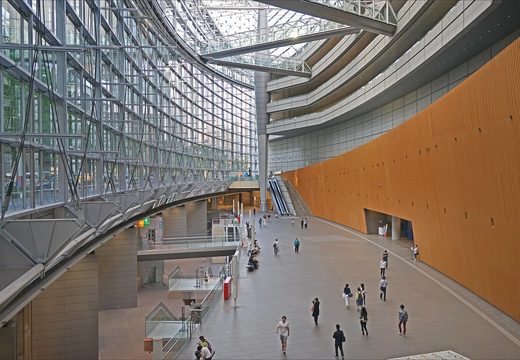
Landmark · Yurakucho Tokyo International Forum The Tokyo International Forum is Rafael Vinoly's 1997 convention centre, known for its glass hall shaped like the hull of a ship and held up by a spine of white steel ribs. It's one of the few pieces of grand modern architecture in Tokyo you can wander through freely.
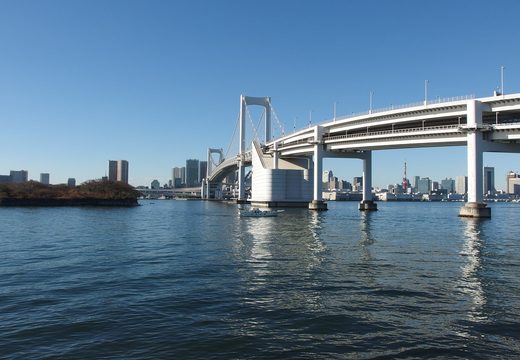
Landmark · Odaiba Rainbow Bridge Walkway Rainbow Bridge is the 798-metre suspension bridge linking central Tokyo to Odaiba, opened in 1993, and it has a free pedestrian walkway on both sides. Walking it takes about half an hour, with harbour views no observation deck can match.
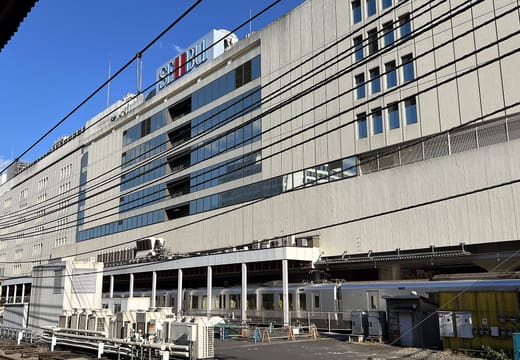
Neighbourhood · Ikebukuro Ikebukuro Ikebukuro is the north side's answer to Shinjuku: a giant station with Tobu and Seibu department stores bolted to either side, Sunshine City and the anime shops of Otome Road to the east, and a deep bench of business hotels.
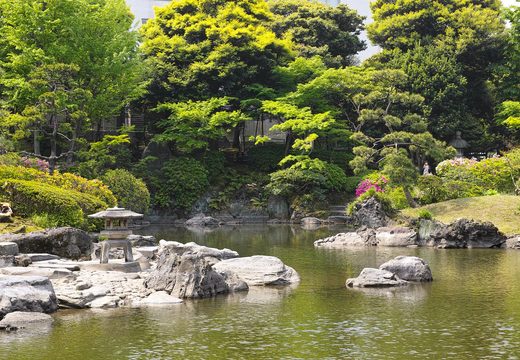
Park · Ryogoku Kyu-Yasuda Garden Kyu-Yasuda Garden is a compact stroll garden laid out in the Genroku era, around 1690, for a feudal lord's riverside residence. Yasuda Zenjiro, founder of the Yasuda financial group, owned it later and gave it to the city in 1922. Its heart-shaped pond was built to rise and fall with the tides of the Sumida River, and pumps now recreate the effect.
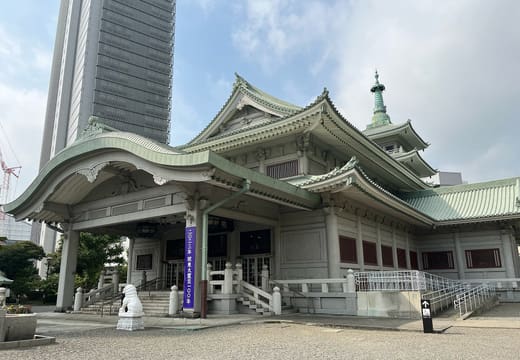
Park · Ryogoku Yokoamicho Park Yokoamicho Park is the memorial ground for the 1923 Great Kanto Earthquake, on the open lot where tens of thousands of people who had fled the fires died in a single firestorm. The 1930 memorial hall holds the ashes of victims of the earthquake and of the 1945 air raids, and the free museum beside it shows objects recovered from the ruins.
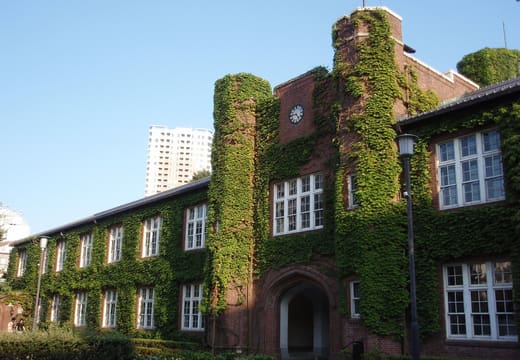
Landmark · Ikebukuro Rikkyo University Ikebukuro Campus Rikkyo University's Ikebukuro campus is a red-brick campus founded by American Episcopal missionaries, centred on the ivy-covered Morris Hall of 1919, with a chapel and the Mather Library Memorial Hall, all listed as historic buildings by the Tokyo government. Ten minutes from the west exit, and it feels nothing like the station around it.
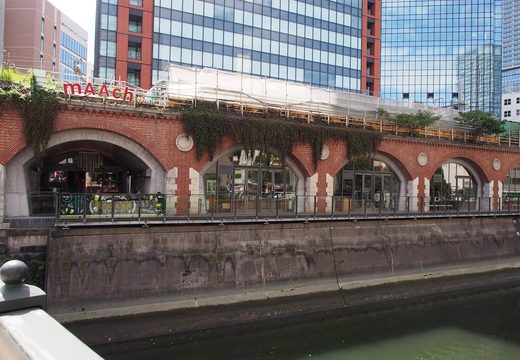
Shopping · Akihabara mAAch ecute Kanda Manseibashi mAAch ecute Kanda Manseibashi is shops and cafes built into the red-brick arches of the old Manseibashi Station, a 1912 terminus designed by Tatsuno Kingo and closed in 1943. The original staircases lead up to the former platform, now a glass-walled deck with Chuo Line trains passing a few metres away on both sides.
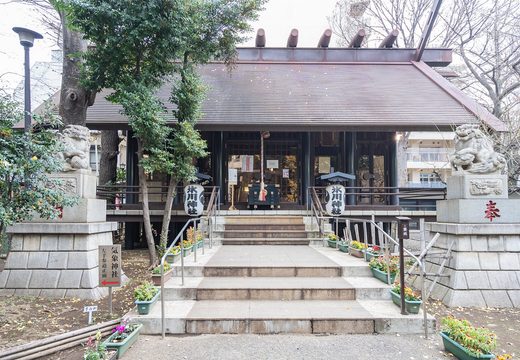
Shrine · Koenji Koenji Hikawa Shrine Koenji Hikawa Shrine is a small neighbourhood shrine a short walk from Koenji station, and it holds Kisho Jinja, the only shrine in Japan dedicated to the weather. It began in 1944 as the shrine of the army's weather forecasting unit and moved here in 1948.
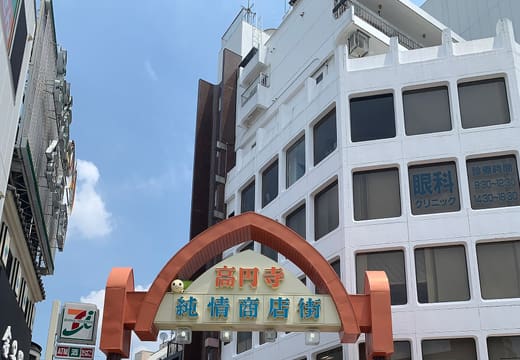
Shopping · Koenji Koenji Junjo Shotengai Koenji Junjo Shotengai is the shopping street running north from Koenji station, more than two hundred shops of greengrocers, tofu makers, bakeries and second-hand stores. It was called Koenji Ginza until the neighbourhood renamed it after Nejime Shoichi's novel Koenji Junjo Shotengai, which won the Naoki Prize in 1989.
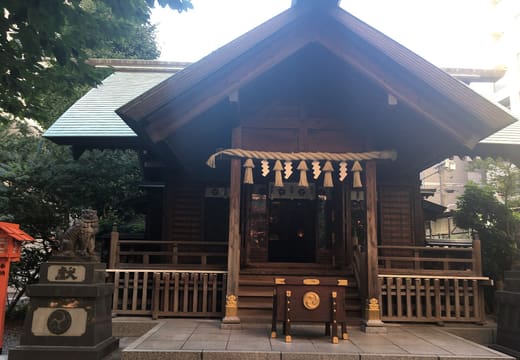
Shrine · Kuramae Kuramae Shrine Kuramae Shrine is a neighbourhood shrine founded in 1693, when the shogun Tokugawa Tsunayoshi brought the deity of Iwashimizu Hachimangu here to guard Edo Castle. In the 18th century its grounds hosted sumo tournaments, and in 1782 the great ozeki Tanikaze lost here to Onogawa, ending a 63-bout winning run.
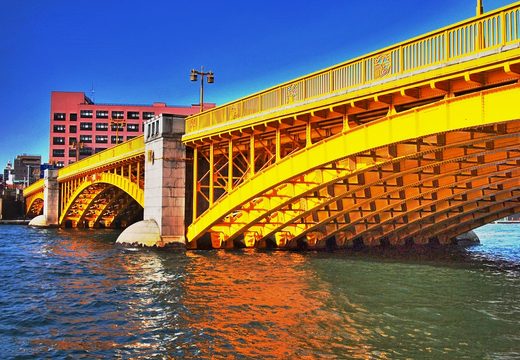
Landmark · Kuramae Kuramae Bridge Kuramae Bridge is a 1927 steel arch bridge over the Sumida River, built in the rebuilding after the Great Kanto Earthquake and painted yellow for the rice husks of the shogunate granaries that gave Kuramae its name.
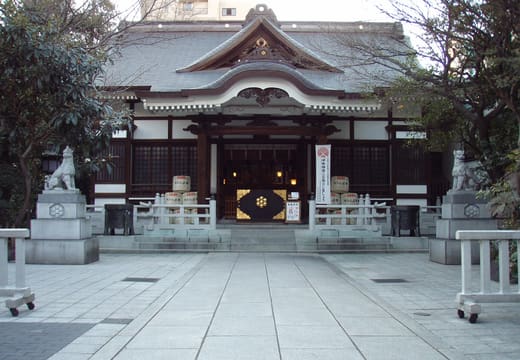
Shrine · Kuramae Torigoe Shrine Torigoe Shrine is an old shrine said to date from 651, on the south-west edge of Kuramae, and the home of the Torigoe Matsuri in early June, when its Sengan Mikoshi, at around four tonnes the heaviest portable shrine in Tokyo, is carried through the streets and brought back by lantern light.
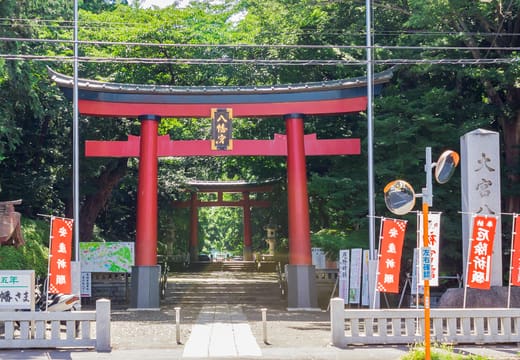
Shrine · Suginami Omiya Hachimangu Shrine Omiya Hachimangu is Suginami's big local shrine, set in a wooded precinct right beside Wadabori Park. It calls itself the navel of Tokyo, and families come to pray for a safe birth and for their children's health. Daniel and his wife had their Shinto wedding here.
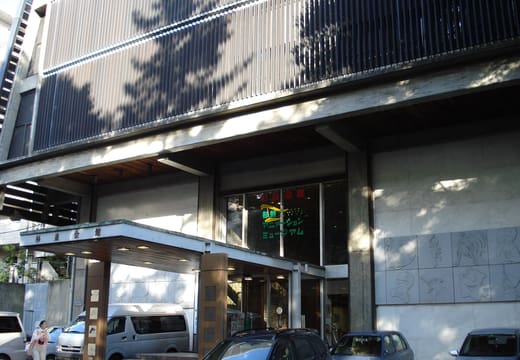
Museum · Ogikubo Suginami Animation Museum The Suginami Animation Museum is a free museum on the third floor of Suginami Kaikan, run by Tokyo Polytechnic University. A timeline walks you through the history of Japanese anime, there's a dubbing corner where you can try voicing a scene yourself, and the theatre shows anime on a 200-inch screen. Special exhibitions on one studio or series change three or four times a year.
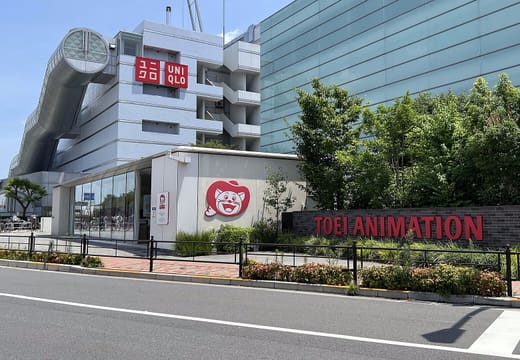
Museum · Oizumi Toei Animation Museum The Toei Animation Museum is run by Toei Animation itself, the oldest anime studio still in business, in Higashi-Oizumi in Nerima. It's small and free, and it covers about seventy years of the studio's work, from its earliest films to the series on TV now. A permanent Digimon display opened in June 2026.
Museum · Ikebukuro Anime Tokyo Station Anime Tokyo Station is a free anime centre set up by the Tokyo Metropolitan Government and run by the Association of Japanese Animations, four minutes from Ikebukuro's east exit. The basement takes you through how an anime gets made, with real production material. The upper floor holds special exhibitions on one series at a time, and they're free too.
More photos
More collections
 Tokyo Cherry Blossom Map Where to see sakura in Tokyo, and when to go
 Autumn Colour in Tokyo Koyo season, the best two months in the Tokyo calendar
 Rainy Day Tokyo Museums, arcades, food halls, and other dry pleasures
 Tokyo Early in the Morning The city before it puts its face on
 Tokyo with Kids Places that work for small people and the adults carrying them
 Anime and Manga in Tokyo Museums, shops and pilgrimage spots for anime and manga fans