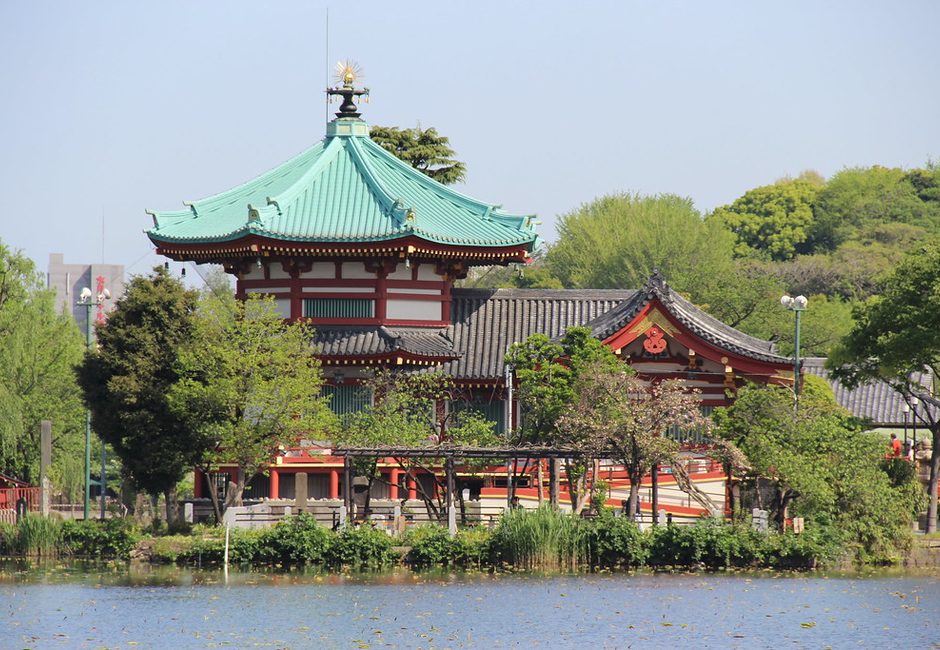
Asakusa vs Ueno: Which to Stay In? Verdicts by Trip Type (2026)
Asakusa for temples, a ryokan night and the cheapest hostel beds. Ueno for museums, the Narita Skyliner and the Shinkansen. Verdicts and live hotel medians.
Places checked against official pages by Roam Tokyo, October 2026 How it's made
The short answer. Stay in Asakusa for temples, a ryokan night or the cheapest hostel beds. Stay in Ueno for museums, the direct Skyliner from Narita or the Shinkansen north. If your days split evenly between the two, sleep in Asakusa.
If you’ve decided to base yourself on Tokyo’s east side, and it’s an underrated decision, the choice comes down to Asakusa or Ueno. They’re the two hotel clusters of old-Tokyo territory, five minutes apart on the Ginza Line and about half an hour apart on foot, and they solve the same problem in different ways. Asakusa gives you atmosphere, a temple district that still looks and moves like the shitamachi city Tokyo used to be. Ueno gives you utility: a major Yamanote station, a Shinkansen gateway, the best museum cluster in Japan and the deepest hotel supply on the east side.
Both are covered in the broader where to stay in Tokyo comparison, but if your shortlist is down to these two, here’s how they stack up.
Quick Comparison
| Asakusa | Ueno | |
|---|---|---|
| Atmosphere | Old Tokyo, temples, riverside | Busy, functional, market energy |
| Median nightly rate (index, 20 October 2026) | US$262 (78 listings) | US$230 (28 listings) |
| Accommodation spread | Hostels and capsules to a ryokan | Business hotels, some budget chains |
| Transport | Ginza Line, Asakusa Line, Tobu | Yamanote, Shinkansen, Ginza and Hibiya Lines, Skyliner |
| Museums | Few | The best cluster in Japan, all in one park |
| Evenings | Very quiet after 8pm | Livelier: Ameyoko izakaya until late |
| Airport access | Asakusa Line direct from Haneda | Keisei Skyliner direct from Narita |
The Case for Asakusa
Asakusa is the only major hotel district in Tokyo where the neighbourhood itself is the attraction. Senso-ji, the city’s oldest temple, anchors everything, and if you’re staying nearby you can walk the Nakamise arcade at 7am, when the incense drifts through empty stalls and the whole district is yours. By 11am it belongs to the tour groups, and hotel guests are the only people who reliably see the difference. The backstreets west of the temple keep the low, dense, workshop-and-noodle-shop feel that most of Tokyo paved over decades ago, and the Sumida River, with its Skytree view, is a few minutes east.
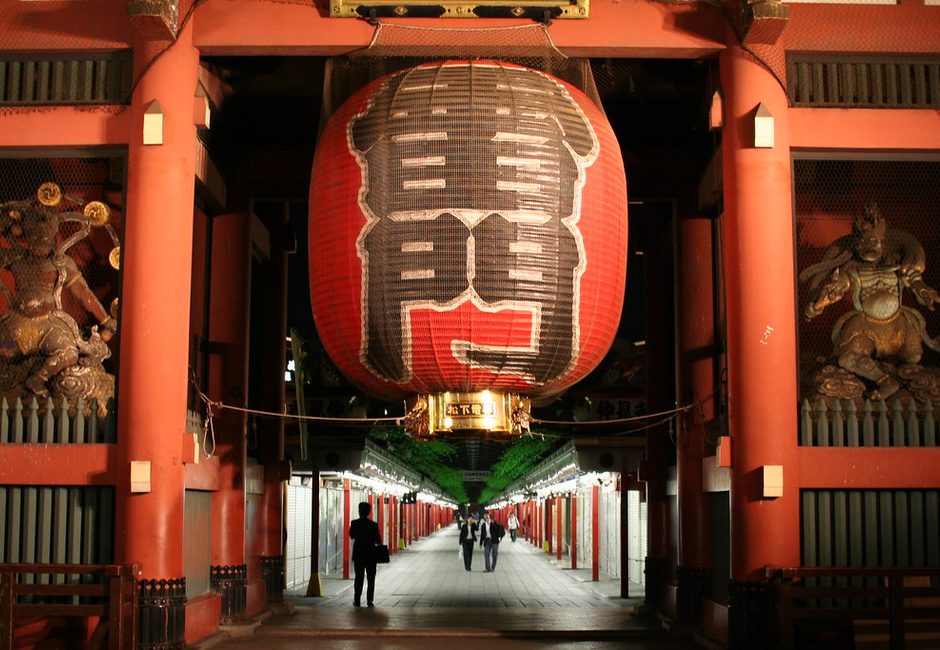
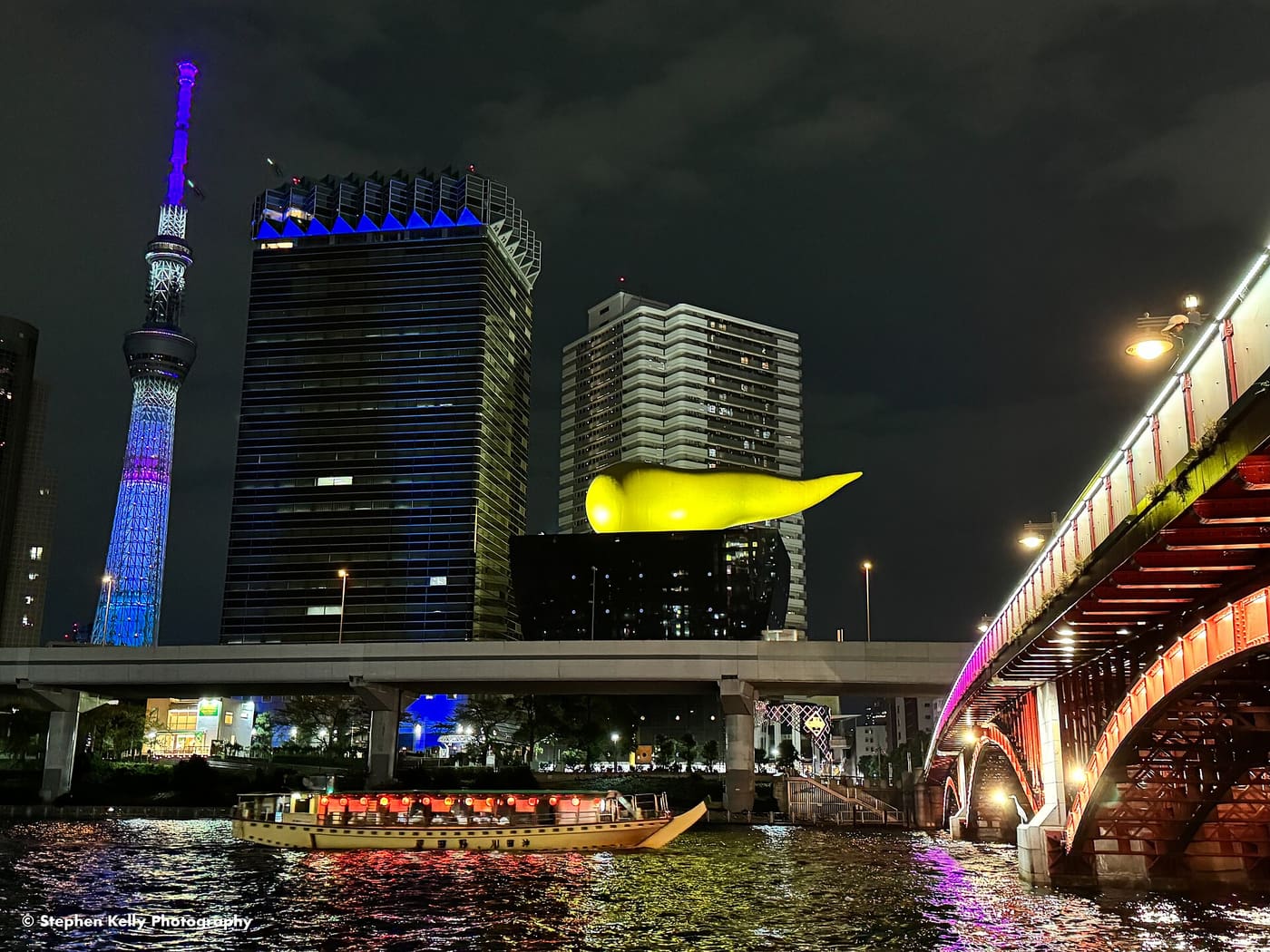
The accommodation spread is wide. Capsule hotels and hostels cluster near the station, and mid-range business hotels sit within sight of the pagoda. Asakusa’s median was US$262 a night in the weekly hotel price index sampled on 20 October 2026. And Asakusa is one of the few places in Tokyo with a traditional ryokan, Ryokan Asakusa Shigetsu beside Nakamise, covered with the city’s other inns in the Tokyo ryokan guide. Not many Tokyo neighbourhoods let a backpacker and a ryokan traveller book the same three streets.
Transport is better than its reputation. The Ginza Line runs direct to Ueno in five minutes, Ginza in under twenty and Shibuya in about thirty. The Asakusa Line connects through to Haneda Airport without a change. The limitation is the evenings. Outside Hoppy Street’s izakaya row, Asakusa is mostly shuttered by 8pm. If you like early starts and calm nights, that’s a feature. If you’re a night owl, read it as a warning. The Asakusa hotel guide breaks down where to book, and the Asakusa neighbourhood guide covers the district in full.
The Case for Ueno
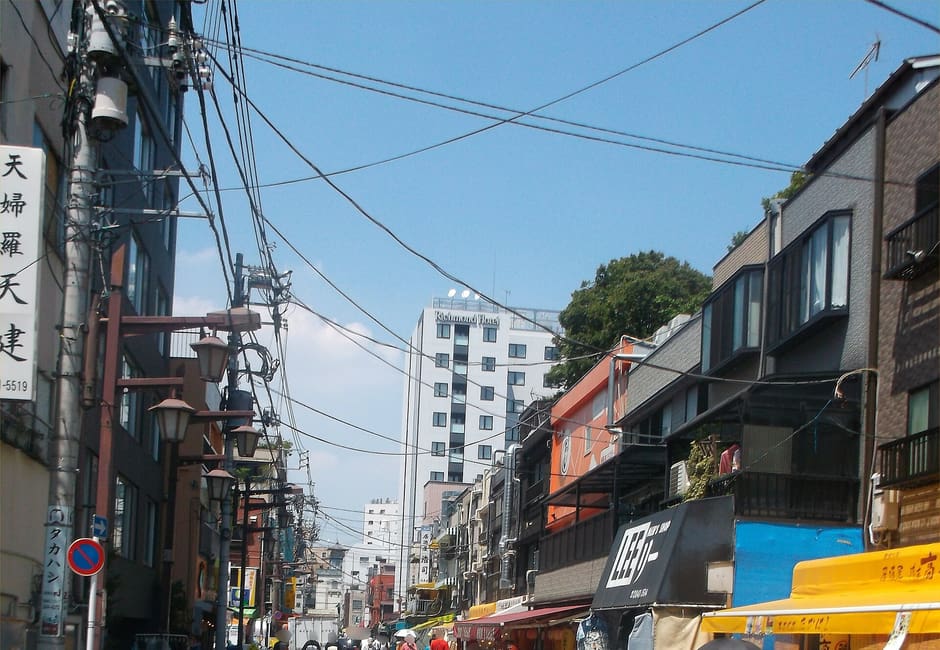
Ueno wins on pure utility, and it isn’t close. Ueno Station is on the Yamanote Line, so the whole loop is direct: Akihabara in four minutes, Tokyo Station in eight, Shinjuku in twenty-five. It’s also a Shinkansen stop, which makes it the best base in the city for day trips north to Nikko, Sendai or anywhere in Tohoku. And the Keisei Skyliner runs direct from Narita Airport into Ueno in 41 minutes, so you could be checked in within an hour of clearing customs, with no transfers and no luggage to haul through Tokyo Station.
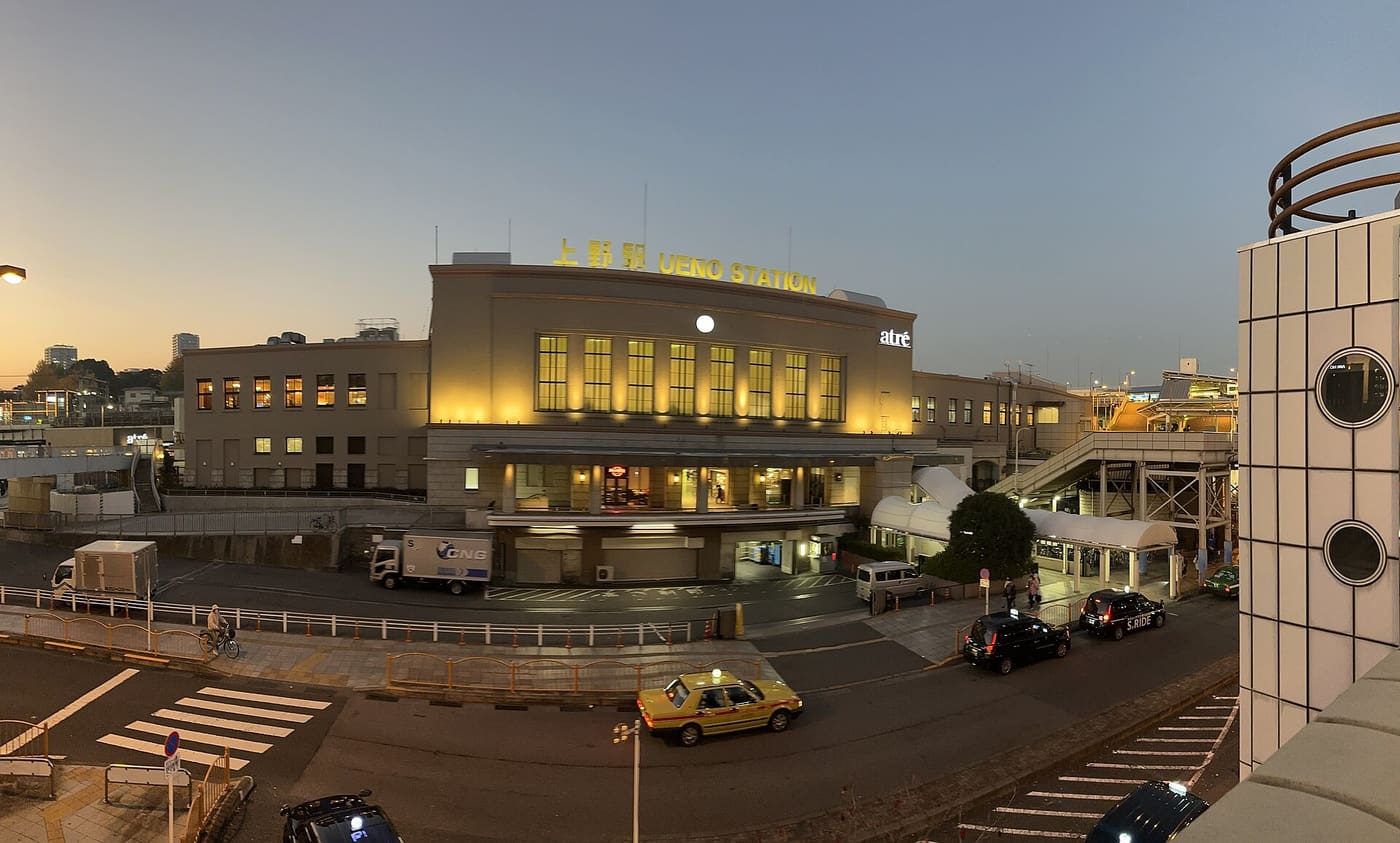
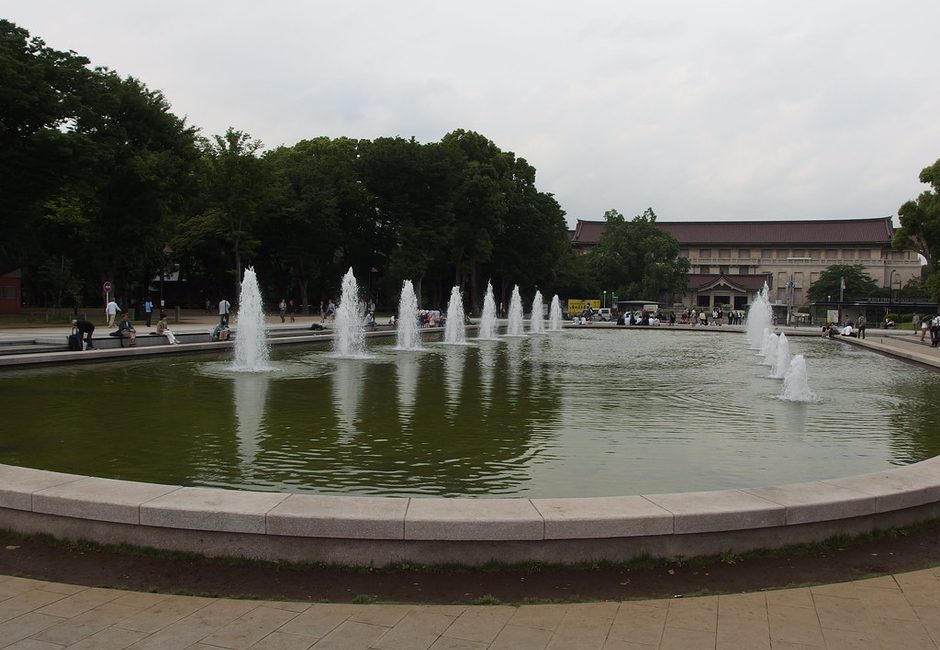
Then there’s the park. Ueno Park holds the Tokyo National Museum, the National Museum of Western Art, the National Museum of Nature and Science, a zoo, and a scatter of temples and shrines, all within one walkable footprint. No other city in Japan packs this much within ten minutes of a hotel district. If museums are the point of your trip, there’s no debate. Ueno.
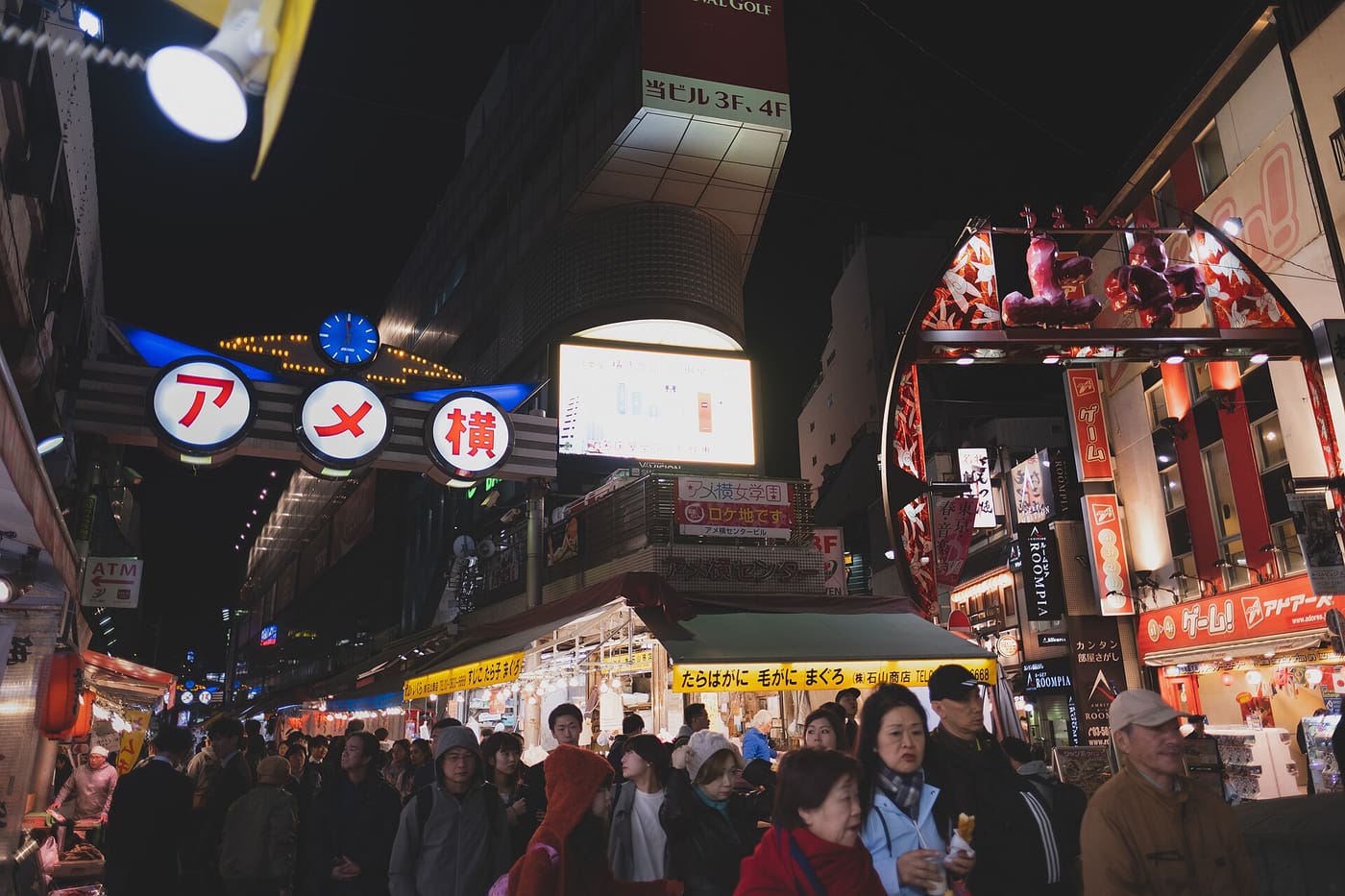
South of the station, Ameyoko market runs under the Yamanote tracks, selling dried fish, spices, sneakers and street food with the scrappy energy of the post-war market it once was, and its izakaya keep pouring well after Asakusa has gone to bed. Hotels are plentiful but not reliably cheap. Ueno’s median was US$230 a night in the index sampled on 20 October 2026, against Asakusa’s US$262, and a quarter of Ueno’s listings came in under US$179. What you give up is charm. Ueno’s streets are busy and functional rather than atmospheric, and nobody books here for romance. The Ueno hotel guide covers the practical picks, and the Ueno neighbourhood guide has everything else.
The Walk Between Them
One detail softens the whole decision. Asakusa and Ueno are joined by one of the best walks in east Tokyo. Head west from Senso-ji and in ten minutes you hit Kappabashi, the kitchen-supply street where Tokyo’s chefs buy their knives, ceramics and the plastic food models you see in restaurant windows. Keep going west and you come out at the east side of Ueno Station, with the park beyond. The whole walk takes 30 to 40 minutes at a browsing pace.
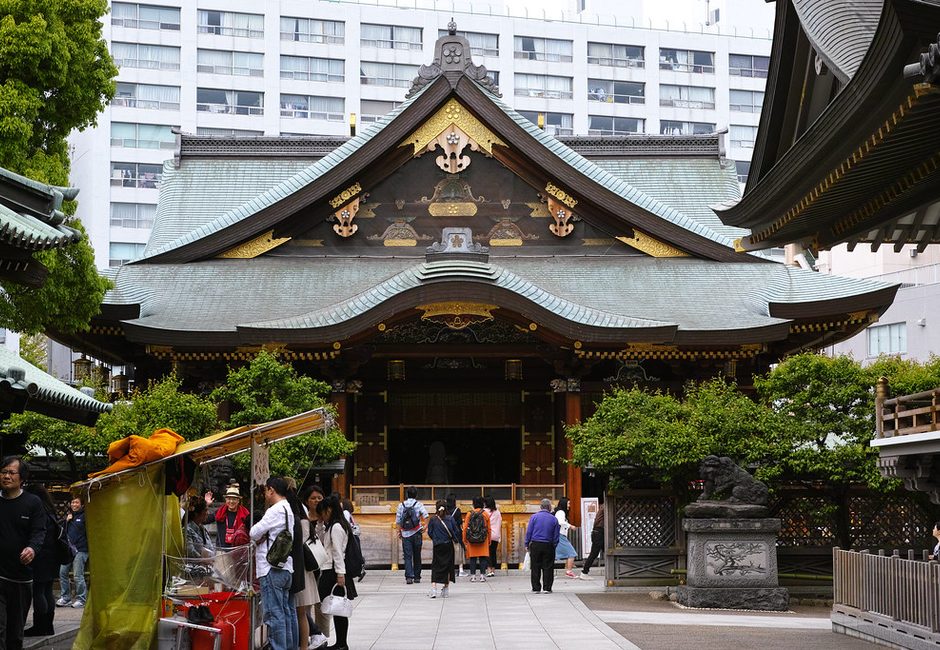
That matters because you’re not choosing one district and giving up the other. Stay in Asakusa and Ueno’s museums are a five-minute Ginza Line hop or a pleasant morning walk away. Stay in Ueno and dawn at Senso-ji is still easy before the crowds land. You’re choosing a front door, not a neighbourhood. The interactive Tokyo travel map plots both districts and everything between them, so you can see the geography before you book. Two walks cover the ground well: west from the temple to Kappabashi and Hoppy Street, then across the river to the tower, or down from Nippori through Yanaka into Ueno Park.
For Yanaka, Nezu, Ningyocho and Kiyosumi, with Tokyo Station and Haneda
A lot of people base themselves on the east side for the slower neighbourhoods around it, and want easy runs to Tokyo Station and Haneda too. For that trip, here’s how the two compare.
- Yanaka and Nezu. Ueno. You can walk there through Ueno Park, with Nezu Shrine and Yanaka Cemetery just beyond it. From Asakusa it’s the Ginza Line to Ueno first, then the same walk.
- Ningyocho. A draw. It’s four stops from Asakusa on the Toei Asakusa Line and four from Ueno on the Hibiya Line, no change either way.
- Kiyosumi and Fukagawa. Ueno, just. The Toei Oedo Line from Ueno-okachimachi, at the Okachimachi end of Ameyoko, runs straight to Kiyosumi-shirakawa in five stops and Monzen-nakacho, for Fukagawa, in six. From Asakusa it’s one stop to Kuramae on the Asakusa Line and a change to the Oedo Line.
- Jujo. Ueno. Higashi-Jujo is on the JR Keihin-Tohoku Line, direct from Ueno.
- Tokyo Station. Ueno, easily. It’s about 8 minutes on the Yamanote or Keihin-Tohoku. Asakusa has no direct train, so it’s the Ginza Line to Kanda and one stop on the JR.
- Haneda. Asakusa. Keikyu trains signed for Asakusa run from the airport straight onto the Toei Asakusa Line, which also serves Ningyocho. From Ueno you change, usually at Shinagawa.
So for slow neighbourhoods plus Tokyo Station, Ueno is the better base, and Asakusa wins only on Haneda. If you’re landing at Haneda late with bags, that one direct train might still settle it.
Verdicts by Traveller Type
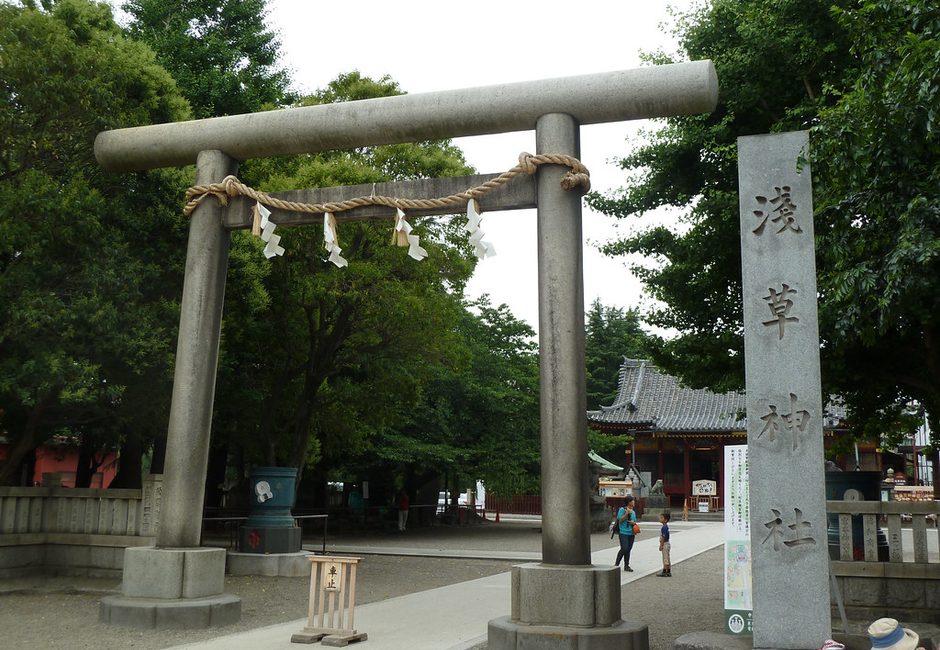
First east-side stay, want the classic experience. Asakusa. Waking up in a temple district is the point of basing east, and Asakusa is the only place that delivers it.
Museum-focused trip. Ueno, without hesitation. Three national museums within walking distance of your hotel ends the argument.
Flying into Narita. Ueno. The direct Skyliner removes the worst hour of any Tokyo arrival. Flying into Haneda tilts the same logic towards Asakusa via the Asakusa Line.
Day trips north to Nikko or Tohoku. Ueno for the Shinkansen, though Asakusa’s Tobu line to Nikko is the cheaper alternative and runs from its own station.
Tightest budget. Asakusa for hostel and capsule beds, which go lowest. For private rooms, compare both medians on the index and check both on your dates. The gap moves week to week.
Ryokan or traditional stay. Asakusa. Ueno has essentially nothing in this category.
Want some evening life within walking distance. Ueno. Ameyoko’s izakaya are the east side’s liveliest night option, while Asakusa mostly sleeps by 8pm.
If your itinerary is evenly split between museums and temples, base yourself in Asakusa and hop to the museums. Museums are easy to visit from anywhere. Atmosphere only works if you sleep in it.
Put your dates into the Tokyo travel map and use Search this area for hotels. Every pin quotes those dates. Search Asakusa first, then Ueno, and the price pills will settle most of the arguments above.
Frequently Asked Questions
Is Asakusa or Ueno better for tourists?
Asakusa for atmosphere, Ueno for logistics. Asakusa is the more memorable place to stay, with temple mornings, riverside walks and a spread of accommodation from capsule hotels to a ryokan. Ueno is the more practical base, with Yamanote Line access, Shinkansen departures, direct Narita trains and the deepest hotel supply on the east side. They’re five minutes apart on the Ginza Line, so either base gives you easy access to the other.
How far is Asakusa from Ueno?
About five minutes on the Ginza Line, or a 30 to 40 minute walk through Kappabashi kitchen street, which is worth doing at least once for the knife shops and plastic food models alone. The two districts are close enough that the choice between them is about which neighbourhood you want outside your door, not about access to sights.
Is it cheap to stay in Asakusa or Ueno?
Neither is reliably cheap any more, and Ueno in particular isn’t the bargain its reputation suggests. In the weekly hotel price index sampled on 20 October 2026, Asakusa’s median was US$262 a night, Ueno’s US$230, Shinjuku’s US$213 and Shibuya’s US$272. Asakusa also spans wider, from hostel and capsule beds to ryokan. The index updates every week, so check the current figures before you book.
Places in this guide
Photos show the actual places, licensed under Creative Commons and credited to their photographers.
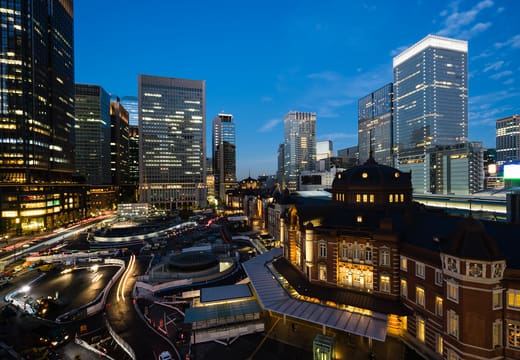 Tokyo Station Photo: gamemall104
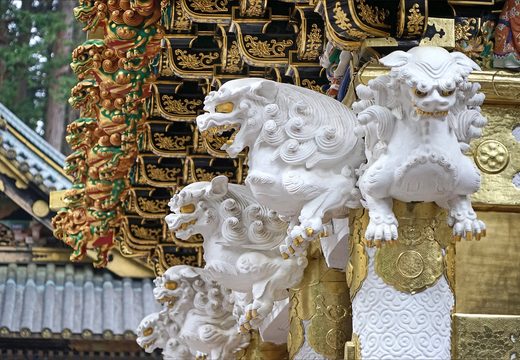 Nikko Photo: Jean-Pierre Dalbéra
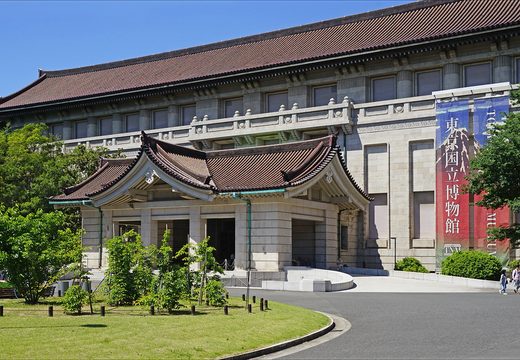 Tokyo National Museum Photo: Jean-Pierre Dalbéra
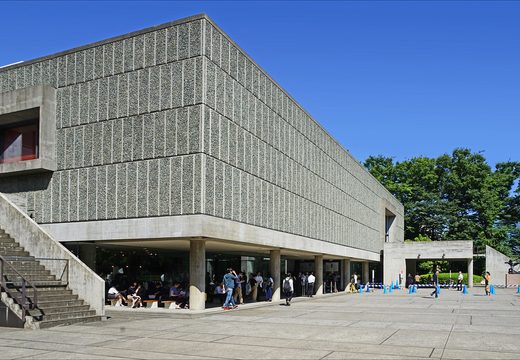 National Museum of Western Art Photo: Jean-Pierre Dalbéra
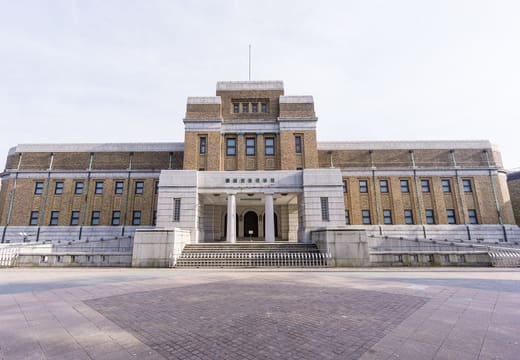 National Museum of Nature and Science Photo: Wei-Te Wong from Taipei City, Taiwan, Republic of China / Wikimedia Commons (CC BY-SA 2.0)
Find hotels in Tokyo
Browse live availability and compare prices for your dates.
See hotels near Tokyo on Booking.comPrices are for the night of Saturday 24 October. You can change the dates on Booking.com. If you book, Roam Tokyo earns a small commission from Stay22 at no extra cost to you.