Asakusa
Old Tokyo's front door, best before the tour buses arrive
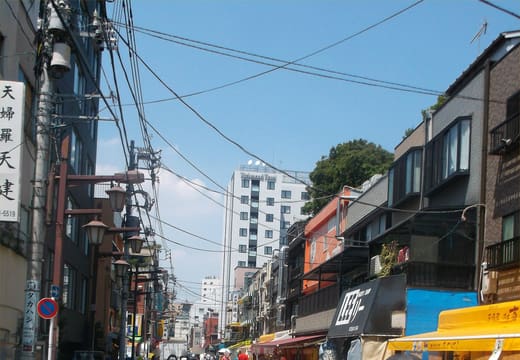
Asakusa gets dismissed as touristy, and at 2pm on a Saturday it is. Go at 7am instead. Senso-ji with incense drifting and almost nobody around is a different place entirely, and the backstreets west of the temple still feel like the shitamachi Tokyo that most of the city paved over decades ago.
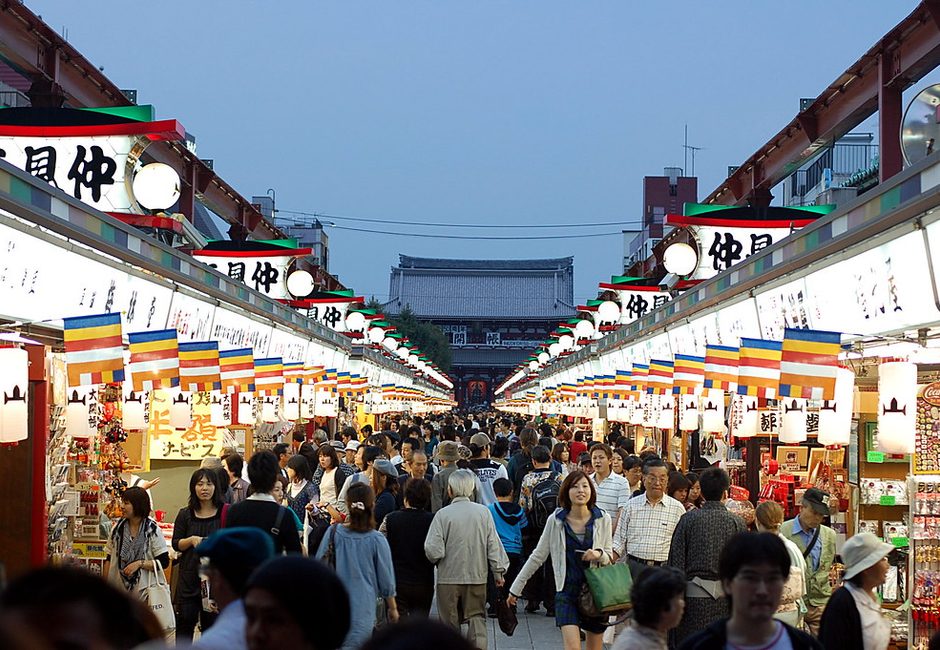
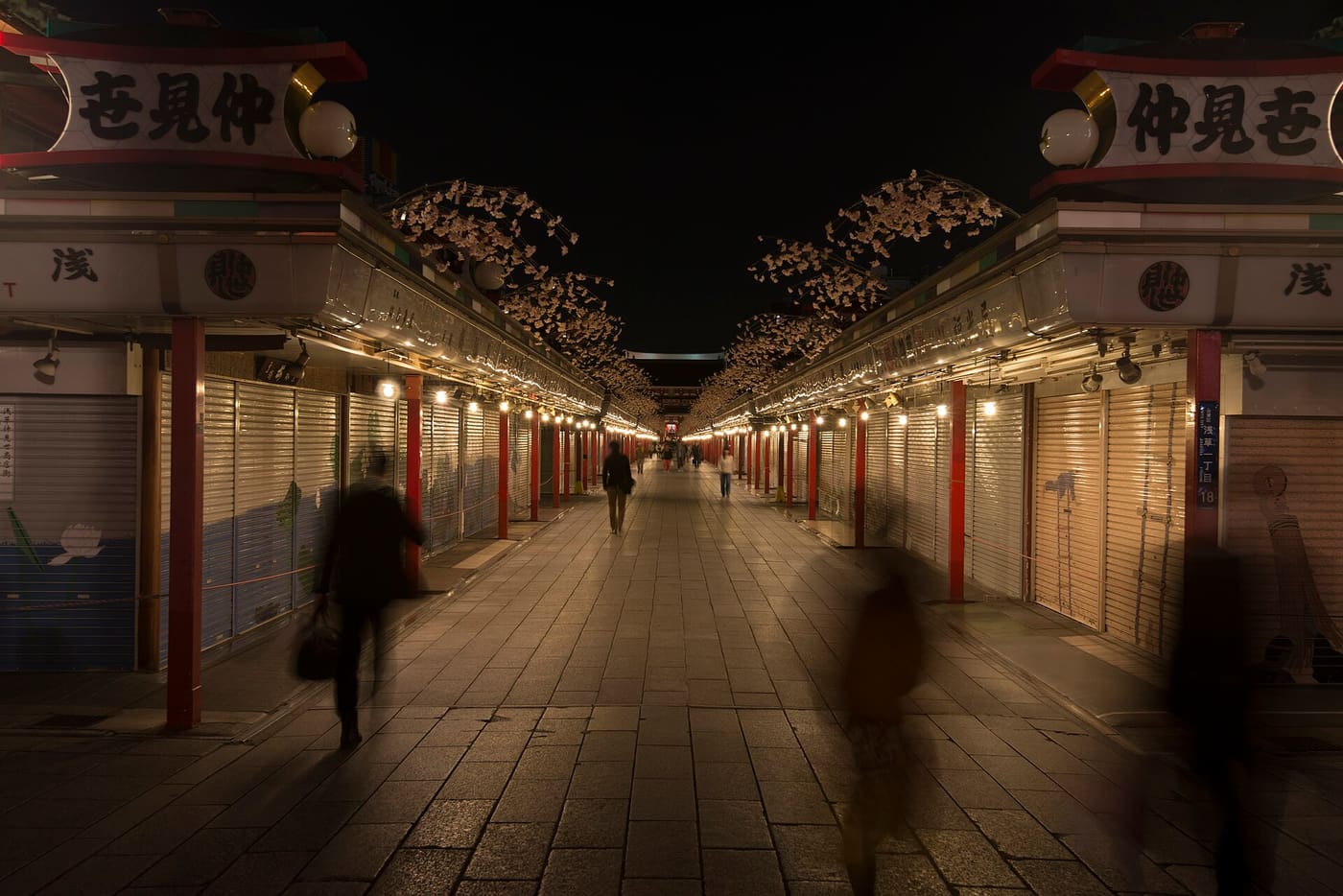
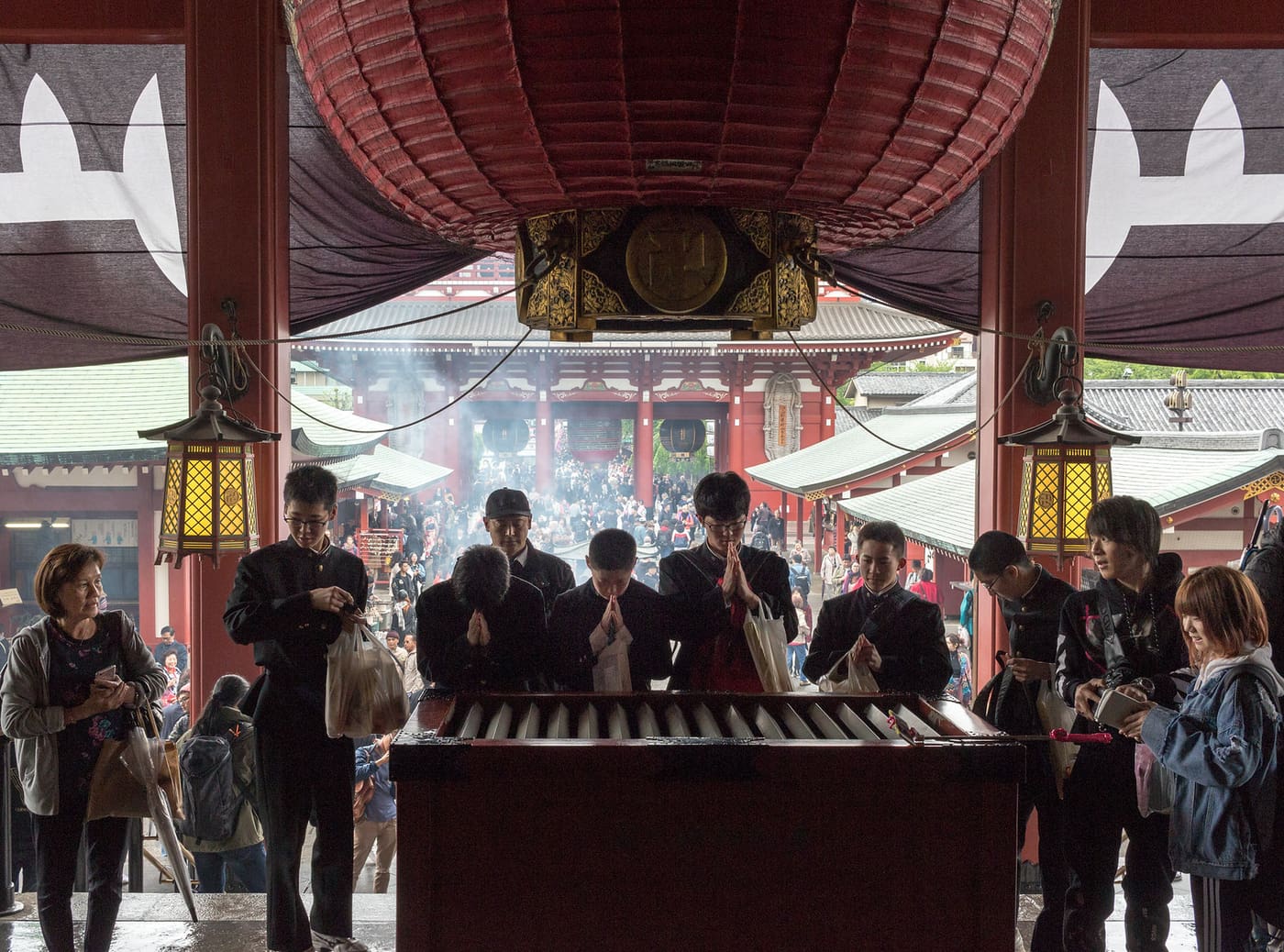
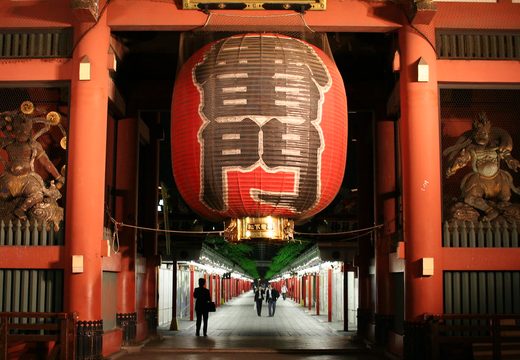
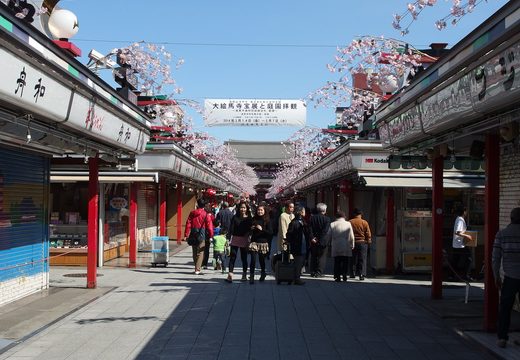
Asakusa is the old downtown, the shitamachi, and it still runs on an older clock. Senso-ji's main hall opens at 6am (6:30 from October to March), and there's no better time to see it than early morning. That means incense smoke, sweeping monks, and empty Nakamise stalls with their shutters painted like ukiyo-e. By ten the crowds arrive and the neighbourhood changes character entirely.
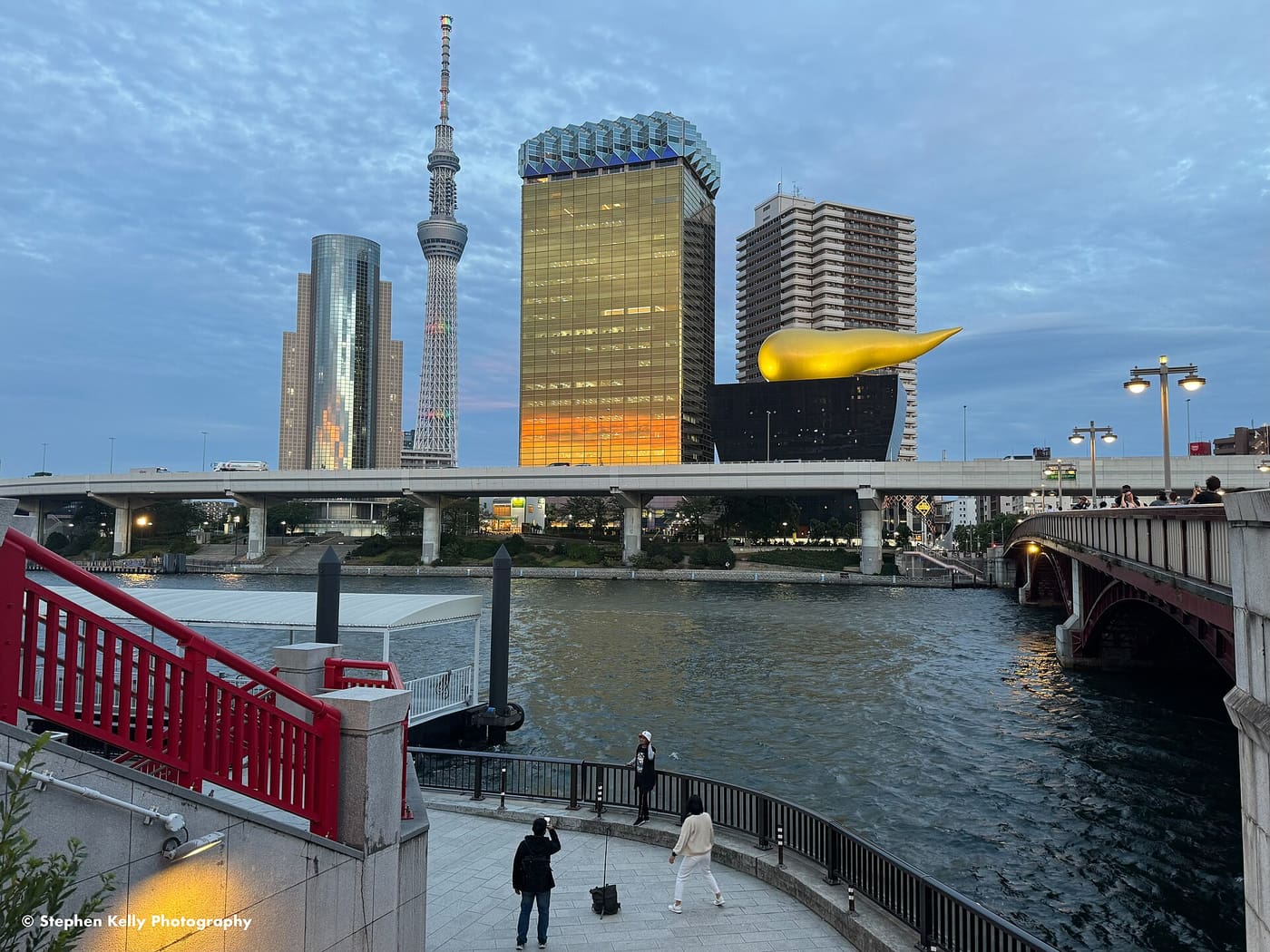
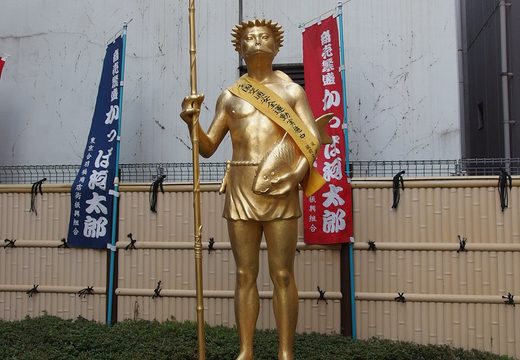
Stay for the edges rather than the centre. Kappabashi's kitchenware street sells the knives and ceramics that chefs actually buy, Hoppy Street pours cheap stewed beef and beer from mid-afternoon, and the Sumida riverside walk gives you the Skytree mirrored in the water. Asakusa is also where the Tobu line to Nikko leaves from, if you're planning a day trip.
Asakusa in photos
Getting there
Ginza Line, Asakusa Line, or Tobu Skytree Line to Asakusa. The Ginza Line exit 1 puts you a minute from Kaminarimon gate.
What to see
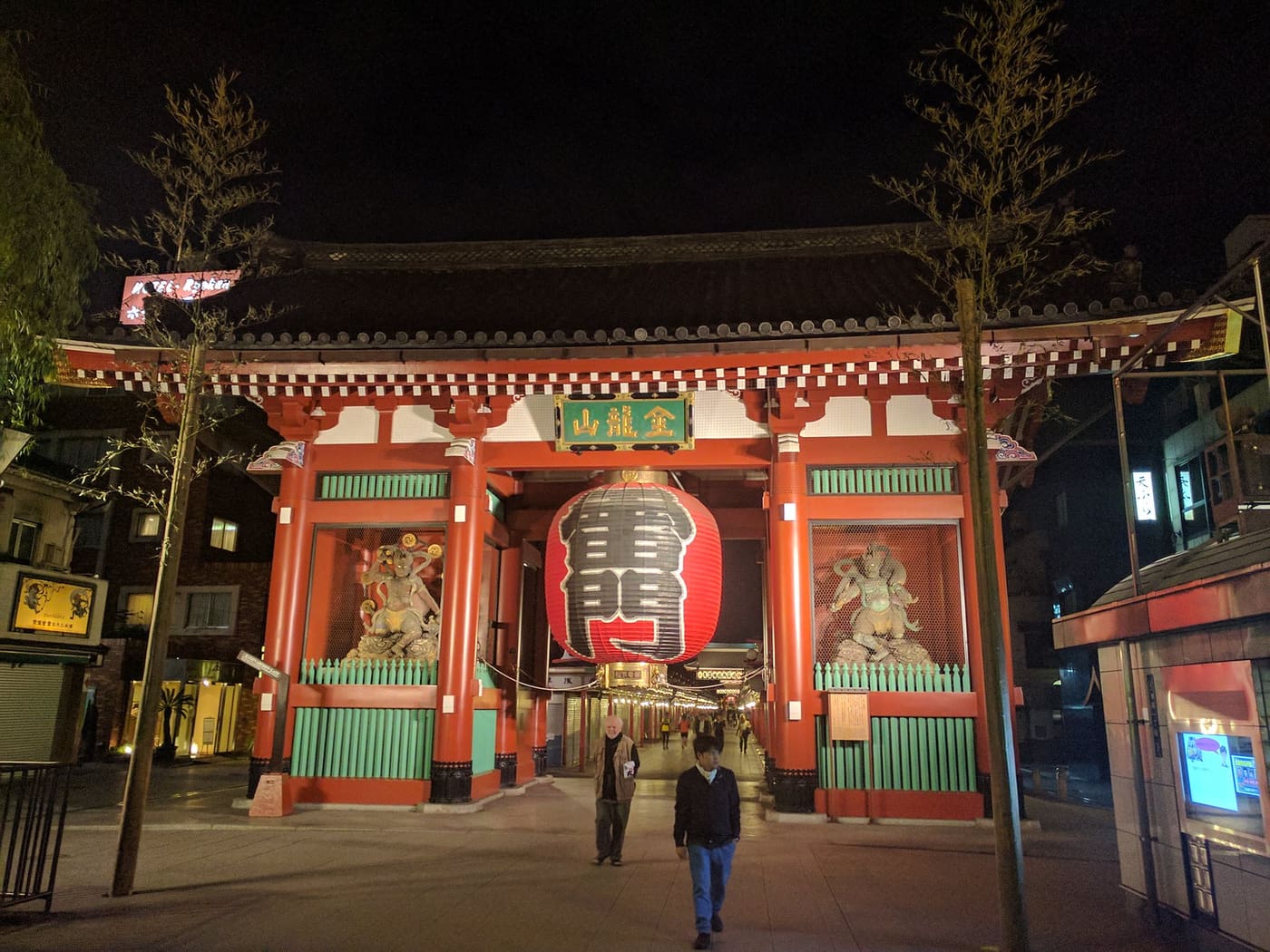
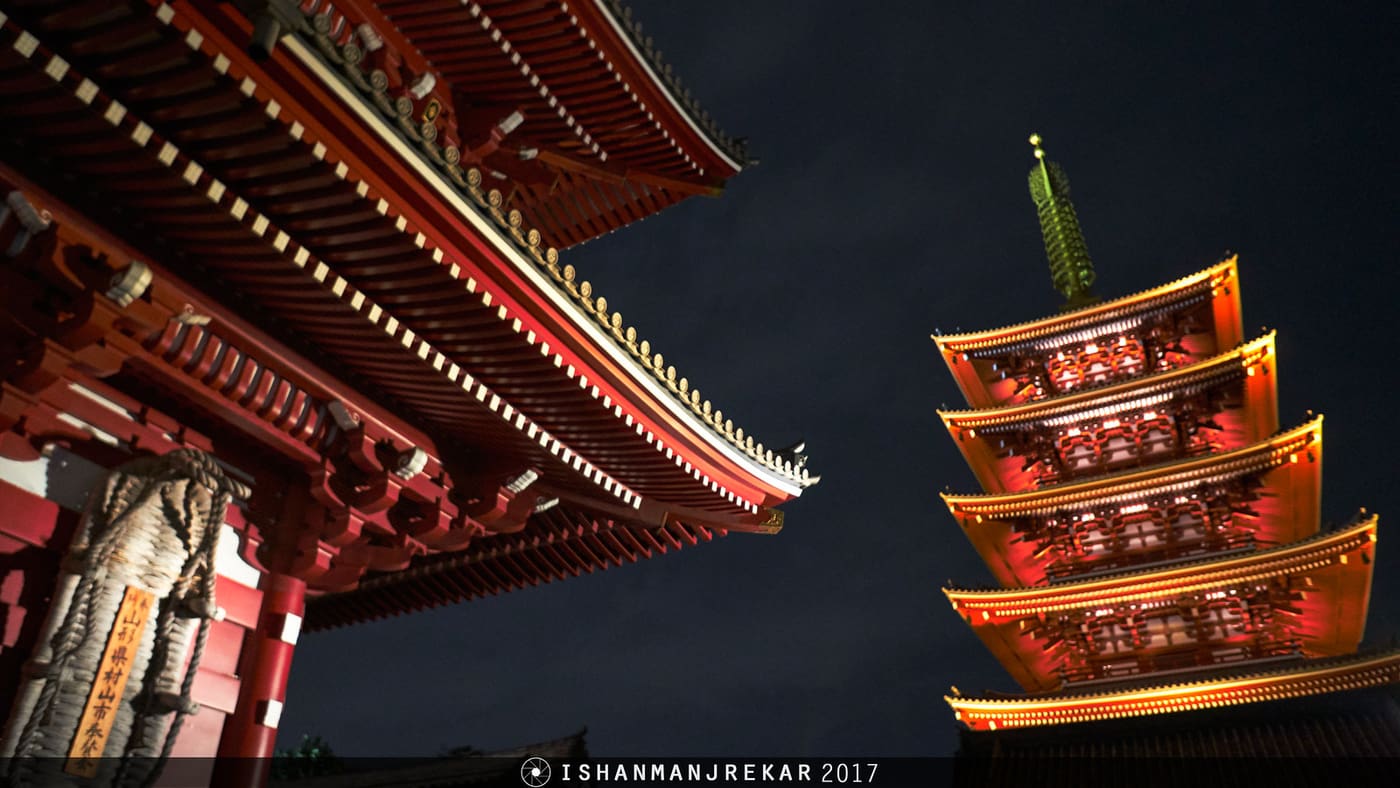
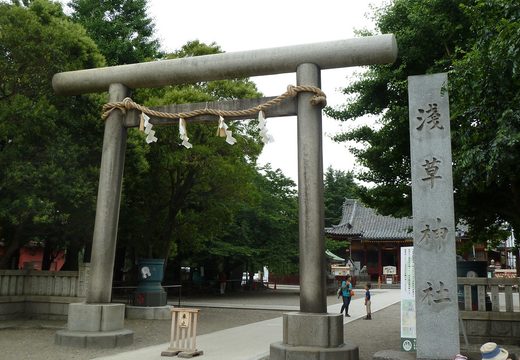
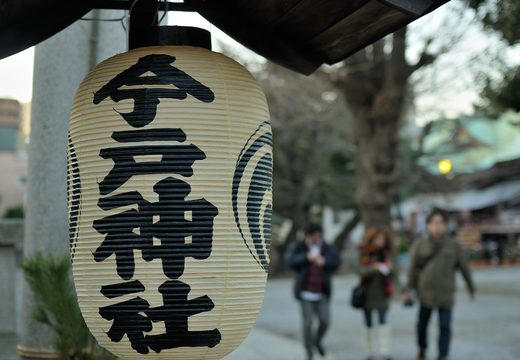
Senso-ji Temple is the reason to come, and the order matters. Go through Kaminarimon, up Nakamise Shopping Street and past the Hozomon gate to the main hall. The five-storey pagoda is best seen from the side gate. When the main hall opens the stalls are still shuttered, one of the two times you'll see the painted shutters on Nakamise. After dark they come down again, the lanterns come on, and the arcade empties. Asakusa Shrine stands right beside the main hall and most visitors walk past it, which keeps it calm even at peak times. Its 1649 buildings survived both the earthquake and the air raids, and in mid May it hosts Sanja Matsuri.
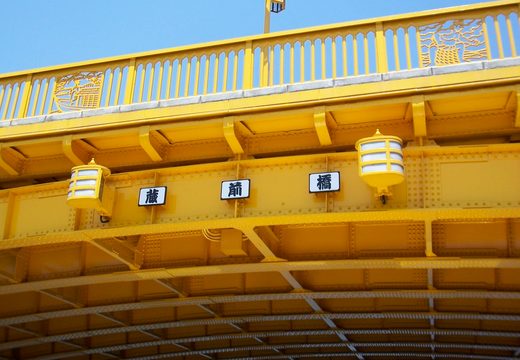
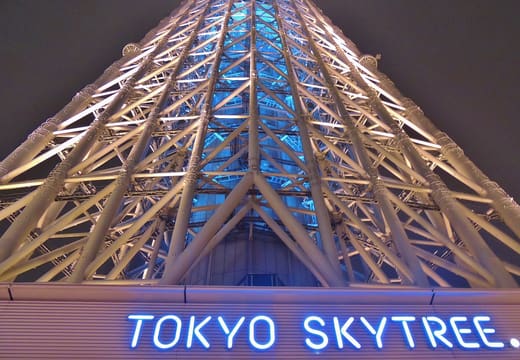
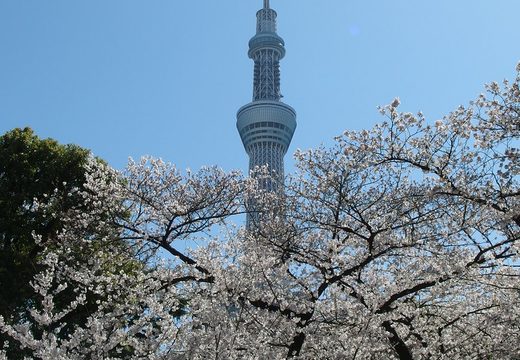
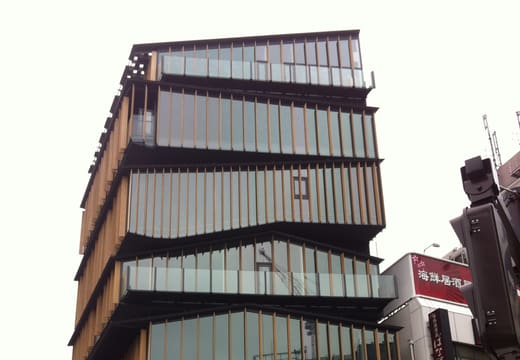
For the overview, the Asakusa Culture Tourist Information Center across from Kaminarimon has a free eighth-floor terrace. It lines up the gate, the arcade and the temple on one side, and the Tokyo Skytree with the Asahi flame on the other. Walk north along the river for fifteen minutes to Imado Shrine, the claimed birthplace of the beckoning cat, where the cat figures come in pairs and the ema are round. Sumida Park runs along both banks, and the Sumida River Walk pedestrian bridge crosses to the east bank for the best angle on the Tokyo Skytree. The tower itself is a twenty-minute walk or one Tobu stop away.
Where to eat and drink
Asakusa eats old-fashioned, and it starts early. Nakamise Shopping Street sells ningyo-yaki cakes and senbei from stalls that have been doing so since the Edo period. Eat beside the stall rather than walking, that's the local rule. Lunch is Sometaro, an okonomiyaki house in a creaky wooden building going since 1937, where you sit on tatami and cook your own pancake on a hot plate set into the table. Say it's your first time and they'll cook the first one for you. It's cash only. From mid-afternoon the neighbourhood shifts to Hoppy Street, west of the temple, where open-fronted izakayas serve motsunikomi beef tendon stew and Hoppy, the post-war beer substitute, to stools on the pavement while temple visitors stroll past. Drinking here starts at noon and nobody minds.
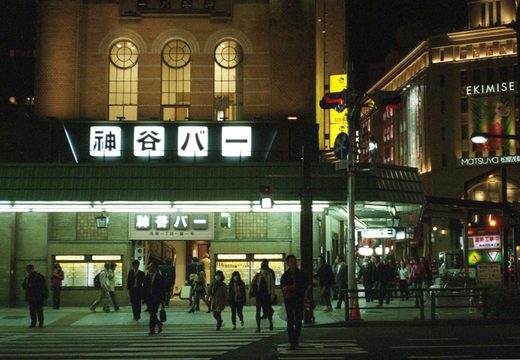
Early evening belongs to Kamiya Bar by the Azumabashi crossing, Japan's oldest Western-style bar, open since 1880 and home of Denki Bran, the herbal brandy cocktail from 1882. Buy tickets at the entrance counter first, then order the Denki Bran with a draft beer chaser in the noisy ground-floor hall. If your day ends on the east bank, there's reliable food in the commercial mall under the Tokyo Skytree, and yakatabune dinner boats leave from the piers below Sumida Park.
Where to stay
Asakusa is the best base in Tokyo for early risers. Sleep within a few minutes of Senso-ji Temple and dawn at the main hall, the single best thing in the neighbourhood, becomes a habit rather than a project. The streets between Kaminarimon and the Sumida River hold most of the accommodation. There are ryokan with tatami rooms, the hostels and capsule hotels that made Asakusa the city's budget heartland, and a growing set of mid-range hotels along the river with Tokyo Skytree views. West toward Kappabashi Kitchen Town and Tawaramachi it's quieter and cheaper.
Asakusa suits you if you want traditional atmosphere, if you're a first-timer on a budget, or if you're planning a Nikko day trip on the Tobu line. The catch is transport. The west side of the city is 30 to 40 minutes away, and the neighbourhood goes quiet early.
How to do it in a day
Be at Senso-ji Temple by seven, before the tour groups. Walk up Nakamise Shopping Street while the shutters are still down and step sideways into Asakusa Shrine. Take a coffee near Kaminarimon while the stalls open, then ride the lift at the Asakusa Culture Tourist Information Center for the view of what you've just walked. Mid-morning, head west to Kappabashi Kitchen Town for knives at Kamata or Tsubaya, engraved while you wait. Many shops close around 5pm and some on Sundays. Lunch at Sometaro on the way back, then walk north along the river to Imado Shrine and its paired cats.
By mid-afternoon, settle onto a pavement stool on Hoppy Street for the stew and a Hoppy. Cross the Sumida River Walk through Sumida Park as the light goes, catching the Tokyo Skytree in the water. Then either go up the tower for the night view or turn back to Kamiya Bar for a Denki Bran, and finish with a lantern-lit walk past the pagoda.
Nearby neighbourhoods
The best of Asakusa
Things to do in Asakusa
What's on in Asakusa
Local events in the next 30 days, read from the ward, park and organiser pages each one links to.
Tenso Shrine Annual Festival with Edoranger Festival
Sat 24 Oct · Tenso Shrine
The annual festival at Tenso Shrine, with a visit by Edoranger.
Map · Source: Edogawa City Shopping Street Federation · エドレンジャー in 天祖神社例大祭 10月24日(土)
Raimon Tawara Happy Halloween Park Festival
Sun 25 Oct · Kaminarimon-dori near Kaminarimon 1-chome crossing
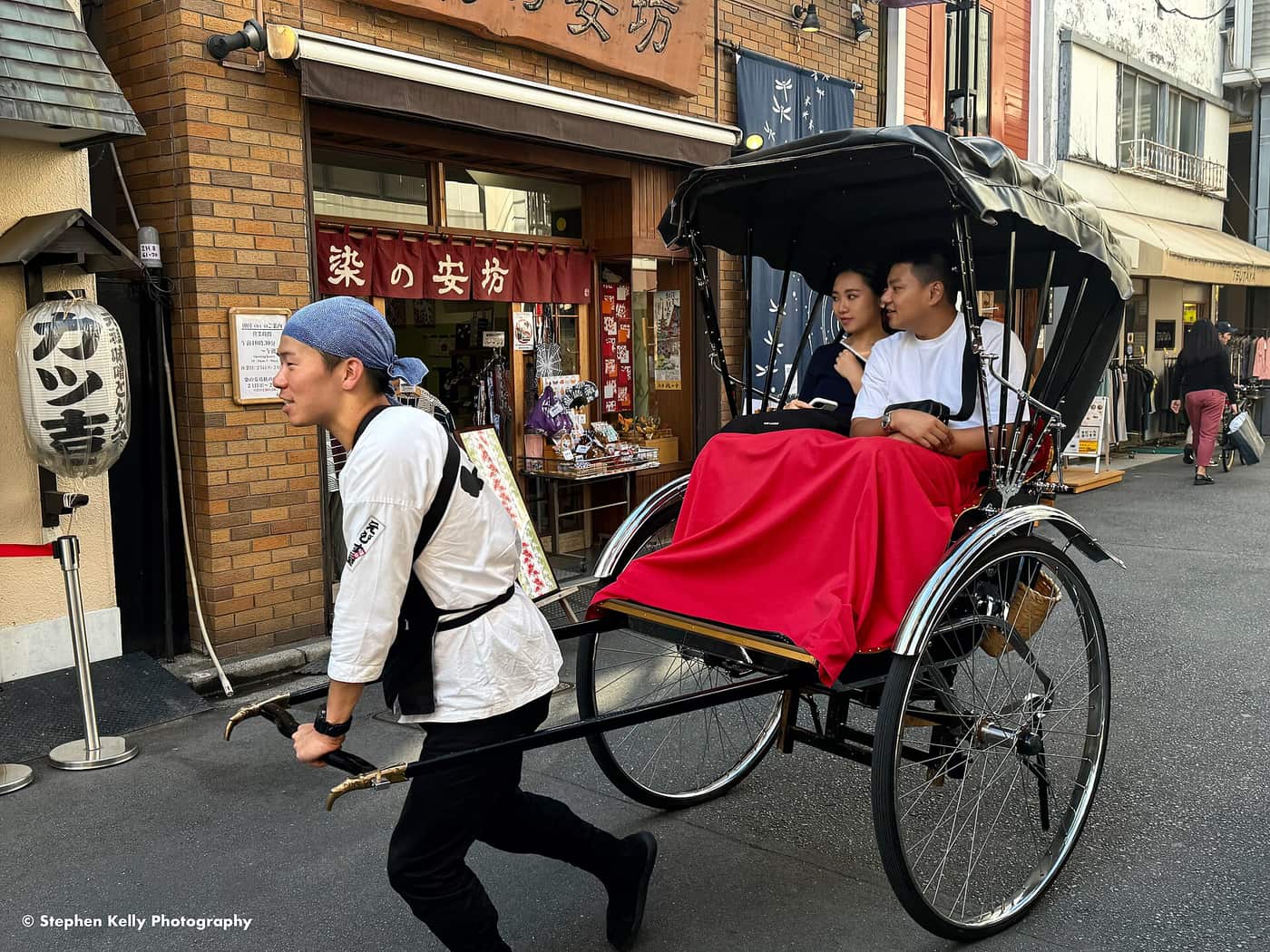
A costume-friendly Halloween street event on Kaminarimon-dori, with balloons for the first 400 people and a rickshaw photo corner.
12:00 to 15:00 · Map · Source: Kaminarimon Tawara shopping street · 2026年 雷門田原商店会 HAPPY HALLOWEEN PARK2026-10月25日(日)雷門通りで開催
Street Kamishibai Performance by Morishita Masaki Performance
Sun 25 Oct · Shitamachi Museum
A street kamishibai performance by Morishita Masaki, followed by a curator's exhibition talk, linked to the Asakusa Big Parade exhibition.
Map · Source: Taito City museums (Taito Arts and Culture Foundation) · 企画展関連イベントのお知らせ 森下昌毅さんによる街頭紙芝居実演
Oktoberfest in Tokyo Skytree Town 2026 Food
On now, until 26 Oct · Tokyo Skytree Town
A German beer festival at Tokyo Skytree Town, next to Tokyo Solamachi.
Map · Source: Tokyo Solamachi · オクトーバーフェストin東京スカイツリータウン®2026
Asakusa Culture and Lights Illumination
30 Oct to 3 Nov · Senso-ji
Projection mapping on the main hall and Hozomon gate of Senso-ji, with special openings of the Dempoin garden and the Ema-do hall.
Free · Map · Source: ARTE TOKYO (Tokyo Metropolitan Government) · ASAKUSA CULTURE & LIGHTS 2026(浅草カルチャー&ライツ 2026)
Mural Asakusa Big Parade: Asakusa Stars Drawn by Kata Koji Exhibition
On now, until 1 Nov · Shitamachi Museum
A special exhibition in the third-floor gallery showing the mural Asakusa Big Parade and Kata Koji's kamishibai works.
Map · Source: Taito City museums (Taito Arts and Culture Foundation) · 企画展「壁画 浅草ビッグパレード 加太こうじが描いた浅草のスターたち」
Hanakawado Park flea market Market
On set weekend days, about twice a month. Next: Sat 31 Oct · Hanakawado Park
A household flea market in Hanakawado Park, a few minutes north of Asakusa station, run on set Saturdays and Sundays by two flea-market groups with the ward's support.
Free entry · 9:00 to 15:00 on Saturdays, 10:00 to 15:00 on Sundays · Map · Source: Taito City (Cleaning and Recycling Section) · 花川戸公園フリーマーケット
Soyokaze Tsunagaru Fes (autumn) Festival
Sat 31 Oct · Sumida Park, Soyokaze Plaza
A weekend festival with stalls in the Sumida-side part of Sumida Park, one of a series held there through the year.
Free · Map · Source: Sumida City park event calendar · そよかぜつながるフェス
Five Hundred Arhats paintings of Gokokuji Exhibition
1 to 29 Nov · Sumida City Local Culture Museum
The Five Hundred Arhats paintings of Gokokuji shown with other rare documents, marking the Tokyo designation of the matching set owned by Sumida's Kofukuji.
¥100 · Map · Source: Sumida City · 企画展「護国寺五百羅漢図展」
Taito Industry Fair 2026 Market
5 to 6 Nov · Tokyo Metropolitan Industrial Trade Center Taito, 5F
Taito makers and local businesses exhibit under the theme Shitamachi no Aidea ten, with talk shows, product sales and workshops by exhibitors.
10:00 to 17:00 · Map · Source: Taito Industry Fair (Taito City) · 台東区産業フェア2026
Live music in Asakusa
- Knuttel House 45 upcoming gigs
- Jazz Bar MARS 39 upcoming gigs
- Jazz Club SOMEDAY 32 upcoming gigs
- Live-Bar Darling 19 upcoming gigs
- Asakusa VAMPKIN 14 upcoming gigs
- CREAM LIVE ASAKUSA 6 upcoming gigs
- Jazz Bar SOULTRANE 1 upcoming gig
Festivals in Asakusa
- Christmas Markets in Tokyo November 2026 to December 2026
- Tori-no-ichi November 2026
- Sanja Matsuri May 2027, dates to be confirmed
- Sumida River Fireworks July 2027, dates to be confirmed
- Asakusa Samba Carnival August 2027, dates to be confirmed
From the blog
Stay in Asakusa
Browse live availability and compare prices around the neighbourhood.
Median US$262 a night across 78 listings within 0.6 km for a two-night stay a month out, sampled 20 October 2026. Cheapest quarter under US$168. See the weekly index for every neighbourhood.
See hotels near Asakusa on Booking.comPrices are for the night of Saturday 24 October. You can change the dates on Booking.com. If you book, Roam Tokyo earns a small commission from Stay22 at no extra cost to you.