Ryokan in Tokyo: The Real Ones, and When to Book Hakone Instead
Tokyo has surprisingly few true ryokan. Where the real ones are, what a stay involves, and why the best ryokan night of your trip is probably in Hakone instead.
Places checked against official pages by Roam Tokyo, October 2026 How it's made
Aussi en français : lire ce guide en français
Tokyo is the wrong city for the classic ryokan night, and most guides don’t say so. A handful of real, historic inns still operate in the capital, and they’re worth knowing about. But if the picture in your head has steaming outdoor baths, a multi-course kaiseki dinner served in your room and mountain air, that night belongs somewhere else on your itinerary. Usually Hakone.
This guide covers both halves. First, what a ryokan is and why Tokyo has so few. Then the real ones left in the city, what a Tokyo ryokan stay does and doesn’t include, and how to plan the trip so you get the full experience without pretending Tokyo can give it to you.
What a Ryokan Is
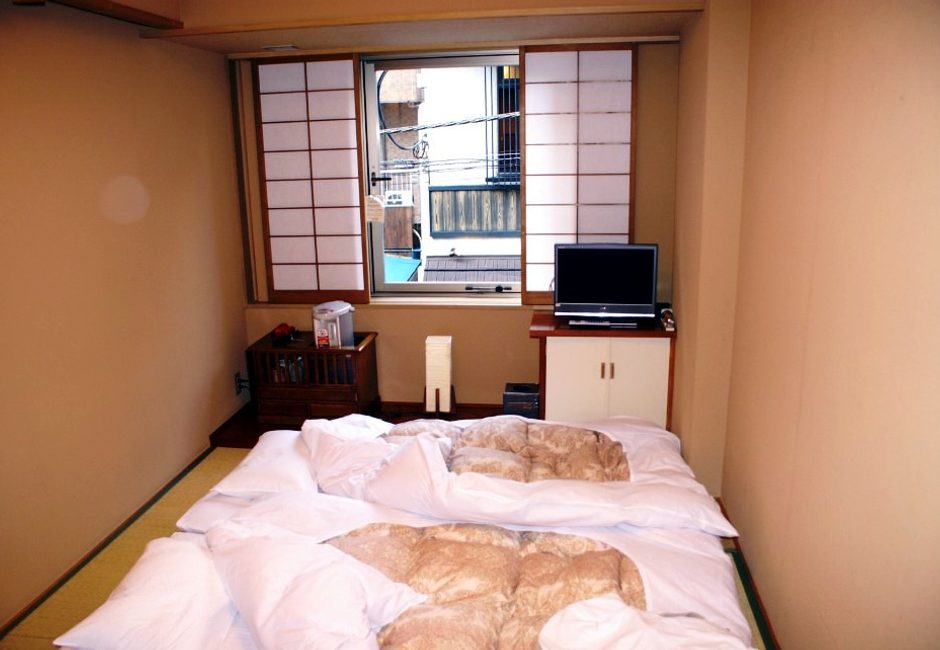
A ryokan is a traditional Japanese inn, and the word comes with a specific set of expectations. Rooms are floored in tatami. You sleep on a futon that staff lay out in the evening while you’re at dinner and fold away in the morning. You bathe in a communal bath, often fed by a natural hot spring in onsen towns, and you wash thoroughly at the seated stations before you get into the water. In the classic form, dinner is kaiseki, a seasonal multi-course meal that’s often the single best food experience of a trip to Japan, and a Japanese breakfast follows the next morning.
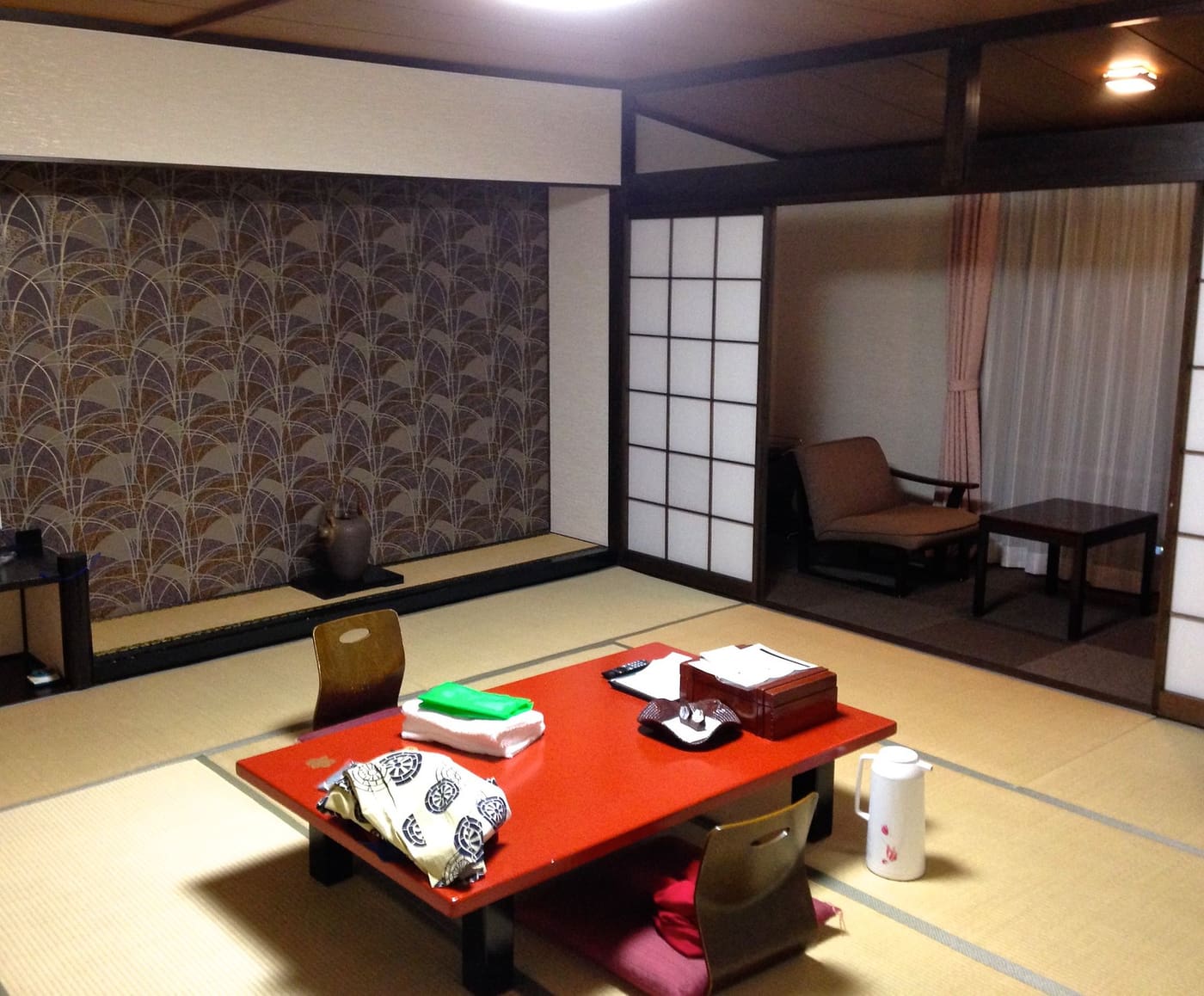
The deeper point is that a ryokan sells hospitality itself, not just a room. The rhythm of the evening, the timing of the meals, the yukata robe waiting in your room, the staff who seem to know what you need before you ask, all of it is the product. A ryokan stay is closer to a performance you take part in than a hotel booking, and that’s why it’s worth doing once, and doing right.
Why Tokyo Has So Few
Ryokan culture is a hot-spring-town and countryside tradition. The great ryokan of Japan grew up around onsen sources in places like Hakone, Kusatsu, Kinosaki and Beppu, where travellers came specifically to bathe and be looked after. Tokyo never had that role. It was the political and commercial capital, and its inns served merchants and travellers passing through rather than people looking for a retreat.
Then land prices finished the job. Central Tokyo real estate became some of the most expensive on earth, and a low-rise wooden inn with a garden is about the least efficient use of it you could imagine. Over the last century, nearly all of Tokyo’s traditional inns were rebuilt as hotels or sold off entirely. The few that survived mostly did so in the older, quieter districts on the east and north sides of the city, the same areas covered in the Asakusa where-to-stay guide and the Yanaka guide, where the pressure to redevelop came later and gentler.
One warning. Most listings tagged “ryokan” or “ryokan-style” on Tokyo booking sites are guesthouses with tatami rooms. Tatami and a futon are pleasant, but they’re furniture rather than an experience. Without the meals, the bath culture and the hospitality rhythm, what you’re booking is a cheap stay in Japanese style. That can be a perfectly good choice, as long as you know what you’re getting.
The Real Ones That Remain
A few real inns still operate in Tokyo, most of them in the older eastern and northern neighbourhoods.
Sawanoya, Yanaka. A small family-run inn in Tokyo’s most village-like neighbourhood, open to overseas guests for decades and loved by repeat visitors. Sawanoya is simpler than a resort ryokan, closer to a minshuku, and that’s the appeal. The family’s warmth is the product, and Yanaka’s temple lanes and old shotengai are the setting. If you want to feel like a guest in a neighbourhood rather than a tourist in a district, this is the version Tokyo does best. The Yanaka neighbourhood guide covers what’s around it.
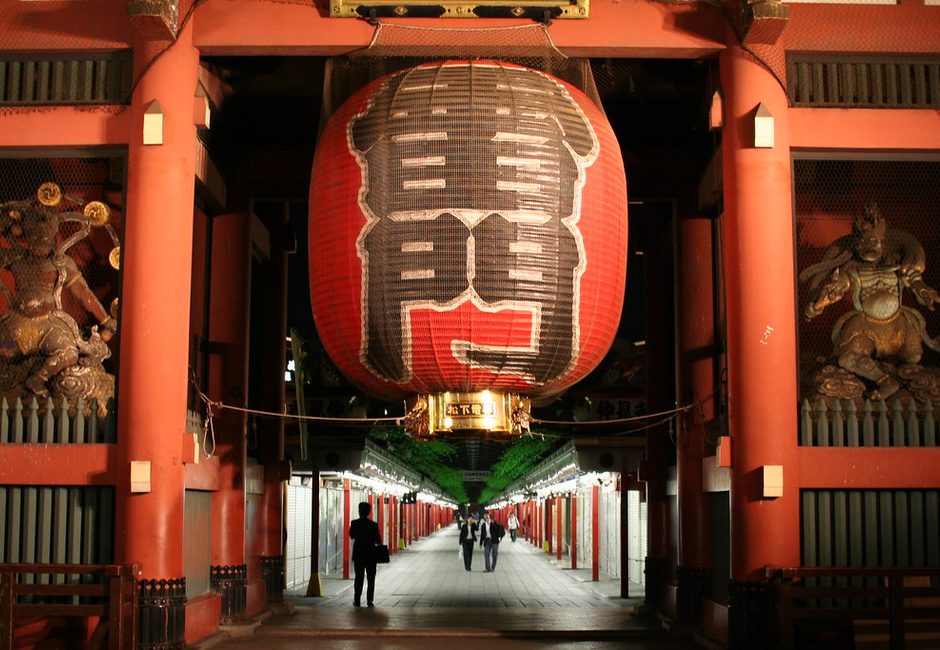
Ryokan Asakusa Shigetsu, Asakusa. A long-running inn right beside Nakamise, a few minutes from Senso-ji, with tatami rooms and shared baths that look towards the temple’s pagoda. It’s the practical choice if you want to pair a ryokan night with an early-morning temple visit before the crowds arrive. The Asakusa guide covers the rest of Asakusa’s accommodation. See prices
Hotel links go through Stay22: if you book, Roam Tokyo earns a small commission at no extra cost to you.
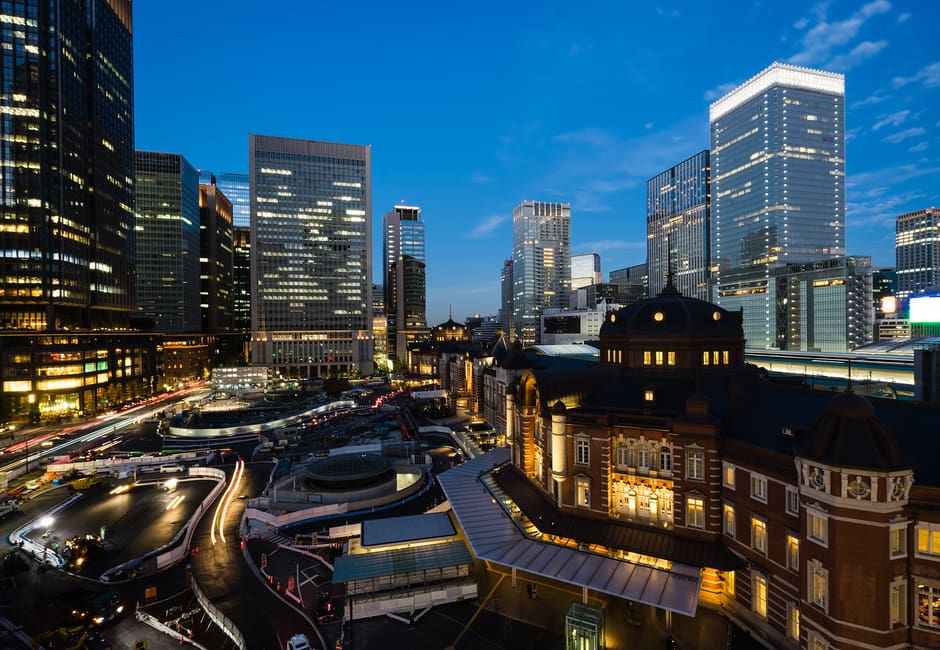
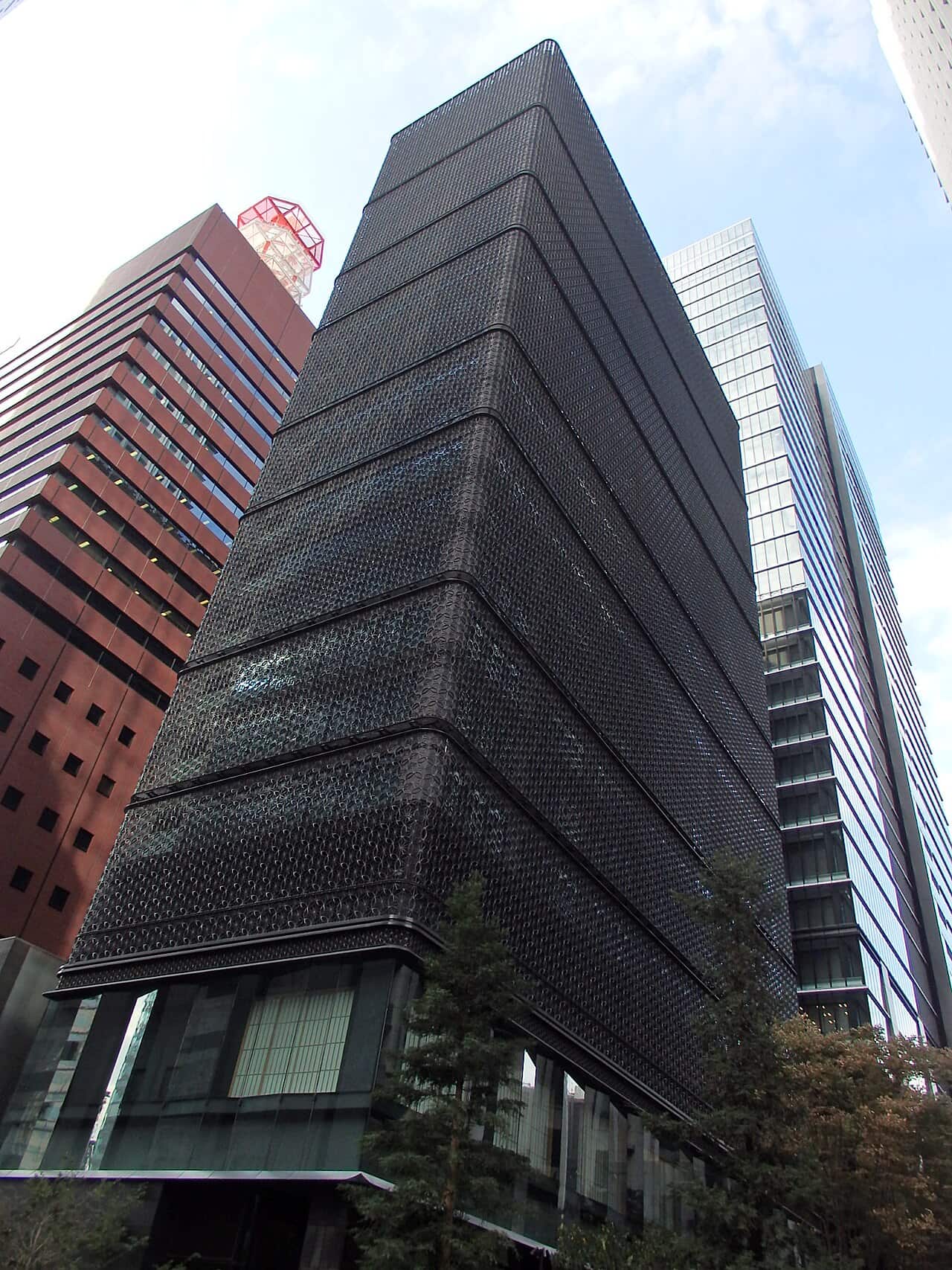
Hoshinoya Tokyo, Otemachi. The exception to most of this page. A modern luxury ryokan in a tower in the financial district, a short walk from Tokyo Station, with tatami floors, a lounge on each guest floor and a rooftop hot-spring bath drawn from deep below Otemachi. It’s priced as a splurge, and it’s the closest the city comes to an onsen-town night without leaving it. See prices
Two names still show up on older lists, and you should skip them for now. Sukeroku no Yado Sadachiyo in Asakusa is listed as closed and hasn’t taken guests for several years. Homeikan in Hongo, the wooden inn whose main building is a registered cultural property, announced that the main building and the Daimachi annex would close for renovation from 30 April 2026.
Book any of the open ones well ahead. Small inns have few rooms, and the real ones are known.
What a Tokyo Ryokan Stay Involves, and What It Doesn’t
Get your expectations right and a Tokyo ryokan night is lovely. Get them wrong and it disappoints.
Expect tatami rooms, futon bedding laid out in the evening, yukata robes, shared baths or small private ones, a Japanese breakfast if it’s offered, and hospitality that’s personal in a way no business hotel matches. Expect thinner walls and earlier quiet hours than a hotel. Expect some shared facilities, and in older buildings, toilets or baths down the corridor.
Don’t expect onsen water. Tokyo has bathhouses and even a few hot-spring facilities, but apart from Hoshinoya the city inns don’t sit on spring sources, so the bath is a bath and not an onsen. Don’t expect full kaiseki dinner service at most city properties either. Some offer Japanese dinners with notice, but the elaborate in-room multi-course procession is an onsen-town institution, and Tokyo’s inns mostly stick to lodging and breakfast. Don’t expect big rooms, en-suite everything, or 24-hour flexibility on meal and bath times.
So what a Tokyo ryokan gives you is the architecture and the hospitality. The hot spring and the feast are somewhere else.
The Better Plan: One Night in Hakone
The strongest advice this site has about ryokan isn’t a property pick. It’s about how you plan. Take one night out of your Tokyo itinerary and spend it at a ryokan in an onsen town, then treat your Tokyo nights as hotel nights and choose your base from the area comparison guide.
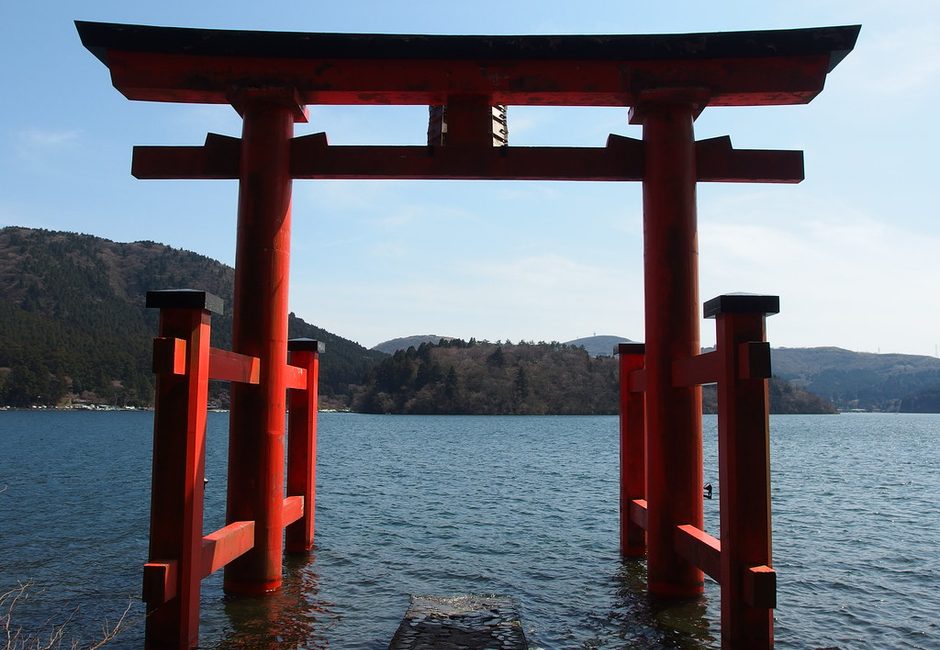
Hakone is the obvious choice. It’s about an hour and a half from Shinjuku on the Odakyu Romancecar, it’s built almost entirely around hot springs, and ryokan with onsen baths and kaiseki dinners are the standard there rather than the exception. Hakone is in the day trips guide because the sightseeing loop works in a day, but a ryokan stay deserves the overnight. The whole point is the evening. The bath before dinner, the long dinner, the second bath under the night sky, the futon already waiting. Day-trip to an onsen town and come back to a Tokyo business hotel and you’ve skipped everything the ryokan sells.
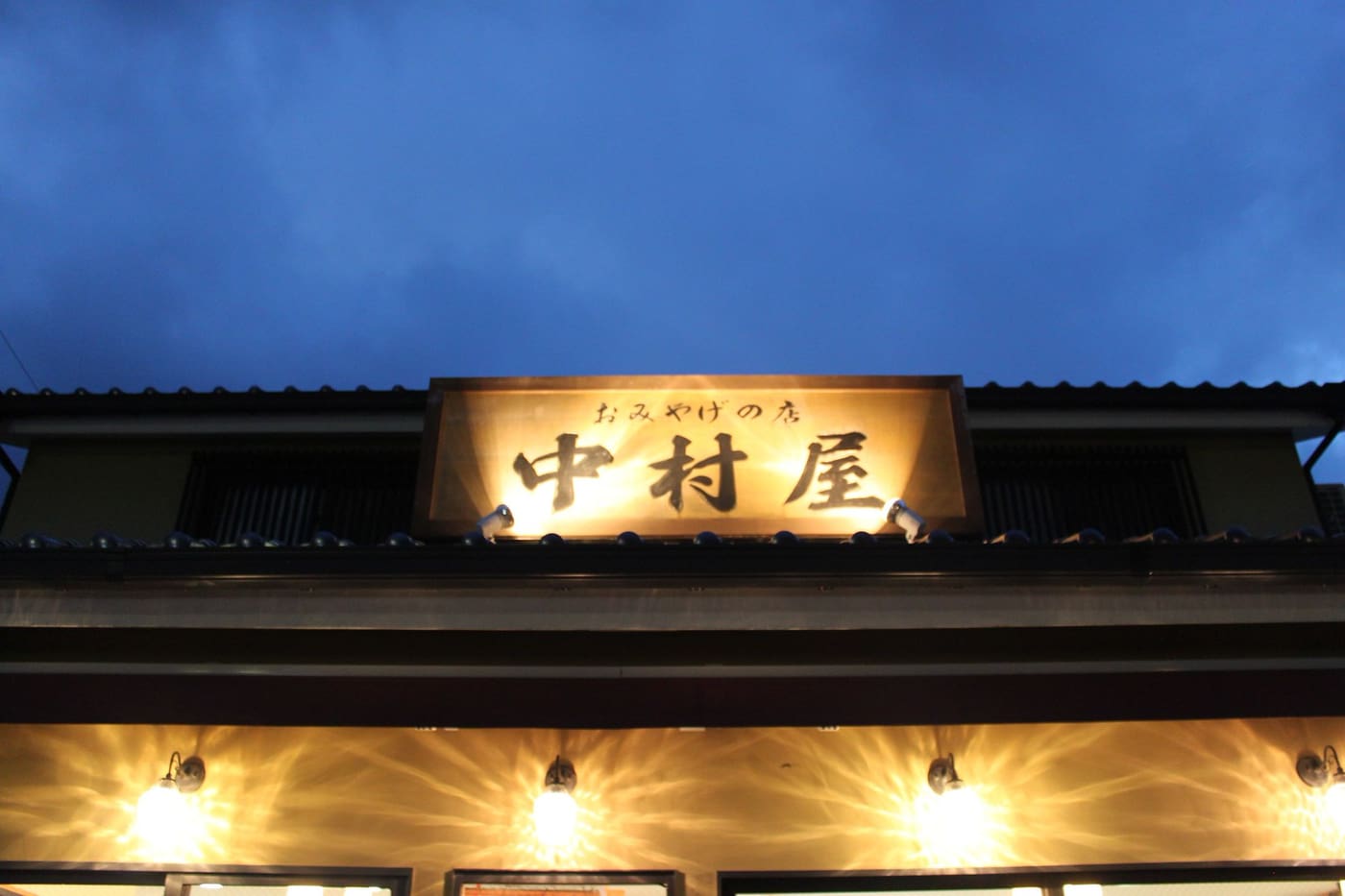
Kusatsu, Nikko’s Kinugawa area and the Izu peninsula all work the same way if Hakone feels too popular. Whichever you pick, keep the same shape. Hotel nights in the city, and one countryside night done well.
Ryokan Etiquette
None of this is complicated, and staff at inns that welcome foreign guests are patient. A few points cover almost everything.
- Shoes off at the entrance. Change into the slippers provided, and take even those off before you step onto tatami. Socks or bare feet only on the mats.
- Wear the yukata left over right. Fold the left panel over the right, then tie the sash. Right over left is how the dead are dressed for burial, and staff will quietly fix it if they see it.
- Bathe before dinner. Wash and rinse completely at the seated stations before you get into the shared bath. The tub water is for soaking, everyone shares it, and it has to stay clean. No swimwear, no towels in the water.
- Keep to the meal times. Dinner and breakfast run on a schedule because the kitchen cooks for the whole house at once. Turn up late and you strain the whole operation. If an inn asks for your dinner time at check-in, treat it as fixed.
- Let the staff handle the futon. It’s laid out for you during dinner and cleared in the morning. There’s nothing for you to do except enjoy it.
Related Reading
- Where to Stay in Tokyo: Every Major Area Compared
- Where to Stay in Asakusa, Tokyo
- Where to Stay in Yanaka, Tokyo
- Best Day Trips from Tokyo
Frequently Asked Questions
Are there real ryokan in Tokyo?
Yes, but only a handful. Sawanoya in Yanaka and Ryokan Asakusa Shigetsu are the long-running traditional inns, and Hoshinoya Tokyo in Otemachi is the modern luxury version with its own hot-spring bath. Most other Tokyo listings labelled “ryokan” are guesthouses with tatami rooms rather than full-service inns. If you want the complete experience with onsen baths and a kaiseki dinner, a night in Hakone or another hot-spring town gives you more than any traditional city inn.
How much does a ryokan cost?
Traditional city inns in Tokyo are often priced close to a mid-range business hotel, since most don’t include elaborate meals. Hoshinoya Tokyo is the luxury exception. The full onsen-town experience is a different budget line. A full ryokan night with kaiseki dinner and breakfast is usually priced per person rather than per room, and it lands well above a Tokyo hotel night. Treat it as one splurge evening, dinner, show and hotel in one, and the price makes sense.
Do you need to speak Japanese?
No. The Tokyo inns named here are used to foreign guests and take bookings in English, and Hakone’s ryokan are just as used to international visitors. A few words of thanks go a long way, and following the basic etiquette (shoes off, wash before bathing, meals on time) matters far more than language. Smaller rural inns off the tourist track are the only places where speaking Japanese really changes the experience.
Places in this guide
Photos show the actual places, licensed under Creative Commons and credited to their photographers.
Find hotels in Tokyo
Browse live availability and compare prices for your dates.
See hotels near Tokyo on Booking.comPrices are for the night of Saturday 24 October. You can change the dates on Booking.com. If you book, Roam Tokyo earns a small commission from Stay22 at no extra cost to you.