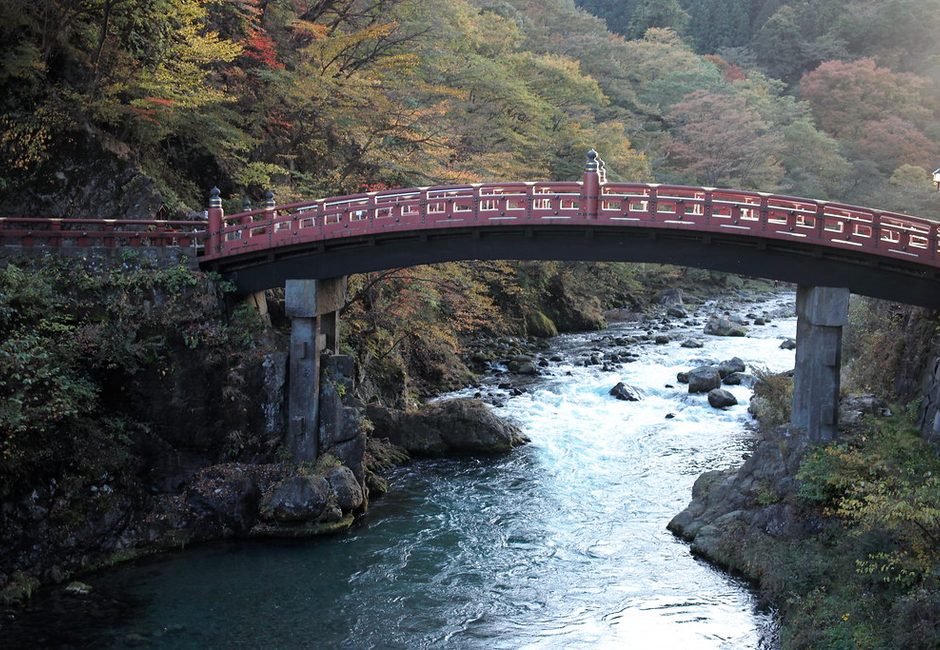
7 Best Day Trips from Tokyo (2026) and How to Choose
The 7 best day trips from Tokyo: Kamakura, Nikko, Hakone, Mt Takao, Kawagoe, Yokohama and Enoshima, with travel times, pass prices and which one to pick.
The most popular day trips from Tokyo are Kamakura, Nikko, Hakone, Mount Takao, Kawagoe, Yokohama and Enoshima. Every one is a direct train from a central station, so you can do any of them from Tokyo without a tour. Here’s the train, the time, the return fare for one adult and the ticket that saves you money, for each of them.
| Day trip | Train from | Time each way | Return fare, 1 adult | Ticket worth buying | Best season | Good for |
|---|---|---|---|---|---|---|
| Kamakura | Tokyo Station, JR Yokosuka Line | About 60 min | JR: see operator. ¥1,640 from Shinjuku with the Freepass | Odakyu’s Enoshima-Kamakura Freepass (1 day, unlimited Enoden) | Spring and autumn, on a weekday | First visits, temples and the sea in one day |
| Nikko | Tobu-Asakusa, Tobu limited express | About 1 hr 50 min | ¥3,000 with the pass, plus a limited express ticket each way (see operator) | Tobu’s NIKKO PASS World Heritage Area (2 days, local buses included) | October and November | Autumn colour, shrine architecture, a night away |
| Hakone | Shinjuku, Odakyu Romancecar | About 80 min to Hakone-Yumoto | ¥7,100 with the pass, plus ¥1,200 each way for the Romancecar | Hakone Freepass (2 days from Shinjuku) | Autumn, and any clear day for Fuji | Mountains, onsen, families, a night away |
| Mt Takao | Shinjuku, Keio Line | About 50 min | ¥1,450, cable car or chairlift both ways included | Keio’s Mt. Takao Discount Ticket | Autumn, and clear weekdays | Half days, hikers, families |
| Kawagoe | Ikebukuro, Tobu Tojo Line | About 30 min | ¥1,200 with the pass, local buses all day included | Tobu’s KAWAGOE DISCOUNT PASS Premium | Any season, on a weekday morning | Half days, old streets |
| Yokohama | Shibuya, Tokyu Toyoko Line | About 25 min to Yokohama | ¥620 to Yokohama Station (¥310 each way) | None, an IC card does it | Any season, rainy days too | Groups who want to eat well, families |
| Enoshima | Shinjuku, Odakyu Line | About an hour | ¥1,300 (¥650 each way), or ¥1,640 with the Freepass | The Enoshima-Kamakura Freepass, if you add Kamakura | Clear winter days | The coast, pairing with Kamakura, families |
Fares as of October 2026, from each operator’s own page: Odakyu Hakone Freepass, Romancecar, Enoshima-Kamakura Freepass and Odakyu fare table, Tobu NIKKO PASS, Tobu KAWAGOE DISCOUNT PASS Premium, Keio Mt. Takao ticket fares (PDF) and Tokyu fares. Times from Kamakura City Tourism Association, Tobu Nikko access, Tobu Kawagoe access, GO TOKYO’s Mount Takao walk, Yokohama Convention & Visitors Bureau and Odakyu’s Enoshima page. “See operator” means JR East’s own fare page couldn’t be read, so check its fare search before you go. The Tobu limited express charge to Nikko isn’t readable on its published pages either, so check the Tobu fare search.
Most itineraries have room for one of these, and most lists pretend you can do all of them. The pros and cons are below, so you can pick the one that fits your trip. They’re all pinned on the map with train and cost details.
Day trips from Tokyo by travel time
Shortest first, each way from the station in the table: Yokohama about 25 minutes, Kawagoe about 30, Mt Takao about 50, Kamakura and Enoshima about an hour, Hakone about 80 minutes, Nikko about 1 hour 50.
- Under an hour: Yokohama, Kawagoe, Mt Takao. Leave at 9:00 and you’re back for dinner.
- About an hour: Kamakura and Enoshima, which pair into one long day.
- Over an hour: Hakone and Nikko. Start early, or sleep over, since the Hakone Freepass and the NIKKO PASS both last two days.
Going in a particular month? The events calendar shows what’s on in Tokyo that month, and the autumn colour collection says when Nikko peaks.
The short answer
- First visit, want variety? Kamakura
- It’s October or November? Nikko
- Want mountains and an onsen? Hakone
- Only have half a day? Mt Takao or Kawagoe
- Want a city, not a day trip? Yokohama
- Want coast and a shrine? Enoshima
- Trip under four days? Stay in Tokyo. The neighbourhood guides will fill every day you have.
Kamakura: the default, for good reason
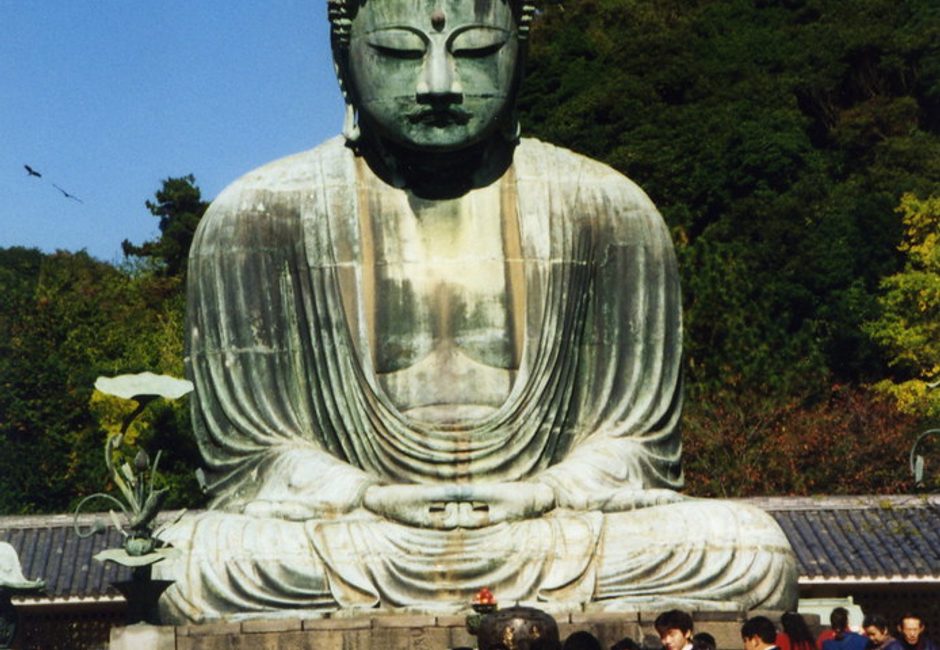
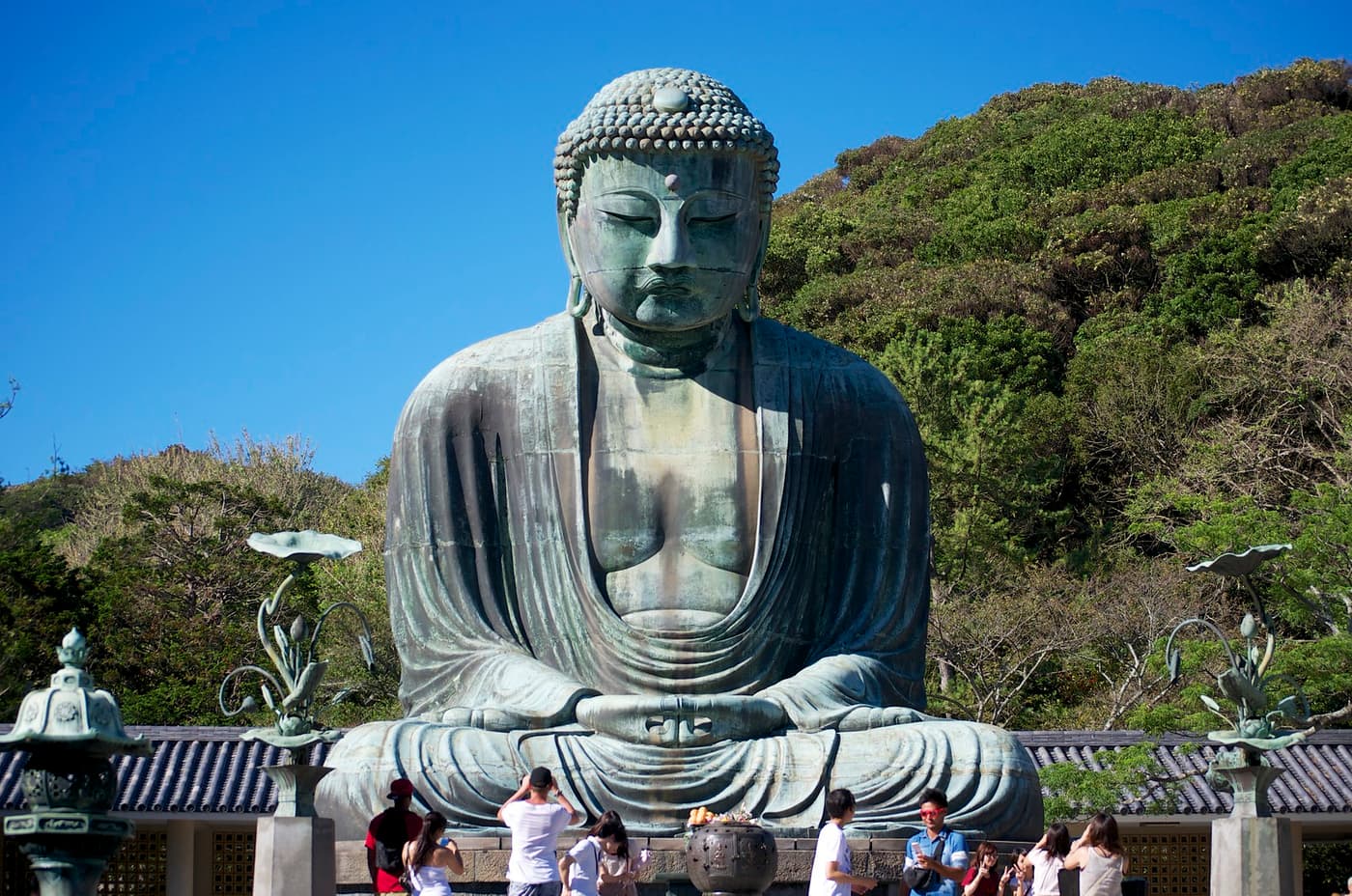
About an hour south. The JR Yokosuka line runs direct from Tokyo Station, and the Shonan-Shinjuku line does the same from Shinjuku and Shibuya. You get the Great Buddha, Zen temples in wooded valleys, a working beach town and the rattling little Enoden tram along the coast.
The move: get off at Kita-Kamakura for the temples, walk south to Tsurugaoka Hachimangu and Komachi-dori while they’re still calm, then carry on west to the Buddha at Hase and ride the Enoden along the coast. The ridge trail that links the temples to the Buddha, the Daibutsu hiking course, has been closed for long stretches after typhoon damage, most recently from late 2025, so check its status before you plan around it. Avoid summer weekends, when half of Tokyo has the same idea.
The local speciality is shirasu, tiny whitebait landed in Sagami Bay, served over rice as shirasu-don. The best shops cluster between Hase station and Yuigahama beach, and most only do lunch.
Entry to the main temples runs ¥300 to ¥500 each, so ¥1,000 to ¥1,500 covers a full day of them. The Enoden’s one-day pass (Noriorikun, ¥800) pays off if you ride it three or more times. Otherwise an IC card covers everything.
Best for variety, first-timers, anyone who wants temples plus sea air in one day.
The full Kamakura day trip guide has the trains, the Enoden and a timed route.
Staying the night? Hotels in Kamakura. Prices are for the night of Saturday 24 October. You can change the dates on Booking.com.
Hotel links go through Stay22: if you book, Roam Tokyo earns a small commission at no extra cost to you.
Nikko: the spectacular one
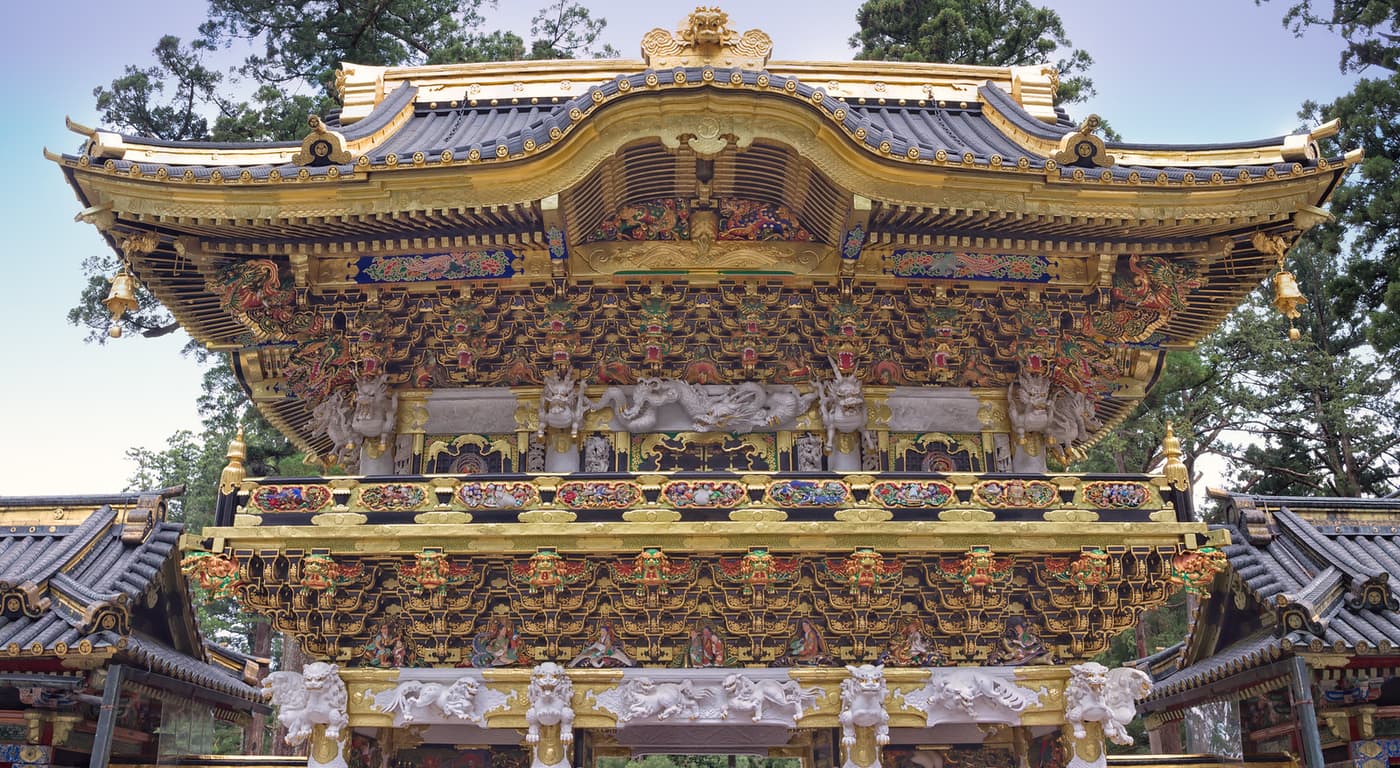
Just under two hours north on a Tobu limited express from Tobu Asakusa station. The Toshogu shrine complex is the most lavishly decorated site in Japan, a riot of gold leaf and painted carvings in a cedar forest, and the road behind it climbs to Kegon Falls and Lake Chuzenji. In autumn this is the best foliage within reach of Tokyo, which is why it anchors the autumn colour collection.
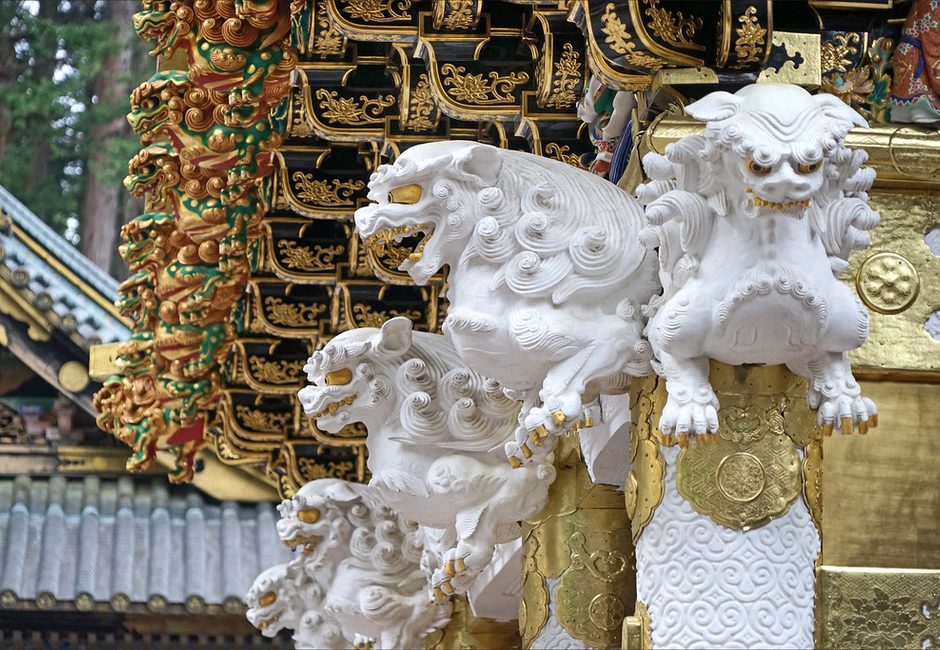
The move: take a limited express that leaves Asakusa by 7:30am, be at Toshogu soon after it opens at 9am, and you’ll get an hour of relative calm before the tour groups arrive. Tobu’s NIKKO PASS World Heritage Area (¥3,000, sold to overseas visitors at Asakusa) covers the basic return fare and the local buses around the shrines, but it doesn’t cover the limited express surcharge or any shrine and temple entry. Toshogu alone is ¥1,600.
The local speciality is yuba, the thin film lifted from heated soy milk, served in set lunches at the restaurants near the shrines.
Best for autumn, shrine architecture, people who don’t mind an early start. It’s the longest haul on this list.
The full Nikko day trip guide covers the Tobu options, the shrine order and the Kegon Falls extension.
Staying the night? The NIKKO PASS is good for two days, so the train costs the same, and you can be at Toshogu when it opens at 9am. Hotels in Nikko. Prices are for the night of Saturday 24 October. You can change the dates on Booking.com.
Hakone: mountains, sulphur, and an onsen
The Odakyu Romancecar runs direct from Shinjuku to Hakone-Yumoto in about 80 minutes. From there the classic loop links a switchback mountain railway, a cable car, the Hakone Ropeway over the steaming sulphur vents of Owakudani, a mock pirate ship across Lake Ashi, and a bus back, with an onsen before the train home. On a clear day Fuji appears behind the lake.
The Hakone Free Pass covers the Odakyu return from Shinjuku (on regular trains) and every leg of the loop, plus discounts at many attractions. Since October 2025 it costs ¥7,100 for two days from Shinjuku. The Romancecar isn’t included, so budget for its seat surcharge on top.
At Owakudani, eggs boiled in the sulphur springs turn black and are sold as kuro-tamago, four to a bag. Local lore says each one adds seven years to your life.
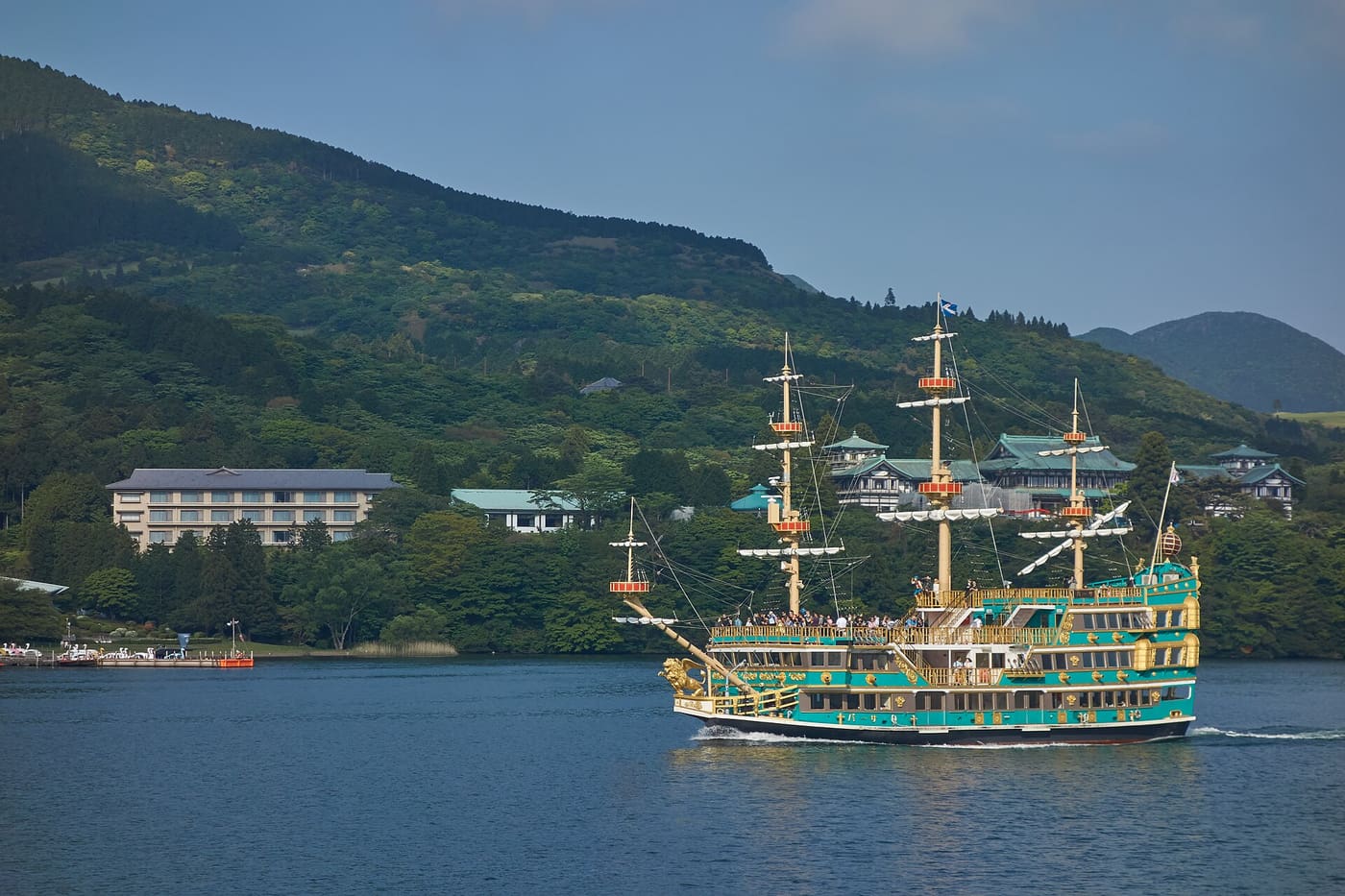
Two warnings. The loop is popular and the queues between legs add up, so start early. And cloud can hide Fuji completely, so check the forecast and keep Kawagoe as the wet-weather substitute.
Best for scenery, onsen, and the feeling of being properly out of the city.
The full Hakone day trip guide has the loop in the right direction for Fuji and the case for staying a night.
Staying the night? The Freepass lasts two days, so an onsen hotel turns the loop into two easy halves. Hotels in Hakone. Prices are for the night of Saturday 24 October. You can change the dates on Booking.com.
Mt Takao: the locals’ half day
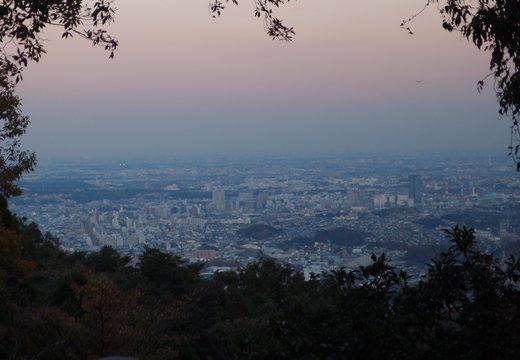
Still inside Tokyo, about 50 minutes from Shinjuku on the Keio line to Takaosanguchi. A cable car or chairlift (¥490 each way) takes the sting out of the climb, or Trail 1 is a paved 90-minute walk to the 599-metre summit. On clear winter days Fuji sits on the western horizon.
Tokyo residents treat it as a reset button rather than a destination. It’s the countryside, and you can still be done by lunch if you want to be. Go up Trail 6, the shaded stream trail past the small Biwa Falls, and come down Trail 1 through Yakuoin temple, where tengu statues guard the steps.
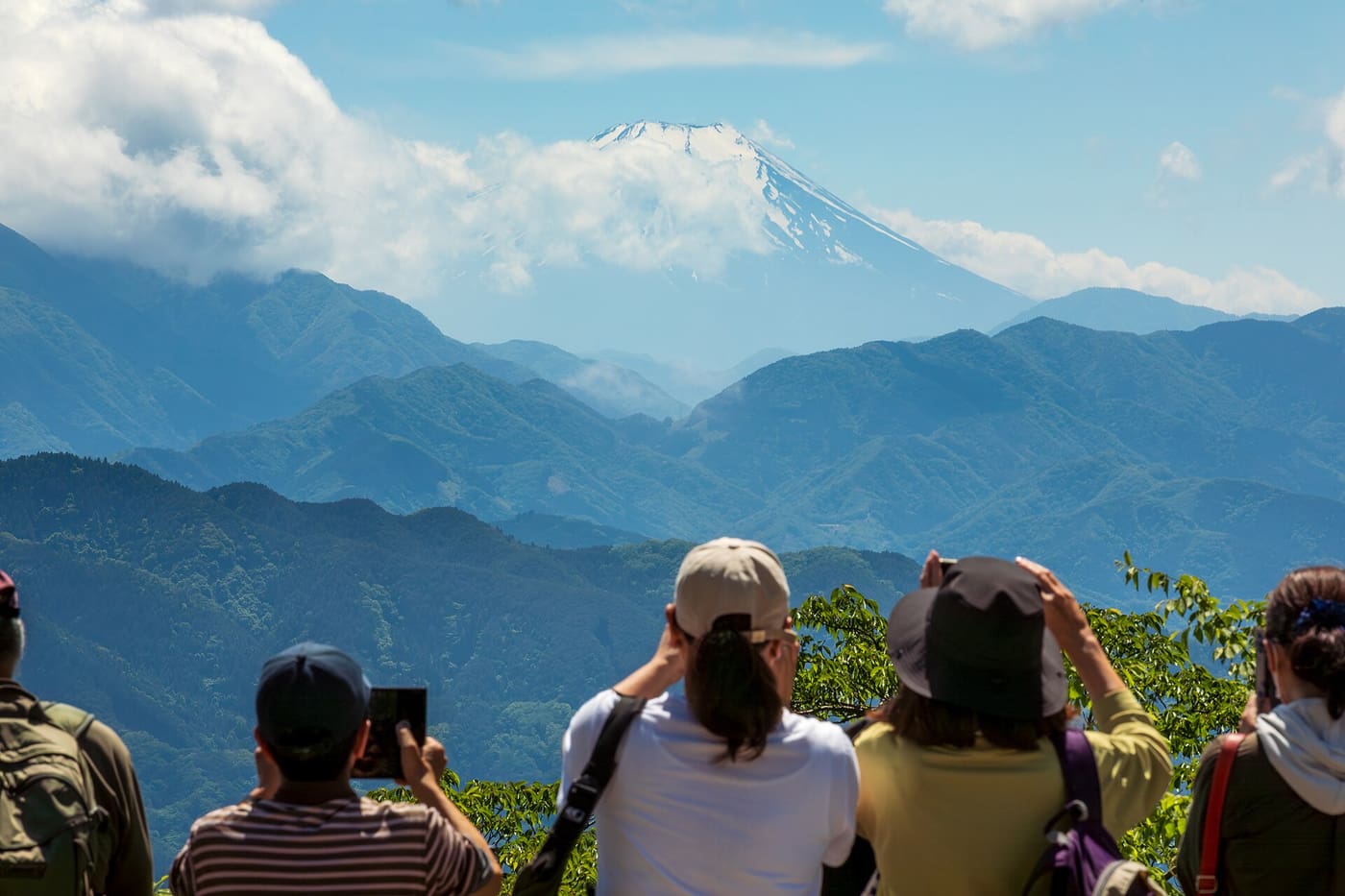
Best for a free morning, hikers, anyone whose afternoon plans rule out a bigger trip. You can be back in Shinjuku for a late lunch.
The full Mount Takao guide has the trail options, the cable car and the beer garden.
Kawagoe: Little Edo, minimum effort
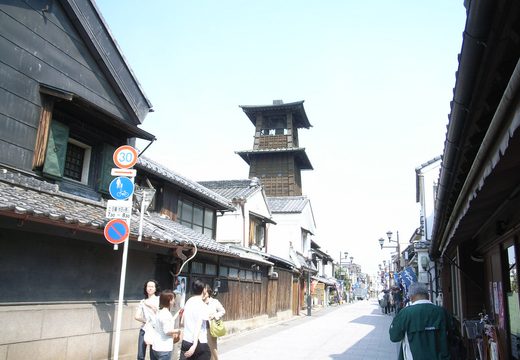
About 30 minutes from Ikebukuro by express on the Tobu Tojo line, which makes it less a day trip than a long lunch. A main street of clay-walled merchant warehouses, a candy alley of old-fashioned sweet shops, a temple with rooms moved from Edo Castle, and sweet potato in every form, including a sweet potato beer.
The warehouse street (Kurazukuri, also called Ichibangai) is a 15 to 20 minute walk north of Kawagoe station, or about ten minutes from Hon-Kawagoe on the Seibu line. An IC card covers the journey. Tobu’s KAWAGOE DISCOUNT PASS Premium (¥1,200) bundles the return trip from Ikebukuro with a day of local Tobu buses, the Koedo Loop Bus among them, which saves you the walk from the station.
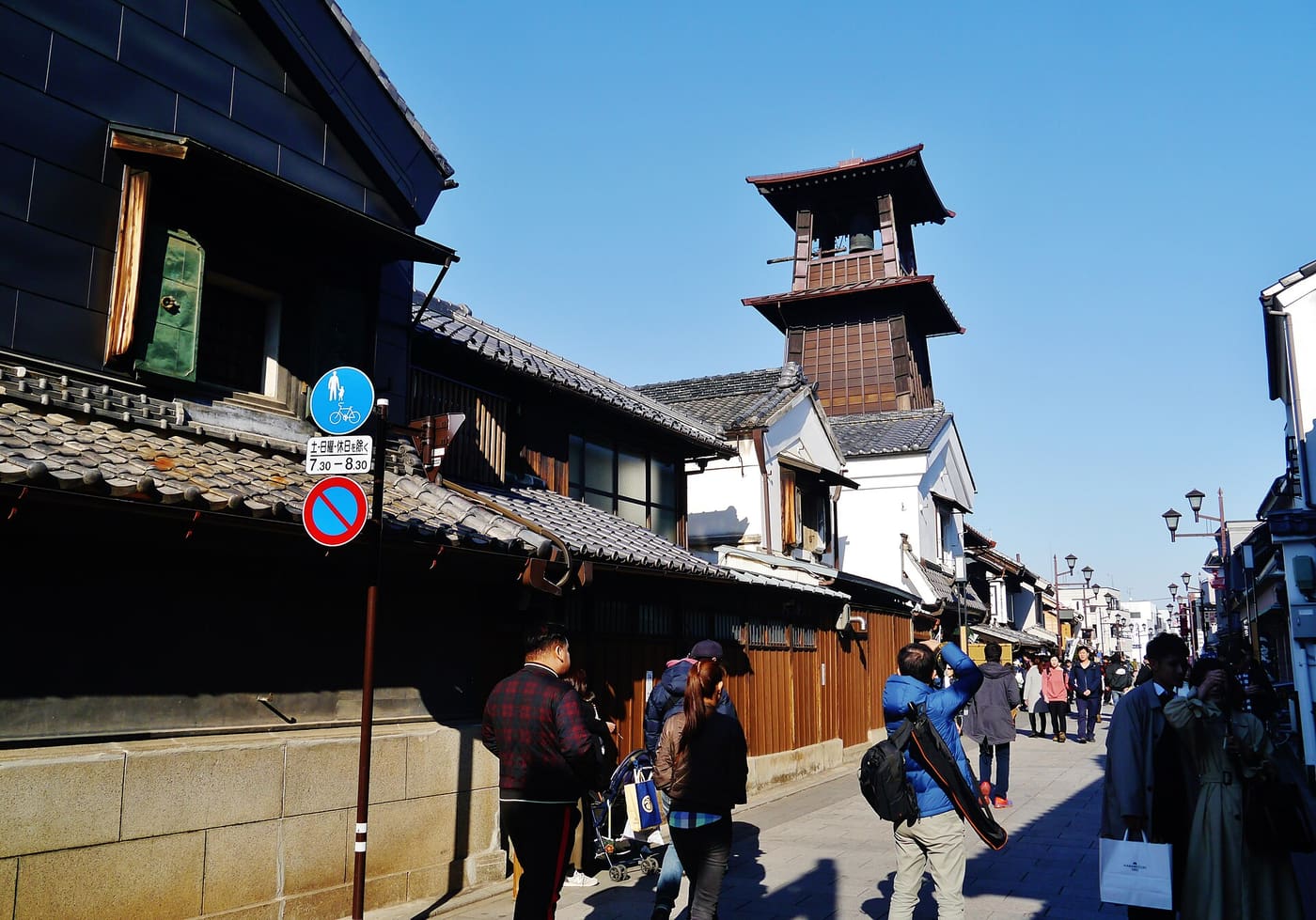
Timing matters. The main street is calm on weekday mornings and packed on weekend afternoons, and the historic district is compact enough to cover in half a day.
Best for rainy-ish days, half days, old-Japan streets without the two-hour train ride.
The full Kawagoe day trip guide covers the warehouse street, the candy alley and the bell tower.
Yokohama: the underrated one
Yokohama is close enough to get underestimated: roughly 30 minutes from Shibuya on the Tokyu Toyoko line or from Shinjuku on the JR Shonan-Shinjuku line. It doesn’t deserve to be an afterthought.
Yokohama is Japan’s second-largest city and opened as an international port in 1859, which gives it a different feel from Tokyo: wider boulevards, Western-style buildings and a waterfront that feels like its own place rather than a suburb.
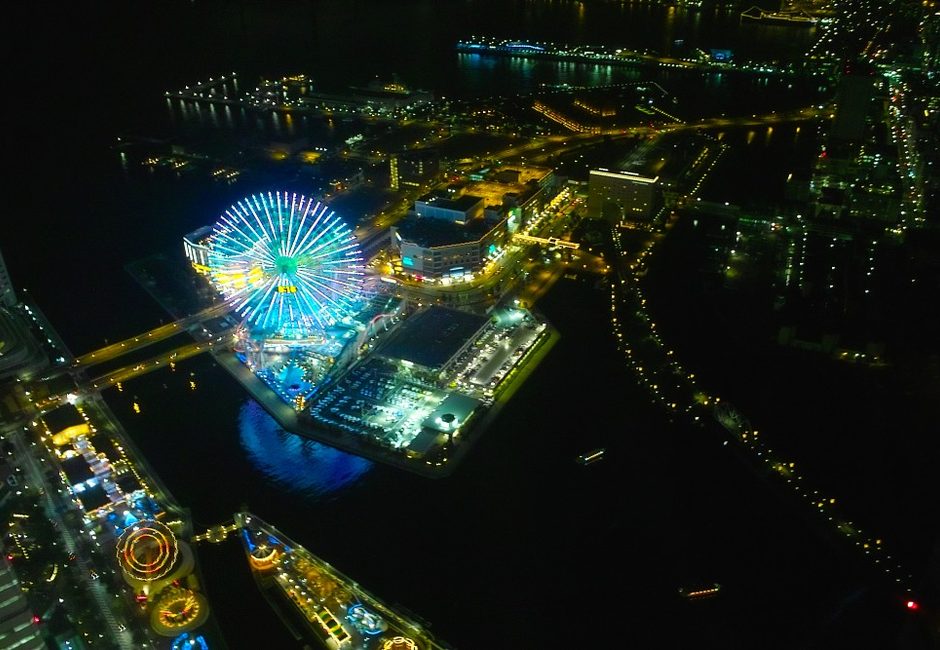
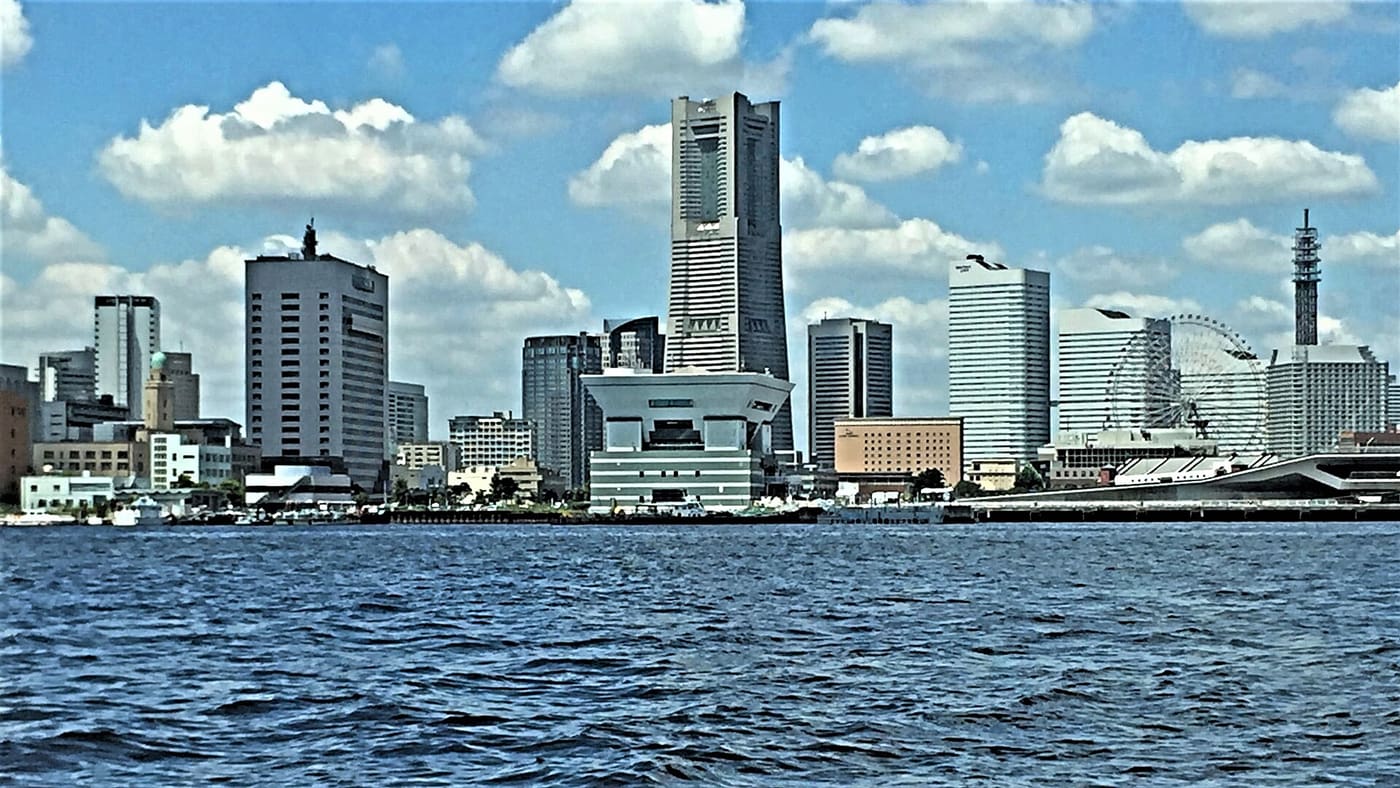
Yokohama Chinatown is the largest in Japan, and street-counter dumplings and buns make an easy, cheap lunch. Walk from there to the waterfront. Minato Mirai has the Landmark Tower observation deck, the Red Brick Warehouse with its food stalls and weekend markets, and a long harbour promenade.
For somewhere calmer, Sankeien Garden in the south of the city sets relocated historic buildings from across Japan around a pond and a wooded hill. It’s far calmer than the waterfront and worth two hours in spring or autumn.
The Toyoko line runs through onto the Minatomirai line, so trains from Shibuya reach Chinatown (Motomachi-Chukagai) with no change. IC card throughout, no pass needed.
Best for people who want a city rather than nature, groups that want to eat well without a long train ride, a second visit once Tokyo’s main sights are covered.
Enoshima: the beach escape
About an hour from Shinjuku on the Odakyu line to Katase-Enoshima (the Romancecar is a little faster), then a ten-minute walk across the bridge to the island.
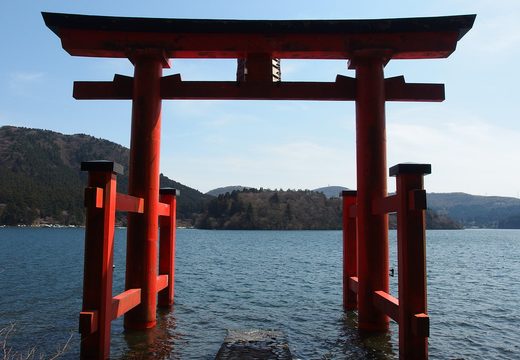
Enoshima is a small, steep island with a shrine complex climbing the hill through a series of torii, the Iwaya sea caves at the far end and views across Sagami Bay. You’ll want two to three hours to explore it properly.
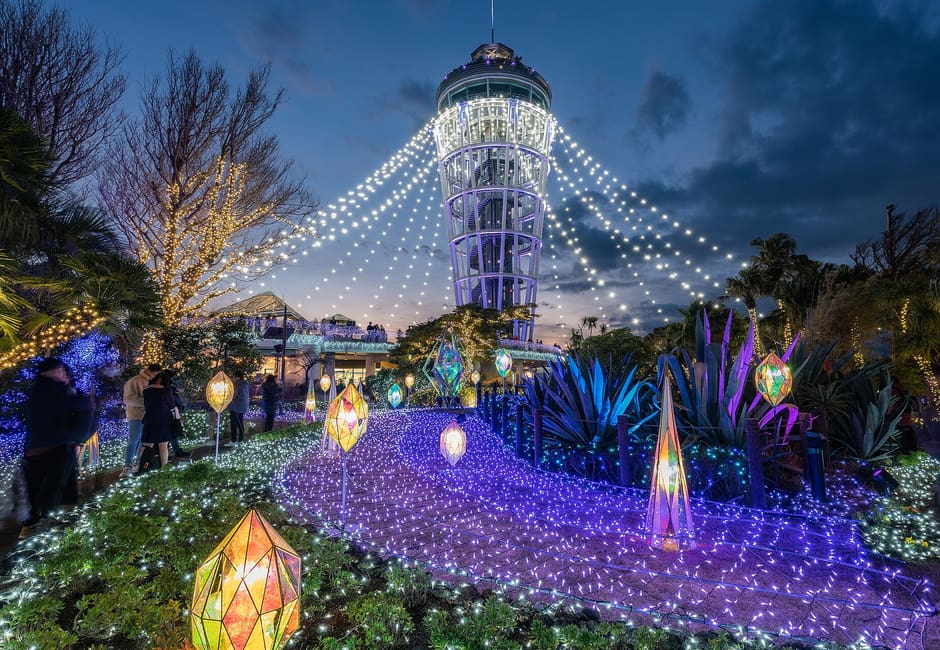
The food runs on shirasu and seafood. The approach street to the shrine is lined with shirasu bowls, grilled squid and tako senbei, a whole small octopus pressed flat into a cracker.
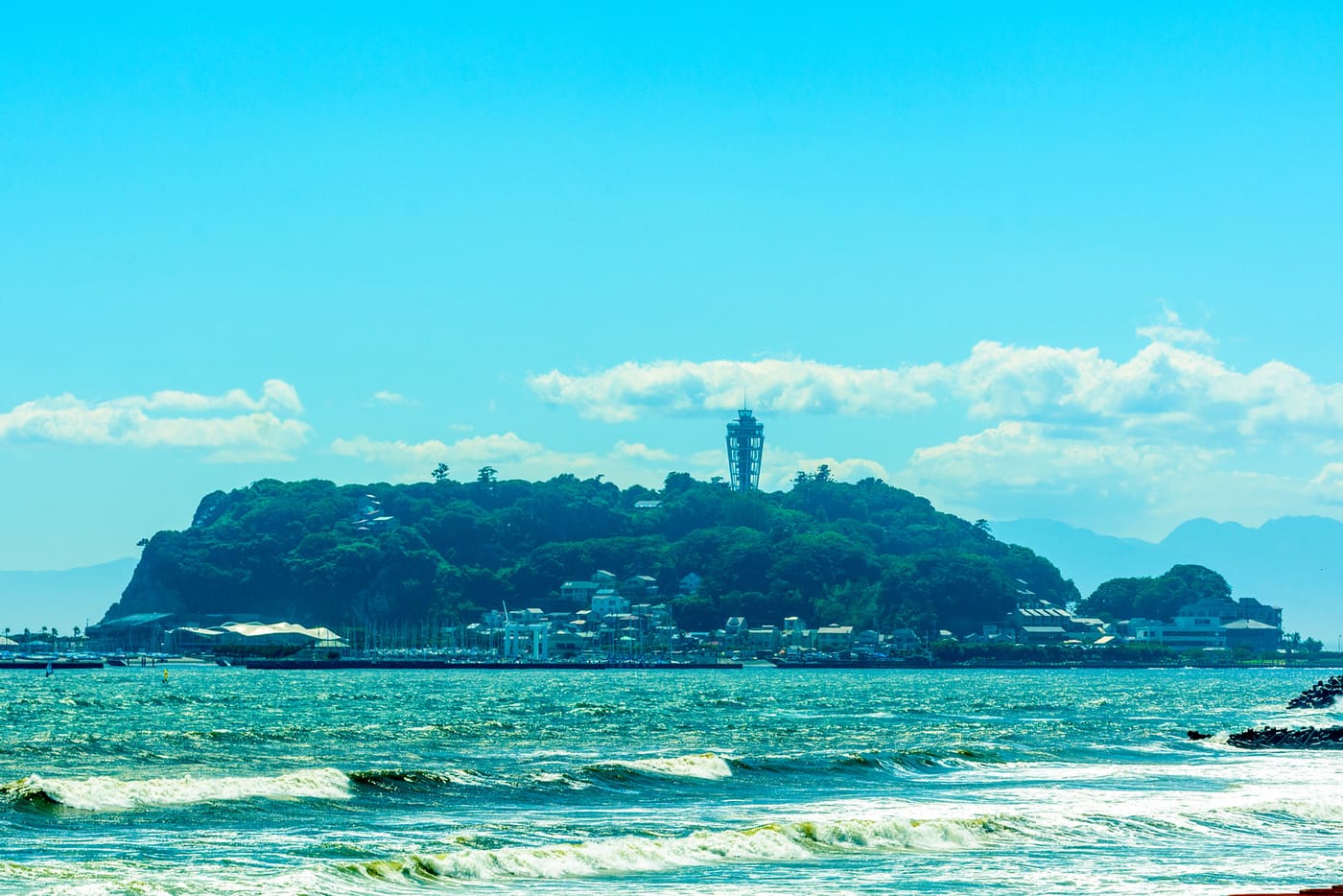
Enoshima pairs naturally with Kamakura. The Enoden tram links Kamakura and Fujisawa, with Enoshima station about 15 minutes from Hase. A common route is JR to Kamakura in the morning, the Enoden to Enoshima in the afternoon, and the Odakyu line from Katase-Enoshima back to Shinjuku in the evening.
Best for coastal Japan, pairing with Kamakura, anyone who wants to see the sea.
Practical notes for all day trips
An IC card handles almost everything. The Kamakura JR leg, the Keio line to Takao, the Tobu line to Kawagoe, the Tokyu line to Yokohama and the Enoden all take IC cards. The Hakone Free Pass and the NIKKO PASS are separate purchases. For a Kamakura and Enoshima day starting from Shinjuku, Odakyu’s Enoshima-Kamakura Freepass (¥1,640) covers the Odakyu return plus unlimited Enoden rides.
Leaving early beats everything. The first hour at Toshogu, the Kamakura Buddha and Owakudani is calmer and the queues are shorter. Jet lag helps. If your body wakes you at 5:30am, use it.
What to bring. An IC card, a power bank (navigating on a phone all day drains the battery), comfortable shoes, a light rain layer, and cash for food stalls and the smaller temples.
Weekdays are better. Kamakura on a Saturday in cherry blossom season isn’t much fun. The same walk on a Tuesday in October is one of the best days you’ll have in Japan.
Frequently asked questions
What are the most popular day trips from Tokyo?
Kamakura, Nikko, Hakone, Mount Takao, Kawagoe, Yokohama and Enoshima. Kamakura is the usual first pick for variety, Nikko is the one for autumn, Hakone is for mountains and an onsen, and Mount Takao and Kawagoe fit into half a day.
What are the best day trips from Tokyo by train?
All seven on this list are direct trains from a central station. Kawagoe is about 30 minutes from Ikebukuro, Yokohama about 25 minutes from Shibuya, Mount Takao about 50 minutes from Shinjuku, Kamakura about an hour from Tokyo Station, Enoshima about an hour from Shinjuku, Hakone about 80 minutes from Shinjuku on the Romancecar, and Nikko about 1 hour 50 minutes from Asakusa. Kamakura is the best first pick, and Nikko is the one for October and November.
How much are train tickets for day trips from Tokyo?
Return fares for one adult, checked in October 2026: Yokohama is ¥620 from Shibuya, Kawagoe ¥1,200 from Ikebukuro with Tobu’s KAWAGOE DISCOUNT PASS Premium (local buses included), Enoshima ¥1,300 from Shinjuku on the Odakyu, Mount Takao ¥1,450 from Shinjuku with Keio’s Mt. Takao Discount Ticket (cable car included), Kamakura and Enoshima together ¥1,640 with the Enoshima-Kamakura Freepass, Nikko ¥3,000 with Tobu’s NIKKO PASS plus a limited express ticket each way, and Hakone ¥7,100 with the 2-day Hakone Freepass, plus ¥1,200 each way if you take the Romancecar.
What’s the best day trip from Tokyo for a group?
Yokohama or Mount Takao. Yokohama is about 25 minutes from Shibuya for ¥620 return each, there are no seats to book, and Chinatown’s street-counter dumplings make an easy, cheap lunch. Mount Takao is ¥1,450 each from Shinjuku with the cable car included. Hakone and Nikko work too, but every seat on the fast trains (the Romancecar and Tobu’s limited expresses) is reserved, so book the group’s seats together before the day.
Which day trip from Tokyo is best for a first-time visitor?
Kamakura. It has the most variety in the smallest area, combines temples and coast, is easy to get around and doesn’t need a pass. If you’re travelling in autumn, Nikko is the stronger choice.
Can I do two day trips in one day?
Kamakura and Enoshima combine well into one long day via the Enoden tram. Any other pairing on this list means rushing both and coming home with two shallow days instead of one good one.
Is Hakone worth it on a cloudy day?
Partly. The mountain railway, Owakudani and the onsen work in any weather, but the lake loses most of its appeal when the far shore disappears into cloud. If Fuji’s the reason you want to go, check the forecast the night before, and on an overcast day spend it in Yanaka instead.
Places in this guide
Photos show the actual places, licensed under Creative Commons and credited to their photographers.
Find hotels in Tokyo
Browse live availability and compare prices for your dates.
See hotels near Tokyo on Booking.comPrices are for the night of Saturday 24 October. You can change the dates on Booking.com. If you book, Roam Tokyo earns a small commission from Stay22 at no extra cost to you.