Nikko Day Trip from Tokyo: Toshogu, the Falls, and How to Time It
How to do Nikko in a day from Tokyo: Tobu from Asakusa versus JR, Toshogu before the tour buses, yuba for lunch, and whether Kegon Falls fits the same day.
Places checked against official pages by Roam Tokyo, October 2026 How it's made
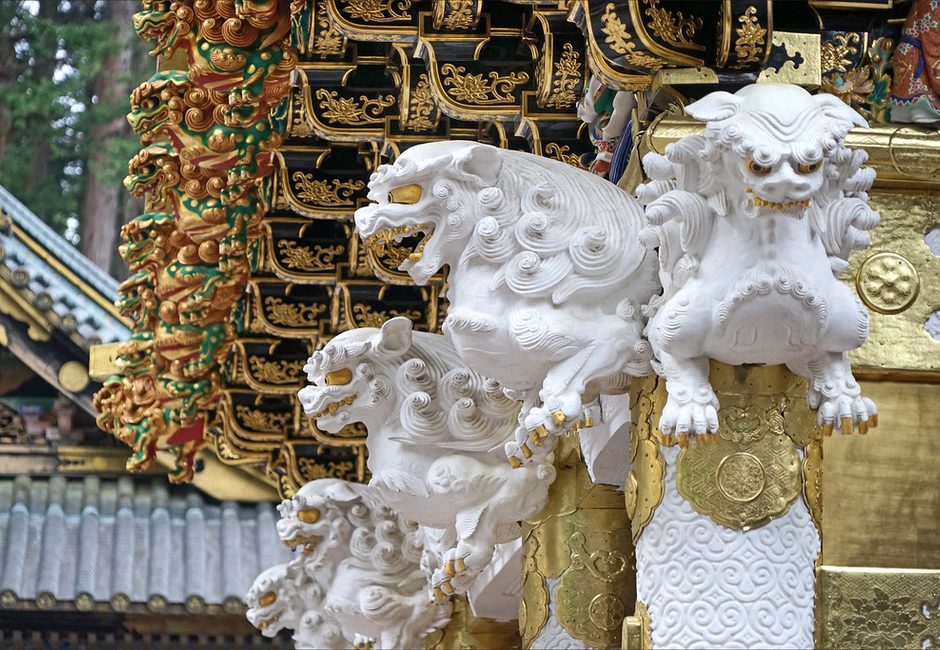
Nikko is the most spectacular thing within reach of Tokyo, and the most demanding. Two hours north, in a cedar forest on the edge of the mountains, is the mausoleum complex the Tokugawa shoguns built for their founder, a riot of gold leaf, lacquer and carved animals that has nothing in common with the restrained temples most visitors expect from Japan. Behind it the road climbs through 48 hairpin bends to a volcanic lake and a 97-metre waterfall. The whole area is a UNESCO World Heritage Site, and in late October and early November it holds the best autumn colour anywhere near the capital. The catch is distance. This is the longest day trip on the Tokyo day trips list, and doing it well means an early train and a firm decision about how much to attempt. It suits you if you care about architecture and history, if you’re visiting in autumn, or if a 6:30am alarm doesn’t put you off. It doesn’t suit a trip of under five days, where a day of Tokyo itself is worth more.
Nikko is pinned on the Tokyo travel map, and the Nikko place page has the practical fields at a glance.
Getting there from Tokyo
Two railways run to Nikko, and they arrive at stations a few minutes’ walk apart. Which one you take comes down to whether you’ve got a JR Pass.
Tobu from Asakusa (the default). Tobu Railway’s limited expresses leave from Tobu Asakusa station, a separate building from the metro stops, next to the river at the top of Kaminarimon-dori. The newest trains, branded Spacia X, and the older Spacia and Revaty services take about 1 hour 50 minutes to Tobu-Nikko. All seats are reserved, and the fare works out at roughly ¥3,000 one way including the limited express surcharge, slightly more on Spacia X. The cheaper option is a regular Tobu train with a change at Minami-Kurihashi, which takes closer to 2 hours 20 minutes for around ¥1,400 and needs no surcharge and no reservation. A handful of limited expresses also start from Shinjuku, running over JR tracks onto the Tobu line, and take about two hours for roughly ¥4,000. They’re useful if you’re staying on the west side, but they only run a few times a day.
Tobu’s Nikko passes. Tobu sells two passes to overseas visitors (passport required) at its tourist information centre in Asakusa station. Both were repriced in April 2025. The NIKKO PASS World Heritage Area (two days, ¥3,000) covers the regular train fare from Asakusa and back plus the buses around the shrine area, and it’s roughly break-even against two regular singles once you ride the buses. The NIKKO PASS All Area (four days, ¥8,000) adds the buses up to Lake Chuzenji and Yumoto Onsen plus the Kinugawa area, and it only pays off if you’re there for several days. Neither pass includes the limited express surcharge, which you pay separately each way, or any shrine or temple entry. For a single day that includes the falls, the World Heritage pass plus a separate bus fare to Chuzenji (over ¥1,000 each way, IC cards accepted) is the cheaper combination.
JR via the shinkansen. The Tohoku Shinkansen runs from Tokyo and Ueno to Utsunomiya in about 50 minutes, where the JR Nikko line takes a further 45 minutes or so to JR Nikko station. Door to door it’s similar to Tobu, but the fare is well over ¥5,000 each way without a pass. With a JR Pass it becomes the free option and the obvious one. Without, take Tobu.
When to leave. Toshogu opens at 9am and the calmest hour is the first. The tour buses don’t start unloading until around 10am. The limited expresses that leave Asakusa between 6:30 and 7:30am put you at Tobu-Nikko between roughly 8:20 and 9:20, and at the shrine gate within half an hour of that. Later trains still work, but every 30 minutes later on the train is 30 minutes more company at the Yomeimon gate. Book your seat a day or two ahead. Morning trains fill on weekends and throughout autumn.
The route
Nikko has two halves, the shrine district on the edge of town and Oku-Nikko up the mountain around Lake Chuzenji. A day covers one properly or both in a hurry. The sequence below does the shrines fully and treats the lake as a conditional extra.
9:30am, up to Shinkyo bridge. Tobu-Nikko station sits at the bottom of the town, and the shrines are two kilometres uphill. Take the bus (about ten minutes, frequent, covered by the World Heritage pass) to the Shinkyo stop rather than walking up, and save the walk for the way down. Shinkyo is the vermilion sacred bridge arching over the Daiya river at the entrance to the shrine precincts, and the photograph everyone takes is from the road bridge beside it, which is free. You can pay to walk across it (a few hundred yen), but you’ll get the same view from a slightly different angle.
9:45am, Rinnoji. Cross the road and climb into the forest. Rinnoji is the temple that historically managed the whole mountain, and its Sanbutsudo hall holds three gilded wooden Buddhas about eight metres tall, standing side by side in the gloom (entry a few hundred yen). Twenty to thirty minutes. In autumn, pay the small extra fee for the Shoyoen garden beside it. Otherwise you can skip it.
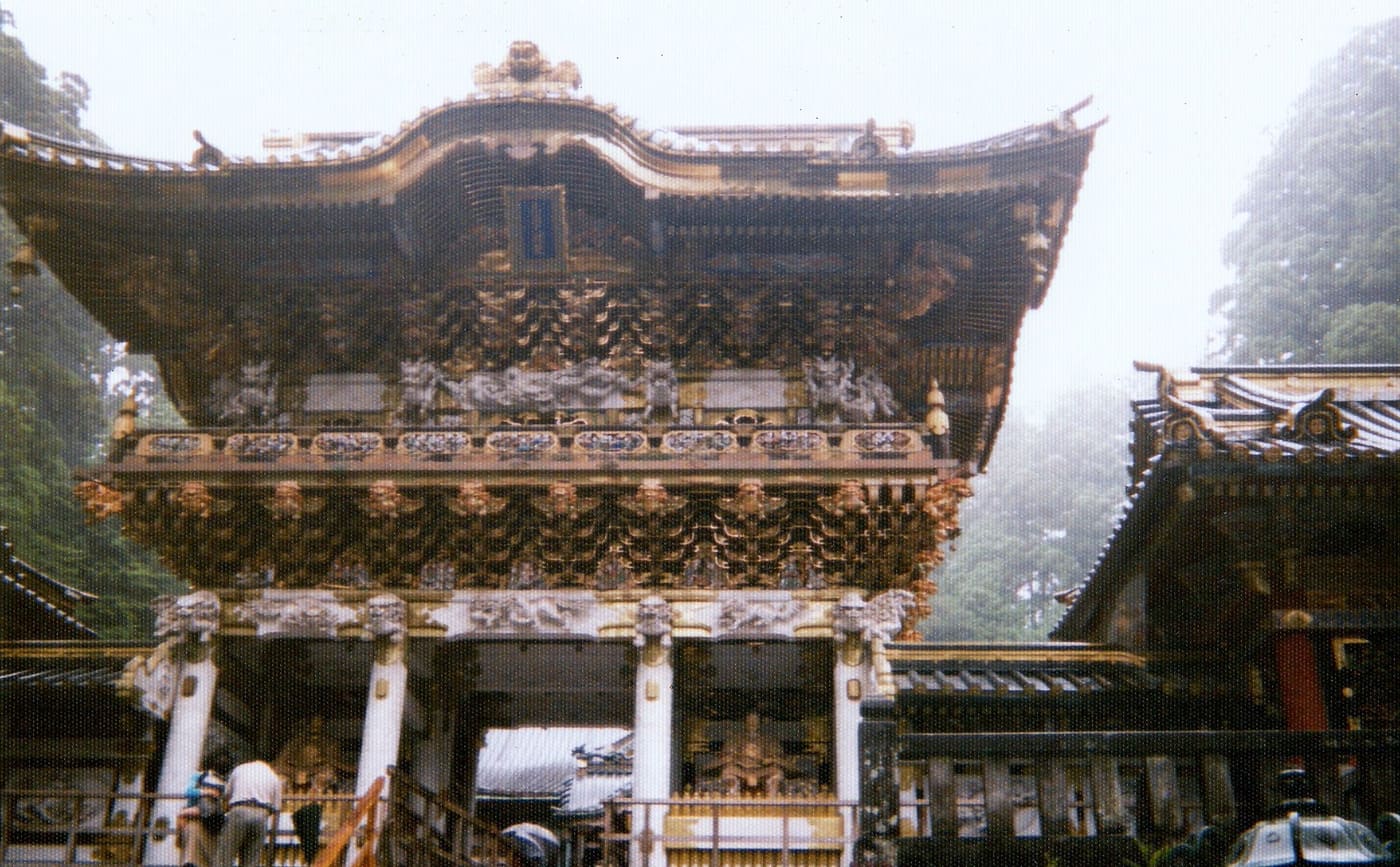
10:15am, Toshogu. This is the main event, and it’s where the time goes. Toshogu is the mausoleum of Tokugawa Ieyasu, founder of the shogunate that ruled Japan for two and a half centuries, built in 1617 and rebuilt in its present extravagant form by his grandson in 1636. Entry is ¥1,600. Walk it in order. The five-storey pagoda outside the gate, the sacred stable with the original three wise monkeys carved on its panels, the storehouses with their elephants carved by an artist who had never seen one, then the Yomeimon gate, which carries over 500 carvings and was deliberately built with one pillar upside down so that the building wouldn’t be perfect and so invite decline. Beyond it, take your shoes off for the main hall, find the small sleeping cat carving over the passage to the right, and climb the 207 stone steps through the cedars to Ieyasu’s surprisingly plain bronze tomb. On the way back, join the queue for the Honjido hall, where a priest claps two blocks of wood beneath the dragon painted on the ceiling to show you the echo. You’ll need ninety minutes to two hours in total, more if the crowds are heavy.
12:15pm, lunch. The restaurants along the road between Toshogu and Shinkyo, and further down the main street, do yuba set lunches. See below.
1:15pm, the decision. Two afternoons are possible from here, and you’re better off choosing one than squeezing in both.
The shrine-district afternoon. Walk five minutes to Futarasan shrine, the older and quieter neighbour dedicated to the mountain gods, then to Taiyuin, the mausoleum of the third shogun Iemitsu (around ¥550). Taiyuin was deliberately built to be less grand than his grandfather’s, and it’s more beautiful for it, with far fewer people. From there a 25-minute walk along the river leads to Kanmangafuchi Abyss, a gorge lined with about 70 moss-covered stone Jizo statues, which visitors famously can’t count the same way twice. Walk back down through town to the station, and there’s time for a coffee before a 4:30pm or 5pm train.
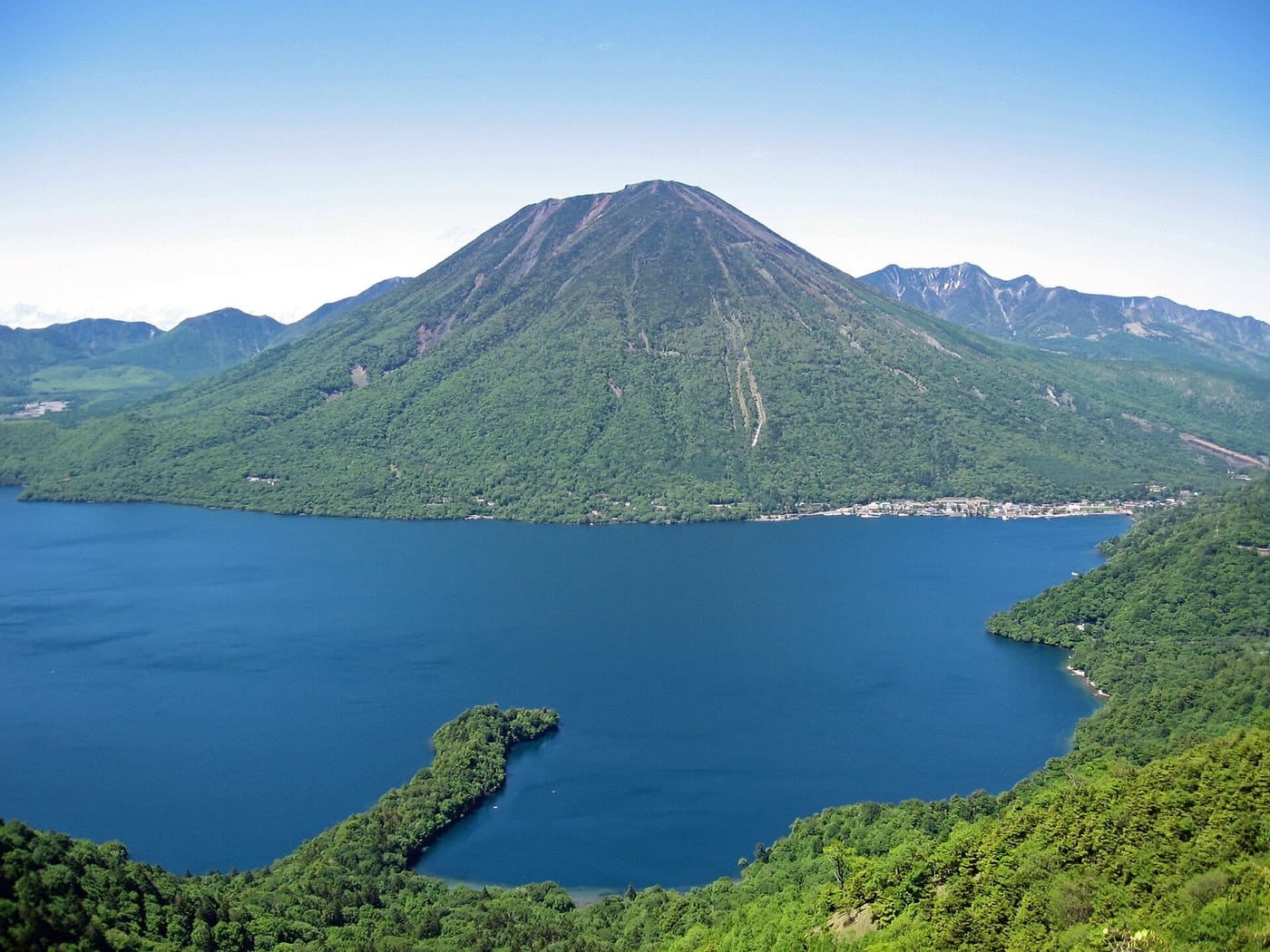
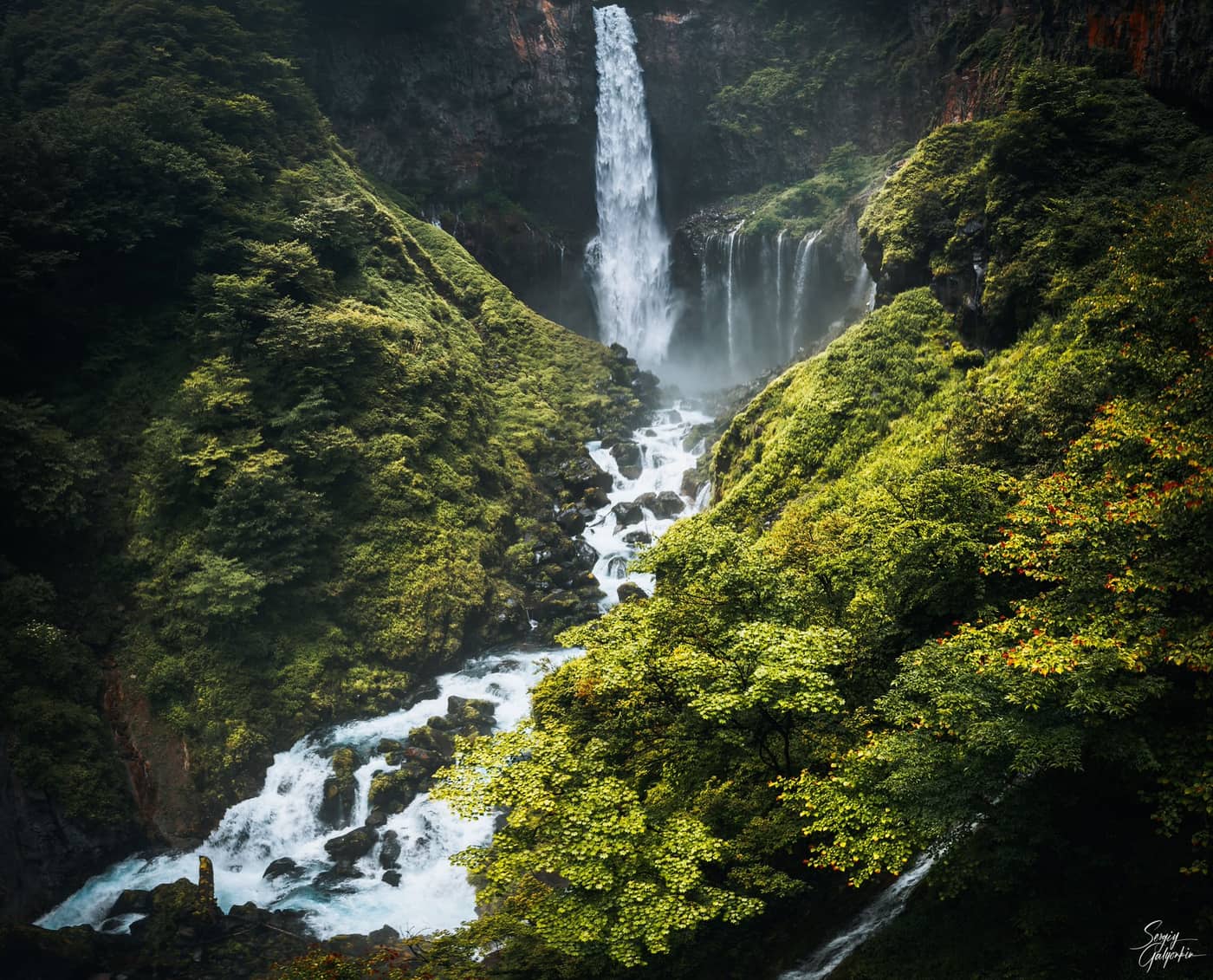
The Lake Chuzenji afternoon. Take the bus from the Shinkyo stop up the Irohazaka road, whose 48 bends each carry a syllable of the old Japanese alphabet, to Chuzenji Onsen (about 40 to 50 minutes in normal traffic). Kegon Falls is a five-minute walk from the bus terminal. A free platform looks at it from the top. An elevator (around ¥600) drops 100 metres to a viewing deck at the base, where the full 97-metre plunge and its spray are right in front of you, and that’s the one to pay for. Twenty minutes at the lakeshore afterwards, then the bus back down. To make this work you need to have left Asakusa by 7am, be walking out of Toshogu by noon, and be on a bus down from Chuzenji by 4pm at the latest.
5pm, home. Limited expresses run back to Asakusa into the evening, arriving in Tokyo around 7 to 8pm. Book the return seat when you book the outbound.
What to eat
Nikko’s speciality is yuba, the skin that forms on top of heated soy milk, lifted off in sheets. Kyoto has it too, but Nikko rolls its yuba thick and layered, which gives it more bite and lets it soak up broth. It arrives as part of a set lunch, and you’ll get it in a dozen forms. Raw and folded with a dab of wasabi and soy, simmered in dashi, deep-fried, rolled into a spiral and sliced like a terrine, or floating in a bowl of soba. It was monastery food for centuries, and the restaurants closest to the shrines have been serving it to pilgrims for generations. A yuba lunch set runs roughly ¥1,500 to ¥2,500.
For snacks, the main street sells yuba manju (a bun with the yuba folded into the pastry) and hot age-yuba manju, fried and salted, from a stand near the station that’s usually got a small queue. Nikko’s older sweet is yokan, the dense red bean jelly, sold from shops that have made it the same way since the Edo period. The Nikko Kanaya Hotel, whose history as a Western-style inn goes back to 1873, sits above the river, and its restaurant and bakery are the place to go if you’d rather have Western food after the shrines. Tochigi prefecture is also Japan’s biggest strawberry producer, and from winter through spring the fruit shows up everywhere.
What to skip
The theme parks. Edo Wonderland and Tobu World Square are on the Kinugawa branch of the Tobu line, not in Nikko itself, and both are heavily promoted at Asakusa. They’re a different day out entirely. Don’t let them into a Toshogu day.
The timing trap is Irohazaka in peak autumn. The bends up to Lake Chuzenji are the region’s most photographed foliage view, and on weekends from mid-October to early November the road jams solid. A 45-minute bus ride can take two hours or more each way, and there’s no alternative route. If your trip falls on an autumn weekend, either stay in the shrine district (which is also beautiful in autumn, a week or two later than the lake) or accept the lake as a full day of its own. Golden Week in early May has the same problem.
Should you stay overnight?
For the shrines, a day is enough, and a well-planned one covers Toshogu, Rinnoji, Taiyuin and a yuba lunch without rushing. There’s only a case for a night if Oku-Nikko is the goal. A night at a Chuzenji or Yumoto Onsen inn puts the lake, the falls and the Senjogahara marsh boardwalks on your doorstep at dawn, and it dissolves the autumn traffic problem completely because you’re already up the mountain. Otherwise, take the evening train back and let Tokyo have the night. If a hot spring inn is what you’re after, Hakone is the better place for it, and the ryokan guide explains how to choose one.
Frequently Asked Questions
Is Nikko worth a day trip from Tokyo?
Yes, if your trip is five days or longer and you have a real interest in the shrines. Toshogu is unlike anything in Tokyo or Kyoto, the cedar forest setting is remarkable, and in autumn the region is the best foliage within reach of the city. It’s a long day with two hours of travel each way, and on a short visit a day of Tokyo would serve you better. For a first-time day trip with less commitment, Kamakura is easier and closer.
How long does it take to get from Tokyo to Nikko?
It’s about two hours by the fastest routes. Tobu’s limited expresses from Asakusa take around 1 hour 50 minutes to Tobu-Nikko, regular Tobu trains with a change take closer to 2 hours 20 minutes, and the JR route via the Tohoku Shinkansen to Utsunomiya and the Nikko line takes roughly the same as Tobu’s express. Add another 10 to 30 minutes to reach the shrines from the station by bus or on foot.
Should you take Tobu or JR to Nikko?
Tobu from Asakusa, unless you hold a JR Pass. Tobu is cheaper, its trains go direct, and its passes bundle the local buses. The JR route costs well over ¥5,000 each way without a pass for the same journey time, but with a JR Pass it’s included and becomes the natural choice, especially from Tokyo Station or Ueno.
Can you see Toshogu and Kegon Falls in one day?
Yes, with an early start and normal traffic. Leave Asakusa by 7am, be at Toshogu when it opens at 9am, walk out by noon, and take the bus up to Chuzenji straight after lunch. Kegon Falls is five minutes from the bus terminal. Don’t try it on autumn weekends and Golden Week, when the Irohazaka road jams and the round trip can eat the whole afternoon.
Places in this guide
Photos show the actual places, licensed under Creative Commons and credited to their photographers.
Find hotels in Tokyo
Browse live availability and compare prices for your dates.
See hotels near Tokyo on Booking.comPrices are for the night of Saturday 24 October. You can change the dates on Booking.com. If you book, Roam Tokyo earns a small commission from Stay22 at no extra cost to you.