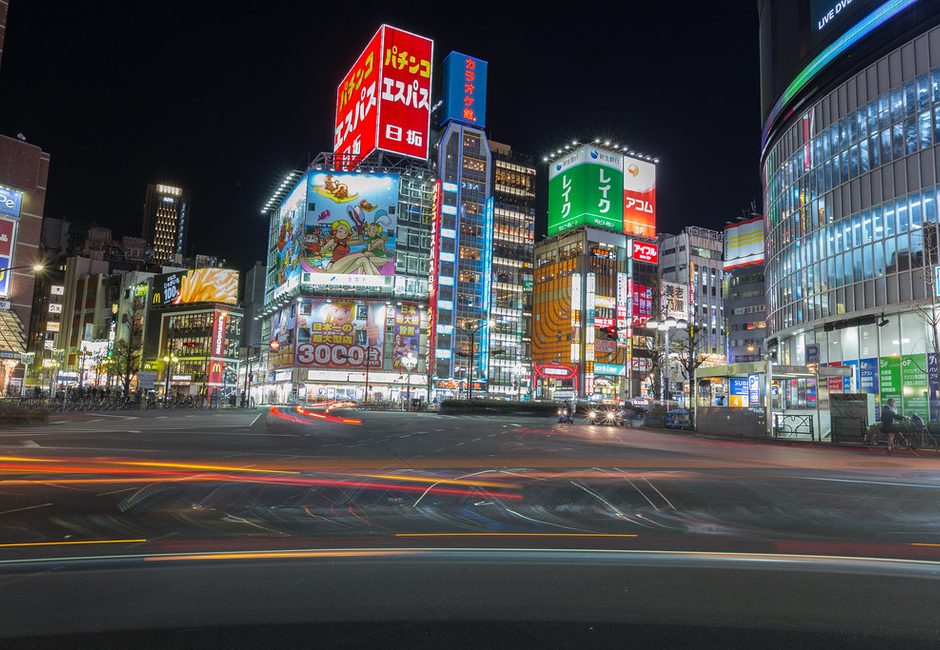
Shinjuku vs Shibuya: Which to Stay In? Verdicts by Trip Type
Shinjuku for a first trip, day trips, bars or a tight budget. Shibuya for food, shopping, nights out and Harajuku. Six verdicts and this week's hotel medians.
Aussi en français : lire ce guide en français
The short answer. Stay in Shinjuku for a first trip, for day trips to Hakone, Kamakura or Mount Takao, for bars, or when the budget’s tight. Pick Shibuya if you’re here for food, shopping and nights out, or if your days are in Harajuku, Daikanyama and Nakameguro.
| Shinjuku | Shibuya | |
|---|---|---|
| Hotels (price index, 20 October 2026) | Median US$213 a night, 48 listings, the bigger supply | Median US$272 a night, 50 listings, dearest by the crossing |
| Nightlife | Golden Gai, Kabukicho, Omoide Yokocho, open very late | Nonbei Yokocho, clubs, basement bars, a younger crowd |
| Airport trains | Narita Express direct from Narita. Haneda by Keikyu to Shinagawa, then the Yamanote | Narita Express direct from Narita. Haneda the same way, via Shinagawa |
| Day-trip lines | Odakyu to Hakone and Enoshima, Keio to Mount Takao, JR Shonan-Shinjuku to Kamakura | Tokyu Toyoko to Yokohama, JR Shonan-Shinjuku to Kamakura |
| City trains | JR, Odakyu, Keio and three subway lines | Yamanote, Ginza Line, Tokyu lines |
| Food | Everything, at every price, at every hour, plus the Isetan food hall | Trend-led, strong mid-range, good izakaya alleys |
| Shopping | Department stores | Streetwear, record shops, MEGA Don Quijote, Harajuku on foot |
| Quiet streets | Loud and neon by the station. Book south towards Shinjuku Gyoen or west past the skyscrapers | Loud and dense by the station, a bit quieter earlier. Book uphill in Shoto or towards Sakuragaoka |
| Walk to | Shinjuku Gyoen, with Kagurazaka within reach | Harajuku, Daikanyama, Nakameguro |
| Best for | First trips, day trips, bars, tighter budgets | Food, shopping, nights out, days in Harajuku, Daikanyama and Nakameguro |
Shinjuku or Shibuya? Almost everyone asks before a first trip, and it’s hard to get wrong. They’re three stops apart on the Yamanote Line, about seven minutes, and each has a giant station, hotels everywhere you look, and more restaurants within ten minutes’ walk than most cities have in total. You won’t ruin a trip by picking the “wrong” one.
They’re not the same place, though. Shinjuku is bigger, has more train lines and is usually cheaper. The latest hotel index puts its median at US$213 a night, against US$272 in Shibuya. Shibuya is younger, trendier and sits next to the stylish south side of the city. Which one suits you depends on what you want your days to look like, and this page takes sides. Still weighing more than these two areas? The where to stay in Tokyo guide compares every major district.
What Shinjuku Offers
Shinjuku Station is the busiest railway interchange in the world. Whatever you’re planning, there’s a train to it from here. JR lines, the Odakyu and Keio private railways and three subway lines all meet at the station, so wherever your itinerary points, Shinjuku has a direct or one-change route. Hakone, Kamakura, Mount Takao and the Fuji area all leave from this station.
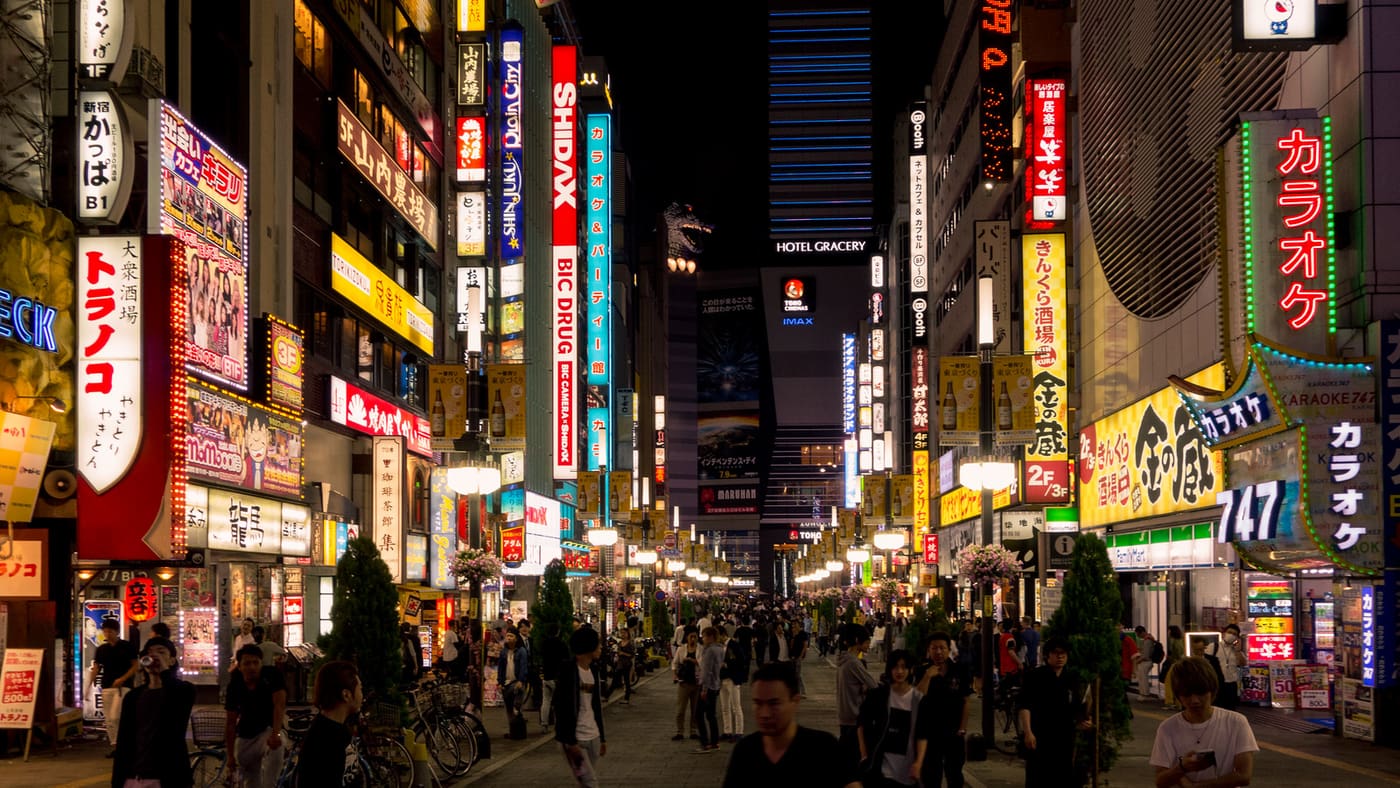
The neighbourhood splits into zones with completely different personalities. North-east of the station is Kabukicho, the neon entertainment district that stays awake later than anywhere else in Tokyo. Beside it is Golden Gai, a knot of alleys holding around two hundred bars, most seating fewer than a dozen people, and one of the most interesting places to drink in Japan. Against the tracks on the west side, Omoide Yokocho runs smoky yakitori under paper lanterns. And ten minutes south is Shinjuku Gyoen, probably the best large garden in the city and the thing that makes the rest of the neighbourhood bearable.
The underrated argument for Shinjuku is the west side. The Keio and Odakyu lines run straight into the creative neighbourhoods where Tokyo actually lives: Shimokitazawa is about eight minutes away on an Odakyu express, and the Chuo Line reaches Koenji and Kichijoji in under twenty. If vintage shops, live music and streets that feel local matter more to you than the headline sights, Shinjuku is the hinge that makes all of it easy. The full Shinjuku hotel guide breaks down which sub-areas to book, and the Shinjuku neighbourhood guide covers the places to find.
What Shibuya Offers
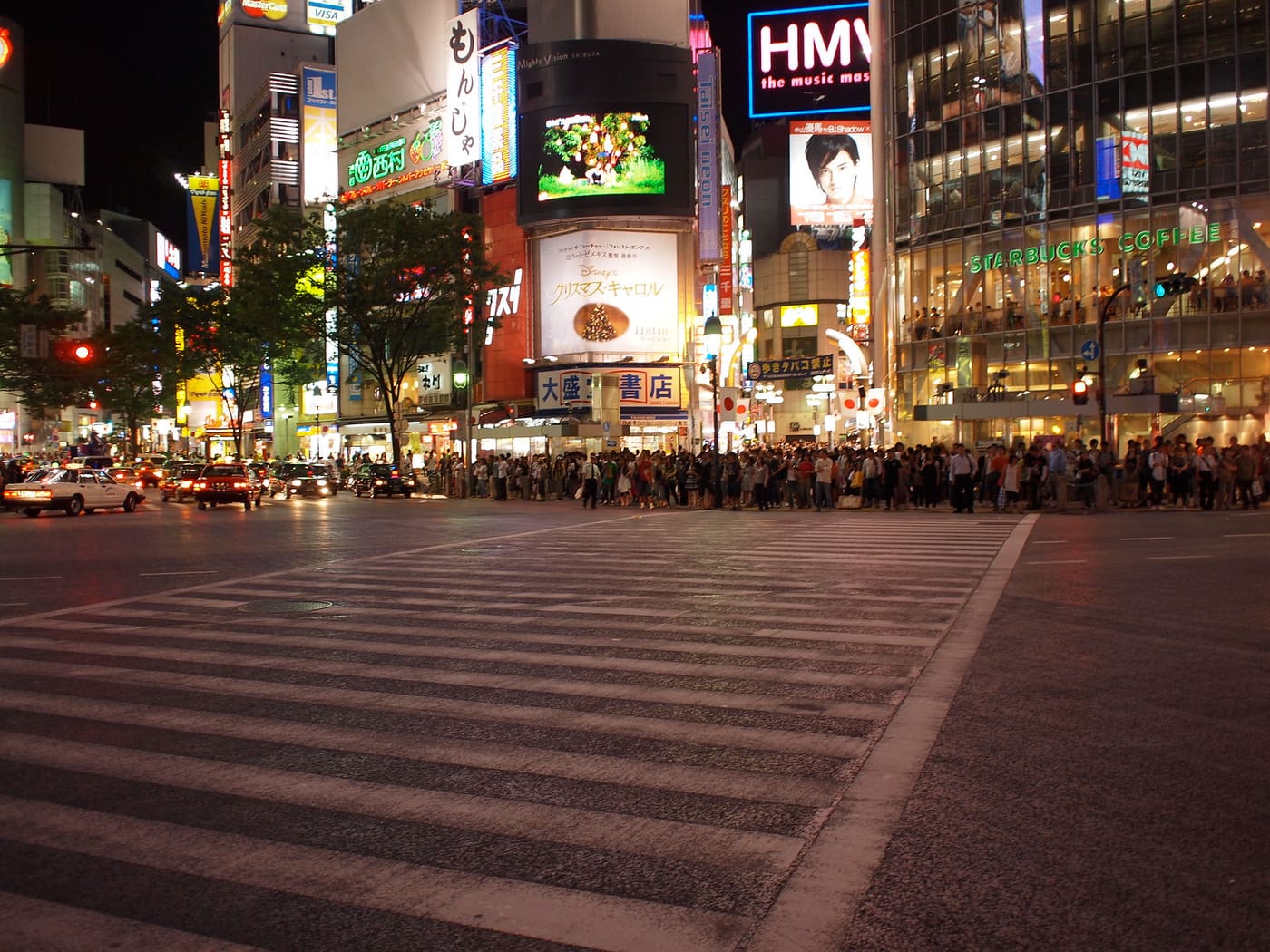
Shibuya is the Tokyo of the postcards, and staying here means living inside that image rather than commuting into it. The scramble crossing is below your hotel, the giant screens light your walk home, and the streets stay switched on well past midnight. The crowd is young: streetwear shops stacked six floors high, record stores, basement bars, and a restaurant scene that chases trends harder than anywhere else in the city.
Geography is Shibuya’s strongest card. Harajuku and Meiji Shrine are a fifteen-to-twenty-minute walk north. Daikanyama is about fifteen minutes on foot to the south-west and Nakameguro a little further, close enough to stroll to dinner along the Meguro River canal. No other major hub has neighbours this good on foot. On rails, the Ginza Line runs east through Omotesando and Ginza to Asakusa, and the Tokyu lines run south towards Yokohama, which makes Shibuya the better base if your trip includes the south side of the bay.
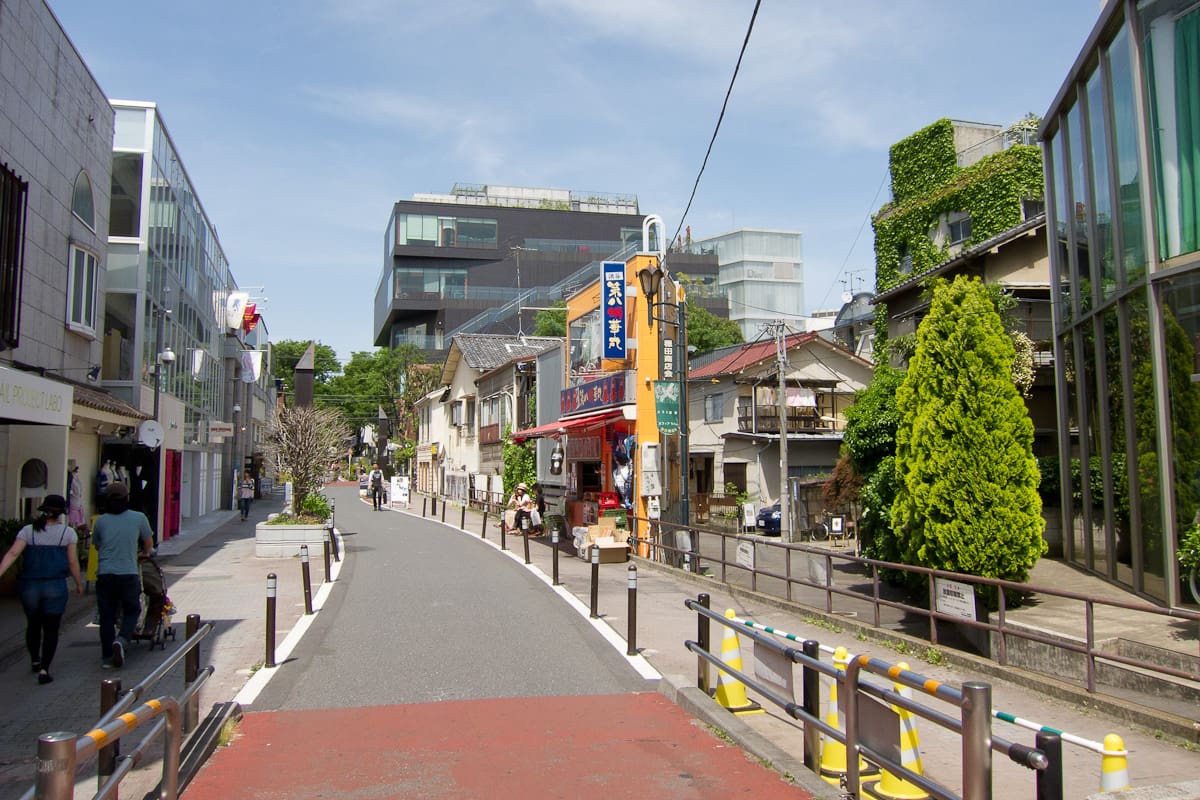
The catch is price and room size. Hotels near the crossing charge more than Shinjuku for often smaller rooms, and the premium is measurable: Shibuya’s median was US$272 a night against Shinjuku’s US$213 in the weekly hotel price index sampled on 20 October 2026. Walk ten minutes uphill towards Shoto or south towards Sakuragaoka and both the noise and the premium fade, and that’s where the smarter bookings are. The Shibuya hotel guide covers the full range by price tier, and the Shibuya neighbourhood guide has the backstreets that make the area more than one photo.
Where They Differ
Strip away the branding and three things matter.
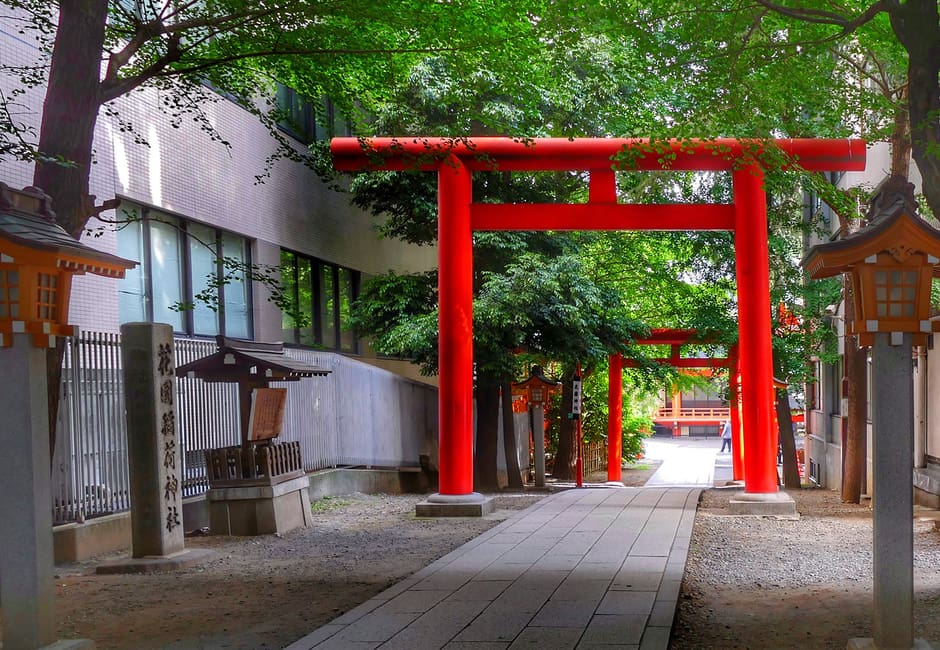
Shinjuku is bigger and better connected. More train lines, more hotels, more restaurants, more of everything, and the price competition that comes with that supply. For day trips out of Tokyo it isn’t close. Shinjuku wins outright. If logistics are your priority, you’ve already decided.
Shibuya feels younger and trendier. The crowd is in its twenties, the food scene moves faster, and the neighbourhoods you can walk to, Harajuku, Daikanyama, Nakameguro, are the most stylish stretch of the city.
Both are loud near the station. Don’t believe anyone who calls either one restful. Within five minutes of either station you’ll hear street noise, pachinko doors and crowds until late. The fix is the same in both: book eight to ten minutes’ walk out. In Shinjuku that means south towards the Gyoen side or west beyond the skyscrapers. In Shibuya it means uphill into Shoto or towards Sakuragaoka.
One more difference that doesn’t get said enough. Kabukicho at 1am is rowdier than anything in Shibuya, with pushier bar touts, and some travellers find it grating. It’s safe. It isn’t charming. If that sounds like a mood you’d rather skip, lean towards Shibuya, or book on the Gyoen side of Shinjuku and never think about it.
Verdicts by Traveller Type
First trip to Tokyo, want maximum ease. Shinjuku. The connections forgive every planning mistake, and the hotel supply keeps prices in check. The first-timer area guide goes deeper on this.
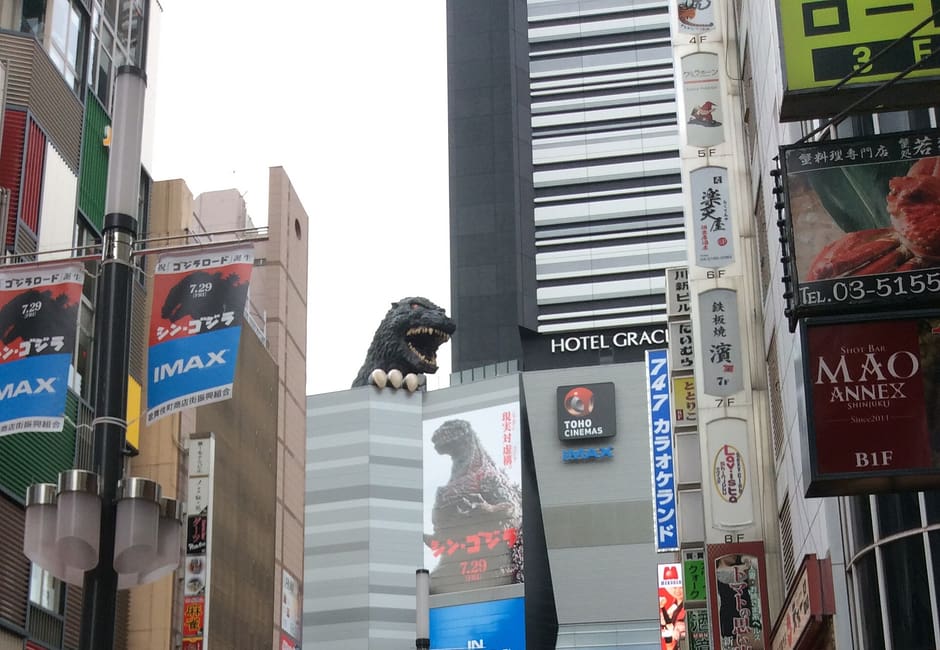
Under 35, here for food, shopping and nights out. Shibuya. You’ll spend most of your evenings on this side of the city anyway, so sleep where the action is and save the train fares.
Planning day trips to Hakone, Kamakura or Mount Takao. Shinjuku, no contest. The Odakyu and Keio lines leave from the station under your hotel.
Itinerary heavy on Harajuku, Daikanyama, Nakameguro. Shibuya. Walking to these neighbourhoods beats taking the train, and the golden-hour walk down to the Meguro canal is one of the best evenings in Tokyo.
Serious about bars. Shinjuku. Golden Gai alone settles it, and Omoide Yokocho is the backup argument.
Budget-sensitive. Shinjuku, where the supply is deeper and the average rate lower. If even Shinjuku prices sting, look one stop further out.
Whichever verdict fits, test it against live rates before you book. Put your dates into the Tokyo travel map and use Search this area for hotels. Every pin quotes those dates. Search Shinjuku, then Shibuya, and the price pills will tell you most of what you need.
The Third Option
Plenty of travellers agonise over this choice when the better answer is neither. Because both stations are so well connected, staying one or two stops away buys you calmer streets and lower rates while keeping both hubs within fifteen minutes.
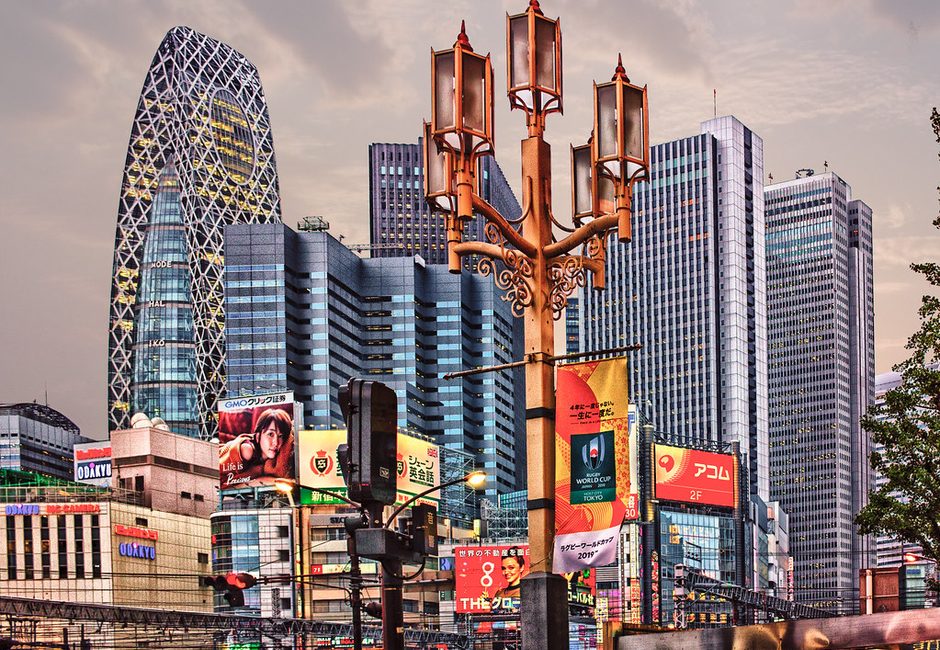
Consider Yoyogi, one Yamanote stop south of Shinjuku, or Sangubashi, two stops out on the Odakyu Line, both residential and calm with the park nearby. Consider Ebisu, one stop south of Shibuya on the Yamanote, with one of the best restaurant scenes in the city and a fraction of the noise. The index sampled 46 listings there with a median of US$309. Nakameguro, a few minutes from Shibuya on the Toyoko Line, is a canal-side neighbourhood you’ll enjoy coming back to, but the index found only 92 hotel listings there, so it’s better visited than booked. Sasazuka and Hatagaya, on the Keio New Line just west of Shinjuku, are Daniel’s own Tokyo neighbourhoods, ordinary neighbourhood streets at medians of US$201 and US$185 in the latest index.
Sleep one or two stops out and you’re still within fifteen minutes of both hubs. The interactive Tokyo travel map plots all of these areas so you can see the distances before you book.
Frequently Asked Questions
Is Shinjuku or Shibuya better for first-time visitors?
Shinjuku, by a modest margin. The station connects to more of the city and more day-trip lines, the hotel supply is larger and has been cheaper in the index so far, and planning mistakes cost you less when every destination is a direct train away. Shibuya is the better pick only if your itinerary is concentrated on the south and west side: Harajuku, Daikanyama, Nakameguro and the shopping streets between them.
Is Shibuya more expensive than Shinjuku?
Usually, yes. In the weekly hotel price index sampled on 20 October 2026, Shibuya’s median was US$272 a night against US$213 in Shinjuku, with the premium concentrated within a few minutes of the crossing. Shinjuku’s larger hotel stock tends to keep its prices competitive. In both areas, walking ten minutes from the station cuts the rate and the noise at the same time.
How far apart are Shinjuku and Shibuya?
Three stops on the Yamanote Line, about seven minutes, with trains every few minutes. The Saikyo Line does it non-stop in about five. Whichever one you pick, the other is closer than most hotel-to-airport transfers. The decision is about which neighbourhood you want outside your door at 8am and 11pm, not about access.
Shibuya or Shinjuku: where should I stay?
Shinjuku, if it’s your first trip, if you’re planning day trips to Hakone, Kamakura or Mount Takao, if you’re here for bars, or if the budget’s tight. Shibuya, if your days are about food, shopping and nights out, or about Harajuku, Daikanyama and Nakameguro. They’re three stops apart on the Yamanote Line, so neither choice cuts you off from the other.
How do Shibuya and Shinjuku compare on hotels, nightlife and access?
Shinjuku has the bigger hotel supply, and its median in the weekly hotel price index was US$213 a night on 20 October 2026, against US$272 in Shibuya. For nightlife, Shinjuku has Golden Gai, Kabukicho and Omoide Yokocho and stays open later, while Shibuya has Nonbei Yokocho, clubs and a younger crowd. Both get the Narita Express from Narita and reach Haneda by Keikyu via Shinagawa. For day trips Shinjuku wins, with the Odakyu to Hakone and Enoshima and the Keio to Mount Takao, while Shibuya has the Tokyu line to Yokohama.
Places in this guide
Photos show the actual places, licensed under Creative Commons and credited to their photographers.
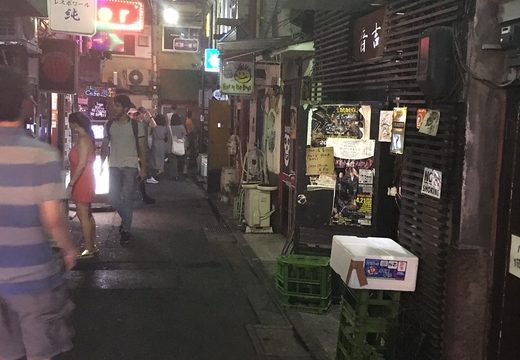 Golden Gai Photo: Fabio Achilli
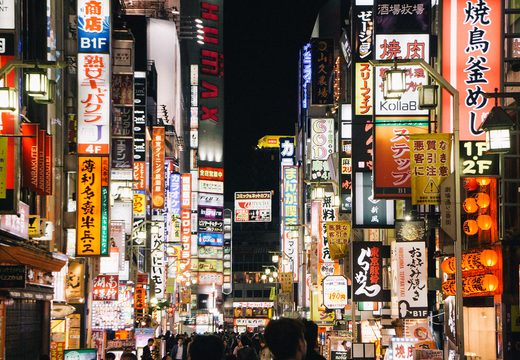 Kabukicho Photo: Dick Thomas Johnson
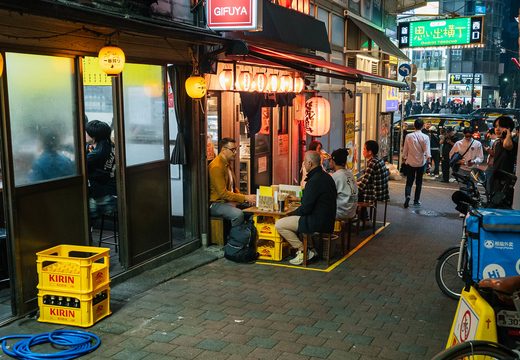 Omoide Yokocho Photo: G4GTi
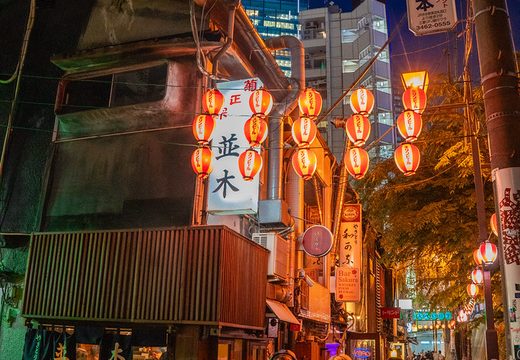 Shibuya Nonbei Yokocho Photo: Dick Thomas Johnson
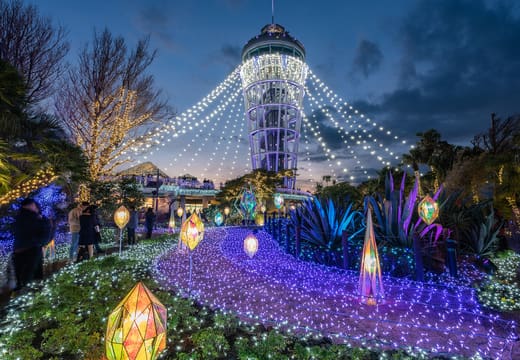 Enoshima Photo: Wei-Te Wong from Taipei City, Taiwan, Republic of China / Wikimedia Commons (CC BY-SA 2.0)
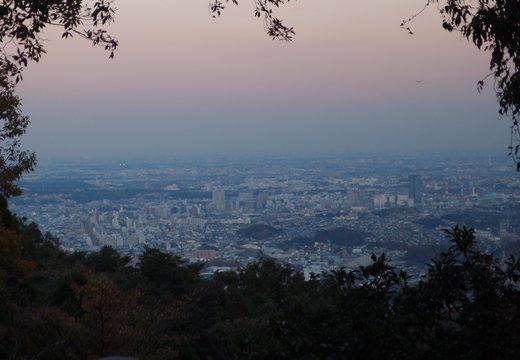 Mt Takao Photo: Guilhem Vellut
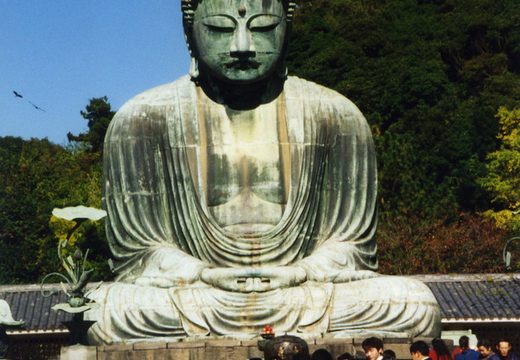 Kamakura Photo: Arian Zwegers
Find hotels in Tokyo
Browse live availability and compare prices for your dates.
See hotels near Tokyo on Booking.comPrices are for the night of Saturday 24 October. You can change the dates on Booking.com. If you book, Roam Tokyo earns a small commission from Stay22 at no extra cost to you.