Things to Do in Shimokitazawa: Vintage Shops, Curry, Live Music
The best things to do in Shimokitazawa: vintage shopping, the famous curry row, basement live houses, and the cafes locals queue for. With map and route.
Shimokitazawa is what happens when a neighbourhood is too awkward to redevelop and too loved to die. The streets are narrow and winding and follow no logic you can see, which is why the chains mostly stayed away and the vintage shops, live houses and six-seat curry counters moved in. Daniel’s Tokyo neighbourhood, Sasazuka, is a short train ride away, and he knows Shimokita well. This guide covers what’s worth your time.
Every place below is pinned on the interactive Tokyo travel map.
Get lost first, shop second
Step out of the station and the city changes register. The buildings drop to two storeys, the streets narrow to alleys, and within a minute you’re in a tangle of lanes where getting lost is the point. Do a full loop with no destination before you open a single shop door. The core is only a few hundred metres across, so you can’t stay lost for long anyway.
The vintage shopping is the best in Tokyo
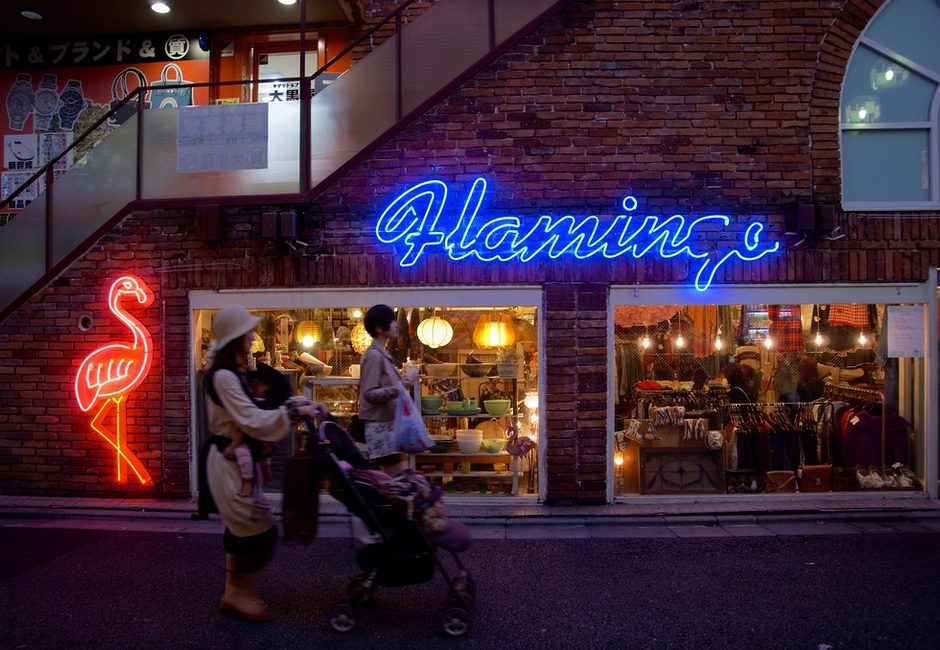
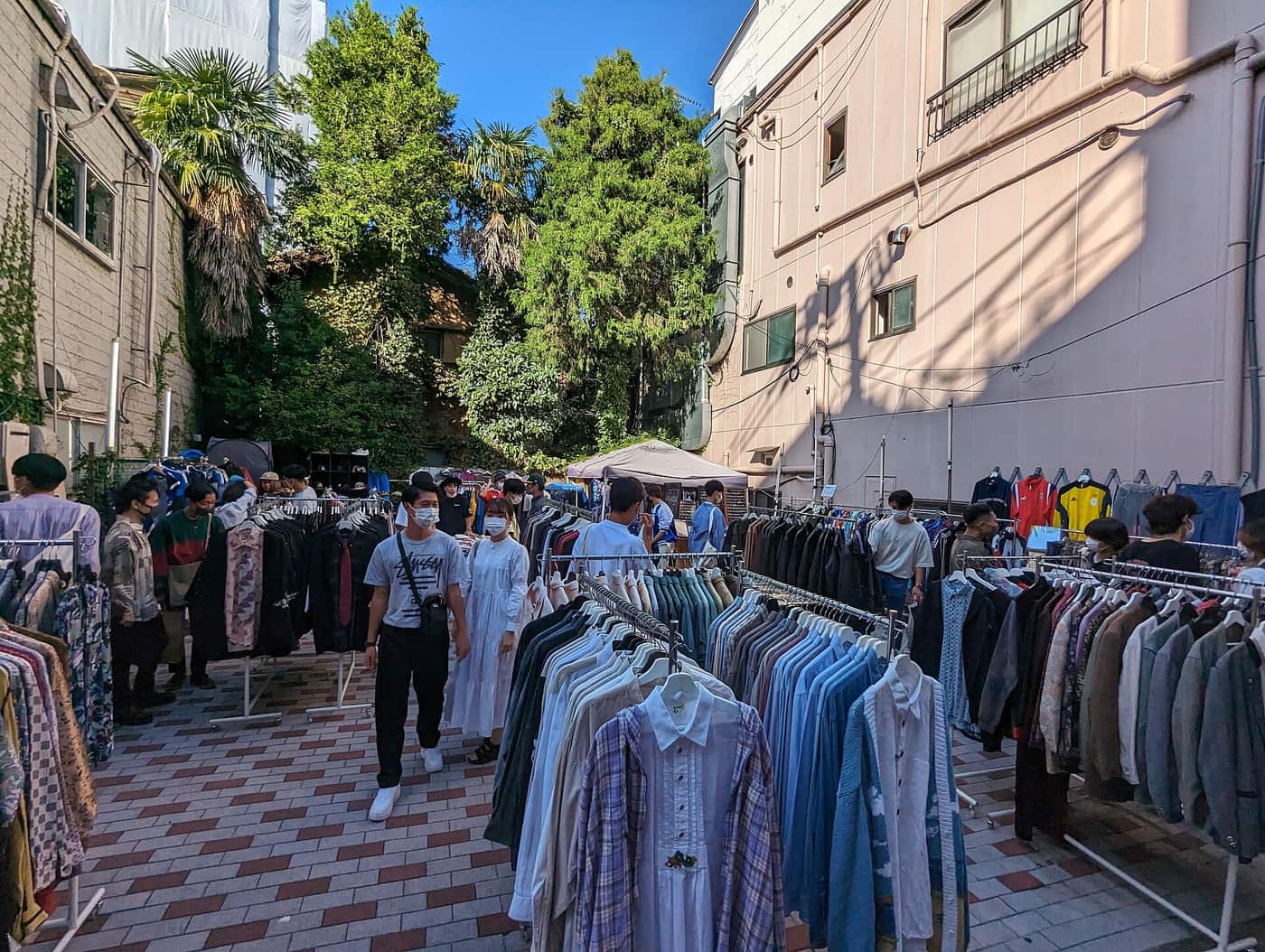
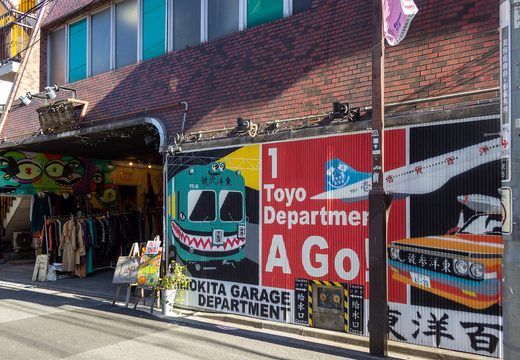
This is the densest second-hand clothing scene in the city, dozens of shops within a ten-minute walk. The vintage cluster runs from curated American workwear at serious prices to chaotic by-the-kilo racks where the fun is in the dig. Two names to know are Flamingo, for American vintage, and Chicago, the largest of the lot. Most shops don’t open until around noon, which is another reason to spend your morning wandering and drinking coffee.
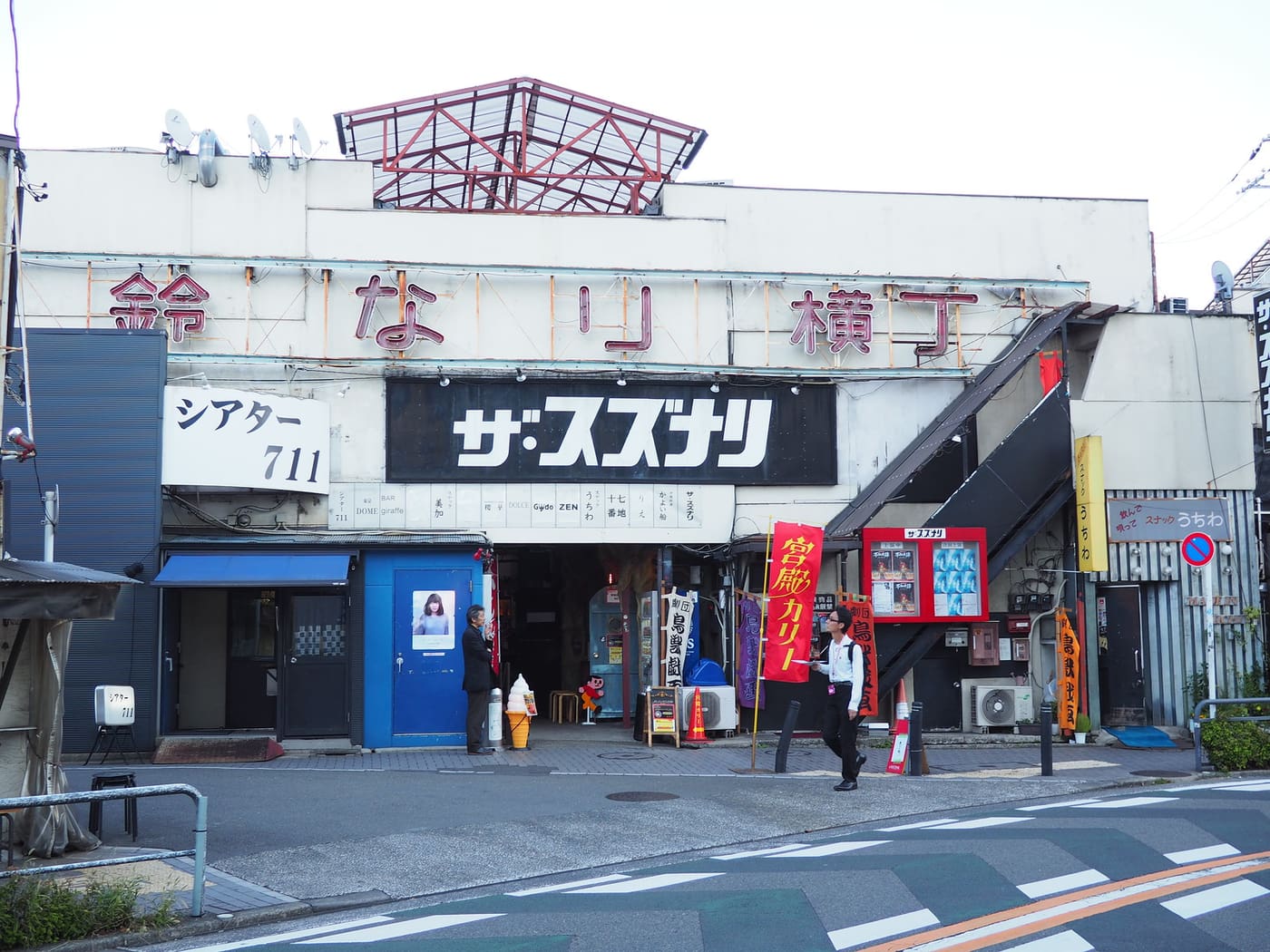
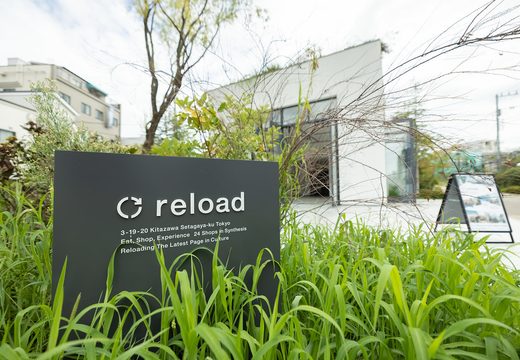
For something newer, Shimokitazawa Reload is the low-rise development built along the old track bed after the Odakyu line went underground. It’s the rare redevelopment that got the scale right.
Eat the curry
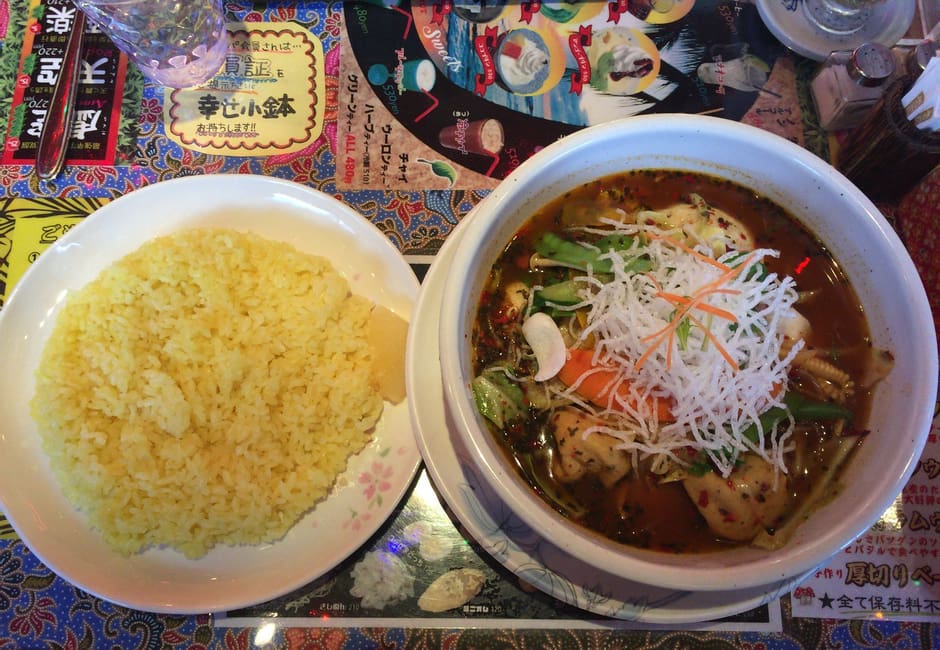
Shimokitazawa is Tokyo’s unofficial curry capital, with a neighbourhood curry festival in autumn and a year-round curry row of spice-obsessed counters. Daniel’s pick is Majan, a tiny counter with a twenty-minute queue, and he rates it the best curry he’s had in Tokyo. If the queue defeats you, almost any door on the row with a handwritten spice menu will do right by you. Most counters seat ten to twenty, so go at off-hours or expect to wait.
If you don’t want curry, Naochan Ramen does old-school bowls without the Instagram crowd, and Wine Laundry pairs natural wine with charcoal-grilled yakitori in a room the size of a living room. There’s more on how the city eats in where to eat in Tokyo.
Coffee, with rules
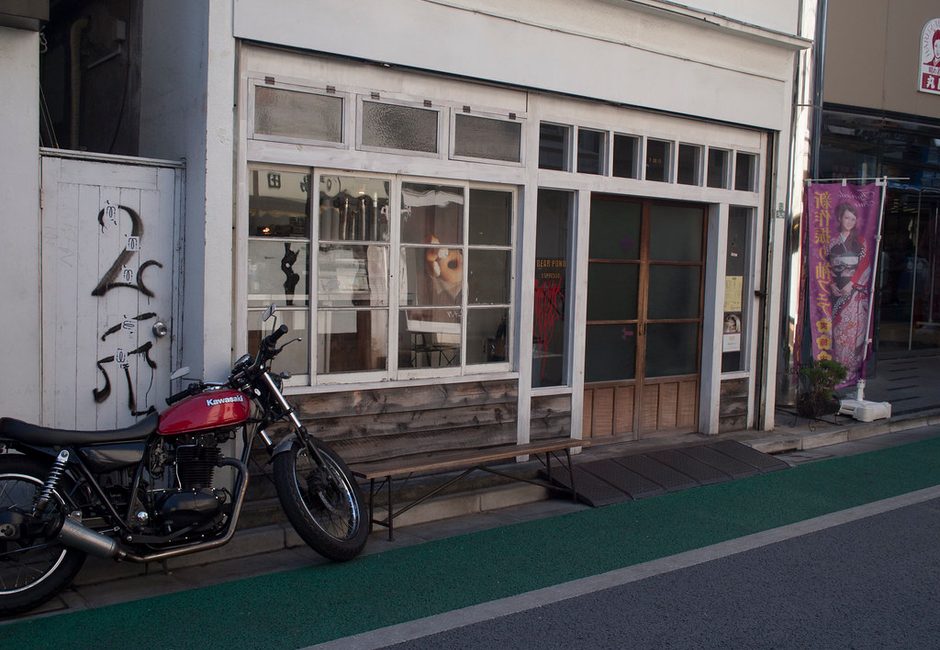
Bear Pond Espresso is the most famous espresso bar in the neighbourhood and one of the most particular in Tokyo. No laptops, no phone calls, cash only, and it closes when the beans run out, often by midday on weekends. Treat it as a ritual rather than a refuel. If you just want a good cup and a bench, Sidewalk Coffee Roasters is friendlier to wanderers.
Stay for the night side
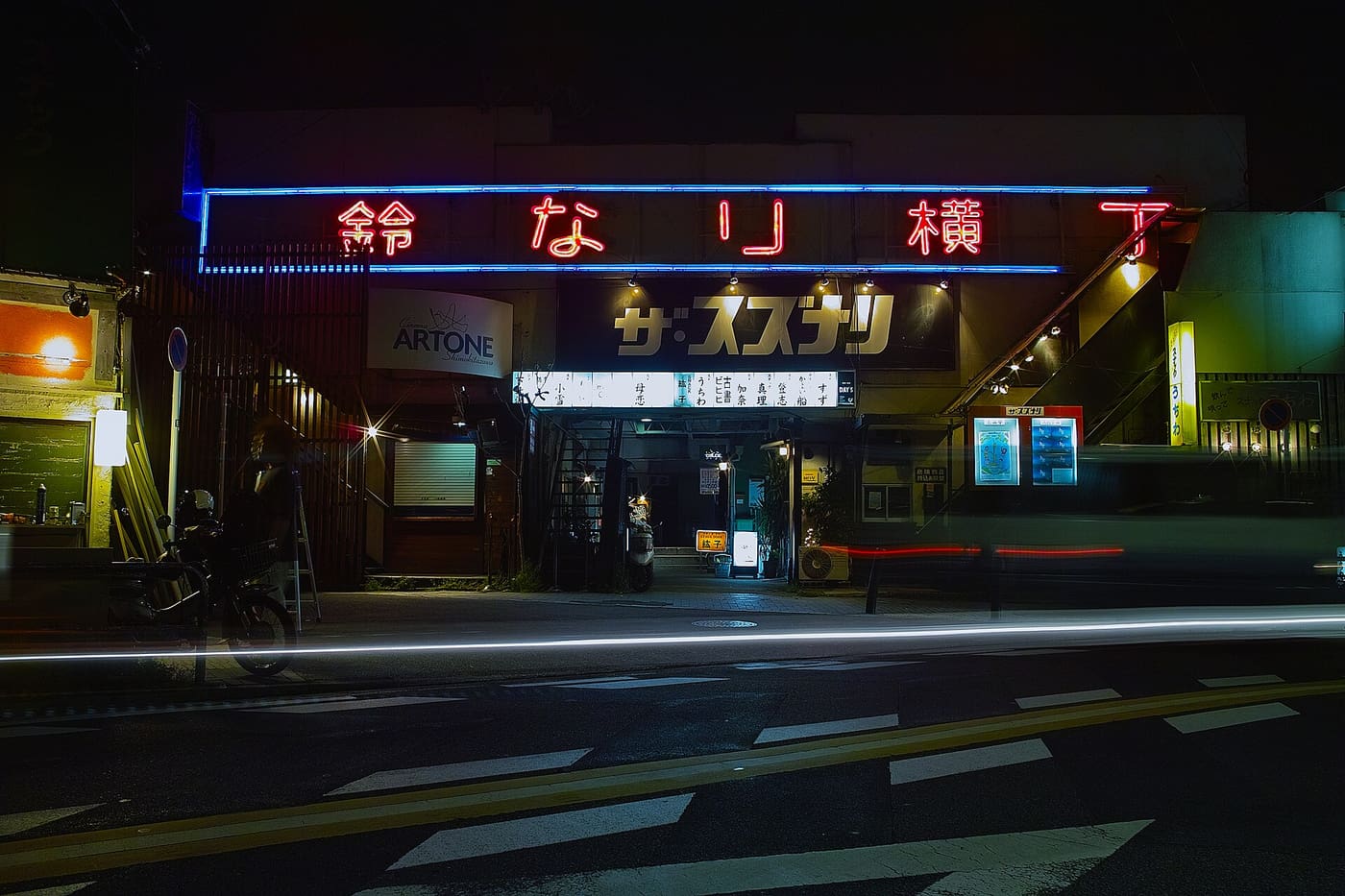
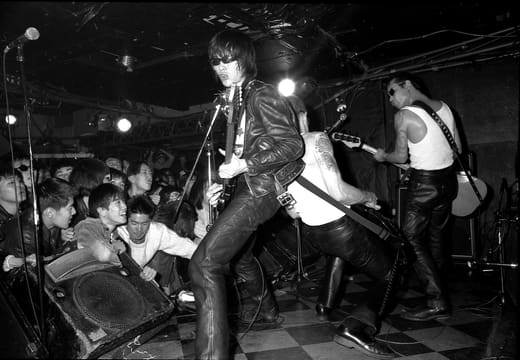
Shimokita at night runs on two tracks. The first is live music. The neighbourhood’s basement live houses, Shelter, Garage and Club 251 among them, look like they haven’t changed in decades and host everything from punk to city pop revival. Door prices usually run ¥1,500 to ¥3,000 with a drink ticket, shows start early, and you don’t need to know the band. Pick a venue, pay the door, and you’ll understand why musicians still move here.
The second track is the bar crawl. Shirubee is the izakaya locals bring visitors to when they want to show off. Good Heavens Pub is the neighbourhood’s British local, and Coaster Craft Beer & Kitchen covers the craft list. It’s all within a five minute stumble of everything else.
When to come
Weekday mornings are the quietest, Saturday afternoon is the busiest, and the sweet spot is a weekday from about noon, when the vintage shops open, through to a live show in the evening. The neighbourhood is about ten minutes from Shinjuku on the Odakyu line or under ten minutes from Shibuya on the Keio Inokashira line, and there aren’t any major hotels inside Shimokitazawa itself, so most visitors stay in Shinjuku or Shibuya and day-trip in. The Shimokitazawa neighbourhood guide has the full picture, and the insider guide goes deeper on the personal favourites.
Frequently Asked Questions
How long should you spend in Shimokitazawa?
Half a day minimum, a full day if you want the live music. A realistic plan is to arrive late morning, wander, do the vintage shops from noon, have curry for a late lunch, then coffee, then either head back or stay for a show and an izakaya dinner.
Is Shimokitazawa worth visiting if you don’t like vintage shopping?
Yes. The shopping is the headline, but the reason to come is the atmosphere. Car-free lanes, independent everything, and a music and food scene that exists for residents rather than visitors. It’s the easiest place in Tokyo to feel the city’s creative side without a guidebook agenda.
Should you stay overnight in Shimokitazawa?
Probably not, simply because there are very few places to stay in the neighbourhood itself. Stay in Shinjuku or Shibuya, both one direct train away, and visit Shimokita as a half-day or evening trip. If you want to be within walking distance of the live houses, look at the handful of small hotels and guesthouses around the station.
Places in this guide
Photos show the actual places, licensed under Creative Commons and credited to their photographers.
Find hotels in Shimokitazawa
Browse live availability and compare prices for your dates.
See hotels near Shimokitazawa on Booking.comPrices are for the night of Saturday 24 October. You can change the dates on Booking.com. If you book, Roam Tokyo earns a small commission from Stay22 at no extra cost to you.