Tokyo in Winter: Illuminations, Clear Skies and Empty Streets
Tokyo in winter: December illuminations, New Year traditions and closures, the best Mount Fuji visibility of the year, and why late January is underrated.
Places checked against official pages by Roam Tokyo, October 2026 How it's made
What's on in Tokyo: December 2026 · January 2027 · February 2027
Winter is the season nobody plans a Tokyo trip around, which is exactly why it works. December through February brings the clearest skies of the year, thin crowds outside the New Year week, some of the softest hotel demand of the year, and a city that puts on its most spectacular light displays and barely advertises them abroad. Yes, it’s cold. It’s also dry and sunny, and far more comfortable than the numbers suggest. Here’s what the season looks like up close.
The winter 2026 to 2027 dates to plan around:
- Illuminations. Yomiuriland from 29 October 2026, Marunouchi and Hibiya from 12 November 2026. The illuminations guide has the rest, and which ones haven’t announced yet.
- Tokyo Christmas Market. 20 November to 25 December 2026 at Shin-Toyosu, and 4 to 25 December 2026 at Shiba Park, by Onarimon Station.
- New Year. Joya no kane bells on the night of 31 December 2026, hatsumode crowds from 1 to 3 January 2027. See the New Year guide.
- Sumo. The January tournament runs 10 to 24 January 2027 at Ryogoku Kokugikan (sumo guide).
- Plum blossoms from mid-February.
Winter in Tokyo, month by month
Winter runs from December through February, and each month has its own character.
December is the festive month. The illuminations are at full strength from the start of the month, the streets around the big stations fill with year-end shoppers, and the izakayas run at capacity every night with bonenkai, the year-end parties Japanese companies treat as close to compulsory. December feels more like a celebration than a hibernation, and it’s busy in a way that has nothing to do with tourism.
January splits in two. The first three days belong to shogatsu, the Japanese New Year, when the whole country visits shrines, eats with family and largely stops working. It’s the most important holiday of the year and it reshapes the city completely, more on that below. Then, from roughly January 6 onwards, Tokyo goes into the emptiest travel weeks of the whole calendar. Domestic travel stops, international arrivals thin out, and the famous places you’d queue for in April can be walked into without a plan.
February is the cold peak, with the lowest average temperatures of the year, and it’s also the turn. Plum blossoms (ume) start opening at shrine gardens from mid-February, fragrant and weeks ahead of the cherry trees. By the end of the month you can see the first hints of spring if you’re paying attention, and the spring guide picks up the story from there.
Winter weather reality
Tokyo winter is cold but not brutal, and what matters most is that it’s dry. Typical days run between 2 and 12°C, with January and February mornings sometimes dipping to freezing. What the numbers hide is the sunshine. Winter is Tokyo’s driest and clearest season by a wide margin, and long runs of cloudless blue-sky days are the norm rather than the exception.
The dryness changes how the cold feels. A 5°C day in Tokyo, windless and bright, is pleasant to walk through if you’ve got a decent coat. There’s none of the damp, penetrating chill of a northern European winter. Locals spend winter weekends outdoors, in parks, at markets, queueing for ramen, because the weather cooperates far more often than not.
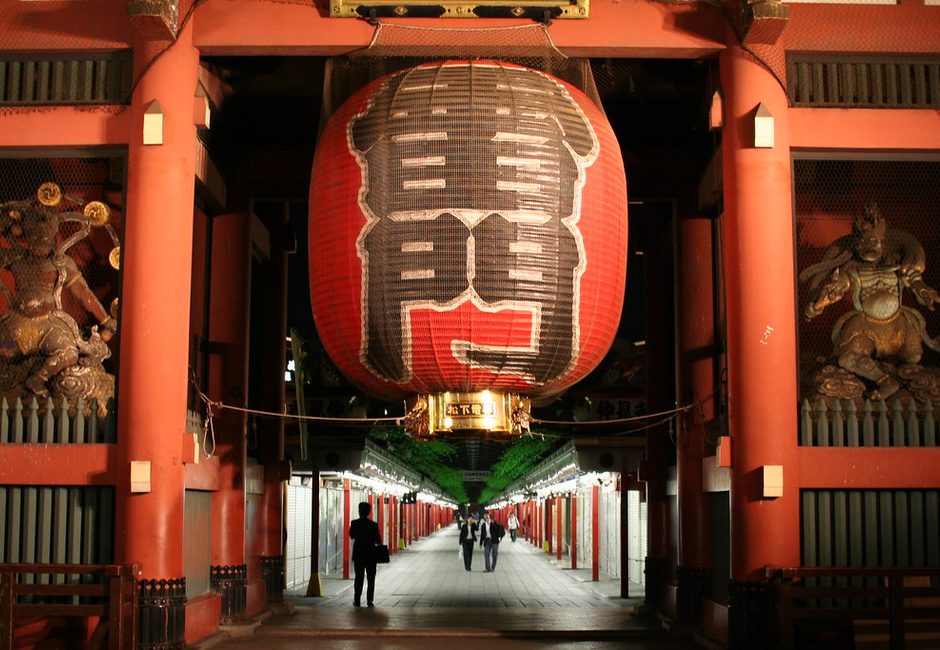
Snow is rare. Tokyo sees measurable snowfall once or twice in a typical winter, usually in January or February, and it almost never settles for more than a few hours. When it does stick, the city photographs beautifully for a morning, Senso-ji under snow is a rare image, and then it’s gone. Don’t plan around seeing snow in Tokyo. If snow matters to you, plan a day trip to the mountains instead.
Illuminations: the season’s headline act
From roughly mid-November through mid-February, Tokyo runs dozens of LED illuminations, and you can walk through almost all of them for free.
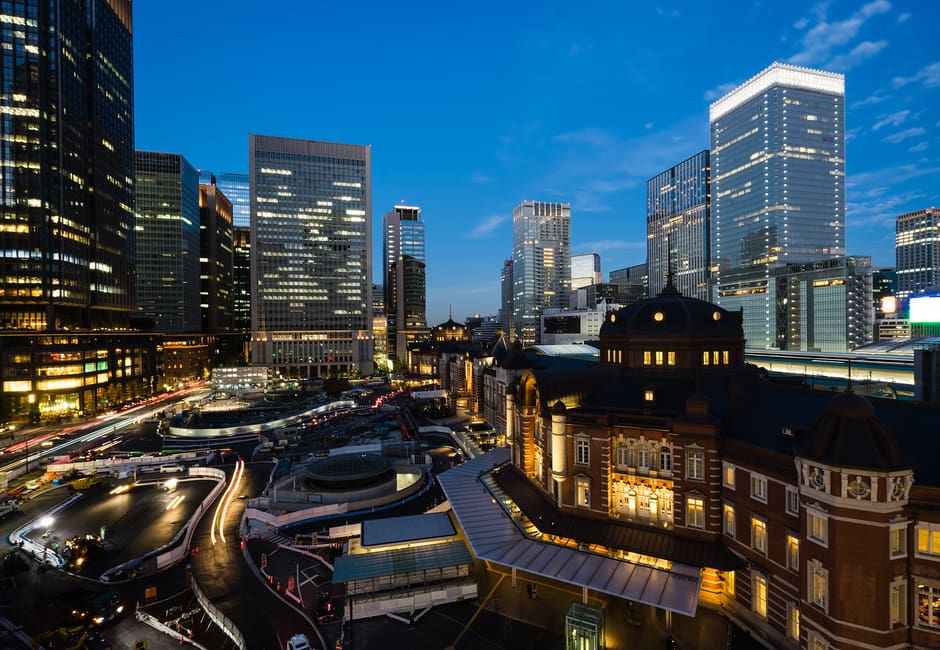
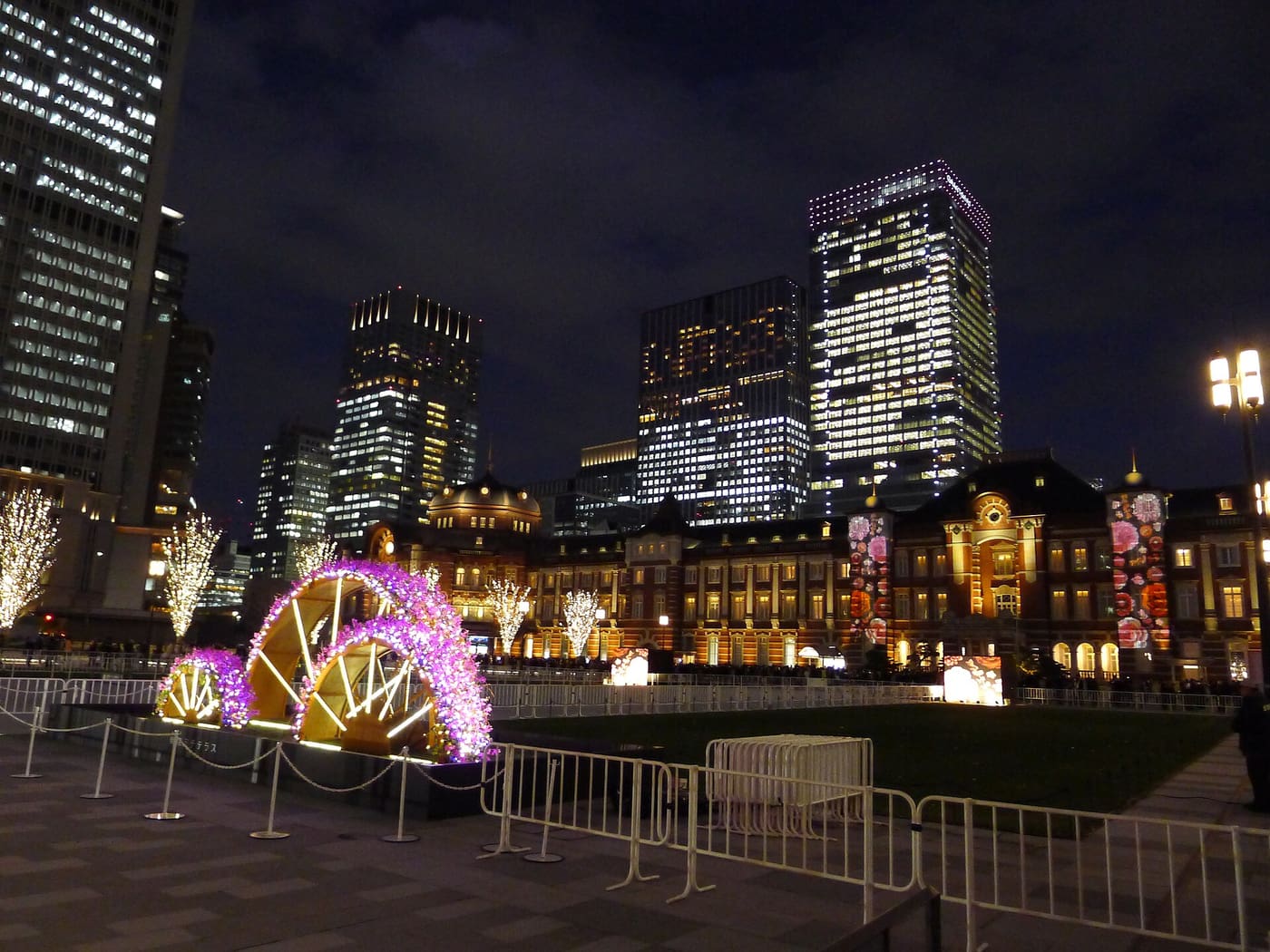
Marunouchi, the business district between Tokyo Station and the Imperial Palace, wraps the trees along Naka-dori, its main avenue, in champagne-gold lights for the full length of the street. With the restored red-brick facade of Tokyo Station lit up at night, it’s the classiest version of the genre, and because it’s a business district, weekday evenings after eight are surprisingly quiet.
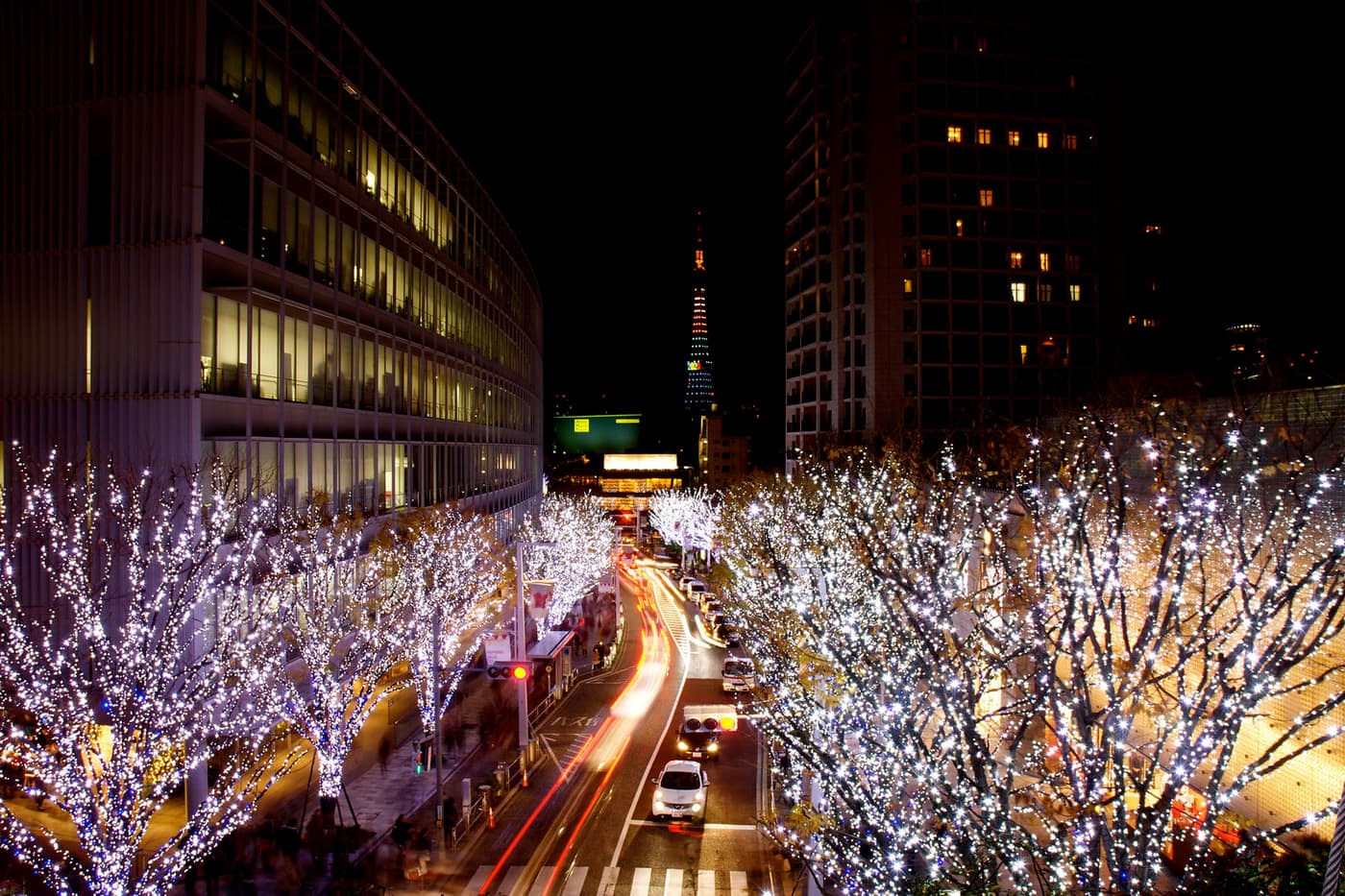
Roppongi does the big-budget version. Keyakizaka street at Roppongi Hills strings its zelkova trees in blue-white LEDs with Tokyo Tower framed at the end of the avenue, the single most photographed winter view in the city. Tokyo Midtown, ten minutes away, runs its own large-scale display in the garden behind the complex.
Shibuya’s Ao no Dokutsu, the “Blue Cave,” turns the tree-lined avenue between Shibuya and Yoyogi Park into a tunnel of deep blue light, with a reflective ground surface that doubles the effect. It’s the most immersive of the big displays and, on weekend evenings, the most crowded. It only runs in December (4 to 25 December in 2025), so go on a weeknight before Christmas.
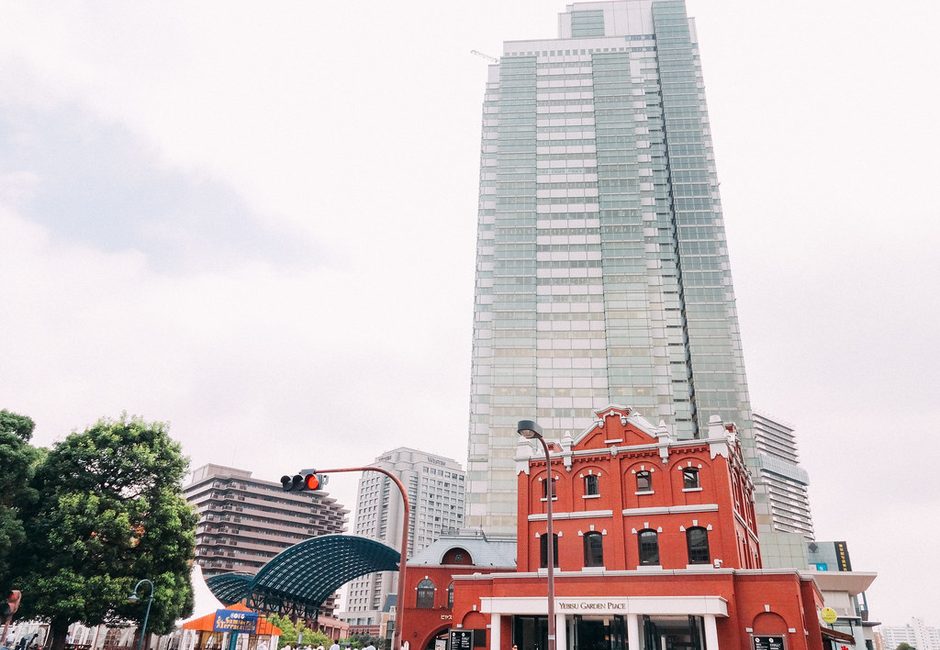
Yebisu Garden Place hangs a Baccarat crystal chandelier, an enormous one, in the central plaza alongside a traditional tree and market stalls. It’s smaller than Roppongi but the most European of the set, and Yebisu Garden Place Tower has a free observation floor directly above it.
Exact dates shift each year. Roppongi and the Blue Cave usually end at Christmas, while others run into February. The events page is refreshed weekly and tracks what’s running during your dates.
Christmas markets
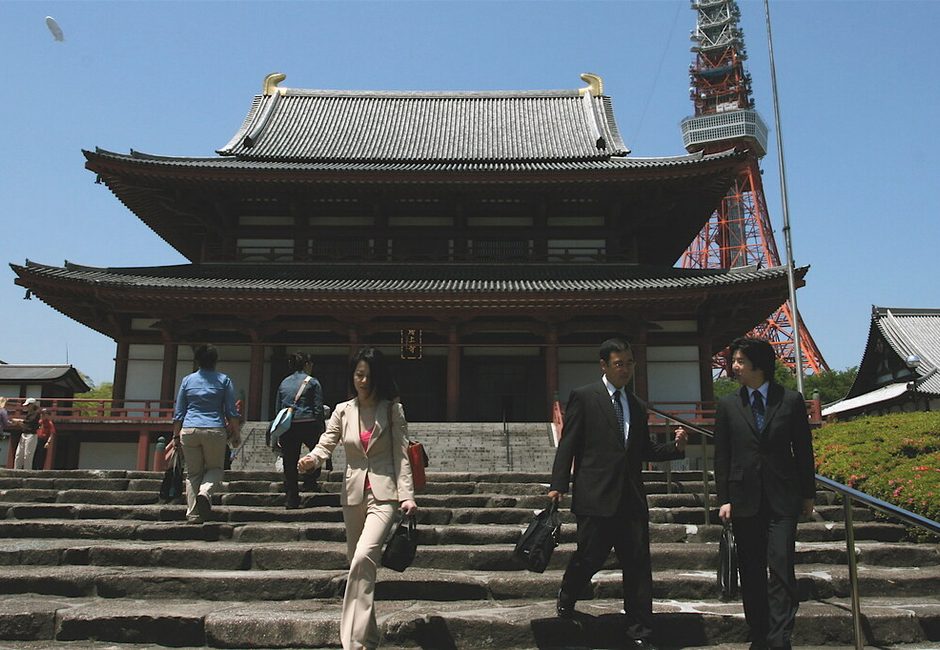
Christmas isn’t a holiday in Japan, but German-style Christmas markets have caught on. The biggest is the Tokyo Christmas Market, which in 2026 runs in two places: Shin-Toyosu from 20 November to 25 December (11 AM to 9:30 PM, from 4 PM on the opening day), and the plaza by Onarimon Station in Shiba Park from 4 to 25 December (11 AM to 10 PM, from 4 PM on the opening day). Entry is ticketed, and tickets went on sale on 1 October. Shiba Park is a short walk from Zojo-ji and Tokyo Tower, so it pairs well with an evening in the area.
The Christmas markets guide covers the others, from Roppongi Hills to Marunouchi and Yebisu.
New Year: the one week that changes everything
Shogatsu, the Japanese New Year, is the most important holiday in the country, and visiting during it isn’t the same trip as visiting the week before or after. Both versions are good. They just need different planning.
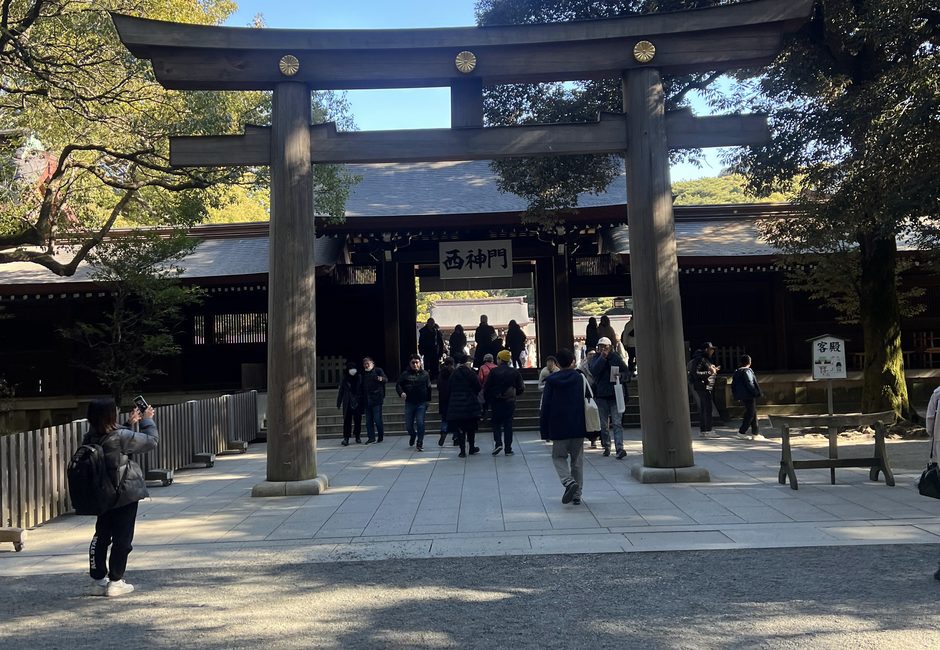
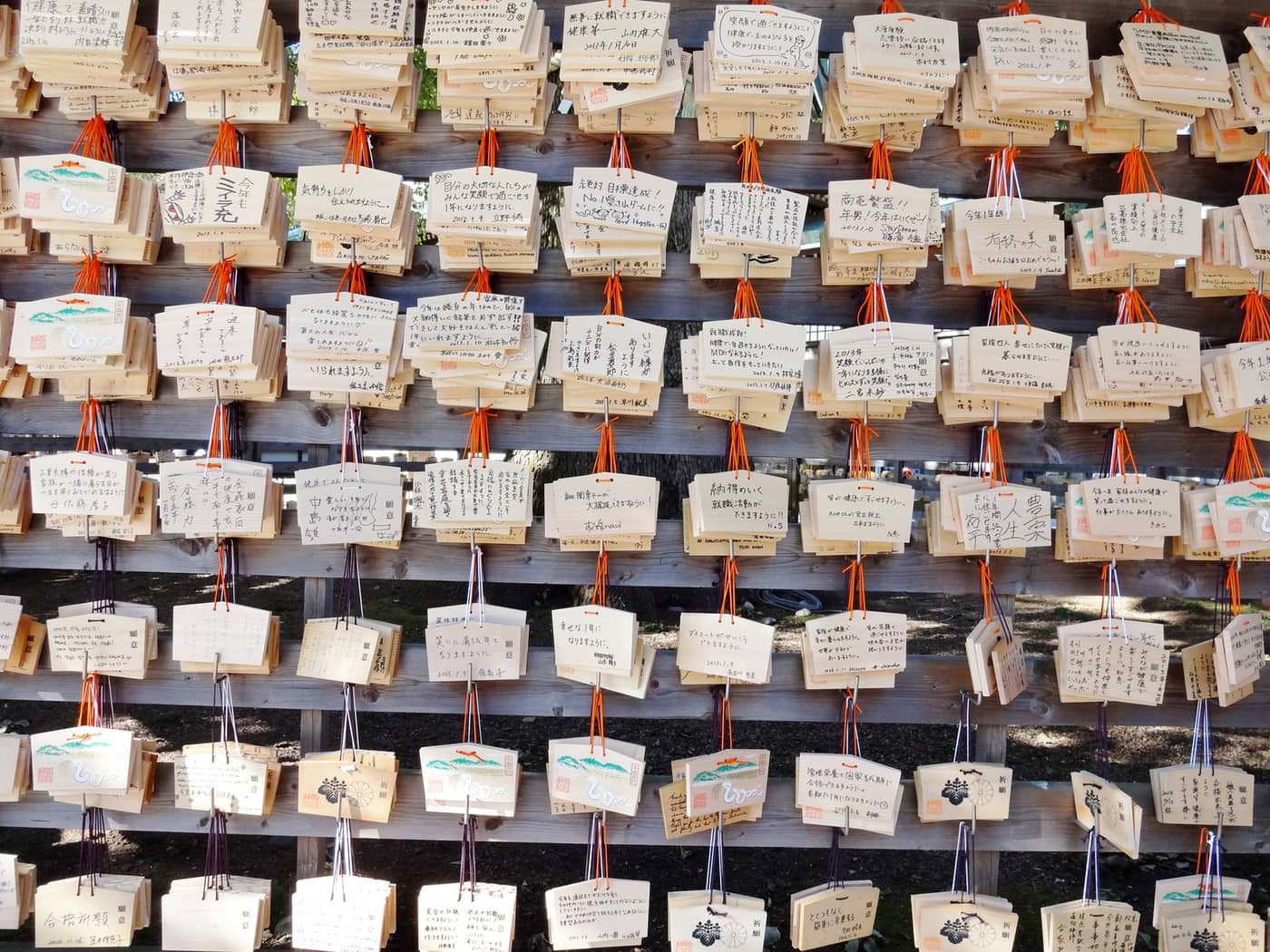
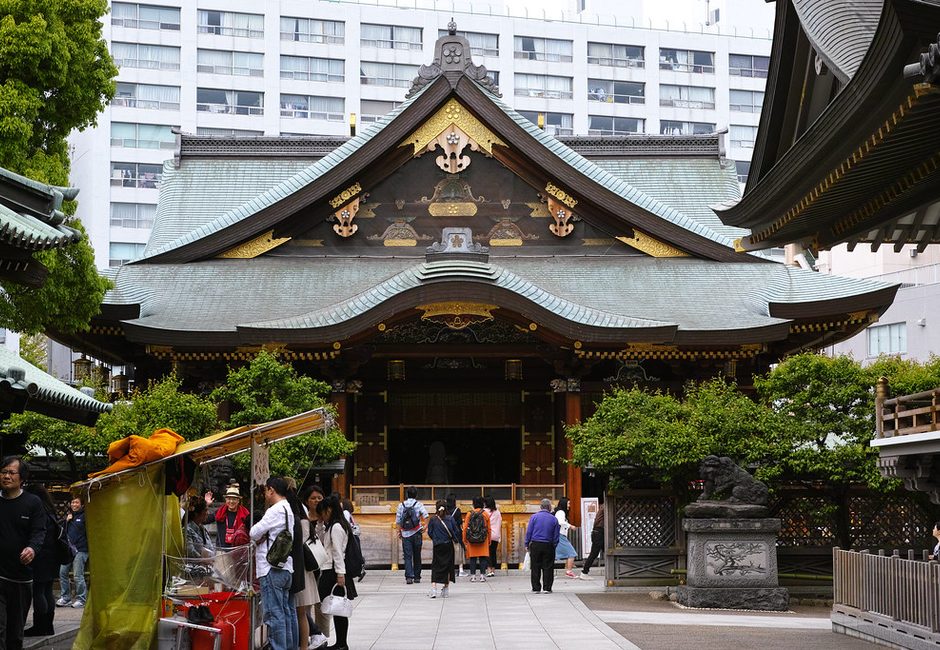
The centrepiece is hatsumode, the first shrine visit of the year. From midnight on December 31 through the first few days of January, the whole country goes to pray, and Meiji Shrine alone draws around three million visitors in the first three days, the largest hatsumode crowd in Japan. Joining the slow procession up the gravel approach through the forest at Meiji, or the smaller scene at a neighbourhood shrine, is one of the most memorable things you can do as a visitor at any time of year. Smaller shrines like Kanda Myojin have the same ritual, amazake stalls, lucky arrows, fortune slips tied to racks, at a fraction of the density.
The trains help. On the night of December 31, JR runs the Yamanote line and several other lines through the night, as do some private railways such as Keio and Keisei, so people can reach shrines and temples for midnight. Tokyo Metro didn’t run all night in 2025, so check your line.
The catch is closures. Many restaurants, independent shops and some attractions close from January 1 through 3, and some small businesses stay shut into the first week. Department stores, chain restaurants and convenience stores stay open, so nobody goes hungry, but if you’ve built your trip around specific small izakayas or backstreet restaurants, you’ll find locked doors during those three days. Plan those meals for before or after.
The consolation is fukubukuro, the lucky bags. From January 2, department stores and brand shops sell sealed bags of merchandise at heavy discounts, and the opening-morning queues at Shibuya and Shinjuku stores are a spectacle in themselves. The January sales that follow are the best shopping value of the year.
The best Mount Fuji views of the year
Winter is when Tokyo’s observation decks earn their keep. Fuji is technically visible from the city all year, but summer humidity hides it behind haze most days. From December through February the dry air gives you the best odds of the whole year, and on a clear winter morning the snow-capped cone sits on the western horizon looking close enough to touch.
The Tokyo Metropolitan Government Building in Shinjuku has free observation decks at 202 metres with a direct Fuji sightline, and winter mornings are the reliable window, before any afternoon haze builds. The free things to do collection lists the other free viewpoints you could build a morning around. For the paid version, Shibuya Sky gives you the same horizon from an open-air rooftop, and the winter sunset slots, with Fuji silhouetted against an orange sky, are the best tickets the deck sells all year. Book those ahead. Photographers have caught on, even if the season as a whole hasn’t.
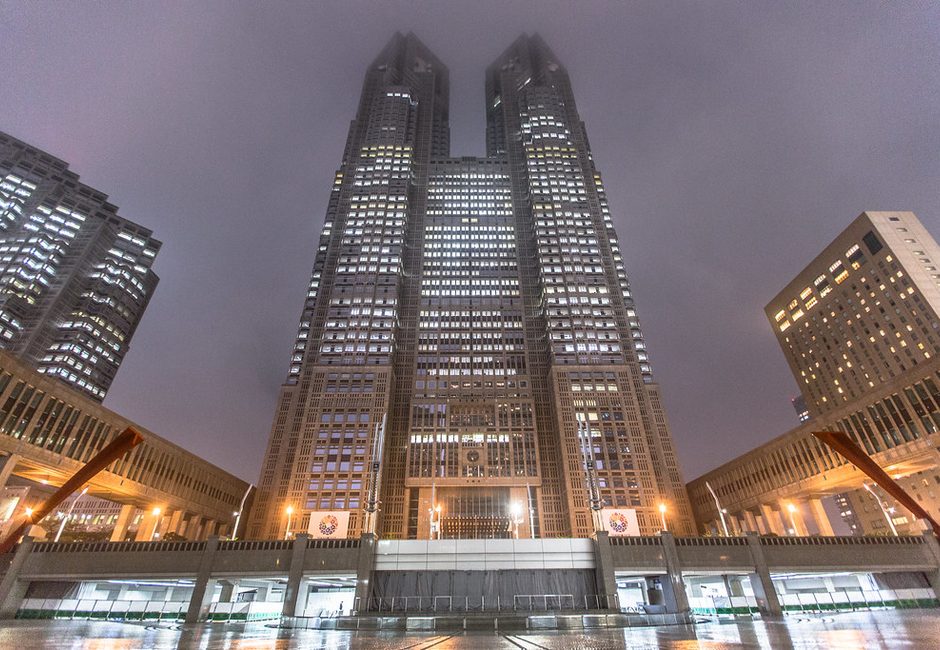
The rule for all of them is go early. Winter visibility is best in the first half of the day, and you’ll succeed far more often at 9am than at 2pm.
January and February are the value months
Here’s the practical case for winter, and it’s strong. Outside the New Year week itself, mid-January through February is one of the slowest stretches of the year for Tokyo hotels, and flights tend to follow. The weekly hotel price index tracks current nightly medians by neighbourhood.
The crowd difference is just as dramatic. The famous ramen queues shrink. teamLab, the museums and the popular sushi counters are far easier to get into than in April. If you care more about eating and wandering than about flowers, late January is the best time to visit Tokyo, full stop.
February adds the first flowers. Plum blossoms open from mid-February at Yushima Tenman-gu, which runs a plum festival of its own, and at garden shrines across the city. Ume season is everything sakura season isn’t. It’s quiet and fragrant, nobody’s in a hurry, and it blooms for weeks rather than days. It’s the soft opening of spring, and catch it in late February and you’ll watch the season turn without competing with a single tour group. The handoff from plum to cherry is covered in the spring guide.
For the coldest stretches, the rainy day collection doubles as a cold-day playbook. Every entry works just as well when the problem is a 3°C wind as when it’s rain.
What to pack and how locals handle it
Tokyo winter dressing is about layers, not bulk. The local template is a Heattech base layer from Uniqlo (buy it on arrival, it’s cheaper in Japan and every store stocks a wall of it), a normal mid-layer and a proper coat. Add gloves and something for your neck in January and February. Indoor Tokyo, trains, restaurants, department stores, is heated aggressively, so layers you can take off beat one heavy parka every time.
The conbini is the winter support system. Every convenience store sells hot drinks from a heated cabinet, hot coffee and tea in bottles, corn soup in cans, and oden, the winter stew of daikon, eggs and fishcakes, simmers at the counter from October through spring. A hot can of coffee in your pocket is a hand-warming tactic half the city uses. Kairo disposable heat packs, sold everywhere, do the same job for pockets and gloves.
For the coldest hours of the day, the city has a whole indoor ecosystem. Depachika food halls under the department stores, multi-floor arcades in Akihabara and Ikebukuro, covered shopping streets, and the museum belt in Ueno. Plan your winter days as outdoor mornings, when the light and visibility are best, and indoor late afternoons.
Day trips in winter
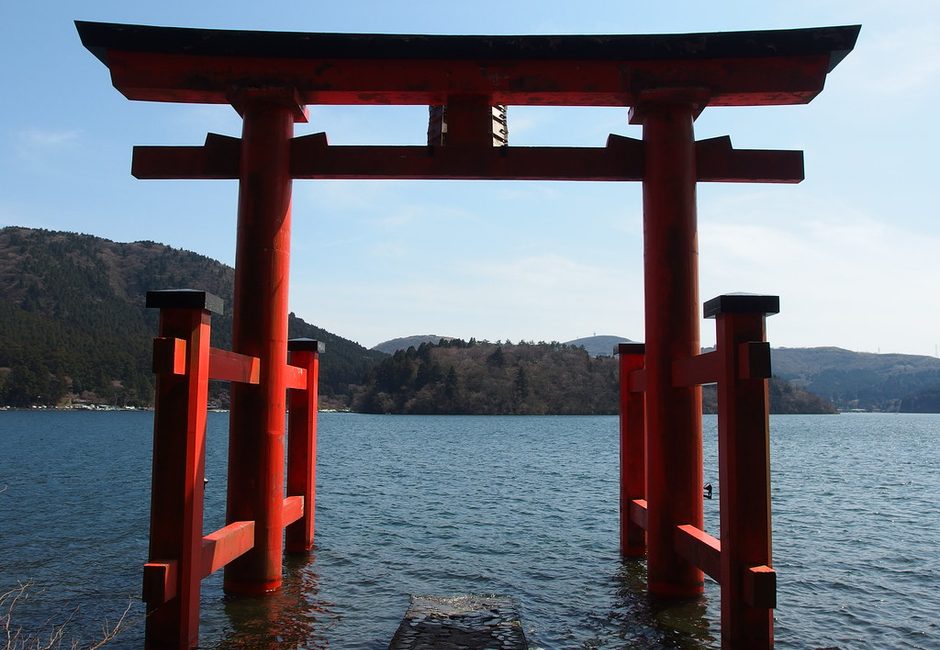
Winter is onsen season, and Hakone is the classic move. Ninety minutes from Shinjuku on the Odakyu line, then a day of hot-spring baths, mountain scenery and the best Fuji views in the region, sharpened by the same dry winter air that helps the Tokyo observation decks. Sitting in an outdoor rotenburo bath with cold air on your face, and sometimes snow on the hills, is one of the best arguments for a winter trip to Japan. The day trips guide covers the logistics and the Hakone Free Pass. Without leaving the city, a Tokyo sento or onsen does the same job on a cold evening for ¥600.
For real snow, the mountains deliver what Tokyo won’t. The Yuzawa area, under ninety minutes by Shinkansen, has reliable snow country from late December, and you can realistically ski for the day from a Tokyo hotel. Kawaguchiko, at the base of Fuji itself, pairs the mountain at its snow-capped winter best with lakeside onsen. Nikko, the autumn headliner covered in the autumn guide, is a different place under snow, with the shrine roofs frosted white and the crowds gone.
Frequently Asked Questions
Does it snow in Tokyo in winter?
Rarely, and it almost never settles. Central Tokyo sees measurable snowfall once or twice in a typical winter, usually in January or February, and anything beyond a few centimetres is unusual enough to make the national news. When snow does fall, it usually melts within hours. If you want guaranteed snow, plan a Shinkansen day trip to the Yuzawa area or a visit to Kawaguchiko rather than waiting for it in the city. What Tokyo winter reliably delivers instead is dry, sunny cold, with clear blue skies on most days and the year’s best long-distance visibility.
Is Tokyo worth visiting in winter?
For a lot of travellers it’s the smartest season on the calendar. Hotel demand outside the New Year week is soft, queues at popular restaurants and attractions shrink, the illuminations run through mid-February, and Mount Fuji visibility from the observation decks is the best of the year. The cold is real but it’s manageable, typically 2 to 12°C with dry air that makes it feel milder than the same temperature elsewhere. The downside is shorter daylight and bare gardens. If your trip depends on blossoms or foliage, look at the spring or autumn guides instead.
What is open over the New Year holiday?
Convenience stores, chain restaurants and most large attractions stay open through shogatsu, and department stores now generally reopen on January 2 for the fukubukuro lucky-bag sales. Many independent restaurants, small shops and some museums close from January 1 through 3, and some small businesses stay shut into the first week. Shrines and temples are the opposite of closed. Hatsumode makes the first three days of January their busiest of the year, and joining the crowds at Meiji Shrine or a neighbourhood shrine is the reason to be in Tokyo that week. Several lines, including JR’s Yamanote line, run through the night on December 31 to get people there.
How should I plan winter days in Tokyo?
Work with the daylight, which runs roughly 6:45am to 4:45pm in midwinter. Use your mornings for observation decks and outdoor neighbourhoods while the visibility and light are at their best, move indoors for the late afternoon (depachika, arcades, museums), and come back out after dark for the illuminations, which are the season’s evening entertainment and mostly free. The interactive Tokyo travel map plots every place with cost, transport and timing notes, and filtering by neighbourhood makes it easy to cluster indoor and outdoor stops so the cold hours are always covered.
Places in this guide
Photos show the actual places, licensed under Creative Commons and credited to their photographers.
Find hotels in Tokyo
Browse live availability and compare prices for your dates.
See hotels near Tokyo on Booking.comPrices are for the night of Saturday 24 October. You can change the dates on Booking.com. If you book, Roam Tokyo earns a small commission from Stay22 at no extra cost to you.