Tokyo Itinerary: 3 Days Done Properly (Not a Checklist Sprint)
A realistic 3-day Tokyo itinerary: the old east side, the west side from Meiji Shrine to Golden Gai, then a market and one neighbourhood done slowly.
Places checked against official pages by Roam Tokyo, October 2026 How it's made
Three days in Tokyo is enough for a real taste of the city, as long as you don’t treat it as a checklist sprint. The usual short-trip mistake is to book three days and plan like you’ve got seven. Senso-ji, then Shibuya, then Akihabara, then Roppongi, all before dinner. What you get is six hours a day on trains and a memory of station platforms. Tokyo is enormous, and its neighbourhoods are far enough apart, and different enough from each other, that one cluster per day beats criss-crossing the city every time.
So this itinerary gives each day one side of the city and lets it breathe. Day one is the east side, where the old city survives. Day two is the west side, where the energy is. Day three is food, art and one last neighbourhood taken slowly. Nothing here needs a sprint, and every stop is a short walk or a single train ride from the one before it.
It follows the short-trip advice in the 7-day itinerary. If you’ve only got three days, the core of Tokyo is Asakusa in the morning, Shibuya in the evening and a smaller neighbourhood like Shimokitazawa in between. This plan is that core, stretched to full days and put in the right order. The 4-day and 5-day versions build on it.
Every place below is pinned on the interactive Tokyo travel map, with its station, cost and what’s nearby. Keep it open as you go.
Day 1: The east side (Asakusa, Kappabashi, Ueno)
Start where Tokyo started. The east side is the old city, the shitamachi, and it’s at its best before the tour buses arrive.
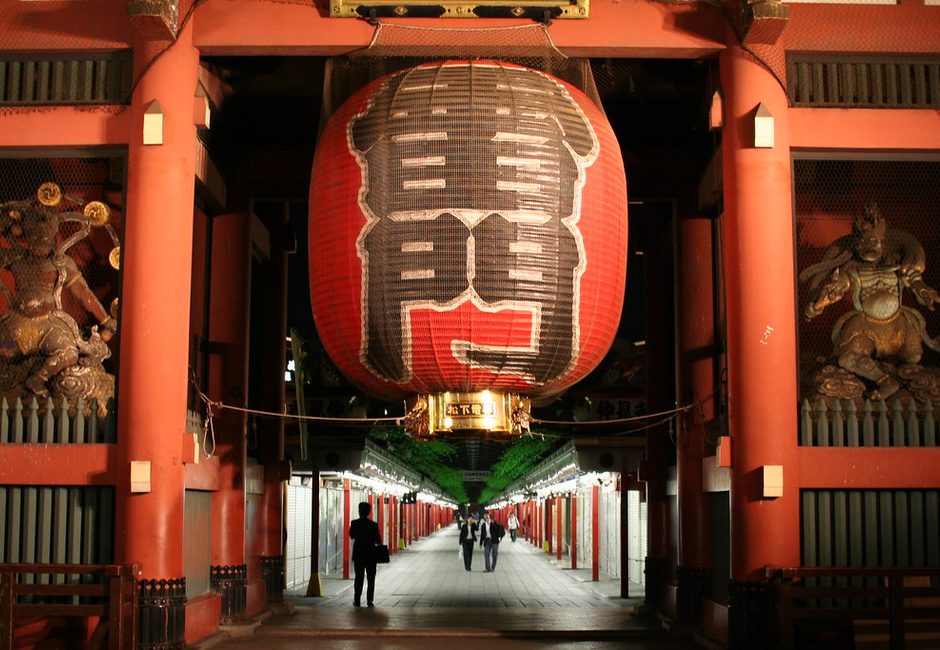
7am at Senso-ji. Set the alarm. Senso-ji Temple is Tokyo’s oldest temple, and at 7am it belongs to incense smoke, early worshippers and pigeons. The great Kaminarimon lantern with nobody posing under it, the main hall without a queue, the pagoda in flat morning light. By 10am the same ground holds several thousand people. That gap is the best argument for jet lag you’ll ever hear.
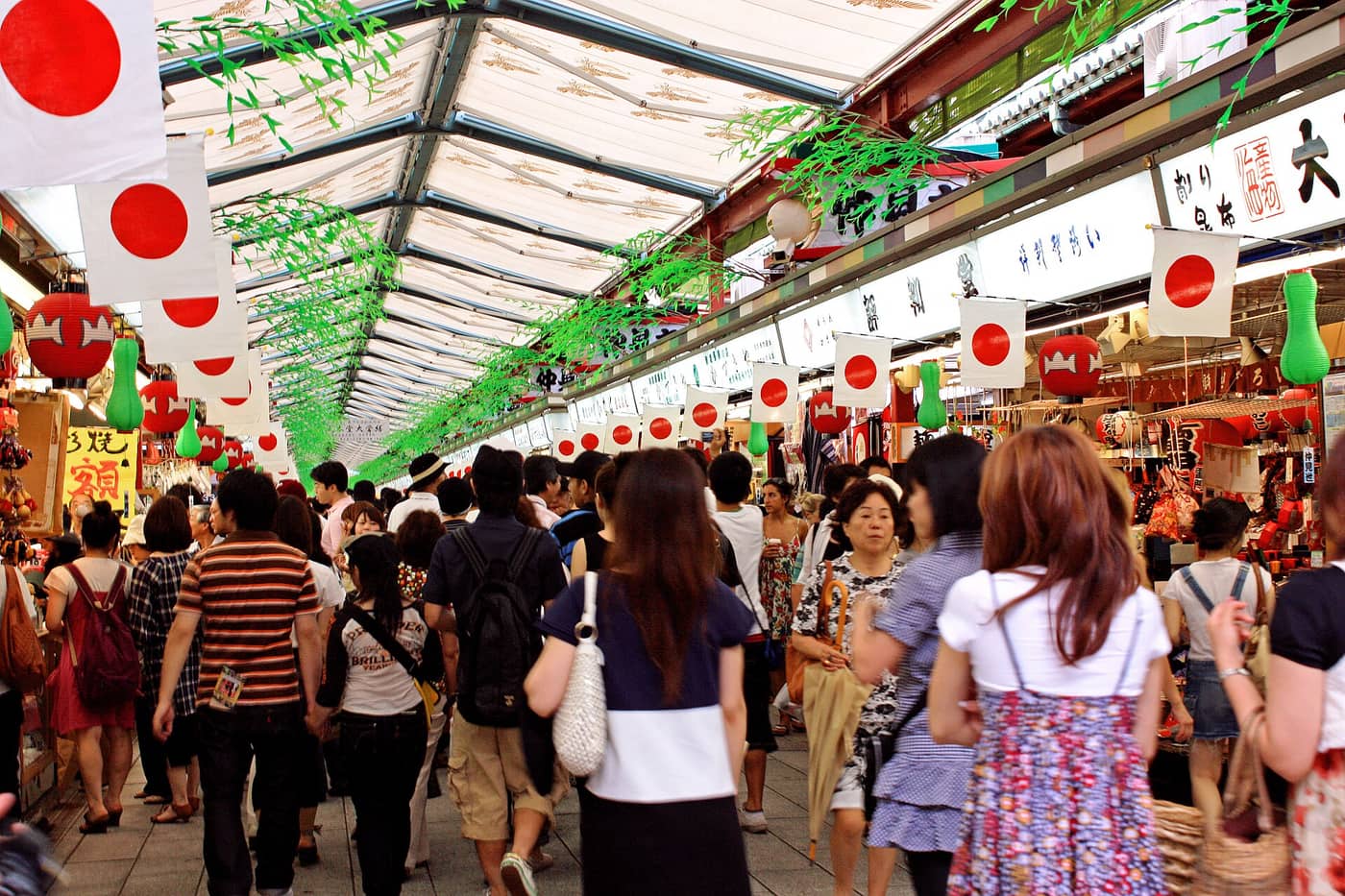
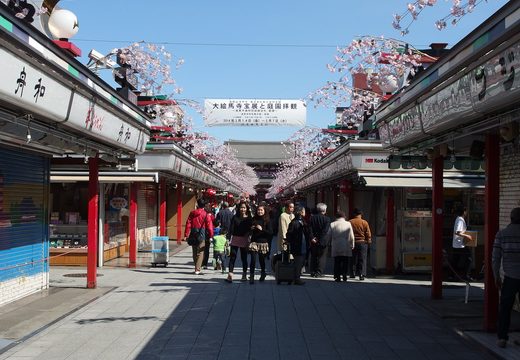
Walk back down Nakamise Shopping Street as the shutters roll up. The arcade has sold snacks and trinkets to temple visitors for about three centuries, and most stalls open from around 9am. Buy ningyo-yaki (little cakes stuffed with red bean paste) hot from the mould and eat them standing, which is how it’s done.
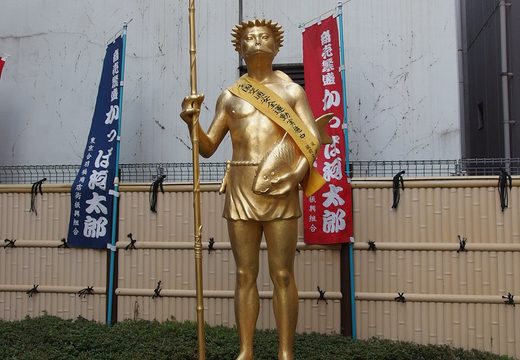
Mid-morning in Kappabashi. Ten minutes on foot west of the temple, Kappabashi Kitchen Town is the street that supplies every restaurant in the city. Hand-forged knives, ceramic shops and the plastic food displays that sit in every restaurant window in Japan. It’s the best souvenir street in Tokyo precisely because it doesn’t sell souvenirs. A knife engraved with your name while you wait beats anything from an airport shop. Most shops close around 5pm and on Sundays, so if it’s a Sunday, swap this stop for the Skytree riverside walk.
Lunch in Asakusa. Head back towards the temple. The blocks west of Senso-ji are packed with old-school places, tempura rooms that have been frying since the Meiji era, unagi houses, noodle counters. Pick whichever has a queue of locals rather than a picture menu. The where to eat in Tokyo guide covers how to choose well anywhere in the city, but in Asakusa it’s hard to go wrong.
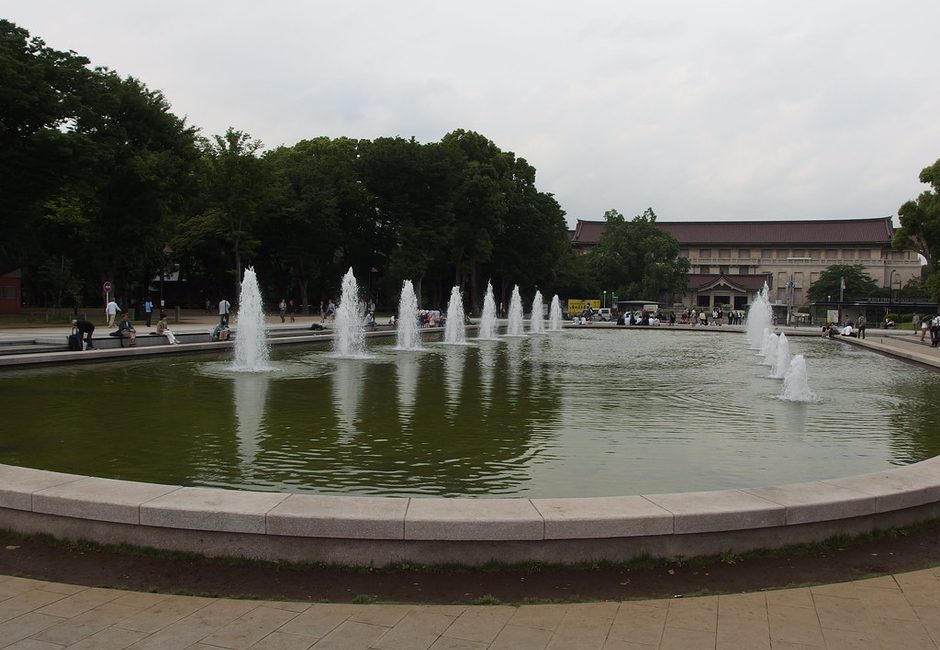
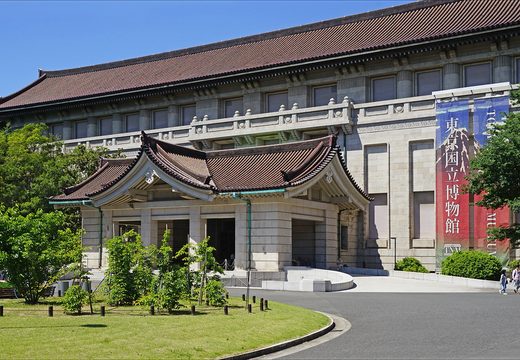
Afternoon in Ueno Park. Three stops on the Ginza line, or a pleasant 25-minute walk. Ueno Park holds the densest cluster of museums in Japan, and on a short trip the move is to pick exactly one. The Tokyo National Museum is the right default, with samurai armour, swords and Buddhist sculpture in the Honkan building, all of it the real thing. It closes on Mondays (the park and Ameyoko don’t). Give it 90 minutes, not four hours, then spend what’s left of the afternoon under the park’s trees or browsing the Ameyoko market stalls that run under the train tracks south of the park.
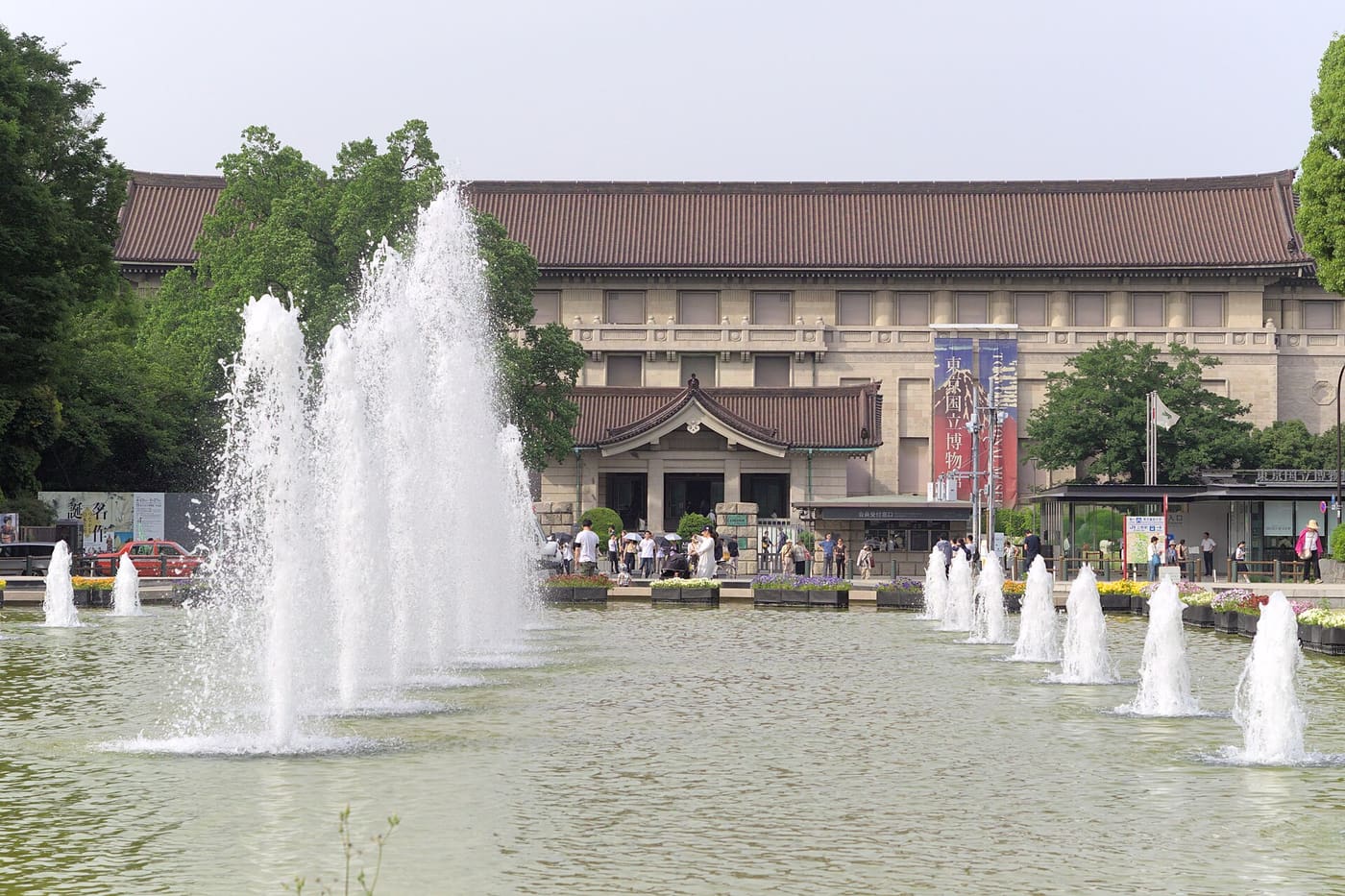
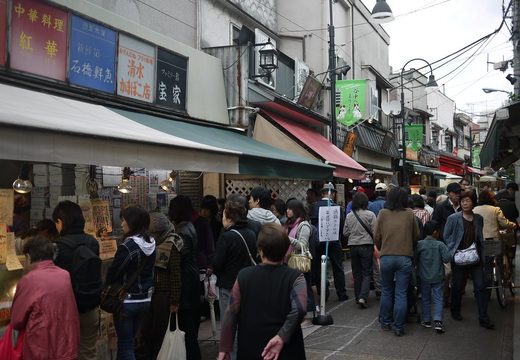
Evening. Which east-side ending? Two good options. For the peaceful one, walk north from Ueno into Yanaka, the temple neighbourhood that survived the earthquake and the war, and stroll Yanaka Ginza as the croquette shops light up for the evening trade. For the louder one, go back to Asakusa for Hoppy Street, a strip of open-fronted izakaya serving beef tendon stew and the eponymous Hoppy (a beer-adjacent drink you mix with shochu) at plastic tables on the pavement. Either way, eat early and sleep early. Tomorrow’s the long one.
Day 2: The west side (Meiji Shrine, Harajuku, Shibuya, Shinjuku)
Today runs down the west side’s spine, and every leg is walkable or one short train hop. This is the day for the Tokyo of the photographs, in an order that works.
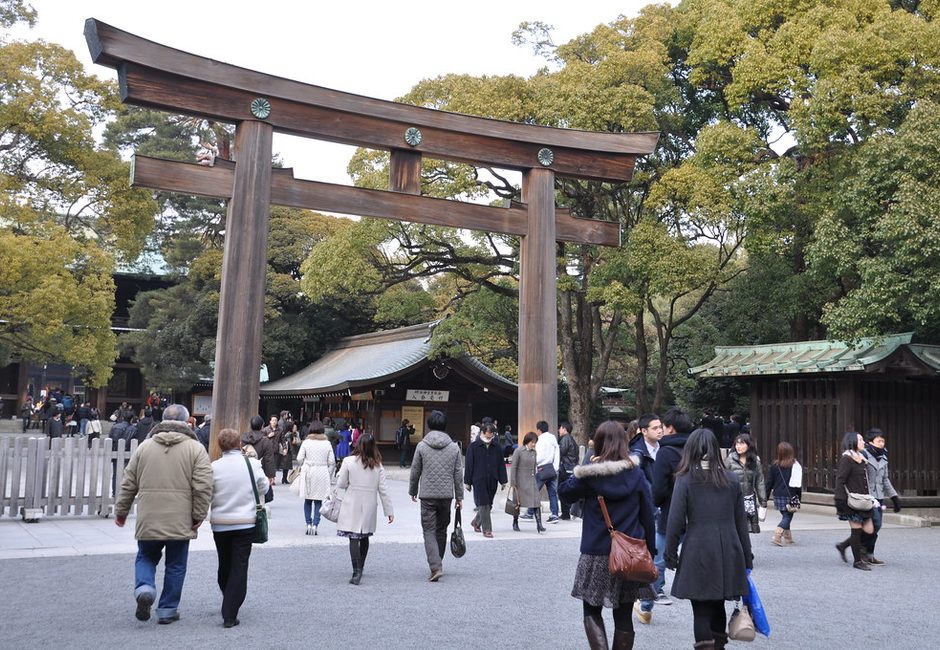
8am at Meiji Shrine. Meiji Shrine sits inside a forest of 100,000 trees in the middle of the city, and the ten-minute gravel walk from the torii gate to the shrine buildings is as much the point as the shrine itself. Go early and the forest is quiet enough to hear. If it’s a weekend, watch for a wedding procession crossing the courtyard.
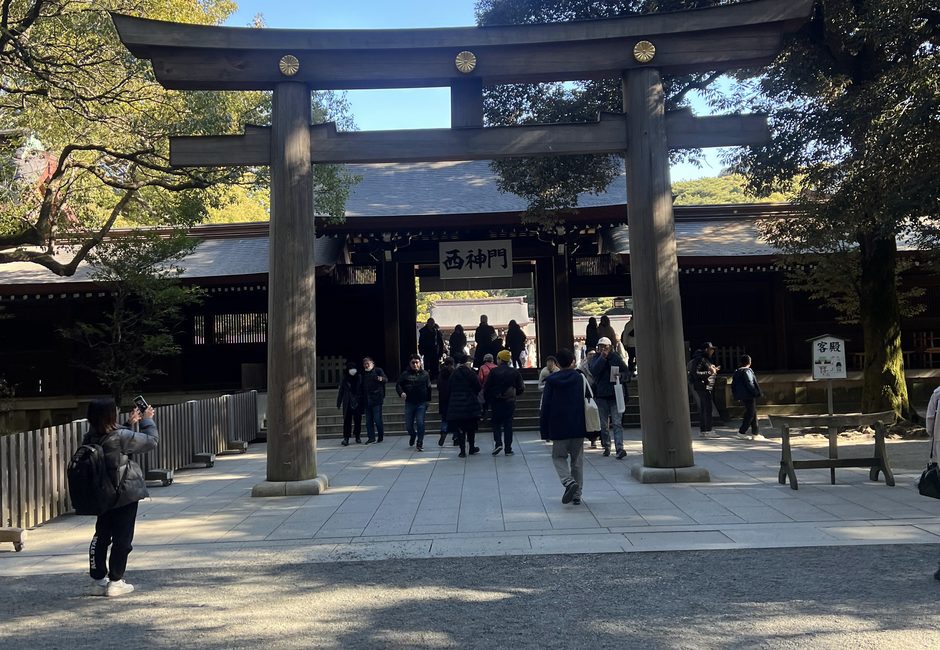
Late morning in Harajuku and Omotesando. Leave the shrine and you’re at the top of Harajuku. Takeshita Street is teenage Tokyo squeezed into 400 metres, crepe stands and pastel shopfronts and sensory overload. One walk-through is enough. Then cut across to Omotesando, the tree-lined avenue where the same city does luxury instead, flagship architecture by Japan’s best-known architects, one building after another. The backstreets between the two, Cat Street especially, are where the good shopping hides.
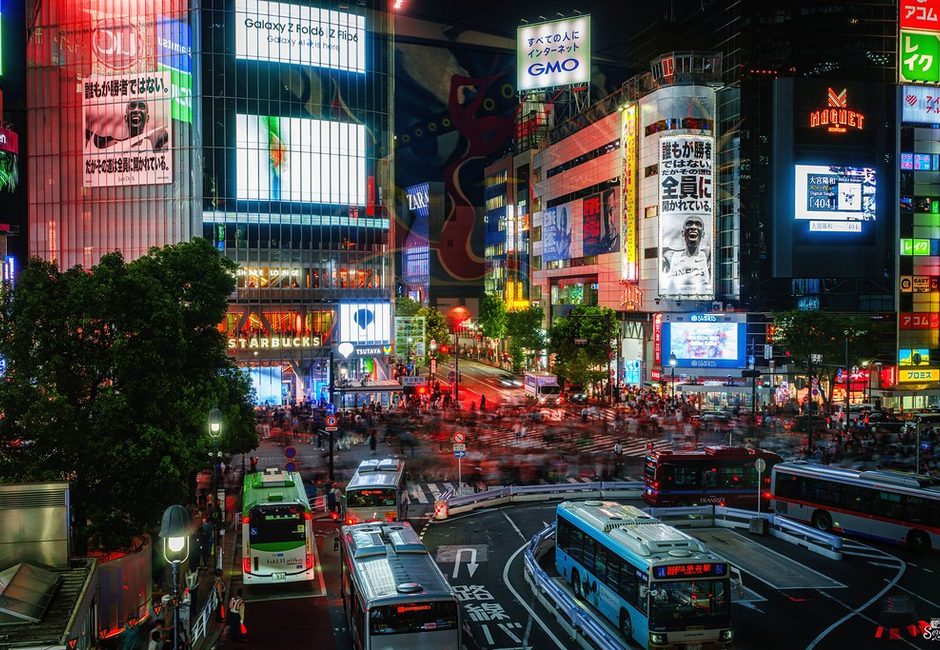
Afternoon in Shibuya. Walk south, downhill, about fifteen minutes into Shibuya. Do Shibuya Crossing twice. Cross it once at street level in the scramble, then find a second-floor window nearby and watch a few cycles from above. It’s worth seeing, and it takes twenty minutes, not an afternoon. Spend what’s left of the daylight in the backstreets, the record shops of Udagawacho and the food floors of the department stores.
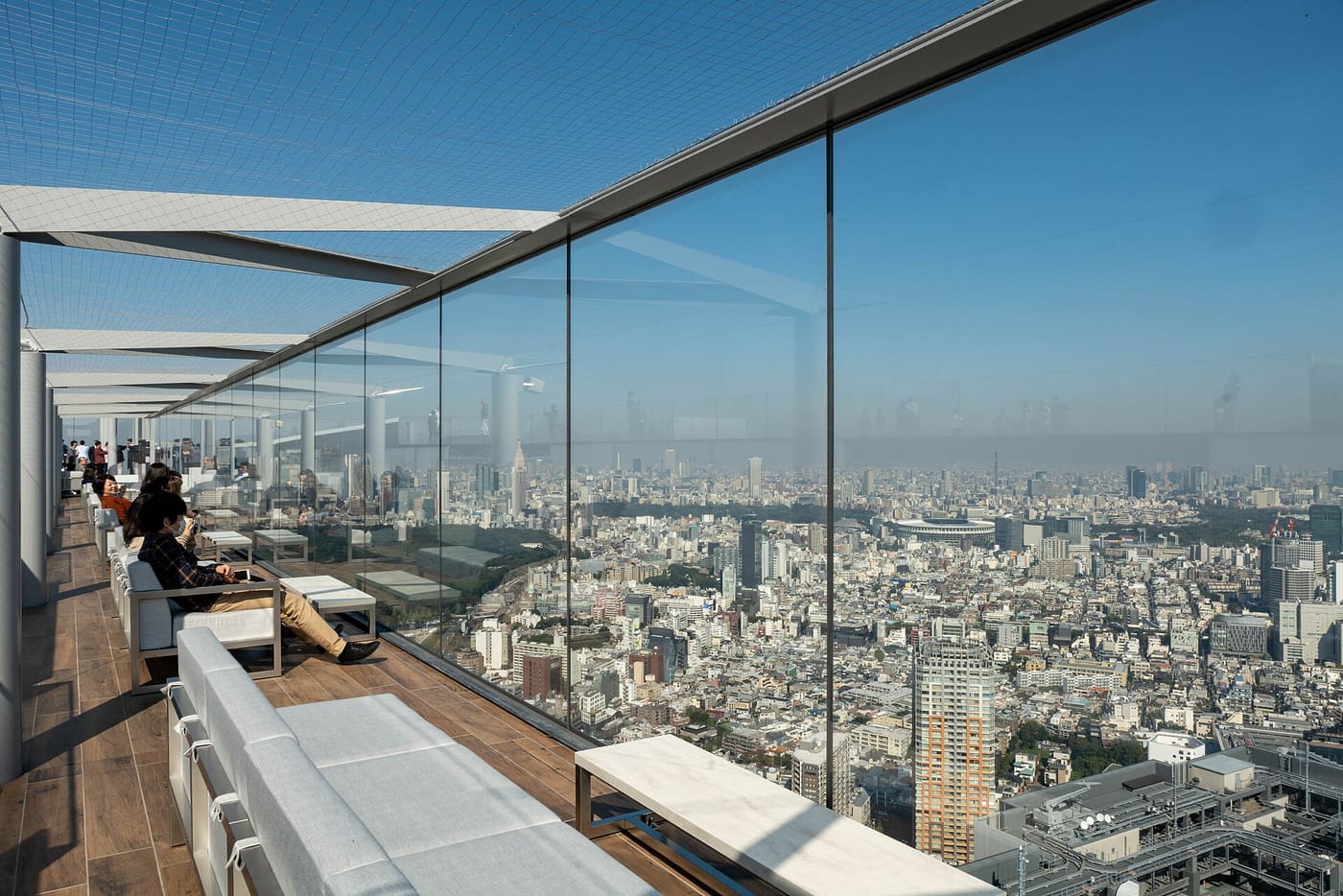
Sunset at Shibuya Sky. Book ahead for Shibuya Sky, the open-air deck 229 metres above the crossing, and take the slot that starts about an hour before sunset. You get the city in daylight, the light changing, Fuji on the horizon if the weather plays along, and the whole basin switching on beneath you. Sunset slots sell out days in advance, so it’s the one reservation on this itinerary to sort before you fly.
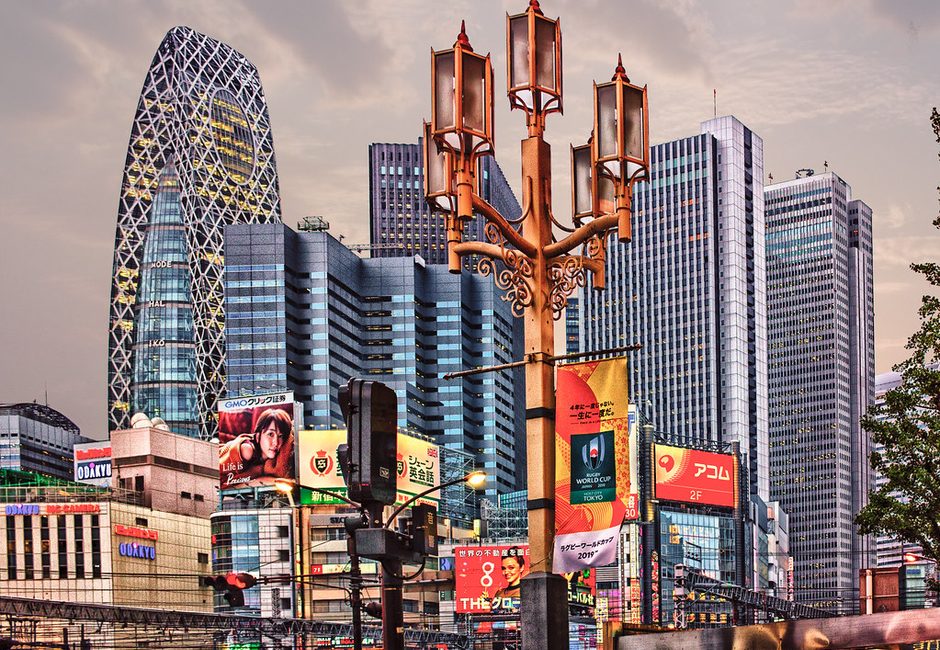
Evening in Shinjuku. About seven minutes on the JR Yamanote line. Start in Omoide Yokocho, the lantern-lit alley of tiny yakitori counters pressed against the tracks by Shinjuku station’s west exit, where a dozen skewers and a beer at a six-seat counter is one of Tokyo’s essential meals. Then walk fifteen minutes east through the neon to Golden Gai, six alleys holding more than 200 bars, most seating fewer than ten people. Look for the bars without a cover charge sign, or with one clearly posted, duck in wherever there’s a seat, and talk to whoever’s next to you. It’s the best single evening in Tokyo, and it needs no plan beyond turning up.
Day 3: Food, art, and one neighbourhood done slowly
The last day trades landmarks for texture. It’s the day short-trip itineraries usually cut, and the day people remember.
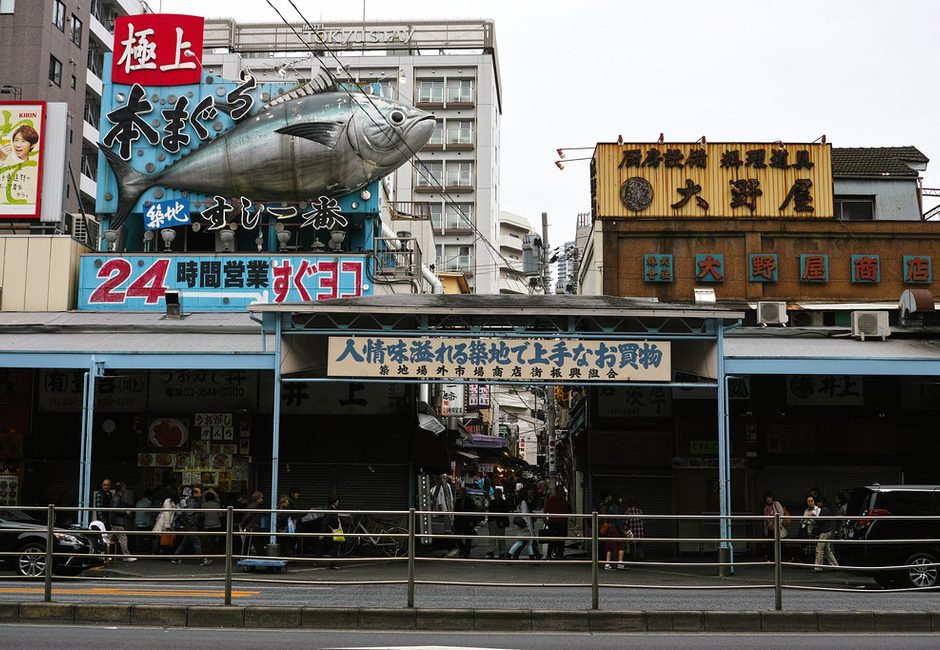
Morning at Tsukiji Outer Market. The wholesale fish auction moved to Toyosu years ago, but the Tsukiji Outer Market stayed behind and it’s still Tokyo’s best breakfast. Get there by 8am, before the crowds thicken, and avoid Sundays and public holidays, when many shops close (some also close on Wednesdays). Then graze. Tamagoyaki (sweet rolled omelette) on a stick, a fresh uni bowl, grilled scallops in the shell, strong coffee from a counter that’s served the market for decades. Eat standing, follow your nose, and stop when you’re full rather than when you’ve finished a list.
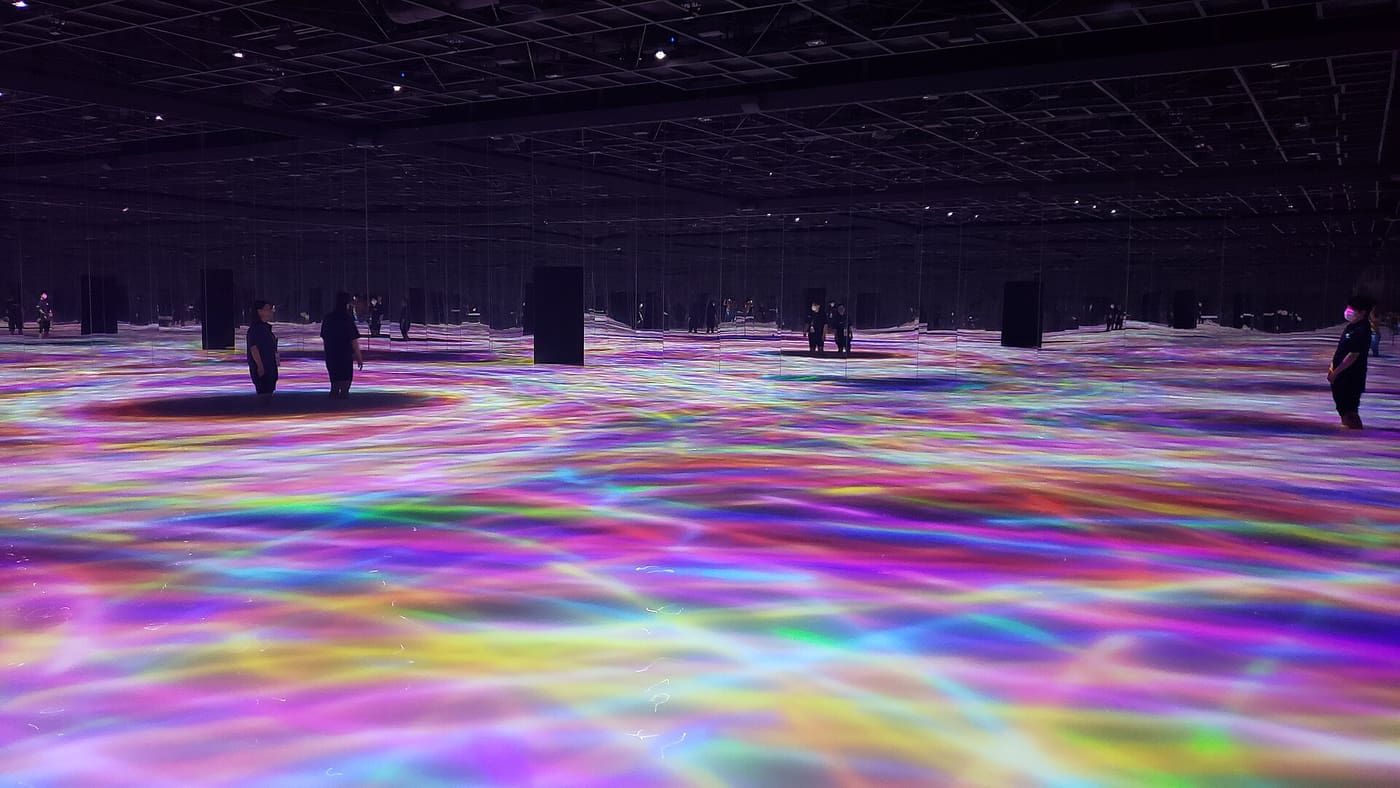
Late morning, teamLab or Ginza? Two forks, both good. The first is teamLab Planets in Toyosu, the barefoot digital art museum where you wade through water in mirrored rooms. It’s all over social media, and it’s better in person than the photos suggest. It sells out, so book it when you book Shibuya Sky. The second is to walk north from Tsukiji into Ginza as the shops open and treat the department store basements, Ginza Six especially, as free food museums. No ticket needed, and the rooftop garden at Ginza Six is a peaceful lunch spot most visitors never find.
Afternoon in Shimokitazawa or Nakameguro. Cross town for one small neighbourhood and give it the whole afternoon. Shimokitazawa is the first choice, a neighbourhood Daniel knows well and a short ride from his corner of Tokyo. It’s a tangle of vintage shops, record stores, curry counters and coffee roasters a few minutes from Shibuya on the Keio Inokashira line, and it runs on its own unhurried schedule. The alternative is Nakameguro, where restaurants and one-off shops line a canal under cherry trees, unbeatable in blossom season and quietly pleasant the rest of the year.
Final evening, one proper izakaya. End the trip the way locals end most weeks, at a neighbourhood izakaya with a rotating cast of small plates and no schedule. Shimokitazawa’s standing bars and live houses make this easy if you’re already there. Order the sashimi set, the fried chicken, whatever the handwritten wall menu suggests, and one more round than you planned.
Where to stay for 3 days
On a short trip, location matters more than on a long one. With seven days, a so-so location costs you a little every day. With three, it can cost you a whole evening, so pay for position.
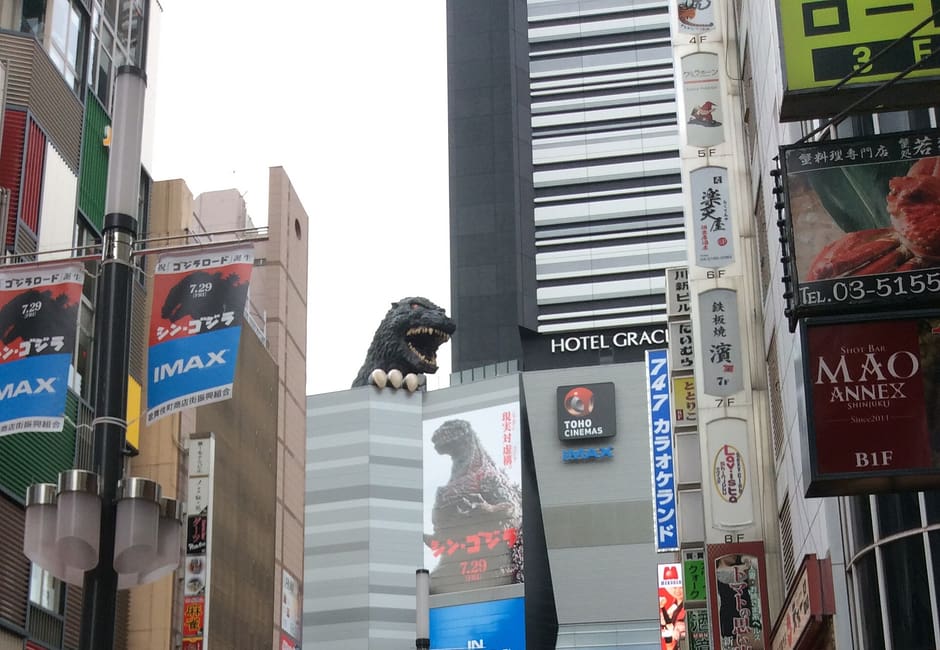
Two bases fit this itinerary best. Shinjuku, ideally the quieter west side of the station, puts you on more train lines than anywhere else in the city, with direct airport services and day two’s evening on your doorstep, which matters when you leave Golden Gai at midnight. Asakusa puts you on the east side, makes the 7am Senso-ji start easy, and is calmer, at the cost of longer rides west. This week’s median nightly rate on the hotel price index is US$262 in Asakusa against US$213 in Shinjuku. Shibuya is a strong third if the nightlife matters more to you than the price.
The where to stay in Tokyo guide compares every base in full, and the first-timer’s area comparison walks through the same decision for a first visit.
Transport notes for a short trip
Get a Suica or Pasmo straight away. Add one to your phone wallet before you land, or buy the card from any airport machine. Tap in, tap out, and it works on every train, bus and convenience store. Don’t buy paper tickets.
Skip the JR Pass. It only pays for itself on long-distance shinkansen trips. Three days inside Tokyo costs roughly ¥800 to ¥1,200 a day in fares on a Suica, a fraction of what the pass costs.
One cluster per day is the whole system. Each day above involves two or three train rides in total, not ten. Don’t bolt Akihabara onto day one or Roppongi onto day two. Whatever you skip becomes the reason to come back, and the things to do in Tokyo guide will still be here when you do.
Trains stop around midnight. Last trains run between roughly 12am and 1am. If Golden Gai runs late, it’s a taxi or a very late night. Plan the Shinjuku evening with that in mind, or stay in Shinjuku and walk home.
If you have a 4th day
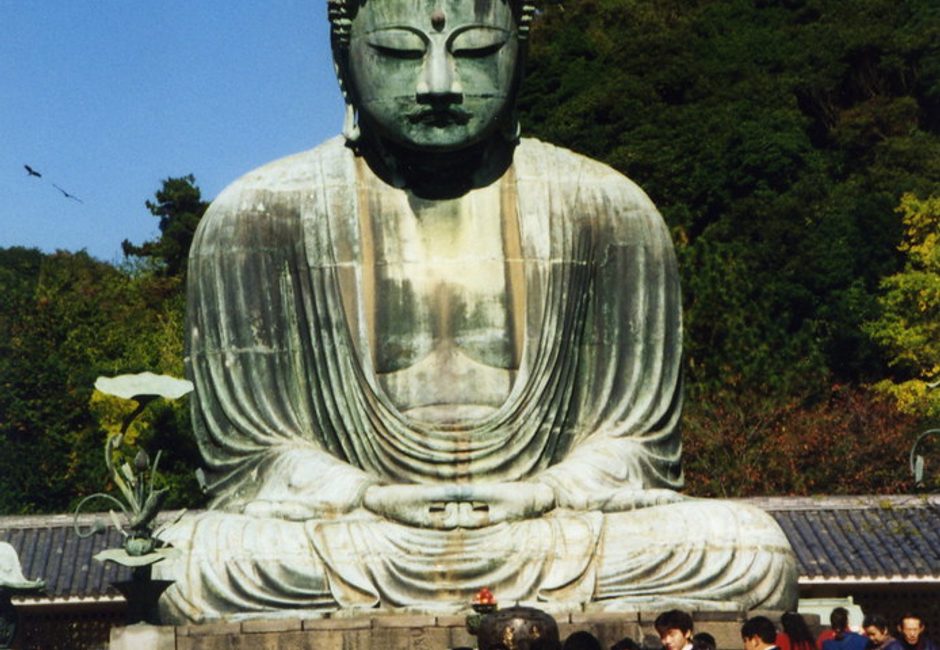
A fourth day changes things, because it buys you the one thing three days can’t, a trip out of the city. Kamakura is an hour south, with the Great Buddha, hillside temples linked by hiking trails and a coastal tram. Hakone is the classic mountain-and-onsen loop with Fuji views. Nikko is the most spectacular shrine complex in the country. The day trips from Tokyo guide weighs all three against each other, and with five or more days the 7-day itinerary shows how a day trip fits into a fuller trip without crowding it.
Frequently Asked Questions
Is 3 days enough for Tokyo?
Enough for a real introduction, not a complete picture. Three days covers the old east side, the modern west side and one neighbourhood at local pace, which is more of Tokyo than many week-long visitors take in. What it doesn’t allow is depth. The museum day, the second wander through a neighbourhood you liked, the day trip. Treat three days as the visit that tells you whether to come back for seven. The answer is nearly always yes.
Do I need a JR Pass for 3 days in Tokyo?
No. The JR Pass is a long-distance rail product, and it only makes financial sense if you’re covering serious shinkansen ground, such as Tokyo to Kyoto and back. For three days inside the city, a Suica or Pasmo card is all you need, and your total train spend will probably come in under ¥4,000 for the whole trip. Save the pass for a multi-city Japan trip.
What is the best area to stay for a short Tokyo trip?
Shinjuku, for most people. It has the best train connections in the city, direct airport service, and enough food and nightlife that your evenings need no commute. Asakusa is the atmospheric alternative and puts the day-one temple start on your doorstep, at the cost of longer rides west. On a three-day trip, avoid anywhere that needs a transfer to reach the Yamanote line. The first-timer’s guide to choosing an area breaks the decision down in detail.
Can I fit in a day trip with only 3 days?
No, and it’s worth being firm about this. A day trip eats a full third of the visit, plus the transit at both ends, and Tokyo itself will fill three days several times over. Kamakura, Hakone and Nikko are all wonderful, and all better saved for a longer visit where they can breathe. Read the day trips from Tokyo guide to plan the return trip instead.
Places in this guide
Photos show the actual places, licensed under Creative Commons and credited to their photographers.
Find hotels in Tokyo
Browse live availability and compare prices for your dates.
See hotels near Tokyo on Booking.comPrices are for the night of Saturday 24 October. You can change the dates on Booking.com. If you book, Roam Tokyo earns a small commission from Stay22 at no extra cost to you.