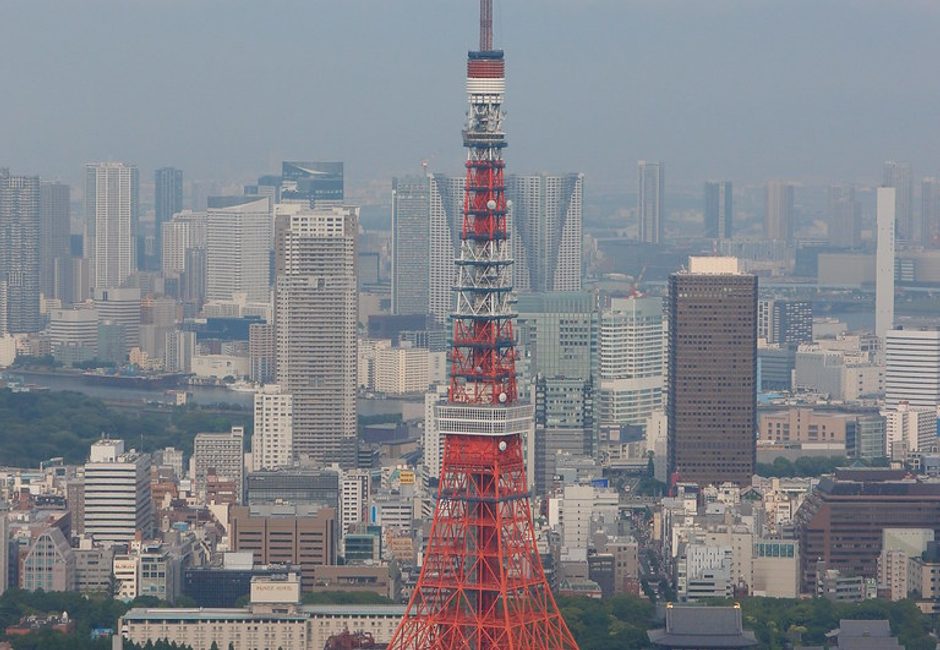
Tokyo Itinerary: 4 Days That Add the One Thing 3 Days Misses
A 4-day Tokyo itinerary: the east side, the west side spine, a market and neighbourhood day, then Kamakura or Kichijoji and Ghibli, with trains that add up.
Four days is the shortest Tokyo trip that doesn’t force a sacrifice. Three days covers both halves of the city and one neighbourhood at walking pace, and it manages that by cutting exactly one thing, the day outside Tokyo. A fourth day puts it back. The whole 3-day plan stays intact, and the extra day goes an hour south to Kamakura, where a Great Buddha sits in the open air among hillside Zen temples. Or, if you’ve already got Ghibli Museum tickets, it goes west to Kichijoji, a perennial favourite in surveys of where Tokyo residents would like to live.
Nothing else in the plan changes, because it didn’t need to. One side of the city per day, two or three train rides between stops rather than ten, evenings that end near where the afternoon finished. Day one is the east side and the old city. Day two is the west side and the Tokyo of the photographs. Day three is a fish market, one art or shopping fork and a small neighbourhood taken slowly. Day four leaves the centre.
The fourth day is often the one people talk about afterwards, and it makes the first three feel more like Tokyo rather than less, because a day of sea air and temple steps gives the city something to be measured against.
Every place below is pinned on the interactive Tokyo travel map with its station, cost and what’s within walking distance. Keep it open. The 7-day itinerary shows where this plan grows if the trip does.
Day 1: The old east side (Asakusa, Kappabashi, Ueno)
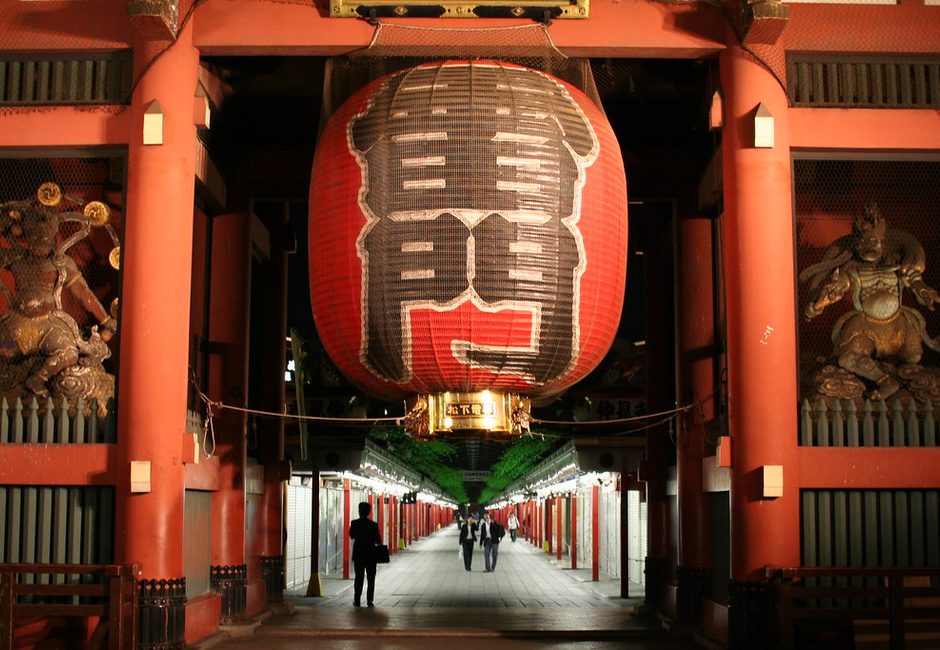
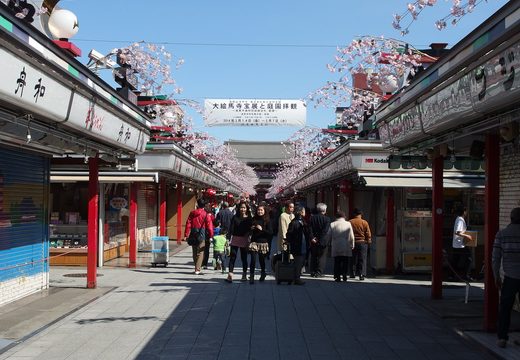
Jet lag is a tool on day one. Use it to reach Senso-ji Temple by 7am, when the incense is already burning and there’s almost nobody else there. The Kaminarimon gate with its giant red lantern, the long paved approach, the main hall, the five-storey pagoda, all of it quiet enough at this hour that the temple reads as a place of worship rather than a backdrop. Three hours later the same ground is shoulder to shoulder. Timing matters more here than anywhere else on the plan.
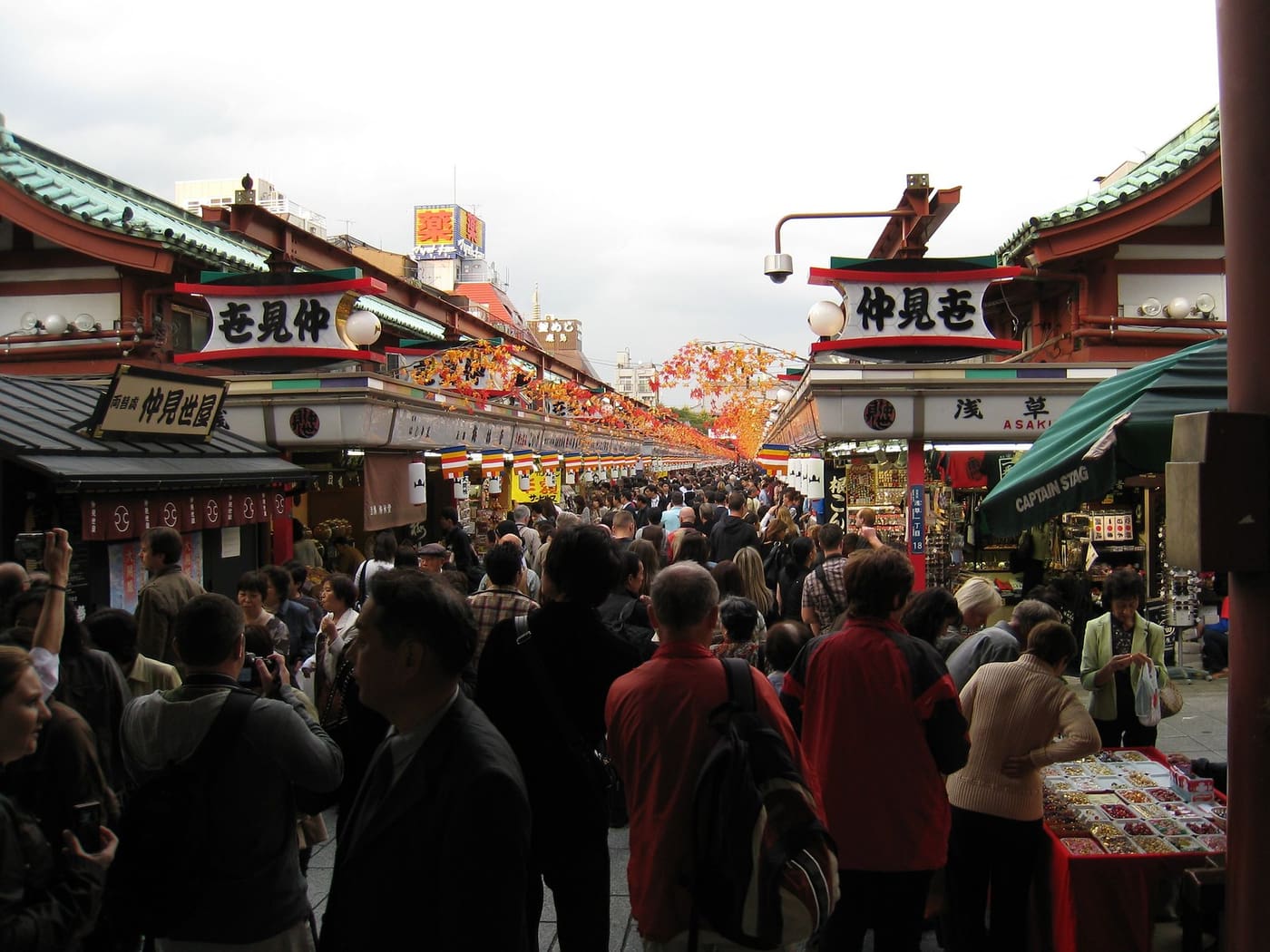
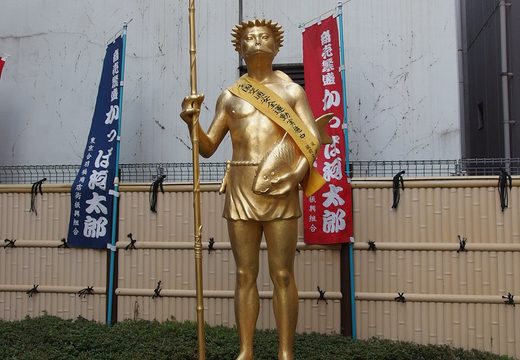
Morning. Nakamise Shopping Street runs between the gate and the temple, and most shutters roll up from around 9am. Walk it towards the temple while the painted shutters are still down (they’re a mural sequence in their own right), then back down as the sweet shops open. Ningyo-yaki, small sponge cakes filled with red bean paste, are best eaten within a minute of leaving the mould. Then walk ten minutes west to Kappabashi Kitchen Town, a long street of restaurant suppliers. Knife shops, ceramics by the crate, the plastic sample dishes that fill every restaurant window in Japan. It’s a working street rather than a tourist one, which is exactly why it’s the best souvenir stop in the city. Most shops close on Sundays.
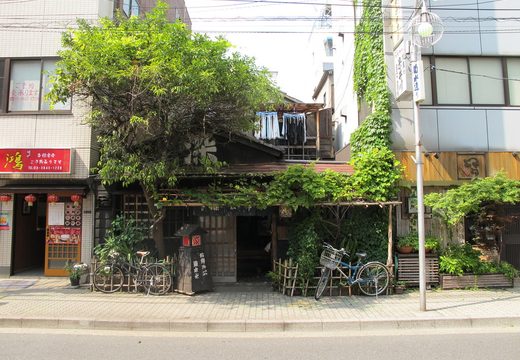
Lunch. Back towards the temple, Sometaro serves okonomiyaki you cook yourself on a hotplate set into a low table, inside a wooden house that predates the war. Shoes off at the door. It’s slow and messy, and the right first proper meal in Tokyo.
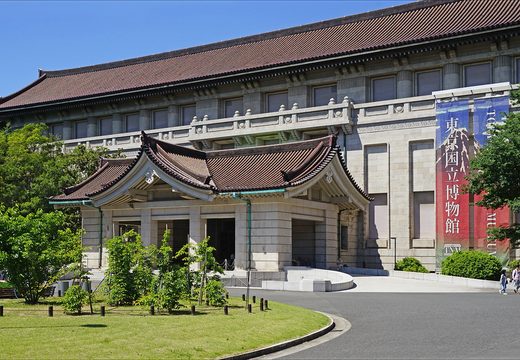
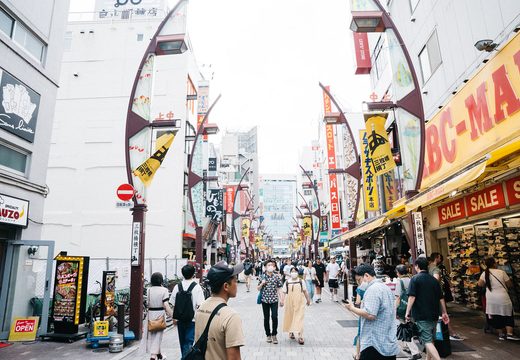
Afternoon. Three stops on the Ginza line to Ueno, or a 25-minute walk if your legs are willing. Ueno Park holds more museums than any short trip can use, so pick one and commit. The Tokyo National Museum is the safe choice, with the Honkan building’s swords, samurai armour and Buddhist sculpture covering the whole sweep of Japanese art in 90 focused minutes (closed Mondays). Afterwards, the stalls of Ameya Yokocho run under the train tracks south of the park, selling dried fish, cheap sneakers and skewers in roughly equal measure.
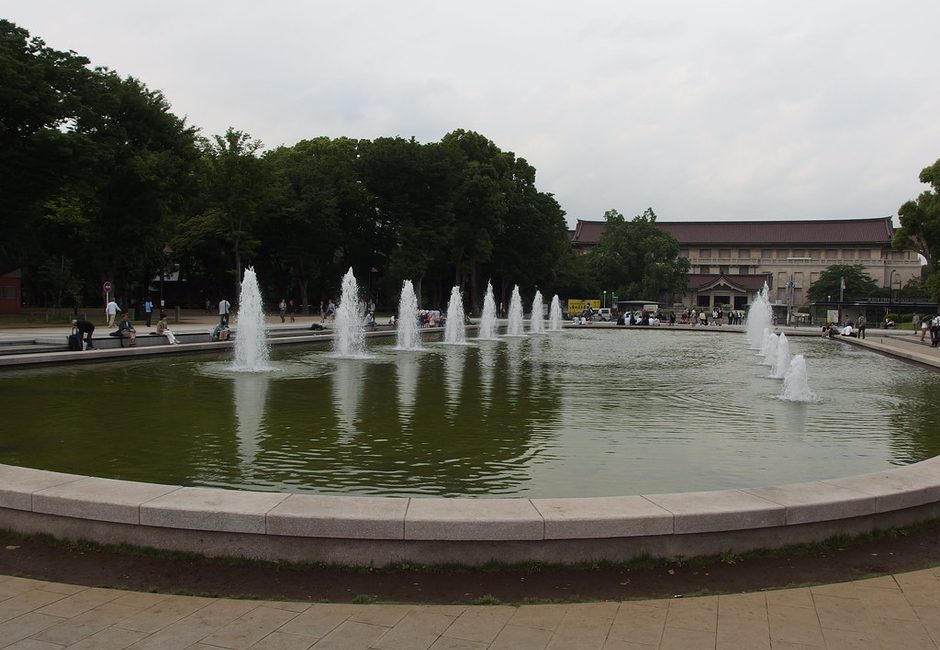
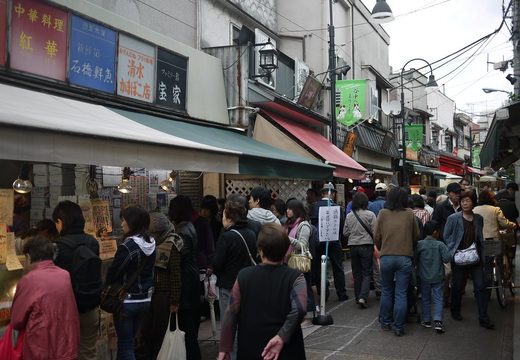
Evening. Two endings. The quiet one walks north from Ueno into Yanaka, where Yanaka Ginza sells croquettes and menchi-katsu from open counters as the lanterns come on and the resident cats start their patrols. The loud one heads back to Asakusa for Hoppy Street, a strip of open-fronted izakaya where beef tendon stew and a Hoppy (a beer-flavoured mixer you top with shochu) land on plastic tables on the pavement. Either way, finish early. Day two’s the long one.
Day 2: The west side spine (Meiji Shrine, Harajuku, Shibuya, Shinjuku)
Today runs south then north along the west side’s main artery, and every leg is either walkable or one short hop on the Yamanote line. It’s the day for the famous Tokyo, in an order that stops the famous parts eating the whole day.
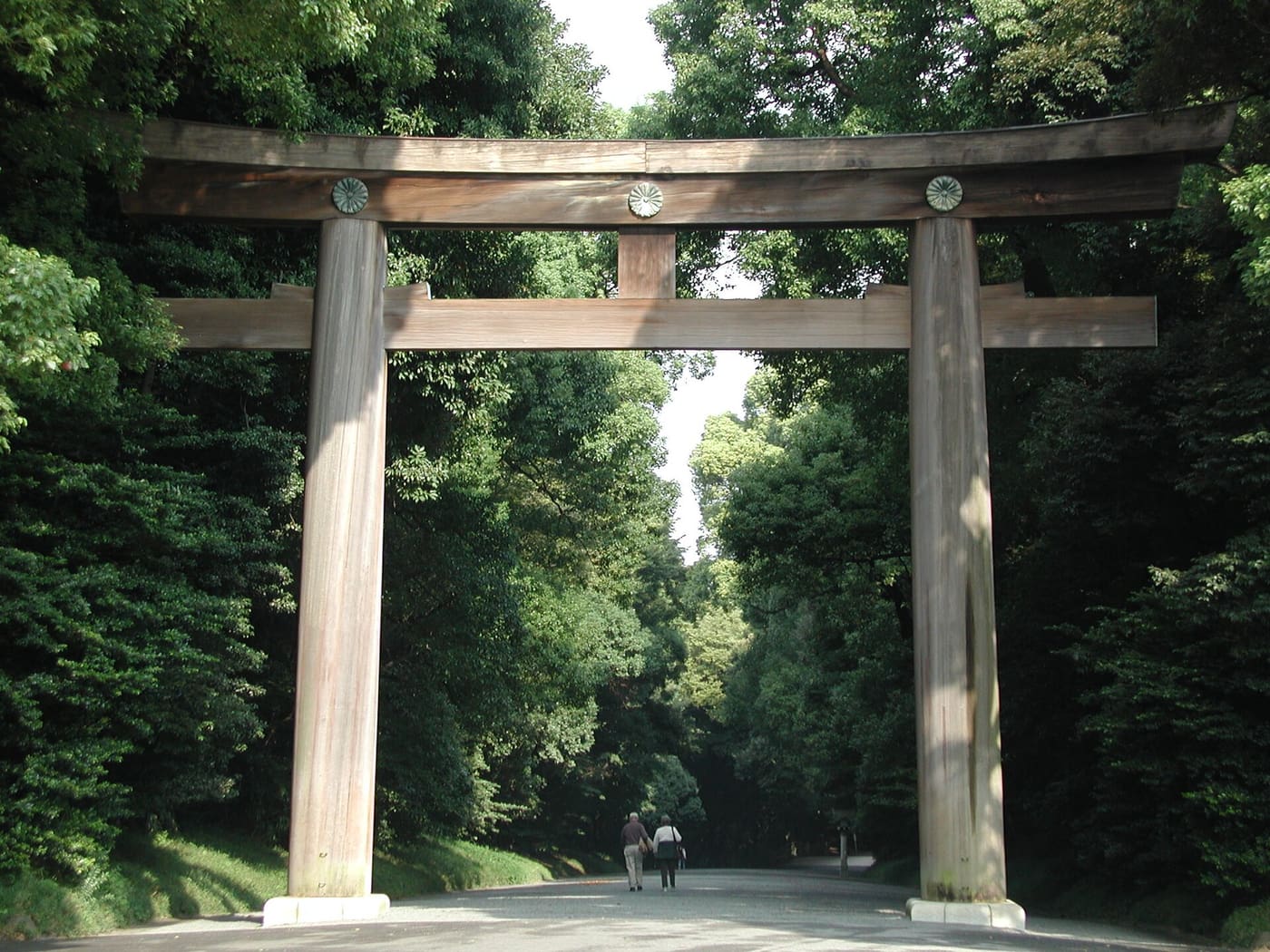
Morning. Meiji Shrine by 8am. The gravel path from the torii gate to the shrine buildings runs through a planted forest of 100,000 trees, and at this hour the loudest thing in it is the crunch under your feet. Give the walk the time it wants. On weekends, a Shinto wedding procession crossing the courtyard is common enough to hope for.
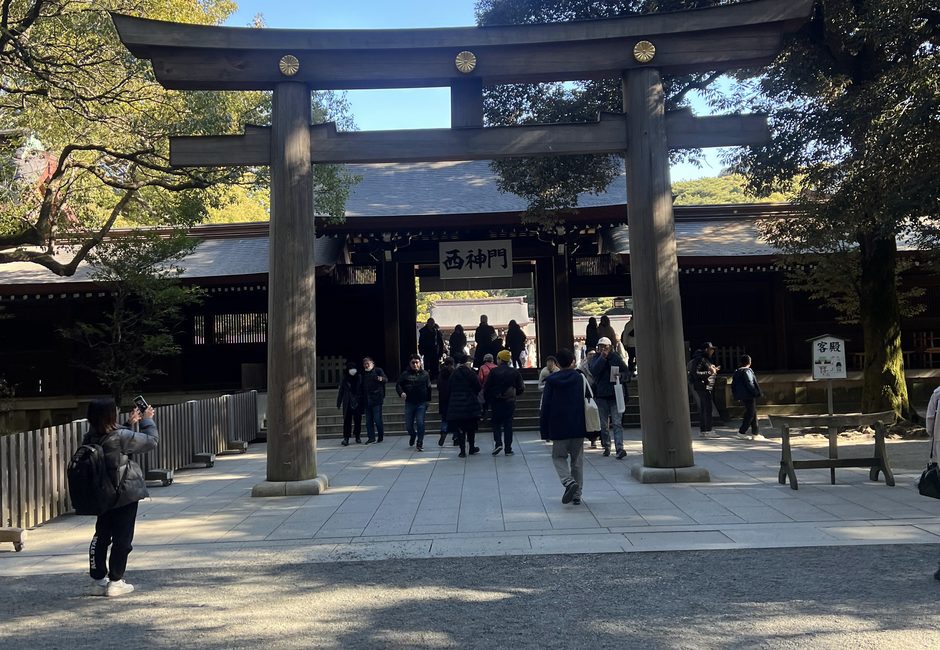
Leave the shrine and you’re in Harajuku straight away. Takeshita Street is 400 metres of crepe stands, pastel shopfronts and teenagers dressed with more commitment than most adults manage, and it takes one pass, no more. Cut through Cat Street, the back lane of small labels and coffee windows that runs between Harajuku and Shibuya, and detour to Omotesando for the flagship architecture, one glass facade after another by the country’s best-known architects. Lunch is Harajuku Gyoza Lou, pan-fried dumplings, a beer and a bill that barely reaches four figures.
Afternoon. Follow Cat Street downhill into Shibuya, about fifteen minutes on foot. Do Shibuya Crossing once at street level, then once from a window above it, and that’s the box ticked. Miyashita Park has a rooftop lawn a few minutes away for a sit-down, and Tower Records Shibuya is nine floors of the physical music shop that disappeared everywhere else on earth.
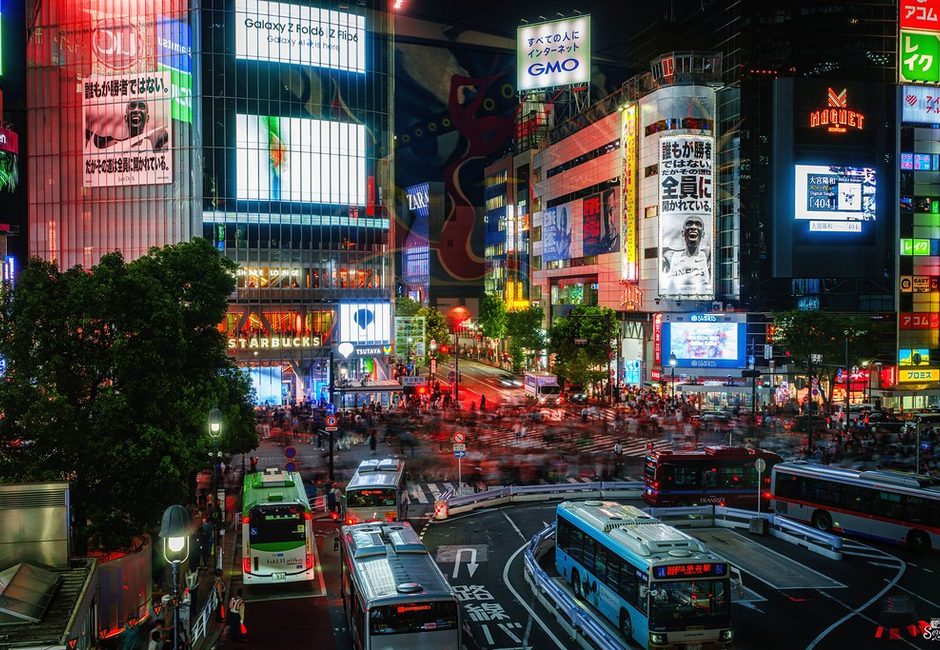
Sunset. Shibuya Sky is the one ticket on this itinerary to book before you fly. Take the slot that starts an hour before sunset and stay for the switch-on, the city in daylight, then the lights, and Fuji on the horizon if the air’s clear. Sunset slots sell out days ahead.
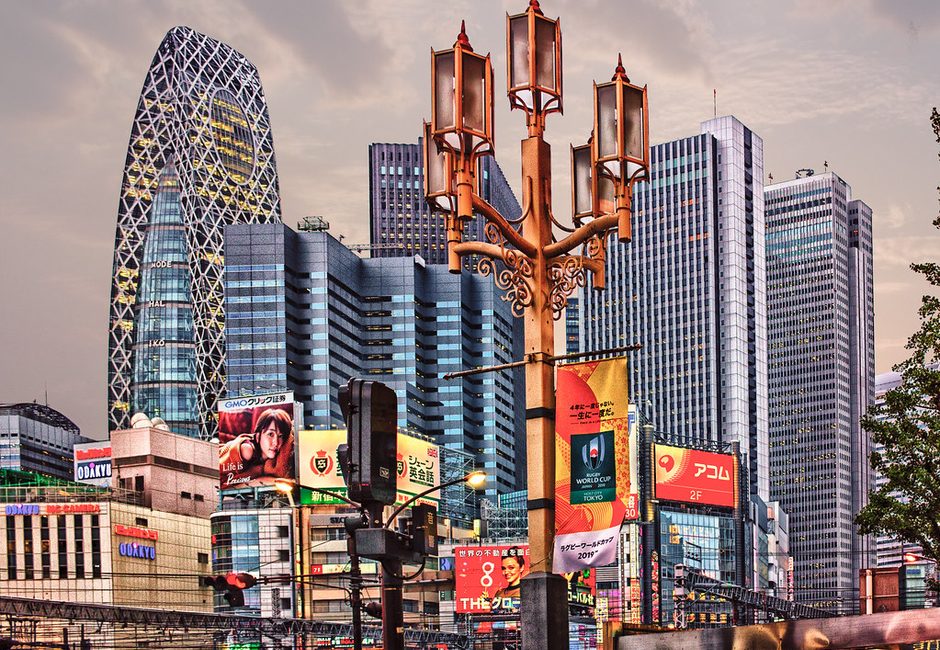
Evening. About seven minutes on the Yamanote line to Shinjuku. Omoide Yokocho is a lantern-lit alley of yakitori counters wedged against the tracks by the west exit, where a dozen skewers at a six-seat bar is an essential Tokyo meal. Then walk east through the neon to Golden Gai, six narrow lanes of bars that seat eight or ten people each. Pick one with a cover charge posted clearly or none at all, take the open stool and see where the conversation goes. The Shinjuku neighbourhood guide has more on the ward if you want the wider picture.
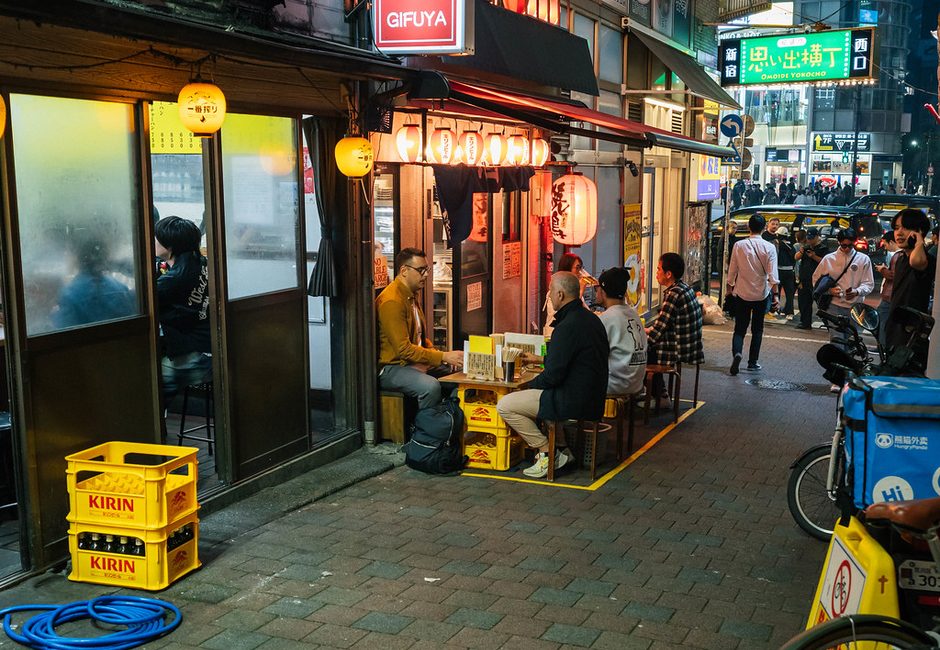
Day 3: Fish market, one fork, and a neighbourhood taken slowly
The third day trades landmarks for texture. It’s the day a rushed itinerary cuts first and the day people remember longest.
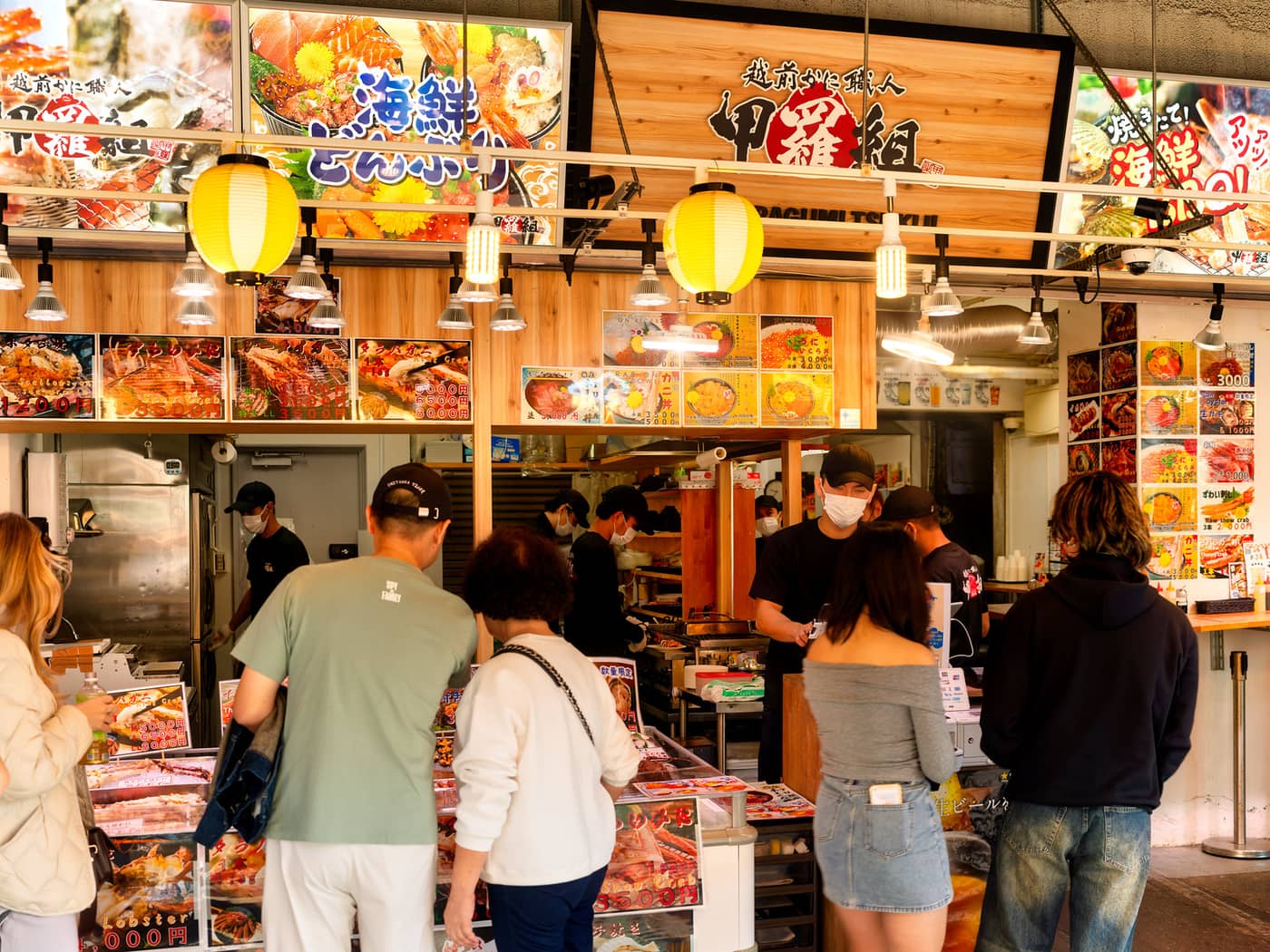
Morning. The Tsukiji Outer Market stayed put when the wholesale auction moved to Toyosu, and it’s still the best breakfast in the city. Be there by 8am and graze. Tamagoyaki on a skewer, grilled scallop in the shell, an uni bowl, coffee from a counter that’s served the market for decades. Stop when you’re full rather than when you’ve finished a list.
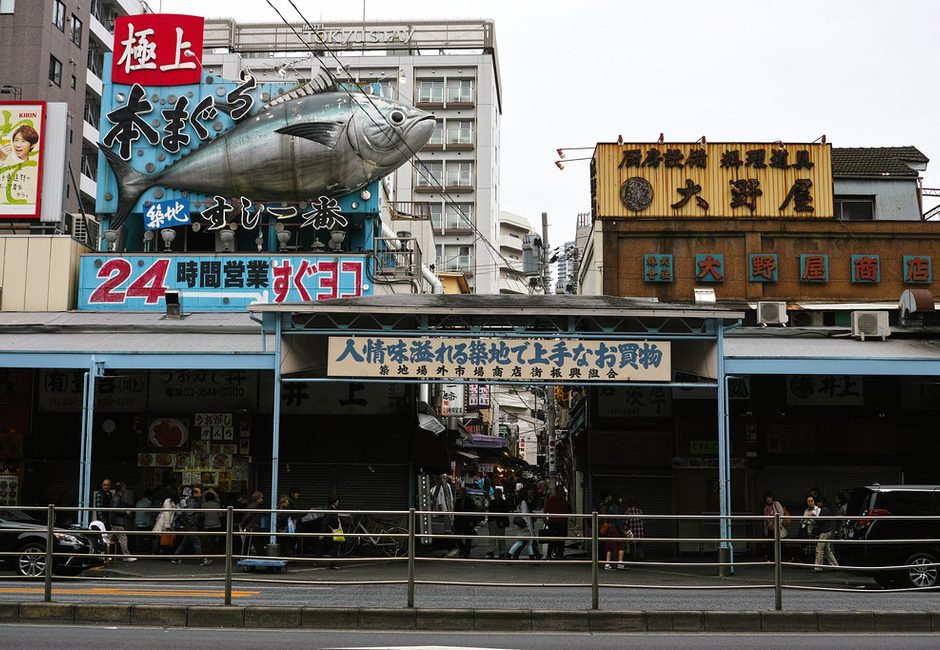
Late morning fork. Option one is teamLab Planets in Toyosu, the barefoot museum where you wade through knee-deep water in mirrored rooms. Everyone’s seen it on a phone screen, and it still lands harder in person. It sells out, so book it alongside Shibuya Sky. Option two is to walk north into Ginza as the shops open and treat the basement food halls of Ginza Six as a free museum of wagashi, bento and things you didn’t know could be gift-wrapped. Itoya Ginza, twelve floors of stationery, is the best rainy-morning shop in Tokyo.
Afternoon. Cross town for one small neighbourhood and give it everything left in the day. Shimokitazawa is the pick, a neighbourhood Daniel knows well and a short ride from his corner of Tokyo. Vintage shops by the dozen along the Shimokitazawa vintage streets, Sidewalk Coffee Roasters for the mid-afternoon reset, Shimokitazawa curry row for a late lunch chosen by smell. The Shimokitazawa neighbourhood guide explains why the area matters. The alternative is Nakameguro, where restaurants and one-off shops line a canal under cherry trees. It’s at its best in blossom season and quietly good the rest of the year.
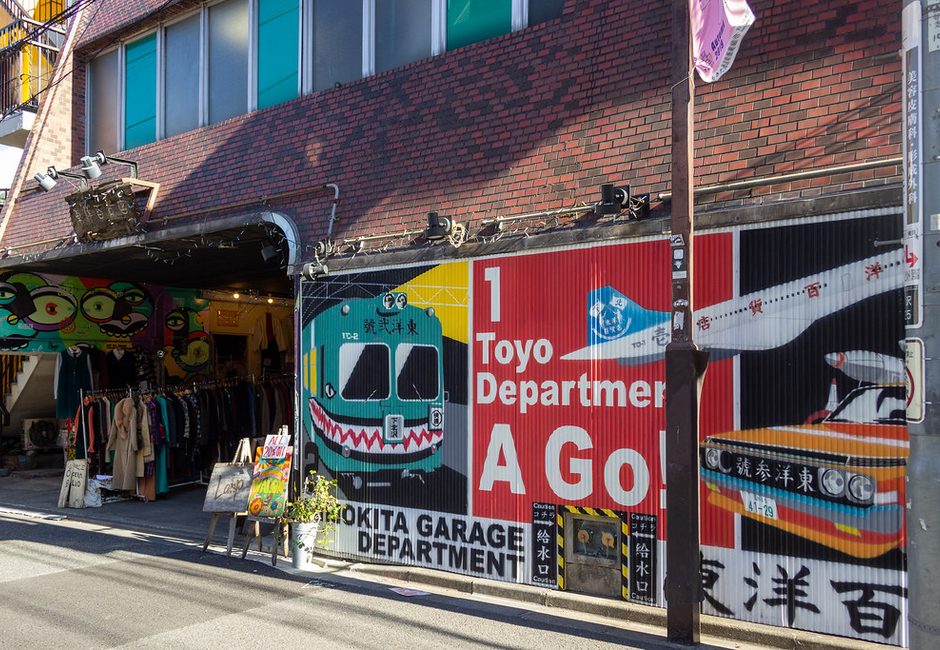
Evening. One proper izakaya. In Shimokitazawa, Shirubee opens at 5pm with a counter wrapped around an open kitchen and a menu of classics with twists, and an entrance that’s easy to walk past twice. Book it or be there at opening. Afterwards, Coaster Craft Beer & Kitchen for a nightcap, or one of the Shimokitazawa live venues if a listing catches your eye. The door price usually includes a drink.
Day 4: Kamakura, or Kichijoji and the Ghibli Museum
This is the day three-day visitors don’t get. Two versions, and the choice is made for you if you’ve got Ghibli tickets.
Version A: Kamakura by the sea
Kamakura was Japan’s capital for roughly 150 years in the medieval period, and it’s spent the centuries since turning into a seaside temple town an hour from central Tokyo. The JR Yokosuka line runs there direct from Tokyo Station, and the Shonan-Shinjuku line does the same from Shinjuku and Shibuya, both in about an hour and both on a Suica.
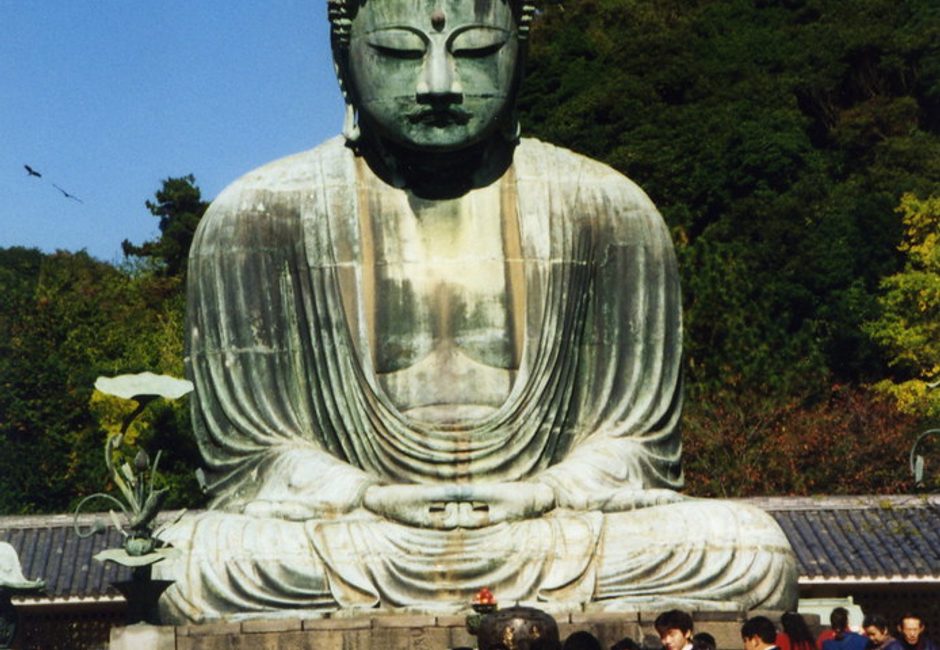
Leave by 8am and get off one stop early at Kita-Kamakura for the Zen temples of Engaku-ji and Kencho-ji. From there the Daibutsu hiking trail runs about three kilometres over a wooded ridge to Kotoku-in, but it’s had long closures after typhoon damage, so check its status first. The fallback is to walk on to Kamakura station and ride the Enoden three stops to Hase. Kotoku-in’s Great Buddha has sat outdoors since a tsunami took its hall in the fifteenth century, 11 metres of bronze in a courtyard. Ten minutes on foot brings you to Hase-dera, whose hillside terraces look out over the bay, then it’s a short walk to Hase station on the Enoden, the two-carriage tram that rattles along the coast.
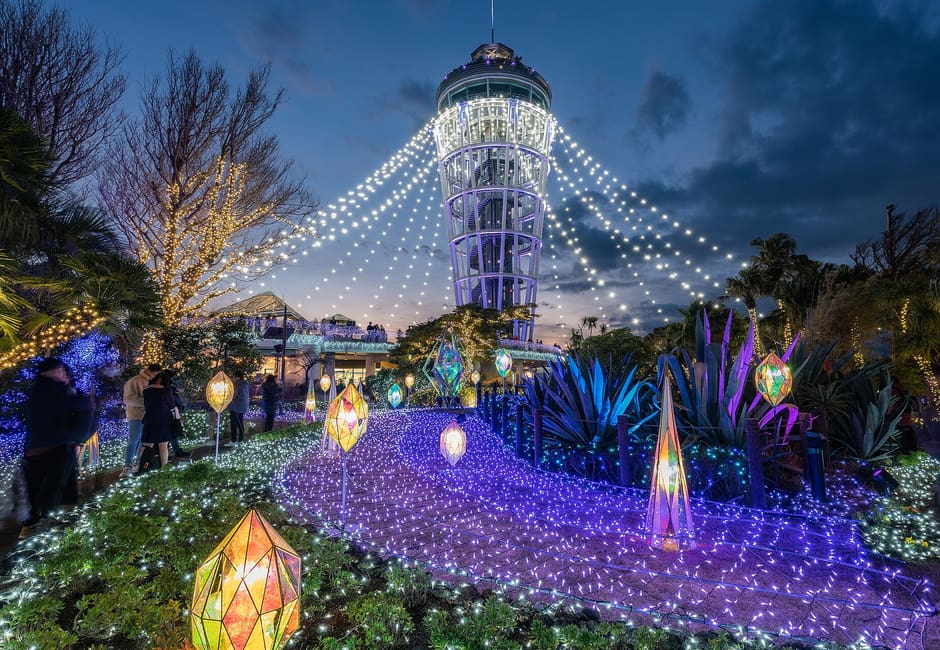
From here the afternoon depends on your appetite. Ride the Enoden west to Enoshima, a shrine island reached by a long footbridge, with shrines stacked up its slopes and Fuji floating above the bay on clear winter days. Or ride it east back to Kamakura station, eat shirasu-don (a bowl of whitebait, raw or boiled, over rice, the local dish) on Komachi-dori, and walk up to Tsurugaoka Hachimangu, the shrine that anchors the town. Be back on the train by 6pm and in Tokyo for a last dinner near the hotel.
The full step-by-step version, with train times and the order to walk the temples in, is in the Kamakura day trip guide. Avoid summer weekends, when the whole of Tokyo has the same idea.
Version B: Kichijoji and the Ghibli Museum
Ghibli Museum tickets go on sale at 10am Japan time on the 10th of each month for the following month, and weekend slots go fast, so this version only exists if you booked before you flew. The museum’s closed on Tuesdays. If the booking worked, the day’s easy. A Chuo line rapid runs from Shinjuku to Kichijoji in about 15 minutes.
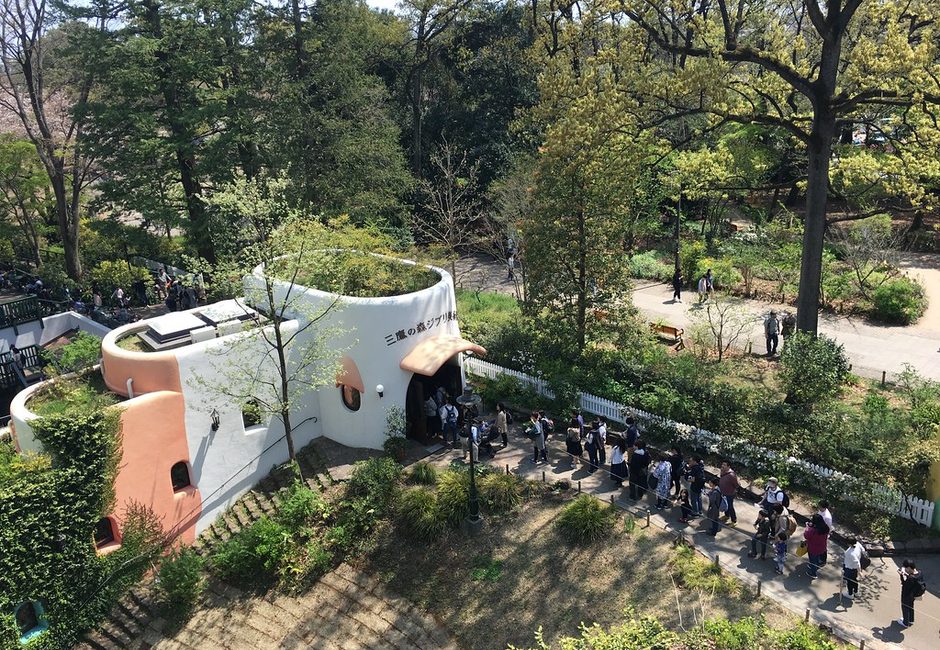
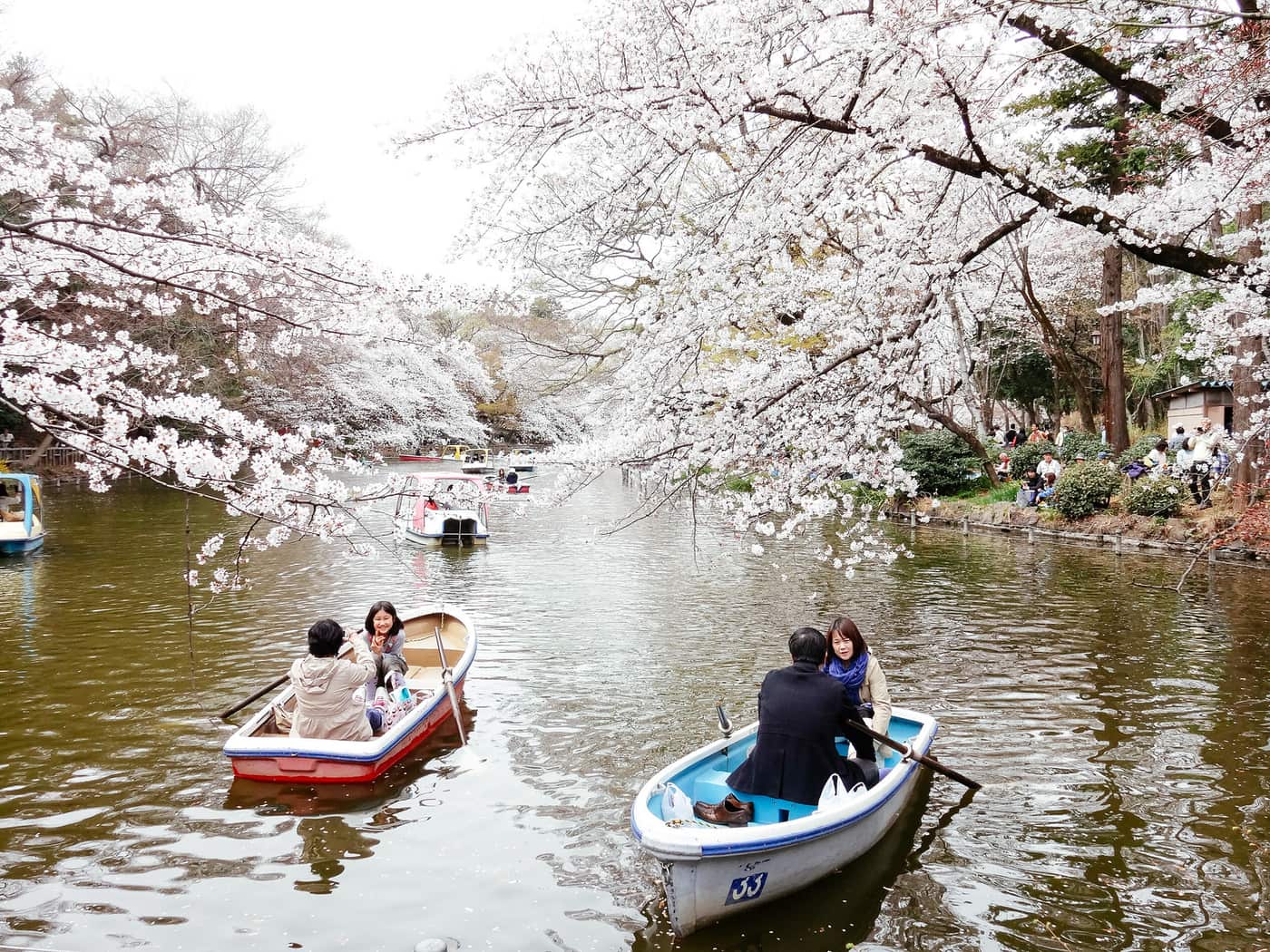
Start in Inokashira Park, the lake at the heart of the neighbourhood, with rowboats for rent and a small zoo. Walk the wooded path through the park’s southern end to the museum in Mitaka, about fifteen minutes, and give Miyazaki’s building the two or three hours it deserves. There’s a short film shown nowhere else, the Catbus room for young children and the rooftop robot. Back in Kichijoji, the streets radiating from the station are full of independent shops, and Harmonica Yokocho by the north exit is the evening, a warren of former black-market alleys where the fish stalls close and the standing bars open around 6pm. The Kichijoji neighbourhood guide covers the area in more depth.
One scheduling note. If your flight home leaves on the afternoon of day four, swap days three and four. A slow Tokyo neighbourhood day is easy to shorten for an airport run. A Kamakura day isn’t.
Where to stay for this plan
Four days is long enough that a slightly cheaper, slightly further base doesn’t cost you much, but short enough that one bad location can still eat an evening. Position is still worth paying for.
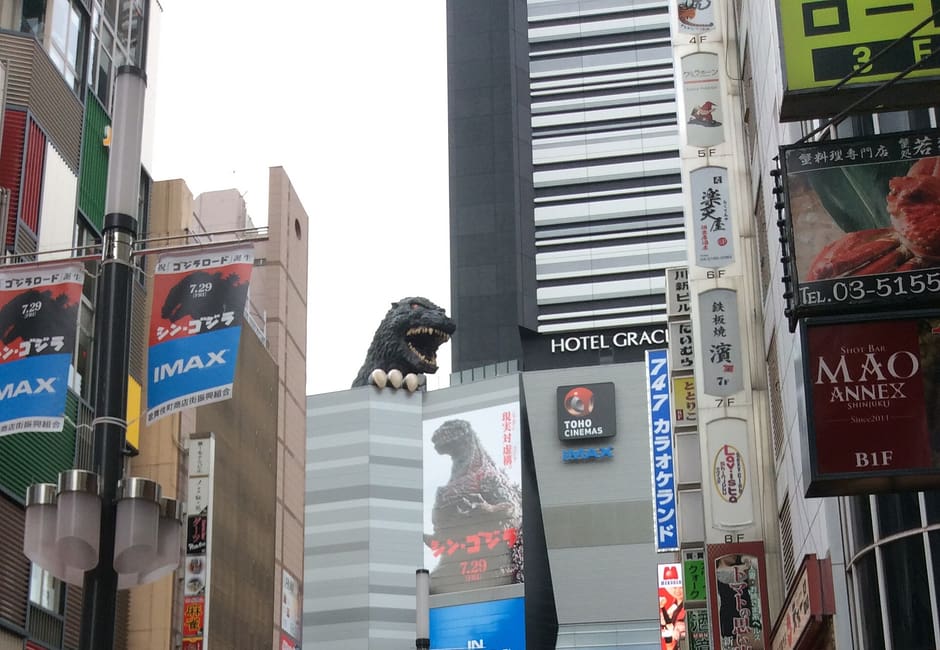
Shinjuku is the best fit for this plan. Day two ends there, so you’ll walk home from Golden Gai. The Shonan-Shinjuku line runs direct to Kamakura and the Chuo line runs direct to Kichijoji, so day four needs no transfers under either version. The Shinjuku where-to-stay guide covers the sub-areas.
Asakusa makes the 7am Senso-ji start a five-minute walk, at the price of longer rides west on days two and three. The hotel price index shows this week’s median there at US$262 a night. The Asakusa where-to-stay guide explains which side of the temple to book. Shibuya is the third option if your evenings matter more than the room rate.
The where to stay in Tokyo guide compares every base in full, and the first-timer’s area comparison walks through the decision for a first visit.
Transport notes
Suica or Pasmo, straight away. Add one to your phone wallet before you land or buy the physical card from an airport machine. It covers every train, bus and most convenience stores on this plan, including the Kamakura trip and the Enoden tram. Paper tickets are a waste of time.
No JR Pass. The pass is a shinkansen product. Four days inside Tokyo runs roughly ¥800 to ¥1,200 a day in fares, and the Kamakura round trip adds about ¥2,000. The pass costs many times that.
One neighbourhood per day. Each of the four days above involves two or three train rides in total. Bolting Akihabara onto day one or Roppongi onto day two is exactly how a trip turns into a memory of platforms. Whatever you skip is the reason to come back, and the things to do in Tokyo guide lists plenty of it.
Day four trains. For Kamakura, look for a Yokosuka line train marked Zushi, Yokosuka or Kurihama from Tokyo Station. From Shinjuku, Shonan-Shinjuku line trains bound for Zushi run direct, and Odawara-bound ones need a change at Ofuna. Last trains back into Tokyo run until roughly 11pm, but the plan above has you home by 7.
Trains stop around midnight in the city. If Golden Gai runs late on day two, it’s a taxi or a very long walk, which is one more reason to sleep in Shinjuku.
Frequently Asked Questions
Is 4 days enough for Tokyo?
Enough for the two halves of the city, one neighbourhood at local pace and one day outside the centre, which is a more complete picture than most week-long visits manage. What four days still doesn’t allow is a second pass at anything. The museum you skipped in Ueno, the second evening in Shimokitazawa, the Roppongi art day. Those are what the 5-day itinerary and the 7-day itinerary add. Four days tells you which of them you want.
Should I do a day trip with 4 days in Tokyo?
Yes, and this is the number of days where the answer changes. With three days, a trip out costs a full third of the visit. With four, the core of Tokyo is covered in three and the fourth’s free to spend elsewhere. Kamakura is the right first choice, an hour each way, no reservations, and a coast, a Buddha and Zen temples in one day. The day trips from Tokyo guide weighs it against Hakone, Nikko and the others.
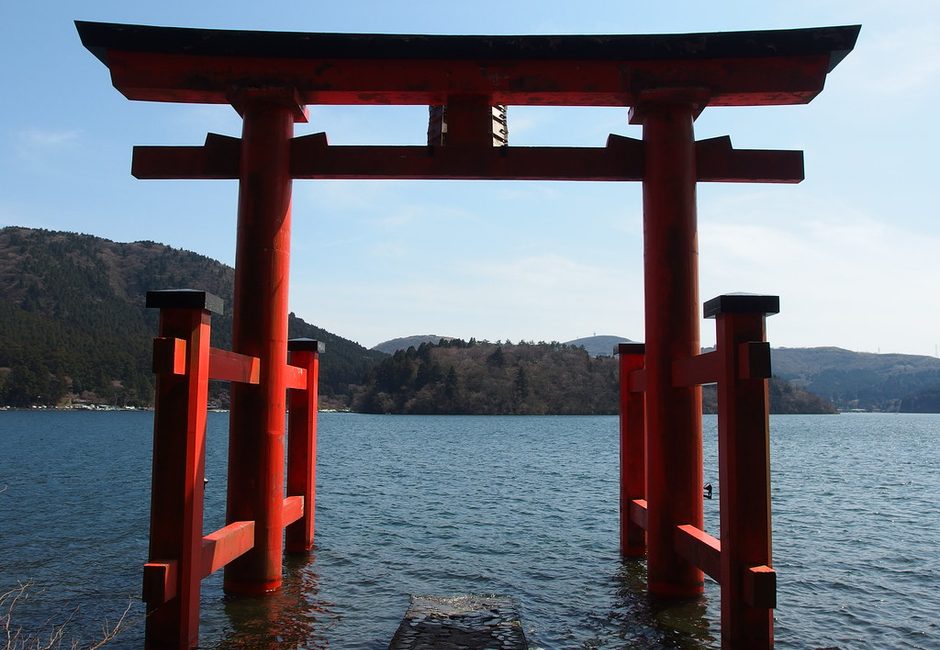
Kamakura or Hakone for the fourth day?
Kamakura, for a first visit and a single spare day. It’s closer, cheaper and walkable once you arrive, and it works as a day trip without an overnight. Hakone is the mountain-and-onsen loop with Fuji views, and it’s wonderful, but the transport circuit (switchback railway, cable car, boat) takes most of a day on its own and rewards a night in a ryokan. Save Hakone for a trip with five or more days, or for a second visit.
Do I need a JR Pass for 4 days in Tokyo?
No. The pass only pays for itself on long-distance shinkansen legs, such as Tokyo to Kyoto and back. Four days in the city plus a Kamakura day trip will come to roughly ¥5,000 to ¥6,000 in fares on a Suica, a fraction of the pass price. Buy the pass for a multi-city Japan trip. For this plan, the card’s all you need.
Places in this guide
Photos show the actual places, licensed under Creative Commons and credited to their photographers.
Find hotels in Tokyo
Browse live availability and compare prices for your dates.
See hotels near Tokyo on Booking.comPrices are for the night of Saturday 24 October. You can change the dates on Booking.com. If you book, Roam Tokyo earns a small commission from Stay22 at no extra cost to you.